

School bags to cinema halls, protest marches to wedding songs, Spider-Man has quietly become the most loved outsider in Indian pop culture. And the reasons run far deeper than costume design or box office charts. In a country where homegrown cinema dominates the multiplex and cricket is almost a religion, a masked teenager from Queens has managed to slip past every barrier of language, geography and taste.
Ask a college student in Kolkata, a schoolgirl in Nagpur or a shopkeeper in Lucknow about their favourite superhero, and there is a fair chance the answer involves a web slinger rather than a caped alien from Krypton or a billionaire in armour. The real question worth asking is not why Indians love Spider-Man. It is how a comic book character born in 1962 New York came to feel like one of us.
An Ordinary Boy Behind an Extraordinary Mask
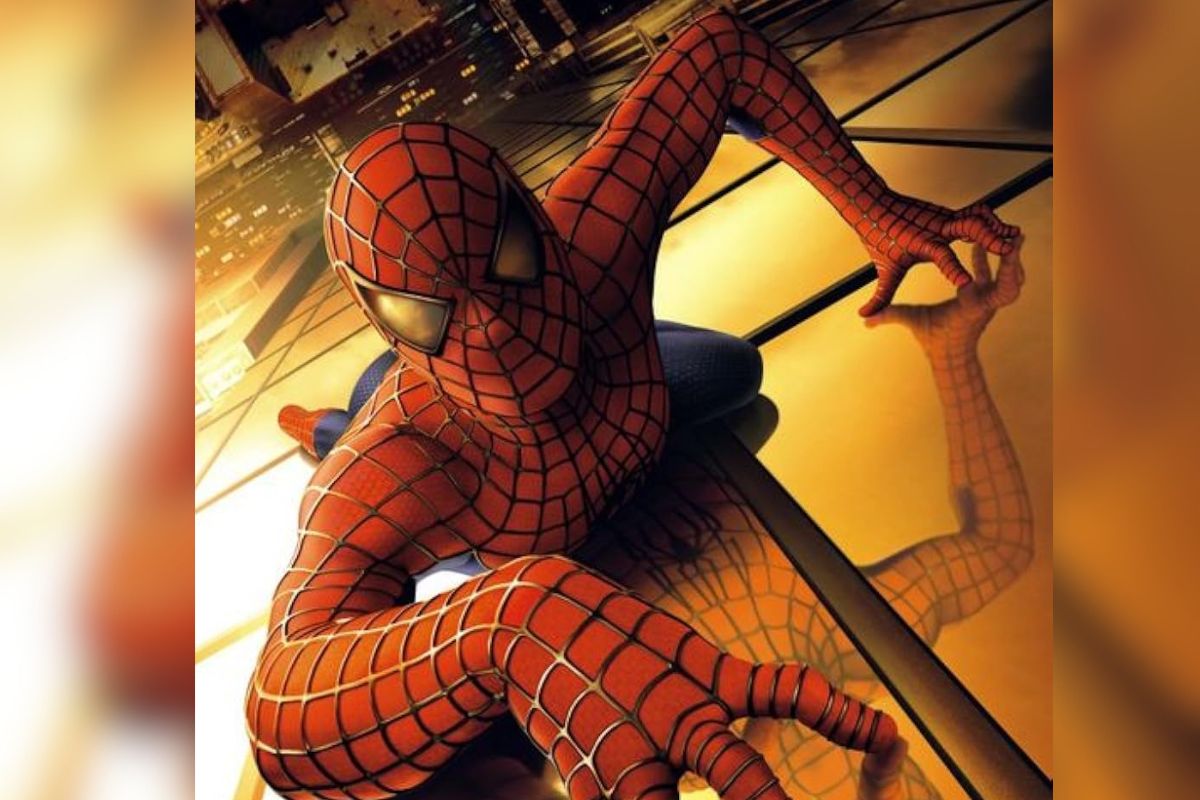
The foundation of Spider-Man’s appeal rests on a simple idea that most other superheroes cannot offer. Anyone can imagine being this hero. Peter Parker, and his later Indian avatar Pavitr Prabhakar, is not a genius industrialist or a God from another realm. He is a young person struggling with homework deadlines, family pressure, money worries, and ordinary self-doubt. That vulnerability strikes a chord in a society where millions of students grapple with the same pressures every day- from entrance exam anxiety to the constant weight of family expectation.
In India, where education is often described as the only ladder out of hardship, the story of a scholarship student mocked for his rural background, yet rising to protect his city, touches something personal. Pavitr’s tale is not only about spinning webs and dodging villains. It concerns dignity, quiet persistence and the courage of simply showing up when things go wrong. Fans online have described him as a reminder to look after the person living next door rather than waiting for someone more powerful.
A Cultural Conversation, Not a One-Way Import
Spider-Man’s arrival in Indian consciousness was never a simple case of importing Western content and hoping it would sell. It grew into an actual dialogue between two creative traditions. Back in 2004, Indian creators Sharad Devarajan, Jeevan Kang, and Suresh Seetharaman introduced Pavitr Prabhakar, an Indian Spider-Man who drinks chai, wears a dhoti, and draws his abilities from a yogi rather than a radioactive spider bite. This was not a cosmetic makeover. It was a genuine cultural reimagining that planted the hero firmly in Indian soil.
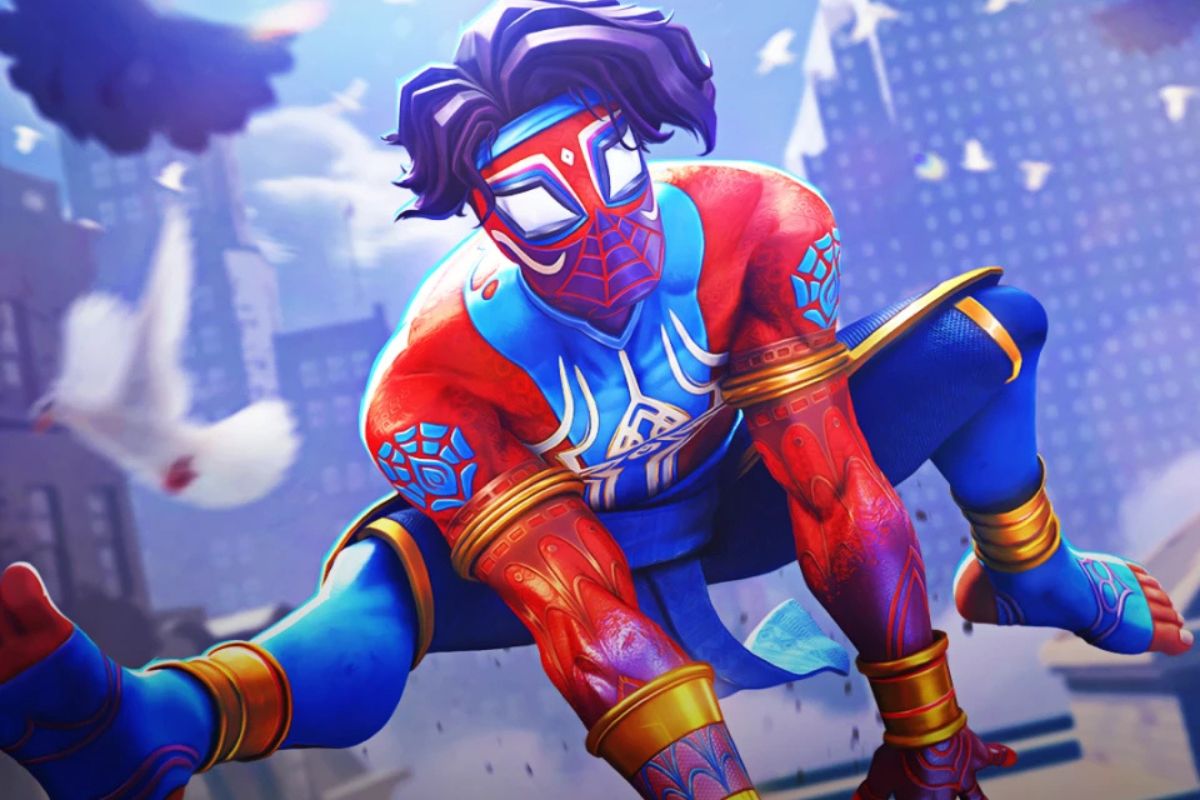
Pavitr’s setting, Mumbattan, blends Mumbai and Manhattan into a single sprawling metropolis, capturing both the aspirations and anxieties of urban India. Even his name carries weight. Pavitr means pure, and Prabhakar roughly translates to one who brings light. His costume folds in traditional touches too, including mojari-style footwear and bangles that echo the damaru, the small drum associated with Lord Shiva. None of these details is a decorative flourish. They function as quiet statements of identity within a story originally built for an American audience.
Box Office Numbers and a Cult Wedding Song
The commercial figures tell only part of the story. Since 2007, Spider-Man films have consistently ranked among the top-grossing Hollywood releases at Indian box offices. Spider-Man Across the Spider-Verse broke records in 2023, pulling in close to $3 million during its opening weekend, the strongest debut ever recorded by an animated film in the country. Yet the cultural penetration runs far beyond ticket sales.
Back in the early 2000s, a playful Hindi parody song built around the line- Spider Man tune churaya mere dil ka chain- achieved almost cult status. It played at weddings, college festivals and roadside stalls for years afterwards. This was not passive fandom. It was appropriation, adaptation and celebration rolled into a single catchy tune, proof that Spider-Man had entered everyday vernacular, both linguistic and emotional.
From the Classroom to the Street
Perhaps the clearest evidence of how deeply the character resonates lies outside cinema altogether. During the 2026 student protests over the NEET examination paper leak, demonstrators in Delhi and Kolkata put on Spider-Man masks and costumes while marching. They were not dressing up for entertainment. They were borrowing a symbol of the ordinary person standing up against a powerful system.
One observer at the Kolkata march described the scene. No stage, no formal announcement, just a mask appearing quietly among a sea of placards. In that moment, Spider-Man stopped being a cinematic spectacle and became something closer to a moral compass, a reminder that heroism is less about raw power and more about presence. In a nation grappling with youth unemployment, educational inequality and demands for institutional accountability, the image of a masked young person calling for change felt both immediate and oddly timeless.
The Multiverse and the Question of Who Belongs
The arrival of multiple Spider variants, including Miles Morales, Miguel O’ Hara, Jessica Drew and Pavitr Prabhakar, widened the definition of who gets to wear the mask. For Indian audiences, watching Pavitr swing alongside Miles in Across the Spider-Verse carried weight beyond simple representation. It felt closer to validation, a signal that Indian stories, culture and struggles belong within a global narrative rather than sitting at the margins.
This shift mirrors a broader change in how Indian audiences consume media. Bollywood still dominates screen time across the country, yet there is a rising appetite for stories built on hybrid identities, global in scope but rooted in local texture. Spider-Man, with his growing multiverse of interchangeable heroes, fits neatly into that mould.
Why Not Batman or Superman
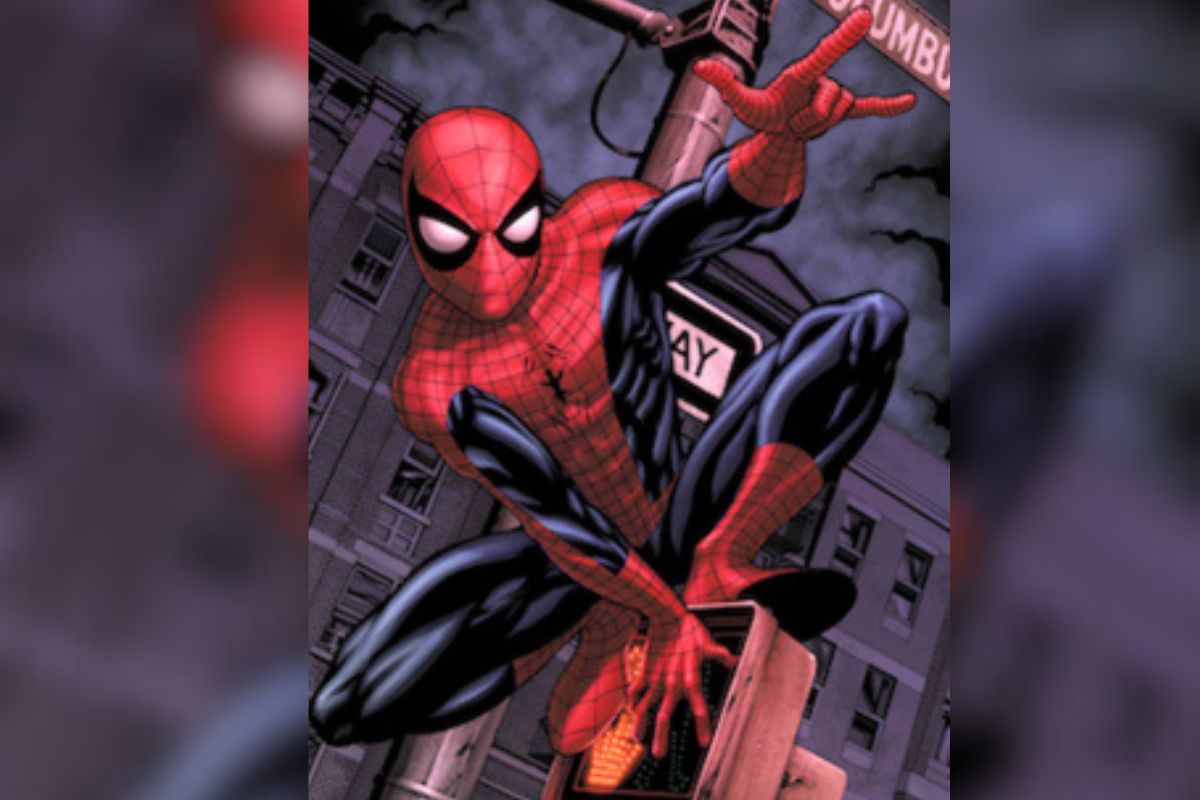
It is worth pausing on an obvious question. Why did this particular hero, and not Batman or Superman, take hold of the Indian imagination so completely? Part of the answer lies in physical distance. Batman operates from a cave hidden beneath a mansion. Superman retreats to a fortress carved from ice at the edge of the world. Spider-Man works out of an actual neighbourhood, swinging between apartment blocks and corner shops. In a country where community ties remain strong and local problems feel immediate rather than abstract, the idea of a friendly neighbourhood superhero feels more believable, more within reach.
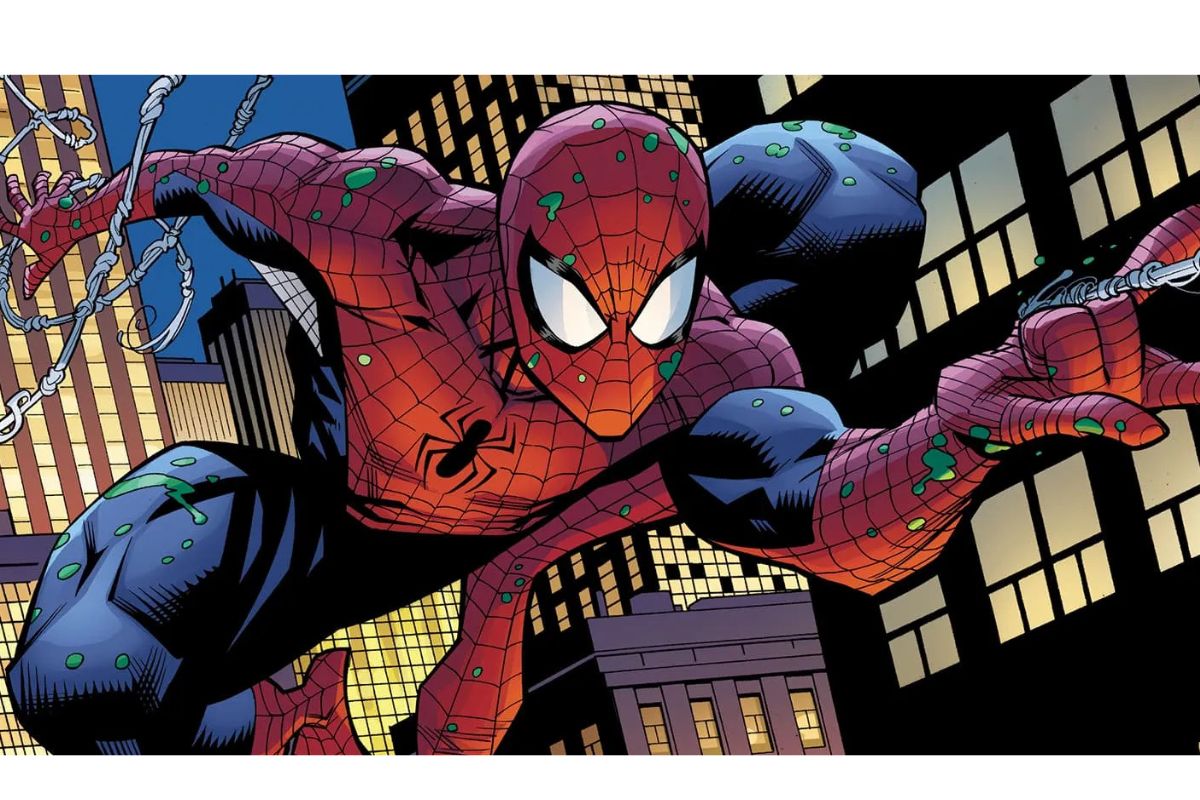
There is also the matter of his guiding principle. With great power comes great responsibility is not treated as some distant philosophical ideal in his stories. It reads as a daily instruction, something closer to practice than theory. For a generation coping with rapid social change, economic uncertainty and the constant noise of digital life, that message lands as both comforting and quietly demanding.
A Character That Keeps Growing
As Spider-Man: Brand New Day arrives in theatres this week, fans across India are already preparing to do more than watch. Some plan to show up in costume. Others will spend the following weeks producing reels, memes and fan art inspired by the film. For many, this has stopped being a routine cinema outing. It has become something closer to a small yearly ritual of belonging.
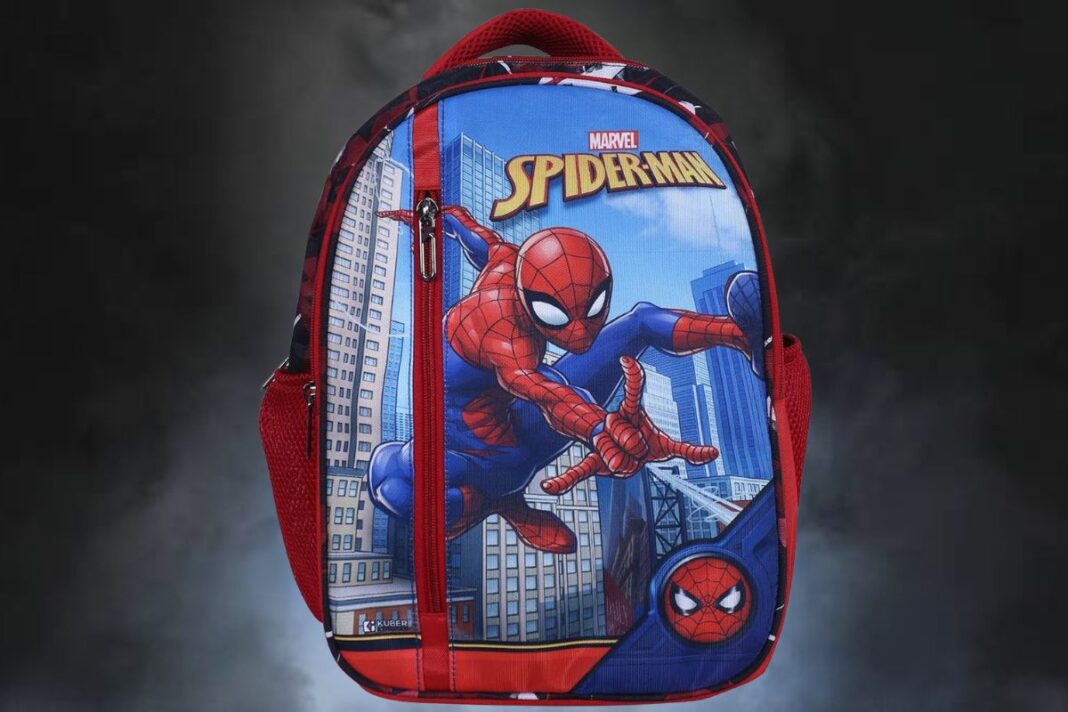
From school bags stitched with his silhouette to cinema halls packed for opening night, from protest placards to wedding dance floors, Spider-Man has grown into something larger than a licensed character on a poster. He functions as a mirror for anxieties familiar to millions, a mascot for underdog ambition and, on certain days, a literal mask for those brave enough to care publicly about the world around them. Among a billion different stories, his continues to feel like one of the most relatable, precisely because at its core it was always a story about ordinary people choosing to act.
Also Read:Nolan’s The Odyssey Pushes Cinematography to New Limits
You can connect with DNN24 on Facebook, Twitter, and Instagram and subscribe to our YouTube channel.