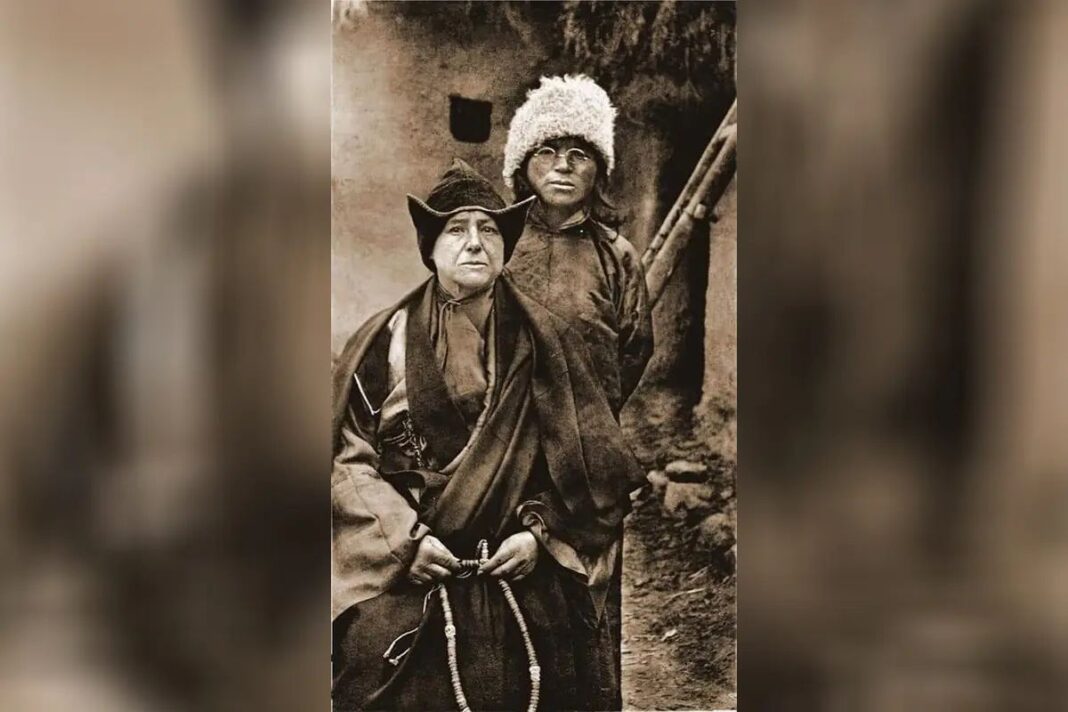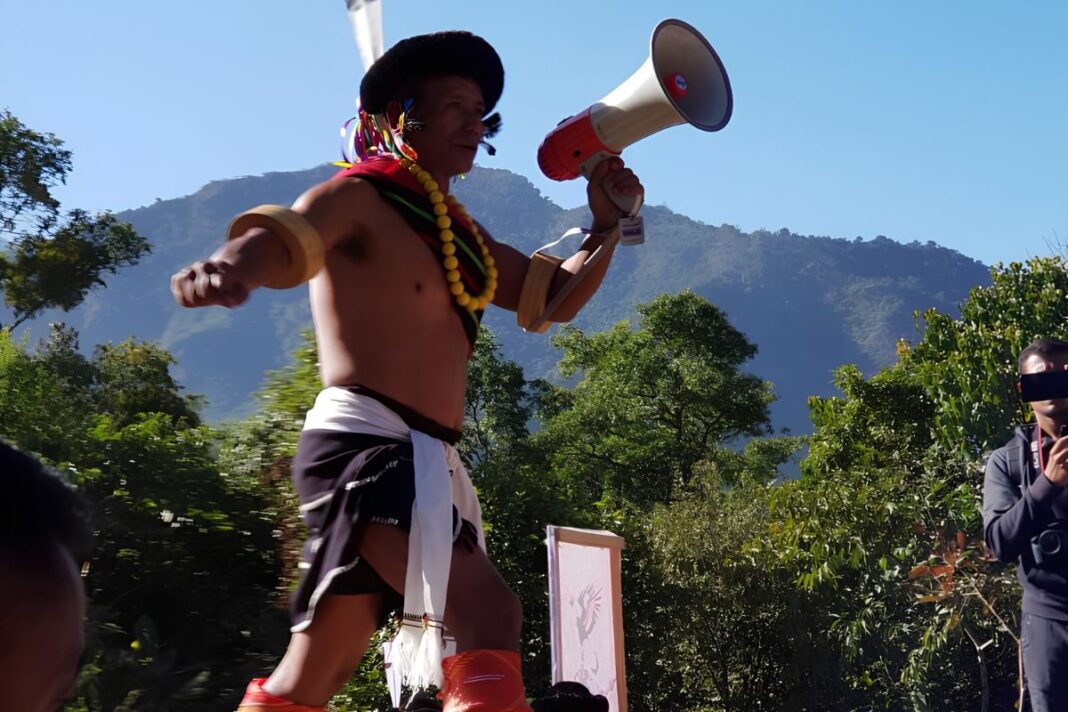

Before the sun clears the hills around Kohima on 25 February, a group of Angami men stand guard near the village well. Nobody can touch the water until they arrive. What follows has outlasted colonial rule, wars, and the conversion of most of the community to a new faith. It is called Sekrenyi, and it asks a plain question. How do people start over?
A Festival Built Around Beginning Again
Sekrenyi, also called Phousanyi, is the Angami Naga’s main festival. It falls on the 25th day of the Angami lunar month of Kezei, which matches 25 February on the Gregorian calendar. Many Naga festivals follow the farming year, with dates set by sowing, harvest, or the hunt. Sekrenyi follows a different purpose. It exists to cleanse the body and spirit and to wash away the misdeeds and bad luck of the year just gone by. The name is understood to mean a celebration of new life. In older times, the rite prepared warriors before battle and farmers before planting. Chief Minister Neiphiu Rio has observed that this focus on purification sets Sekrenyi apart from most festivals in the region.
The Well at Dawn
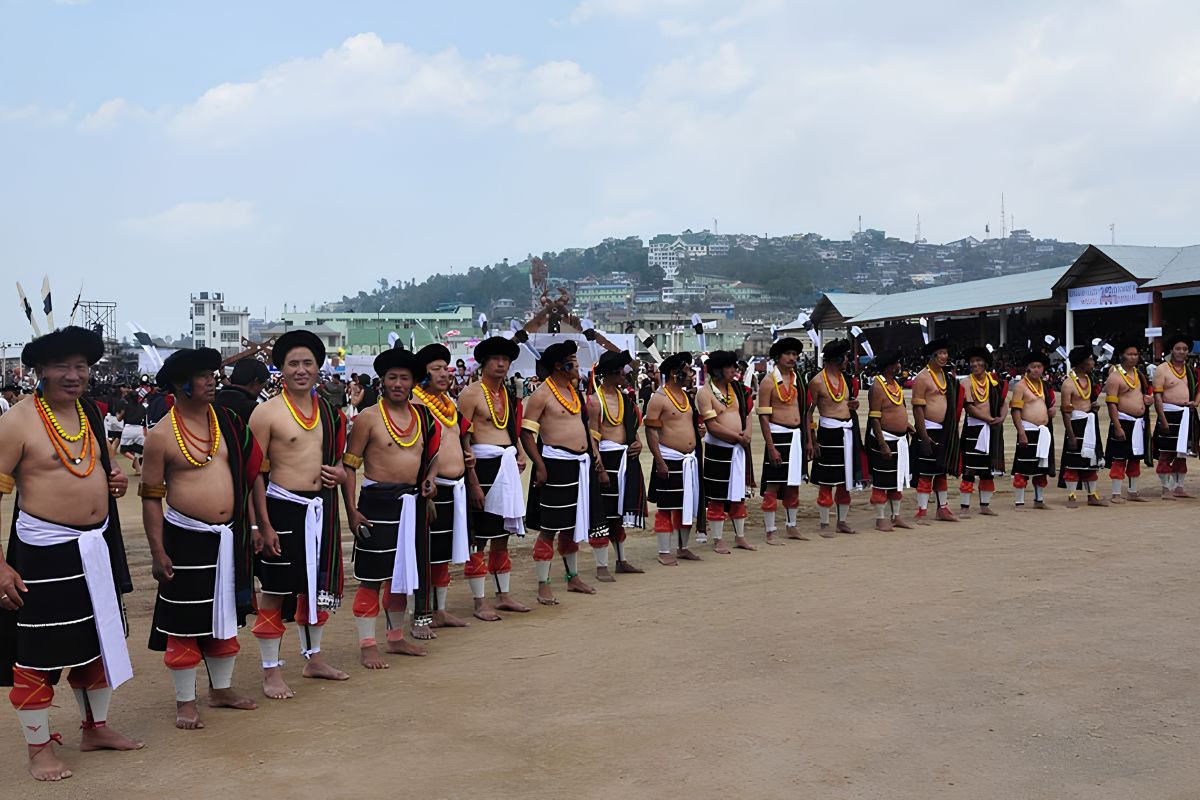
In its traditional form, the festival runs ten days and opens with Kizie, the purification rite. On the eve, two young men clean the village well at night and keep watch over it so no one draws water after it has been cleaned. Before sunrise, the men and boys of the village go to the well. Traditionally, they go without clothes, a sign of humility and of standing open before the sacred. This part of the rite is called Dzuseva. They sprinkle the water over their bodies and their clothes, which is believed to remove spiritual impurity and sin. Only afterward can they fetch water for the women of the household, since nobody else can use the well that day.
At home, the men kill a chicken, cook it in a temporary oven set apart from the main kitchen, and offer the liver with rice wine in prayer. Women and girls do not share this meal, which reflects the old division of roles between the sexes. A boy joins the festival only after he turns six or seven, and his first offering must be a rooster.
Days of Fruit, Song, and Gates
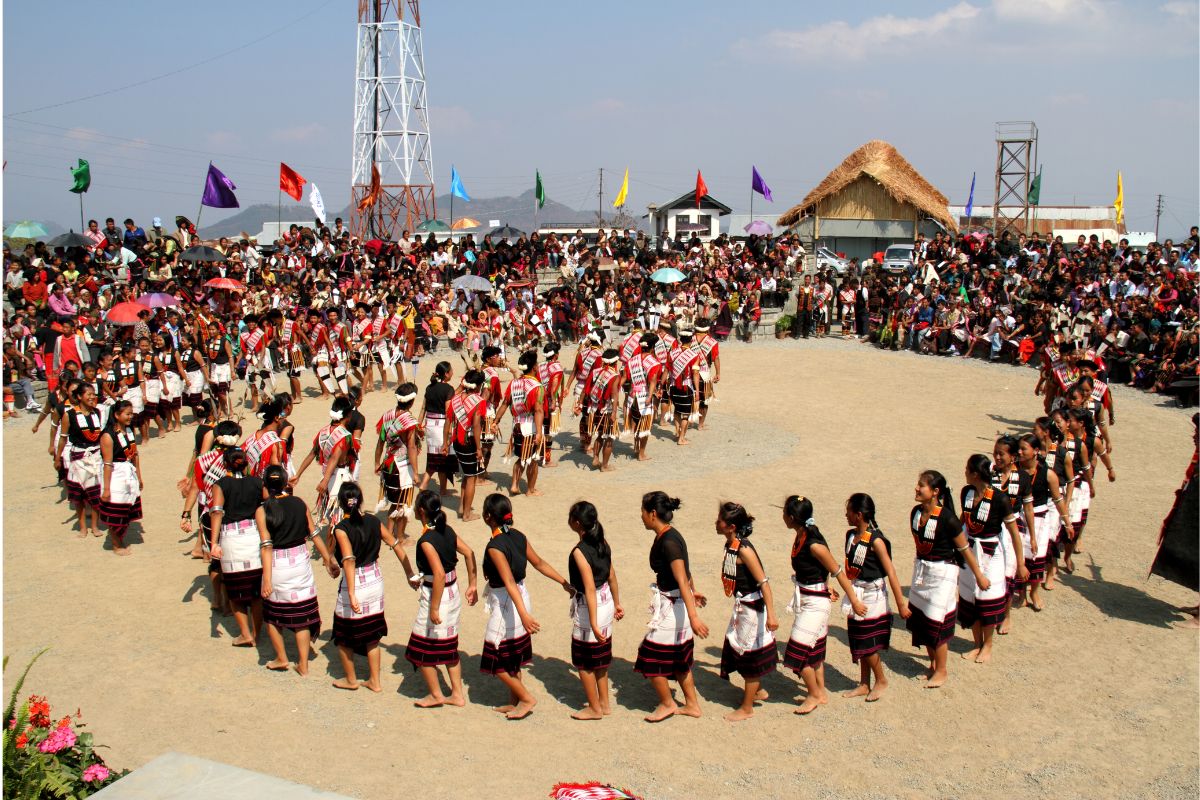
The remaining days turn toward plenty and the mending of relations. Families gather wild fruit to decorate their homes, especially the house of a shared ancestor. They cut and fry bamboo, and brew rice beer. Young people sing together in a cultural event, thekra hie, and the songs carry across the village. On the fourth day, young couples exchange gifts and make ornaments from cork, stone, and wood, which strengthens friendship and family ties. The eighth day brings the pulling of a bridge or gate, a ceremony known as Zukhophe that stands for the removal of barriers between villages. Visits between villages and feasting follow.
A Passage into Manhood
Sekrenyi also marks the passage from boyhood to adulthood for young Angami men, and it serves as a signature of Angami identity among the many Naga tribes. Underneath it lies a simple belief. Before anything new begins, whether a farming season, a marriage, or a year, there must be a cleansing. Carrying the weight of the old year into the new is seen as too heavy a load to bear.
When the Faith Changed
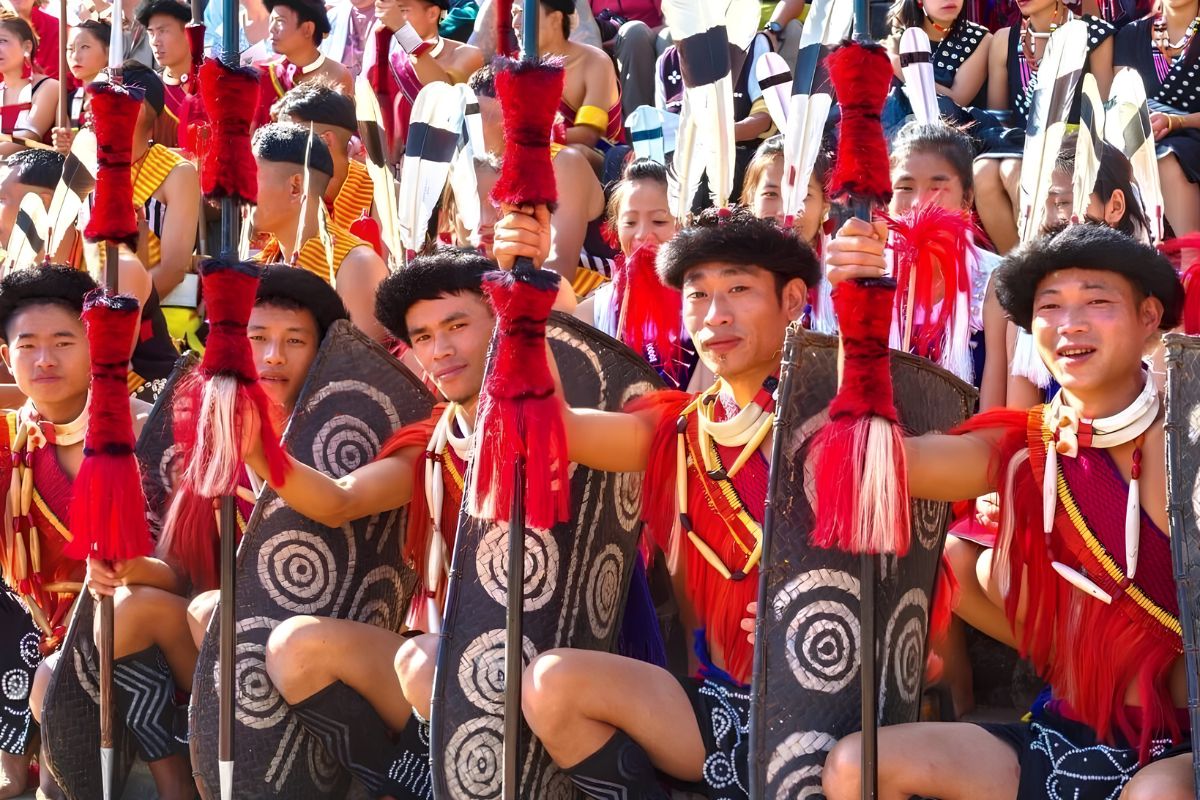
During the 20th century, most Angami became Christians, mostly Baptist. The festival changed with them. Both traditional Angami, known as Krüna Angami or Pfütsana, and Christian Angami observe Sekrenyi, but differently. Christian villages often shorten it from ten days to five. They keep the feasting, singing, cultural performances, and gatherings. They leave out the rituals tied to sacrifice, purification by rite, and spirit worship. That includes offering a rooster, sprinkling rice water from the Zumho pot, and reciting the ancestral prayers that sat at the center of the older festival.
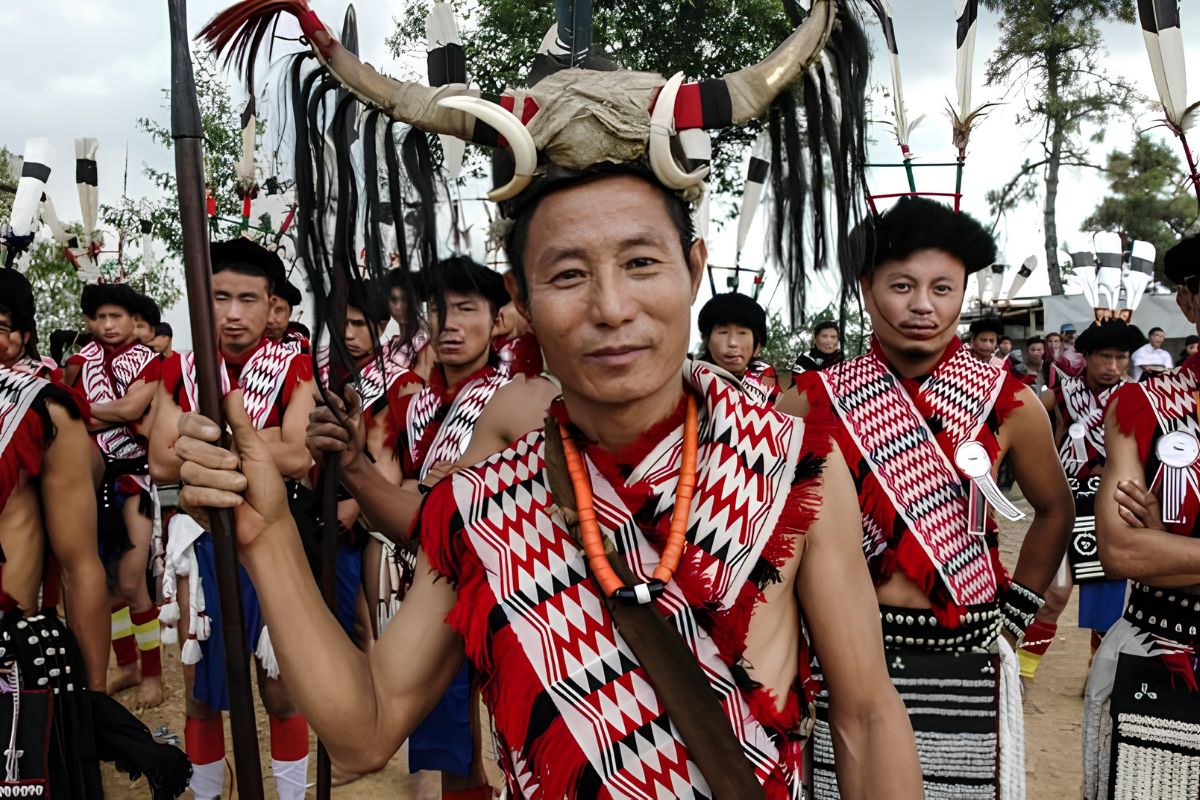
The line they draw is a line of belief. Taking part now rests on shared culture. People wear traditional shawls, sing at Thekra Hie, play indigenous games, and visit their kin. At public events, pastors or church elders lead invocation prayers that replace the old rites. At the Sekrenyi celebration in Sovima in February 2026, the program included an invocation prayer, greetings from bodies such as the Angami Public Organization, and cultural performances. The prayers seek God’s blessings for the people, the land, and the new year.
Thejao Vihienuo, President of the Angami Public Organization, has said that the worship of unknown spirits is no longer practiced, yet the call to purify the soul and renew the spirit still carries deep meaning. In his words, “If God, in His greatness, had instilled in the hearts of our ancestors the need for purification and dedications, then we, in our present faith, have even greater reason to observe this festival in a renewed spirit.”
Old Objects, New Meanings
Anthropological research describes a mixed picture. Indigenous and Christian elements sit side by side, sometimes at ease and sometimes with friction. Shawls, the spades carried in dances from the days of head hunting, and the Zukhophe have kept their outward form, but now stand for religious change rather than ancestral worship.
A second movement runs the other way. Forms and rituals once set aside are being brought back, as part of religious revival and pride in ethnic identity. For many Christian Angami, Sekrenyi now centers on honoring Angami heritage, passing traditions to the next generation, and holding the community together in a fast-changing world.
Far from the Hills
The festival travels well. In New Delhi, the Angami population gathers every year under the banner of Angami Krotho Delhi, far from their ancestral villages. These gatherings put food, songs, and company first, leaving out rituals that clash with Christian belief. For young Angami Christians raised in Indian cities, the celebration offers a way to stay close to their roots without compromising their faith.
What Remains, and What It Says
In a Christian Angami home today, the festival usually includes the following:
- Fine traditional dress, worn by men and women with pride in their heritage.
- Shared meals of traditional dishes, with guests welcomed.
- Games, dances, and Thekra Hie singing by the young.
- Special church services, where pastors speak on renewal, forgiveness, and dedication to God.
- Visits to relatives in nearby villages, with greetings exchanged.
Animal sacrifice, ancestral prayer, and Dzuseva in its old form are absent. Purification is understood to happen through prayer, repentance, and dedication to God, and the village well is no longer needed.
The old rite still speaks to the present. Tourism Minister Temjen Imna Along, addressing the Sovima celebration in February 2026, called on people to cleanse the community of suspicion, propaganda, and division, and to build stronger bridges of trust. Cleanse, reconcile, begin again. That order of steps sits at the heart of Sekrenyi, and it fits the message well.
A Tradition That Kept Its Shape
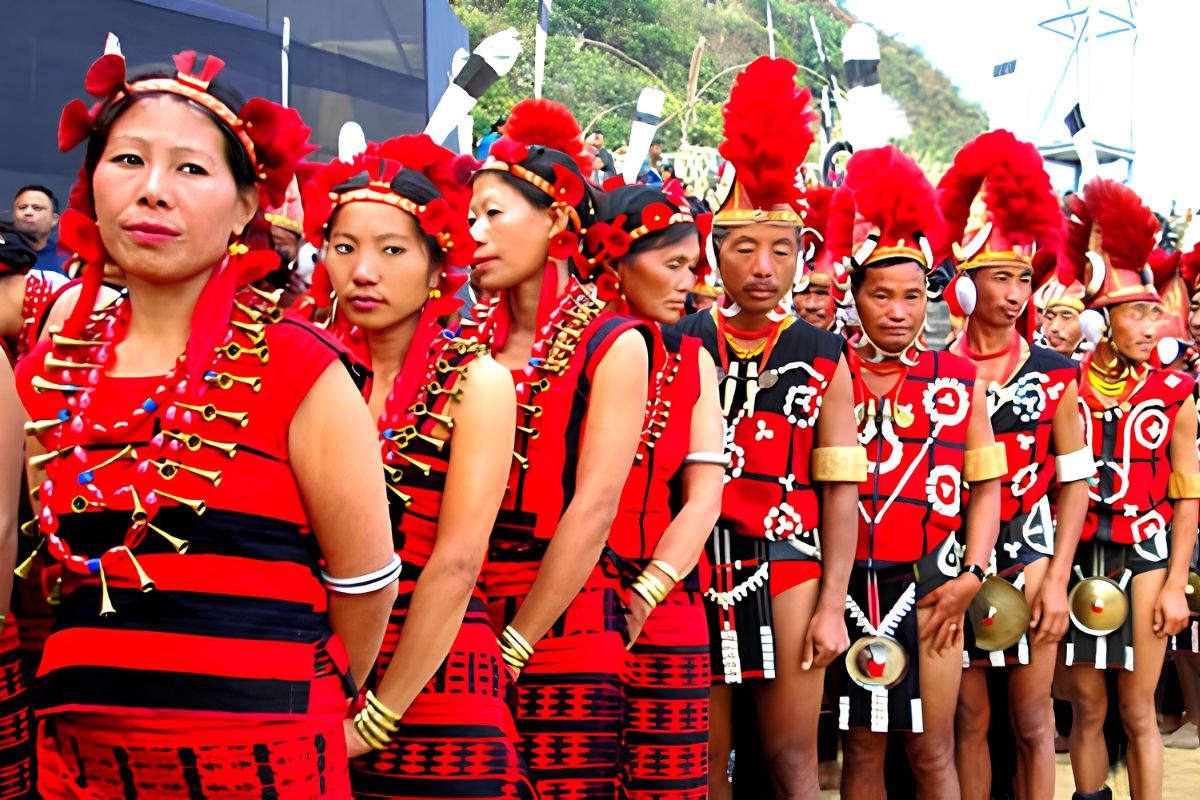
Conversion left Angami culture standing and changed what it carries. In a region where tribal identity and faith are closely bound, Sekrenyi shows that a tradition can last without clashing with belief. Its religious content has shifted from the purification rites of the old faith to renewal in the Christian sense, and its role as a marker of who the Angami are has stayed firm.
Rio has called Sekrenyi a reflection of cherished traditions and identity. His words carry a quiet lesson: people who know how to cleanse themselves know how to begin again. For the Angami of the past, that cleansing began in the cold water of a village well. For many today, it begins in the heart, through prayer, and carries on in thekra hie and in a meal shared with family.
Also Read: Arunachal’s Solung Tradition: The Festival Where Villages Become Living Museums
You can connect with DNN24 on Facebook, Twitter, and Instagram and subscribe to our YouTube channel.