

Best of Sadda Punjab
A community’s identity is closely connected to its language, culture, history, literature, and traditions. Language is one of the most important ways people express their thoughts, feelings and experiences. A script gives these thoughts and expressions a written form, allowing people to pass them from one generation to the next.
Language and script share a deep connection. A spoken language lives through people’s voices, while a script preserves their words and ideas beyond the limits of time and place. The history of the Punjabi language is also a story of cultural exchange and development. Punjab has been home to different religious, social and cultural traditions. Its folk songs, stories, Sufi poetry, Gurbani, vars and folk literature have enriched the Punjabi language.
Over time, people have used different scripts to write Punjabi. Today, Indian Punjab mainly uses Gurmukhi, while Pakistani Punjab commonly uses Shahmukhi. These scripts are two different ways to write the same language and preserve the same cultural heritage. Their structures, histories, and uses differ, but the Punjabi language they represent remains the same. To understand Gurmukhi and Shahmukhi properly, consider historical evidence, linguistic research, and cultural connections together.
Gurmukhi Script: A Long Journey of Development from Ancient Roots
Gurmukhi is an important part of Punjabi’s written history. Its present form did not develop overnight. Instead, it emerged through a long history of writing traditions in northern India. Several scripts developed from the ancient Brahmi script and gradually took different forms in different regions. Scripts such as Sharada and Landa, along with their related writing traditions, also influenced the history of writing in Punjab.
However, finding letters or symbols that resemble those of an older script does not mean the modern script’s complete structure or name existed at that time. To understand a script’s history, researchers must compare stone inscriptions, old manuscripts, historical documents, and letter shapes. Researchers should also study the roots of Gurmukhi through this scientific approach.
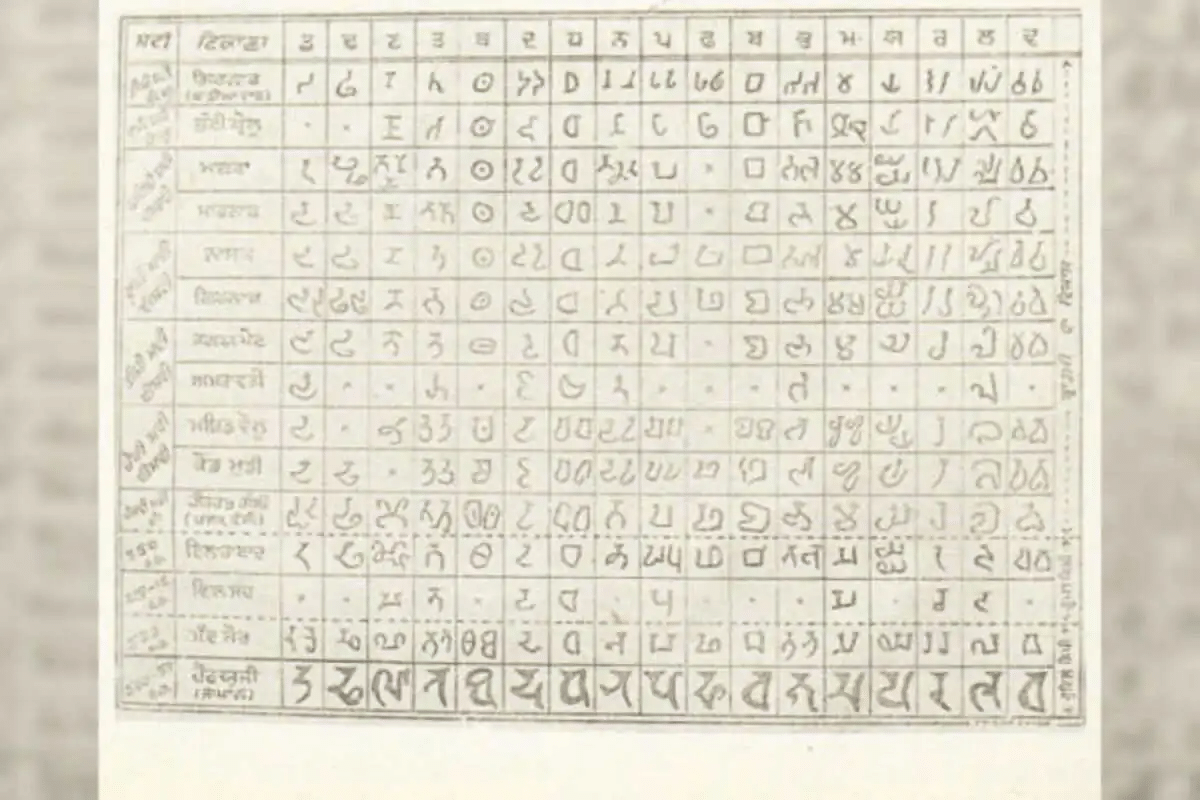
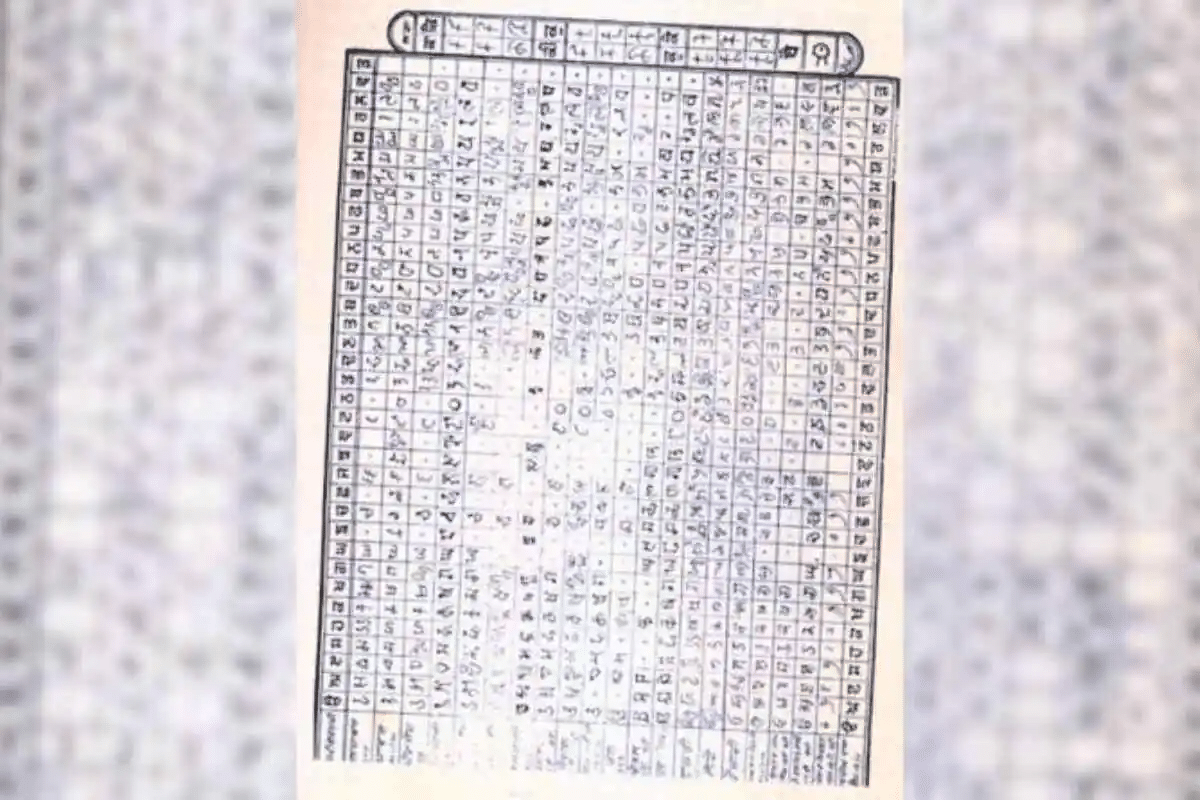
During the Sikh Gurus’ period, different writing systems were used in Punjab. The composition Patti, found in the Bani of Sri Guru Nanak Dev Ji, is especially important because it deals with letters and the alphabet. It shows that knowledge of letters and the tradition of reading and writing were closely connected with religious and moral education.
Sri Guru Angad Dev Ji is widely recognised for his important contribution to the development and spread of Gurmukhi. He helped organise and popularise the script for education, the study of Gurbani and the sharing of religious knowledge among Sikh congregations. Therefore, it is more accurate to say that Gurmukhi has roots in older writing traditions, while Guru Angad Dev Ji gave it a more organised form and helped spread its use.
The Name Gurmukhi and Its Historical Identity
The word Gurmukhi is believed to be connected with the writing tradition associated with the Guru. The term appears in old Janam Sakhis and other written documents. However, it is important to examine when these documents were written, their different versions and their historical reliability.
Even with these considerations, such references help researchers understand Gurmukhi’s historical development. Gurmukhi gained a special place in Sikh religious tradition because it was widely used to read, write and share Gurbani. The tradition of reading and writing the Bani of the Guru Granth Sahib in Gurmukhi gave the script religious, literary and educational importance.
Studying the Goindwal Pothis and other early manuscripts is important to understanding this written heritage. However, limiting Gurmukhi to a religious identity alone would overlook its wider contribution to language and literature. Today, Gurmukhi is an important script for Punjabi literature, journalism, education, government work, theatre, cinema and digital communication.
A large collection of Punjabi stories, novels, poems, research books and historical writings is available in Gurmukhi. At the same time, we must also recognise other Punjabi writing traditions. We need not diminish Shahmukhi’s importance or contribution to explain Gurmukhi’s significance. Understanding the histories of both scripts without favouring either one is essential to recognising Punjab’s shared heritage.
Shahmukhi Script: Punjabi in the Persian-Arabic Writing Tradition
Shahmukhi is an important script used to write Punjabi in Pakistan’s Punjab province. Based on the Persian-Arabic script, it is generally written in the Nastaliq style. It uses Persian-Arabic letters, additional marks and established writing methods to represent Punjabi sounds.
This writing tradition grew in Punjab under Muslim rule, with Persian used in administration and literary influence from Persian and Urdu. During the medieval period, Persian was an important language of government administration and higher education. As a result, many writers, poets and scholars used Persian-Arabic letters to write Punjabi literature.
The Bani of Baba Farid Ji is a valuable part of Punjabi literature and the Sufi tradition. His shaloks are included in Sri Guru Granth Sahib and are important for understanding the early tradition of Punjabi poetry. However, care is needed when discussing the earliest written forms of Baba Farid Ji’s compositions. Directly linking the surviving written tradition of his Bani and its transmission to the modern Shahmukhi script would oversimplify the process.
Similarly, the works of Baba Bulleh Shah, Waris Shah, Qadir Yar and other poets greatly enriched Punjabi Sufi literature. Their poetry explores love for God, equality among human beings, criticism of social hypocrisy, and individuals’ inner struggles. Old manuscripts and printed editions of these works exist in different scripts.
Therefore, identifying a literary work’s earliest form requires studying its manuscripts and publication history. Shahmukhi has played an important role in preserving Punjabi literature and passing it on to future generations. It would be incorrect to dismiss Shahmukhi as simply the script of Urdu, because the same script can write different languages. Punjabi written in Shahmukhi has its own linguistic identity, even though its writing tradition is connected to Persian-Arabic letters.
The Partition of 1947: A Major Turning Point for Punjabi and Its Scripts
The Partition of India and Pakistan in 1947 was one of the most painful events in Punjab’s history. It did not simply create a border between two countries. It also divided families, villages, cities, cultural centres and shared memories. Millions of people were forced to leave their homes, while countless families suffered losses of life and property.
Partition also affected Punjabi written traditions. In Indian Punjab, Gurmukhi received stronger institutional support in education, literature and government administration. In Pakistani Punjab, Urdu became the national language and gained an important position in government work and education.
Despite having a large Punjabi-speaking population, Punjabi did not receive the place it deserved in education and administration in Pakistani Punjab. Nevertheless, Punjabi literature, folk music and poetry continued to flourish. It would be historically inaccurate to claim that Shahmukhi emerged only after 1947.
The tradition of writing Punjabi in Persian-Arabic letters predates Partition. However, further research is needed to determine when the term Shahmukhi began to be used and how the script developed its present identity. After Partition, education systems and government policies on both sides significantly influenced how these scripts were used and how people read and wrote.
Therefore, Partition should not be considered the origin of the two scripts. Instead, it should be understood as a major historical turning point that changed their social use, institutional position and relationship with each other.
Gurmukhi and Shahmukhi: Differences in Structure and Use
Both Gurmukhi and Shahmukhi are used to write Punjabi, but their structures and writing methods are different. Understanding these differences helps people learn both scripts and convert written material from one script into the other.
First difference: Writing direction Gurmukhi is written from left to right, while Shahmukhi is written from right to left. Readers must therefore become familiar with different page directions, word structures and punctuation practices.
Second difference: Letter shapes In Gurmukhi, a letter’s basic shape generally remains the same whether it appears at the beginning, middle, or end of a word. In Shahmukhi, many letters change shape depending on their position in a word. Joining letters together is an important feature of the Nastaliq writing style. With practice, reading and writing this script becomes easier.
Third difference: Representation of vowels Gurmukhi uses an organised system of vowel signs to represent vowel sounds. Signs such as Mukta, Kanna, Sihari, Bihari, Aunkar, Dulainkar, Lavan, Dulavan, Hora, and Kanaura help readers pronounce words correctly. In Shahmukhi, marks such as Zabar, Zer and Pesh can be used with letters to represent vowel sounds. However, people often omit these marks in ordinary writing. As a result, understanding the correct pronunciation of some words may depend on their meaning, context and the reader’s knowledge of Punjabi.
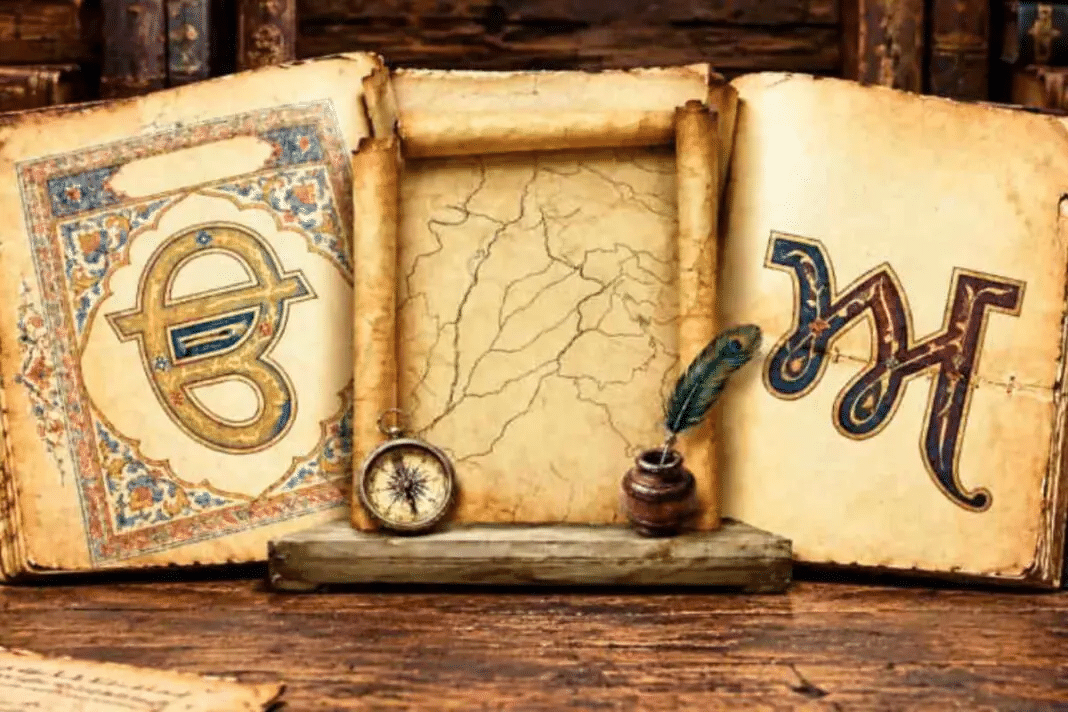
Fourth difference: Representation of sounds. The Gurmukhi alphabet directly represents many sounds used in Punjabi. Shahmukhi also uses established writing methods and additional letters to represent Punjabi sounds. However, converting every word from one script to the other is not always possible without difficulty. Transliteration involves more than replacing individual letters. Pronunciation, meaning and the context in which a word is used must also be considered.
Fifth difference: Learning methods. The organised arrangement of letters and vowel signs in Gurmukhi helps beginners understand the connection between spelling and pronunciation. Learning Shahmukhi requires understanding the joined forms of letters and practising writing words without always marking their vowels. However, whether a script feels easy or difficult also depends on a learner’s existing language knowledge and practice.
This comparison is not meant to prove that one script is better or worse than the other. It is to understand their different features and how they are used. Both scripts play an important role in preserving and developing the Punjabi language and its shared heritage.
Main Features of Gurmukhi
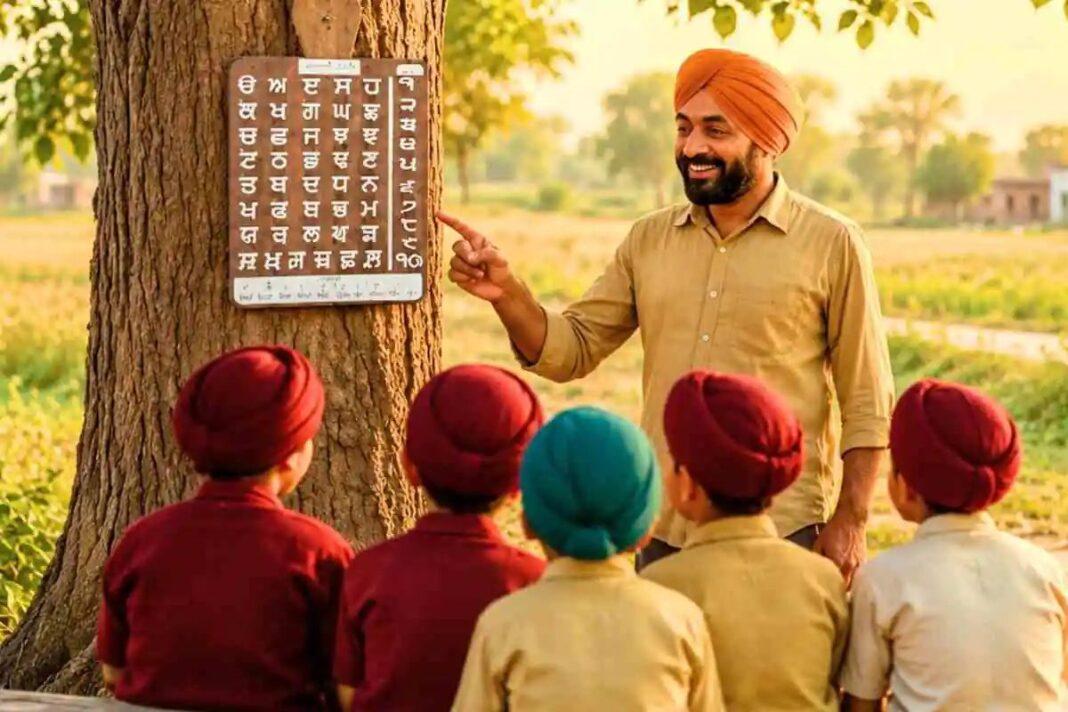
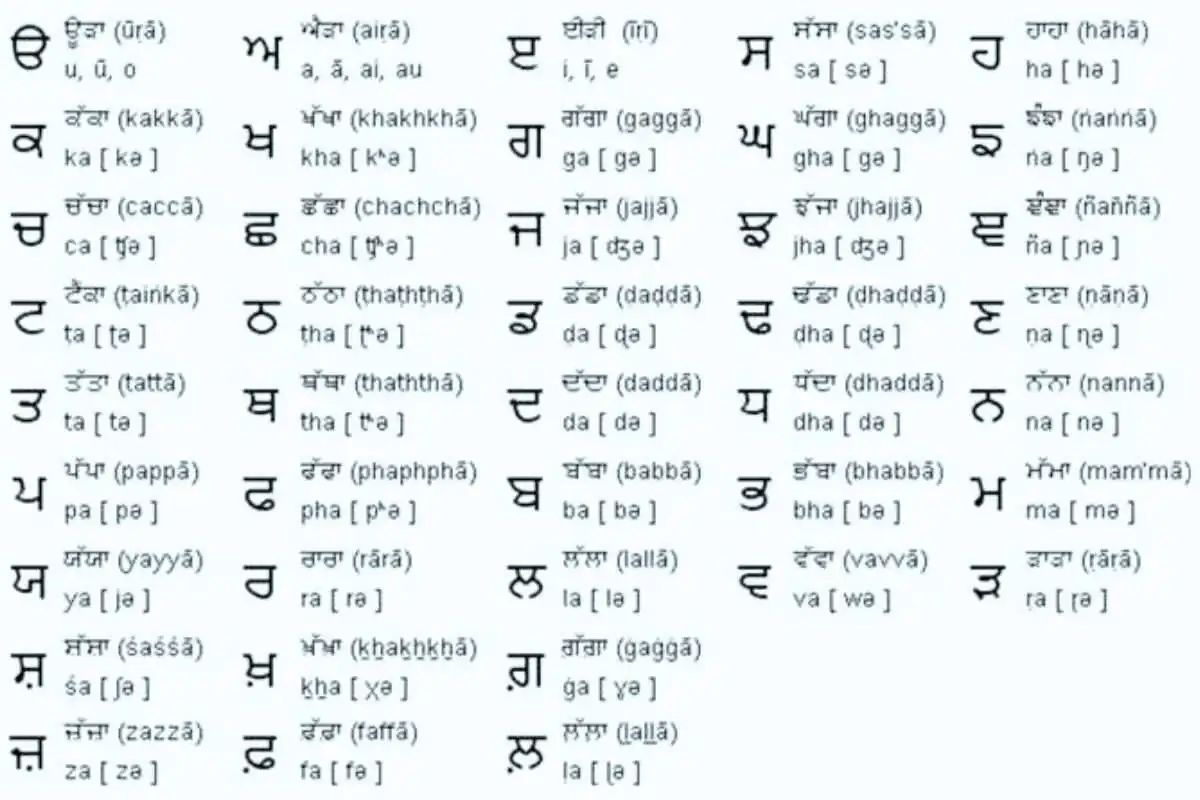
One of Gurmukhi’s most important features is its organised system of letters. It has three vowel carriers, ੳ, ਅ, and ੲ, which represent different vowel sounds. Vowel signs clarify word pronunciation. Other marks, including Addak, Bindi and Tippi, also play important roles in Punjabi pronunciation. The traditional Gurmukhi alphabet is widely known for its 35-letter system.
Later additions and dotted letters helped represent words borrowed from other languages. In this way, Gurmukhi has continued to develop its writing system to meet the language’s changing needs. Another important feature is the arrangement of letters by place and manner of pronunciation.
Groups such as ਕ, ਖ, ਗ, ਘ, ਙ; ਚ, ਛ, ਜ, ਝ, ਞ; ਟ, ਠ, ਡ, ਢ, ਣ; ਤ, ਥ, ਦ, ਧ, ਨ; and ਪ, ਫ, ਬ, ਭ, ਮ help explain different groups of sounds.
This arrangement helps children recognise letters, learn their pronunciation and develop writing skills. Gurmukhi’s straightforward writing system also makes it useful for education and printing. Today, computers, mobile phones, Unicode, and digital publishing make it much easier to create books, newspapers, websites, and social media content in Gurmukhi.
Features and Literary Importance of Shahmukhi
Shahmukhi matters because it is closely tied to the written traditions of the large Punjabi-speaking population in Pakistani Punjab. Punjabi stories, Sufi poetry, folk songs, novels, poems, newspapers and modern literature are written and read in Shahmukhi. The script provides access to a rich literary heritage, including important works preserved in Pakistani Punjab. The pronunciation and spelling of Punjabi words written in Shahmukhi can vary by regional dialect and the writing traditions different authors follow.
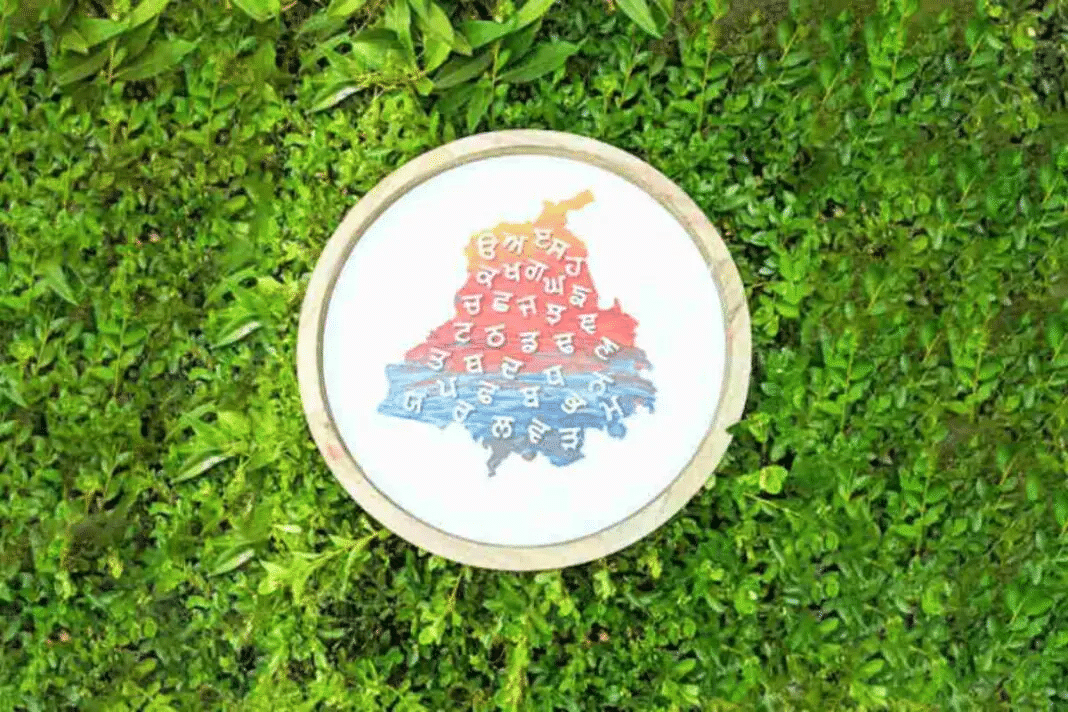
Sometimes, the same word may be written in different ways. Therefore, recognising letters alone is not enough to understand Shahmukhi. Readers must also understand Punjabi vocabulary, expressions and the contexts in which words are used. Shahmukhi also provides access to Punjabi literary works whose older manuscripts were written in the Persian-Arabic writing tradition.
However, it would be incorrect to assume that every old manuscript follows the same conventions as modern standard Shahmukhi. Writing methods change over time. Accurately understanding older works may therefore require knowledge of the script used during that period and help from scholarly editions.
The Present Situation in Eastern and Western Punjab
Punjabi is widely spoken in both parts of Punjab, but education and literacy in the language differ. In Indian Punjab, Gurmukhi is widely used in schools, government administration, literature and media. In Pakistani Punjab, Urdu has an important place in education and government work, despite the large number of Punjabi speakers.
This creates challenges for teaching Punjabi in schools and using it for writing and academic research. It is also important to understand that speaking a language and being able to read and write it are two different things. People may speak Punjabi as their mother tongue, but without opportunities to learn its script, they may struggle to connect fully with its literature and heritage.
Therefore, promoting Punjabi education, books, research and digital content is essential in both parts of Punjab. For people in eastern Punjab, learning Shahmukhi can provide direct access to Sufi literature, old manuscripts and modern literature from Pakistani Punjab.
Similarly, learning Gurmukhi can help people in western Punjab understand Gurbani, literature from Indian Punjab, journalism and historical research. Knowing both scripts can benefit students, researchers, translators, and people interested in literature. It can also bridge the different written traditions of Punjabi.
Important Steps to Connect the Shared Heritage
The first step towards reducing the distance between Gurmukhi and Shahmukhi is greater cooperation in education and literature. Develop easy textbooks, dictionaries, grammar guides, and online courses to teach Punjabi in both scripts. Such materials could present the same word in Gurmukhi and Shahmukhi, along with its pronunciation and meaning. The second important step is to preserve old literature and make it available digitally.
Prepare high-quality digital copies of manuscripts, traditional stories, Sufi poetry, and historical documents. Where possible, provide the original text alongside transliterations in Gurmukhi and Shahmukhi, with simple explanations. This would benefit both researchers and general readers. The third step is to encourage communication among writers, teachers, language experts, and literary institutions in both parts of Punjab.
Joint seminars, literary gatherings, translation projects and digital libraries can bring Punjab’s rich literary heritage closer to people on both sides of the border. Introducing younger generations to both Punjabi scripts is equally important. If students learn the other script alongside their own, they can develop a deeper understanding of both regions’ literature and history. This can strengthen their shared Punjabi identity and help reduce the cultural distance created by Partition.
Conclusion: Different Scripts, but One Punjabi Spirit
The history of Punjabi and its writing traditions is tied to centuries of social, religious, cultural, and political change. Gurmukhi and Shahmukhi are both important parts of this long journey. Gurmukhi has gained a special place in Gurbani, Punjabi literature, education and modern media.
Shahmukhi has played a major role in preserving Punjabi Sufi literature, traditional stories and the literary heritage of Pakistani Punjab. The 1947 Partition placed Punjabi communities under different political and institutional systems. However, the roots of their language, memories, expressions, folk songs and literature remained shared.
Therefore, Gurmukhi and Shahmukhi should not be viewed as competing scripts. Instead, they should be understood as two important gateways to the wider world of Punjabi literature. Loving Gurmukhi does not mean rejecting Shahmukhi. Similarly, learning Shahmukhi does not diminish Gurmukhi’s importance.
Knowing both scripts can bring Punjabi readers closer to their language’s heritage. For Punjabi to keep developing, people should encourage its use in homes, schools, universities, books, newspapers, and digital platforms. Punjabi’s true strength lies in its shared heritage, spirit of tolerance, and tradition of human love.
If people in eastern and western Punjab work to understand and preserve both Gurmukhi and Shahmukhi, these scripts will become more than writing systems. They can also become cultural bridges connecting people across both parts of Punjab. This would be an important step towards a stronger future for the Punjabi language, its literature and its shared heritage.
Article By Savinder Kaur
Read this article in Punjabi and Hindi
Also Read: Why are Mango Leaves hung Above our Doors considered auspicious?
You can connect with DNN24 on Facebook, Twitter, and Instagram and subscribe to our YouTube channel.