
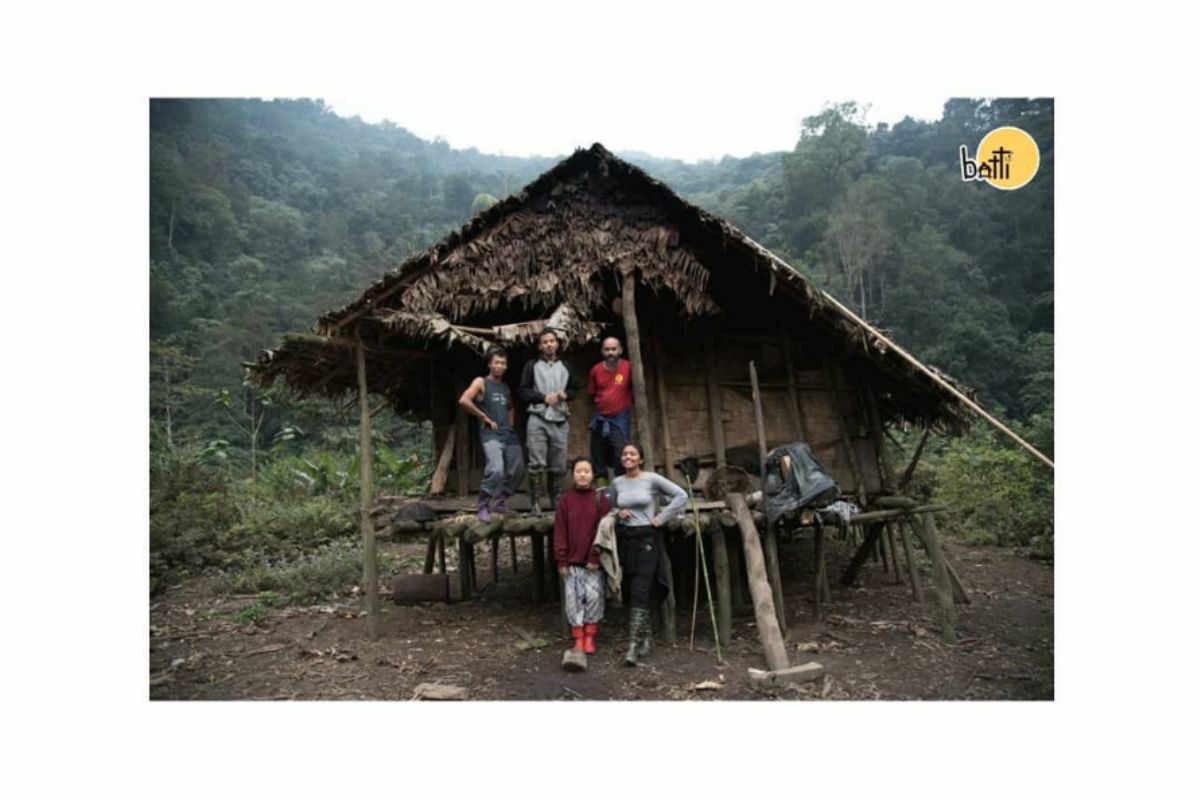
There is a village in Arunachal Pradesh that cannot be reached by road. To get there, a person must walk for several hours, sometimes days, through rivers and the jungle, carrying everything needed on their back. Gandhigram sits in the Eastern Himalayan forest, home to the Idu Mishmi tribe, and until 2011, its nights were entirely dark.
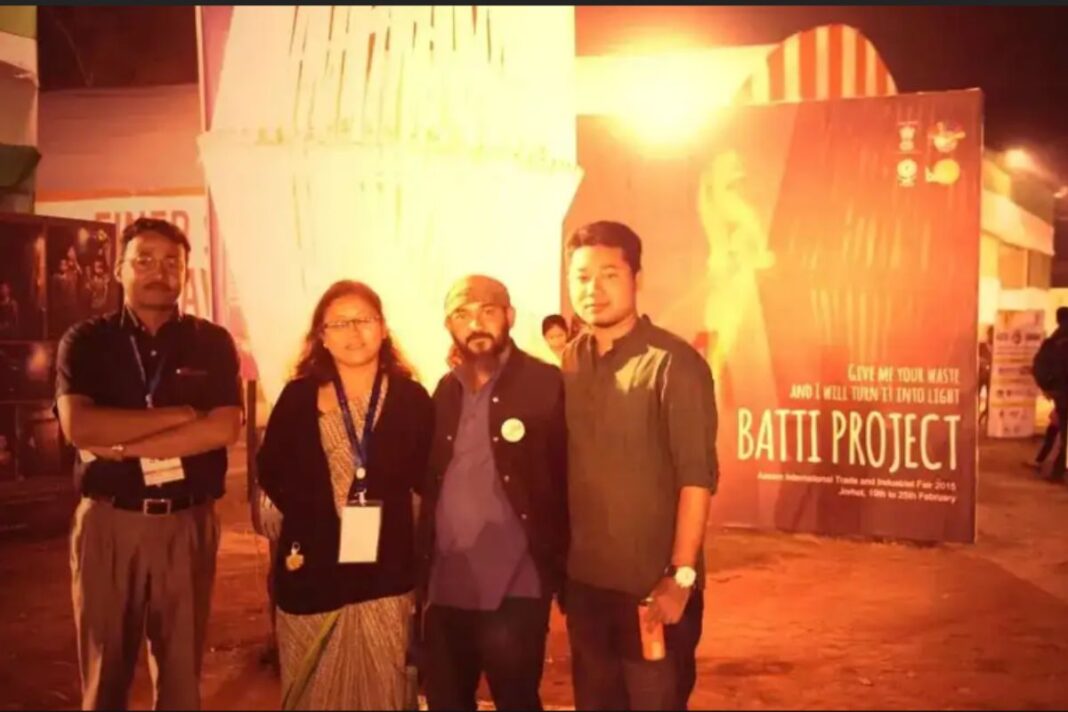
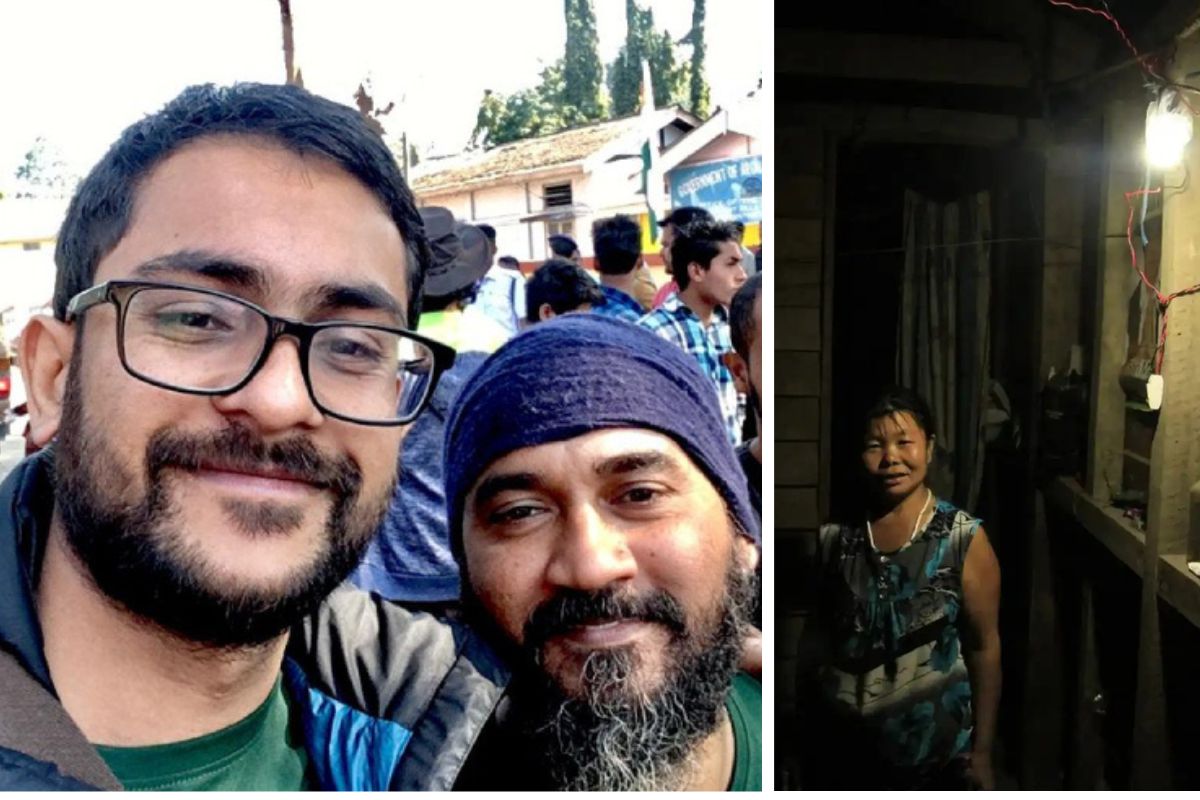
In 2010, Merwyn Coutinho and Rajiv Rathod stumbled into this world by choice. What began as an impulsive seven-day trek became, over the years that followed, one of the more quietly consequential acts of grassroots development in northeast India. Their venture, the Batti Project, has since brought solar electricity to 273 homes across 29 tribal villages in the Lower Dibang district.
The night Merwyn and Rajiv arrived in Gandhigram, villagers borrowed the travelers’ tent lamps to cook dinner and help their children finish schoolwork. The men were struck not by the poverty but by its specificity: families could not choose when to end their day. Darkness made that choice for them.
They returned the following Christmas with 120 solar lamps as gifts.
From Gesture to Movement
The response to those lamps was not quite gratitude. It was commotion. Neighboring villages heard what had arrived in Gandhigram and sent word to the two men. Could something similar come to them? The demand did not come from a funding body or a government scheme. It came from people who had seen light in a nearby hut and wanted it in their own.
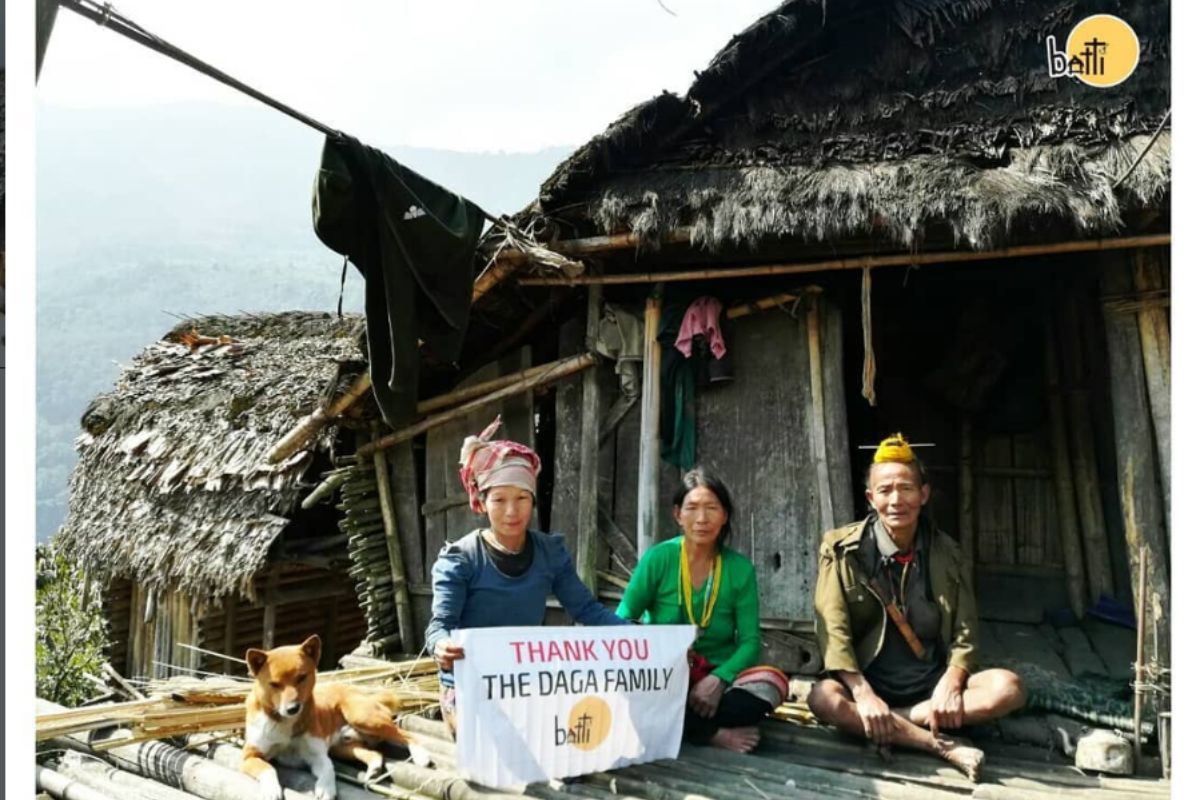
That shift, from charitable gesture to community-driven project, is the detail that separates the Batti Project from most well-intentioned rural interventions. Merwyn and Rajiv arrived without a plan. They arrived with gifts, and the plan arrived afterward, shaped by what communities actually asked for.
The name they chose said it plainly. Batti means light in Hindi.
The Kit and the Walk
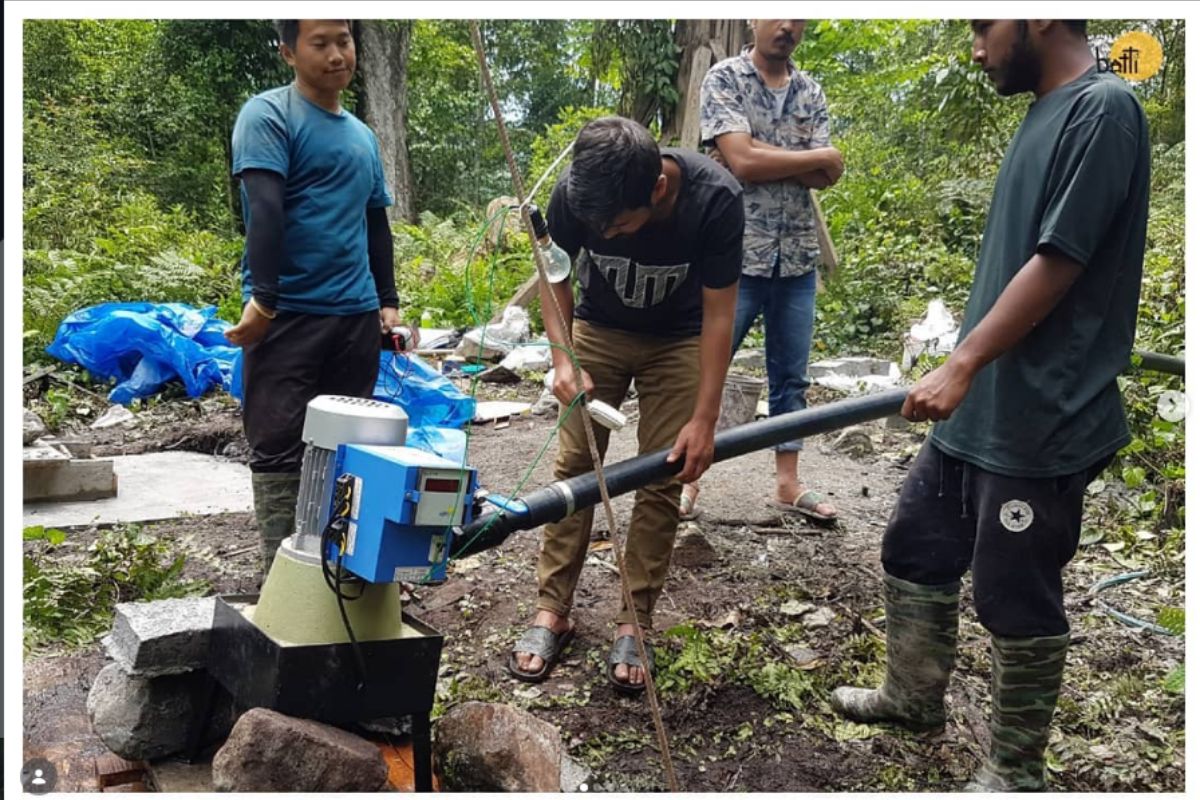
Each household receives what the project calls a Batti kit, procured from Barefoot Power, an Australian manufacturer of solar lighting systems. The cost of lighting one home, including procurement, transport, and installation, is roughly 10,000 rupees, or about 120 dollars.
That figure covers a journey that would test most supply chains. Kits travel by train and truck to the last point a vehicle can reach. From there, team members carry them on foot through jungle paths, sometimes walking for days to reach the destination village. Tribe members from nearby towns, who know both the terrain and the communities, accompany the team and remain afterward to train residents on operating and maintaining the equipment.
The training is not incidental. It is the point. The project’s stated aim is not to create dependence on outside help but to leave each village capable of managing its own system. Merwyn identifies young people in each community who are willing to learn the technical aspects. Over time, these individuals become the local resource the village turns to.
Funding by Pedal and by Scrap
The Batti Project runs on two unconventional revenue streams, both of which carry an environmental argument alongside the financial one.
The first is e-waste collection. In 2015, the team began collecting discarded electronics and selling them to ER3 Solutions, a certified e-waste processing firm, for segregation and recycling. In one year, five tonnes of collected material generated enough revenue to electrify approximately thirty more homes. The logic is clean: unwanted devices in cities become light in remote villages, and they do not end up in landfills along the way. Similar operations now run in Delhi and Mumbai.
The second stream is the Ride to Light, a ten-day, three-hundred-kilometre cycling event through the Dibang Valley. Participants raise funds, and each rider’s contribution typically covers the cost of lighting three to four homes. The ride draws public attention to the project and brings cyclists into a landscape they would not otherwise see.
Together, these two campaigns have funded the project’s expansion to its current scale.
What the Light Changed
Before solar kits arrived, studying after dark meant borrowing a torch. The borrowed torch had to go back. The child’s homework stopped when the torch was left.
That is what changed first. Children in the twenty-nine villages now study in the evenings without waiting for someone else to finish with their light. Families complete cooking, cleaning, and daily tasks on their own schedule. The philosophical weight of this sits in a single detail: when residents now switch off their lights, it is their own decision. That was not previously the case.
The Batti Project is careful not to overstate what electricity alone can accomplish. Solar panels do not guarantee improved examination results, and the team knows this. What they provide is access to the possibility of learning after dark, which is foundational to everything else.
Waste, Tourists, and the Ecosystem That Followed
As the Ride to Light brought cyclists into the valley, villagers learned new skills. They began hosting visitors, setting up simple campgrounds, and serving meals to tourists. Eco-tourism, modest but real, took root alongside the solar project.
It also brought plastic. Riders carry water bottles and food packaging. Tourists leave waste in places that had no waste before. The Batti team recognized the problem early and responded by working with village communities to collect, sort, and send plastic for recycling. What might have become a secondary environmental cost turned into an organised local effort.
Further and Beyond, the non-profit registered by Merwyn and Rajiv now encompasses this broader ecosystem: solar lighting, technical training, waste management, and community-led eco-tourism. The lighting project that began it all remains the core, but the organisation’s work has grown outward along the lines of actual need.
The Logic of Demand
What the Batti Project demonstrates, if anything, is that the most durable development work responds rather than prescribes. Merwyn and Rajiv did not design a solution and then seek a community to apply it to. A community identified a problem, and they found a way to help. Neighbouring communities asked for the same. The project grew because people wanted it to.
“People came and asked us, and we responded, we facilitated,” Rajiv has said. “Everything has happened because the community wanted it.”
This is harder to achieve than it sounds. Most interventions begin with a theory and a target population. This one began with Christmas gifts and an open question.
273 Homes
The number stands as both a fact and a measure. In Lower Dibang district, 273 tribal homes across 29 villages now have electricity, a development that did not exist before two men carried a bag of lamps into the forest in 2011. Several more villages have since contacted the project with their own requests.
Gandhigram, where the story started, now has solar panels on most of its homes. The lush jungle around it is unchanged. The nights are not.
Also Read:Titan Watches: Real and Reel Story of India’s Symbol of Innovation and Pride
You can connect with DNN24 on Facebook, Twitter, and Instagram and subscribe to our YouTube channel.