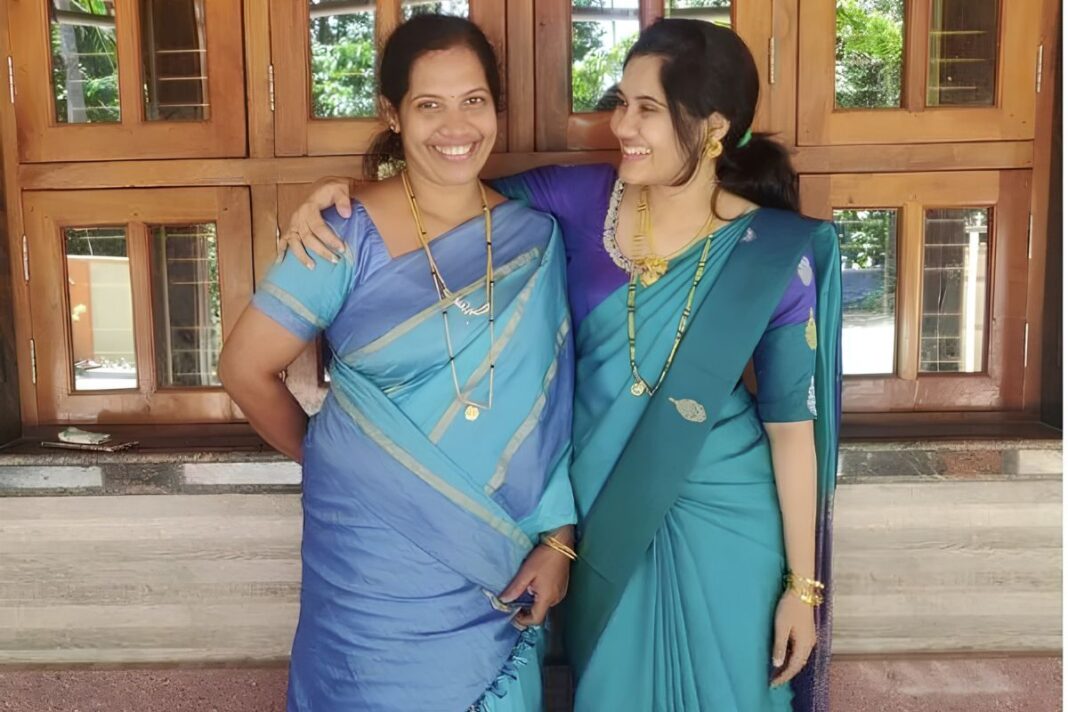

The average Indian household discards approximately 500 kilograms of waste annually, most of which ends up in landfills. In Kerala’s Posadi Gompe region, Anjali Pavan and her mother decided to reverse this trajectory. Their experiment with discarded materials has produced a garden that now provides fresh produce while eliminating their household’s contribution to the state’s mounting waste crisis.
The Japanese Connection
Anjali encountered the method during a routine visit to her mother’s friend in 2023. The host had created Kokedama, a Japanese gardening practice where plant roots are wrapped in moss and soil to form suspended spheres. The technique originated centuries ago as a space-efficient alternative to traditional pottery, particularly useful in Japan’s cramped urban quarters.
The term translates directly to “moss ball” in English. Practitioners bind plant roots with a mixture of akadama soil, peat moss, and clay, then wrap the bundle in sheet moss before securing it with twine. The result is a portable planter that requires no container and can be suspended from ceilings or placed on surfaces.
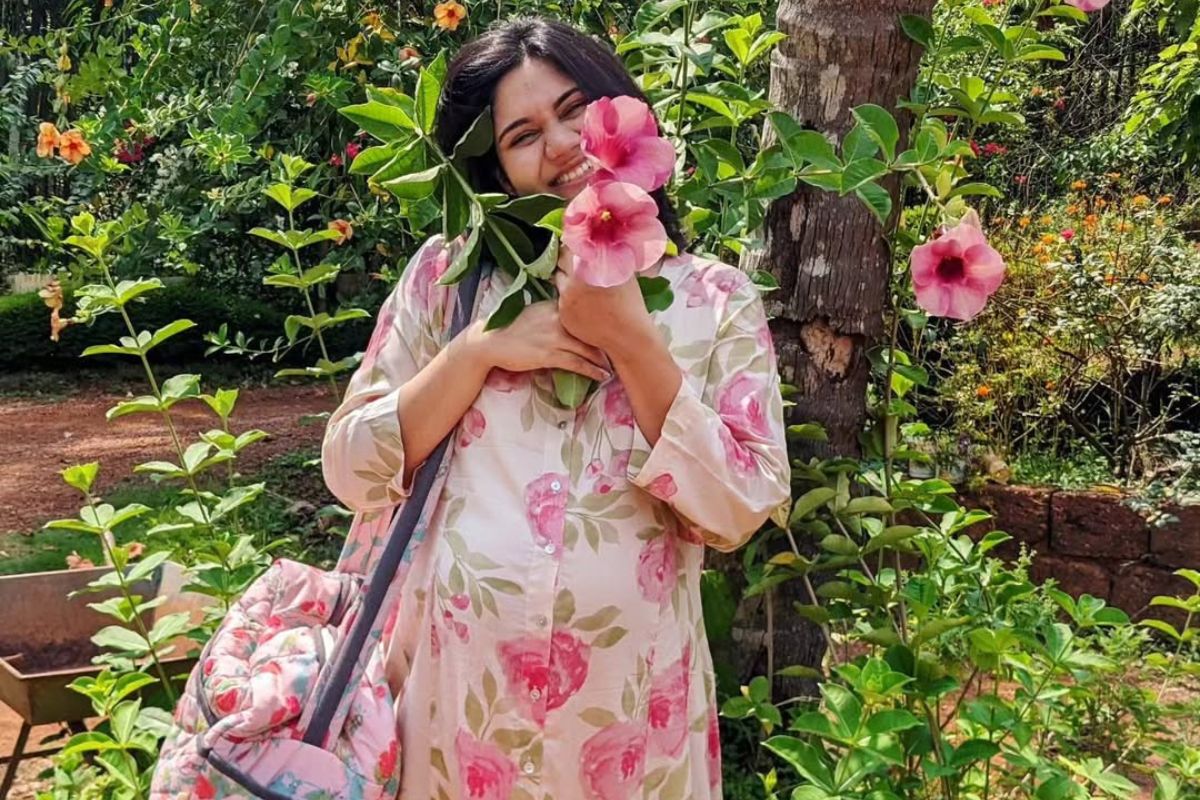
Kerala’s climate proved surprisingly compatible. The region receives between 2,000 and 3,000 millimetres of rainfall annually, creating humidity levels that suit the moisture requirements of Kokedama. Anjali began with fern and pothos cuttings, species that tolerate the method’s weekly-soaking watering schedule rather than daily irrigation.
A Partnership Forms
As the collection expanded beyond twenty plants, maintenance became demanding. Her mother, known as Amma within the family, observed the growing operation and suggested modifications. Amma had spent years working with textiles and small crafts. She proposed using household discards instead of purchasing conventional planters.
The collaboration developed practical roots. Their home had limited ground space, making vertical arrangements necessary. Commercial hanging pots cost between 300 and 500 rupees each. Waste materials cost nothing and often require minimal preparation.
Amma introduced tyres first. Kerala generates thousands of discarded vehicle tyres monthly. She cut them horizontally, creating rings that could be stacked and filled with soil. The rubber proved durable against monsoon conditions and resistant to the fungal growth that plagues wooden containers in humid environments.
Materials and Construction
The inventory of repurposed items expanded systematically. Plastic bottles became drip irrigation systems when inverted with perforated caps. Paint cans and metal drums were thoroughly cleaned to remove chemical residues, then used to accommodate larger shrubs and vegetable plants. Coconut shells, abundant in a state where coconut cultivation remains economically significant, served as natural vessels after drilling drainage apertures.
Old clothing presented particular potential. Amma fashioned tiered planters by sewing pockets into worn sarees and cotton shirts, stuffing them with potting mix, and suspending them vertically. The fabric allowed root aeration while retaining sufficient moisture. This technique mimicked commercial felt planters that retail for over 800 rupees but cost virtually nothing to produce from materials otherwise destined for disposal.
The soil composition required adjustment. Kerala’s laterite soil, rich in iron and aluminium but poor in nitrogen and phosphorus, needed amendment. They mixed it with cocopeat and vermicompost generated from kitchen waste. This blend improved water retention during the dry months between November and March while providing nutrients during active growth periods.
Measured Results
The garden now occupies every available vertical surface. Walls support tyre stacks blooming with marigolds and herbs. Bottle towers host trailing vines that descend from ceiling hooks. Cloth planters create layered arrangements that maximise space utilisation in their modest property.
Production extends beyond ornamental value. Curry leaf plants yield approximately two kilograms of fresh leaves monthly. Chilli plants produce enough fruit to meet household consumption needs. Herbs like mint and basil grow continuously, eliminating the need to buy them at the grocery store.
Water consumption decreased measurably. Kokedama requires 30 to 50 per cent less water than conventional pot culture because the moss coating reduces evaporation. During Kerala’s summer months, when the municipal water supply becomes irregular in some districts, this efficiency matters practically.
The family documented their work through Instagram under the account @riddhiplants.in. Posts began attracting views in the thousands, then tens of thousands. Comments frequently requested specific guidance on replicating techniques.
Kerala’s Waste Context
The state generates approximately 3,500 metric tons of solid waste daily. Segregation rates remain below national targets despite literacy rates exceeding 94 percent. Waste accumulates in open dumps where monsoon rains create leachate that contaminates groundwater supplies.
Government initiatives like Haritha Karma Sena employ women to manage municipal refuse through decentralised processing. These efforts have reduced dump volumes, but cannot address all household waste. Plastic accounts for roughly 60 per cent of the total, with single-use items dominant.
Anjali’s approach addresses this gap by reducing the number of sources. Each upcycled planter diverts materials from collection systems already operating beyond capacity. A single tyre weighs between six and nine kilograms. Their garden has repurposed approximately forty tyres, preventing 300 kilograms from reaching disposal sites.
Similar grassroots movements exist across Kerala. In Kannapuram, a women’s collective transformed discarded garments into planters, generating monthly incomes of 25,000 rupees per participant through sales. These examples suggest the potential to scale beyond individual households.
Technical Specifications
Creating Kokedama requires specific steps. Select a plant and remove it from its current container. Trim roots to form a compact ball roughly eight to ten centimetres in diameter. Mix one part akadama soil with one part peat moss and enough clay to create a moldable consistency when moistened.
Shape the mixture around the root ball, compacting firmly to eliminate air pockets. Wrap the sphere in sheet moss, available from garden suppliers at approximately 150 rupees per 500 grams. Bind with cotton twine in a crisscross pattern to ensure stability. Suspend using a fishing line or place on waterproof surfaces.
Maintenance involves weekly soaking in a water basin for ten to fifteen minutes until the moss appears saturated. Fertilise monthly with diluted vermicompost tea at a ratio of one part compost to ten parts water. Rotate the ball quarterly to ensure even light exposure.
For upcycled containers, preparation varies depending on the material. Tyres require washing to remove petroleum residues. Drill multiple drainage holes in the lower curve. Layer with two centimetres of gravel before adding soil to prevent waterlogging. Plastic bottles need careful cutting to avoid sharp edges that could damage plant stems.
Economic and Social Dimensions
The financial savings accumulate beyond eliminating pot purchases. Commercial potting soil costs approximately 40 rupees per kilogram. Their homemade mix, combining free laterite with vermicompost and bulk-purchased cocopeat, costs less than 10 rupees per kilogram. Over two years, this has saved an estimated 15,000 rupees.
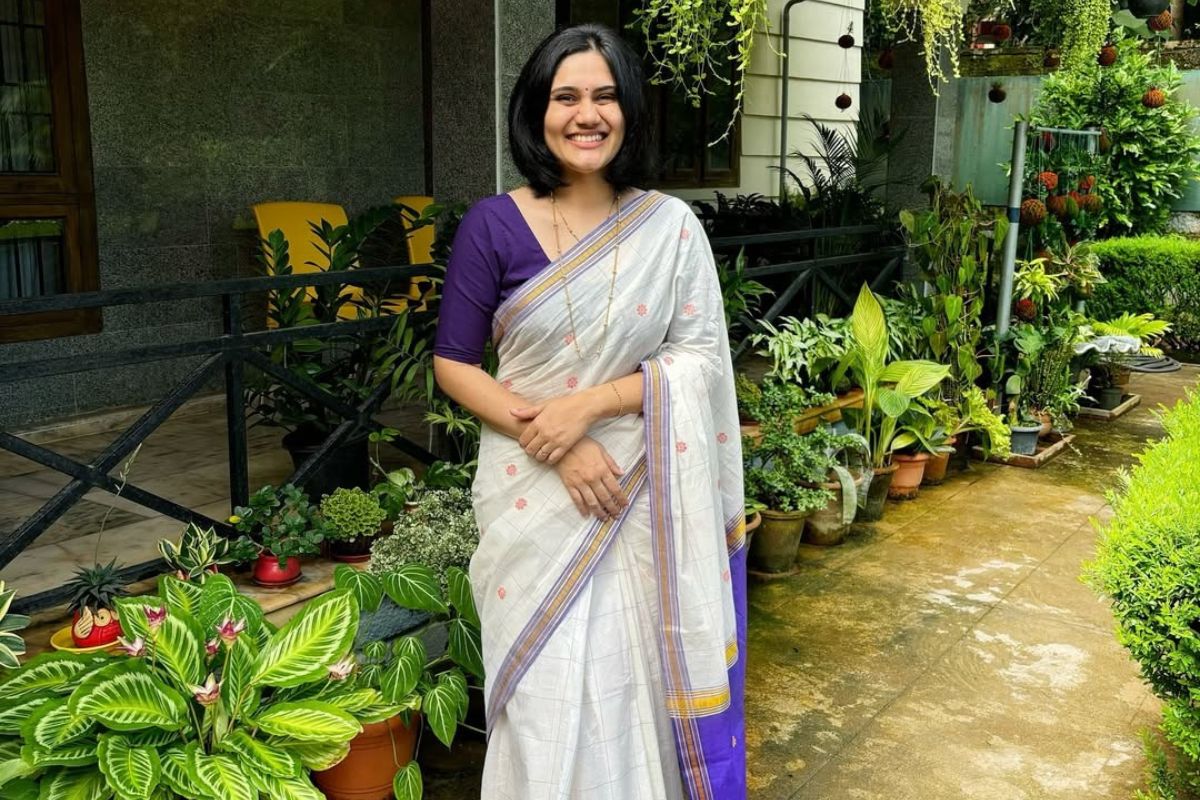
The project strengthened family dynamics through shared purpose. Amma, retired from formal employment, found renewed engagement. Anjali gained practical knowledge that complemented her previous interests. Neighbours began visiting to examine techniques, creating an informal knowledge exchange.
Practical Applications for Others
Replication requires modest investment. Begin with a single Kokedama using a pothos cutting, which roots easily and tolerates beginner errors. Source waste locally to avoid transportation costs. Ensure materials contain no toxic residues by cleaning thoroughly or avoiding items that hold hazardous substances.
Layer soil carefully to prevent compaction that restricts root growth. In humid climates, reduce watering frequency to reduce the risk of fungal issues. Scale operations gradually, realistically assessing space and time availability. Document progress photographically to maintain motivation and share knowledge with local communities.
The costs remain minimal. Most Kokedama balls cost under 100 rupees to create, while upcycled planters often require zero monetary investment. This accessibility makes the approach viable across economic strata.
Broader Applications
Anjali and Amma demonstrate that waste reduction and food production can coincide through creative adaptation of traditional techniques. Their garden transforms materials typically viewed as environmental liabilities into functional components of a productive system. The model requires no specialised training or expensive equipment, suggesting broad applicability across urban and suburban settings facing similar waste management challenges.
Also Read: Traditional Odisha Wedding Eliminates Plastic for Guests
You can connect with DNN24 on Facebook, Twitter, and Instagram and subscribe to our YouTube channel.