
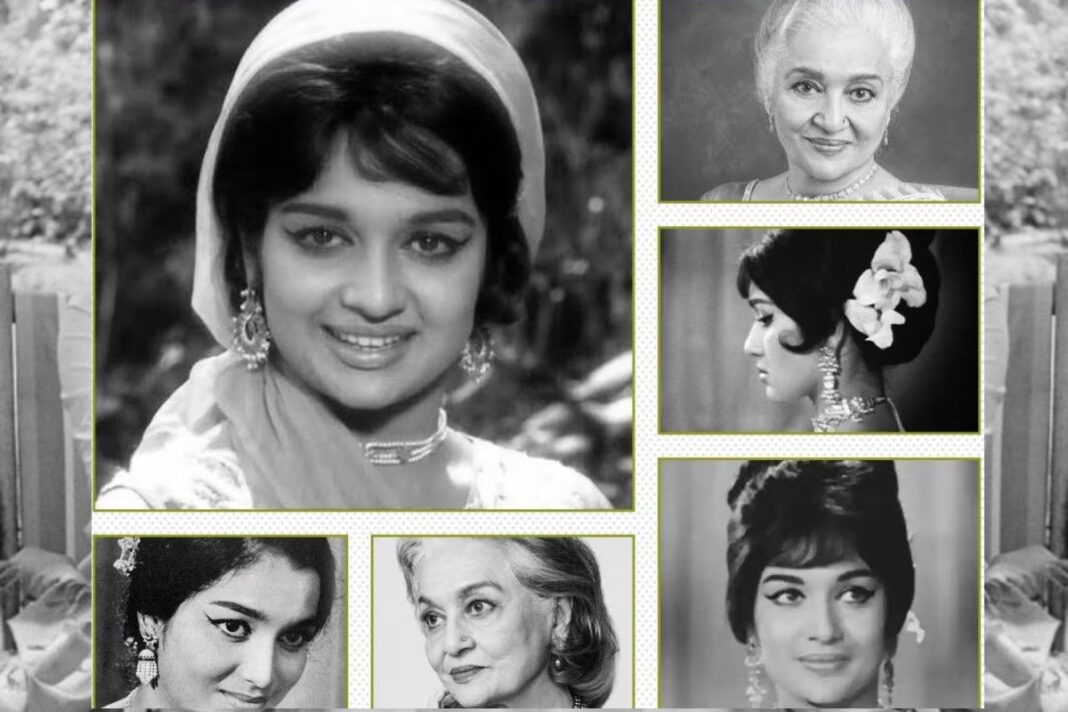

From disciplined classical training to unforgettable screen presence, Asha Parekh carried rhythm, grace, and emotional clarity into Hindi cinema, shaping stardom through movement before dialogue. On the same day India honours its greatest freedom fighters, a small girl entered the world who would dance her way into the hearts of millions. That October 2nd baby, sharing her birthday with Mahatma Gandhi and Lal Bahadur Shastri, was Asha Parekh, and her life story reads like the very films she would grace.
A Freedom Fighter’s Daughter
Few people know that Asha Parekh almost made her entry into the world inside a jail cell. Her mother, Sudha Parekh, was not just an ordinary woman. She was a freedom fighter, marching in the streets of Bombay during the 1942 Quit India Movement, visibly pregnant and undeterred. It was only when her uncle spotted her leading a procession and rushed to inform her father-in-law that Sudha reluctantly left the march. Had fate taken a different turn, Asha might have been born behind bars, adding an extraordinary chapter to her already remarkable story.
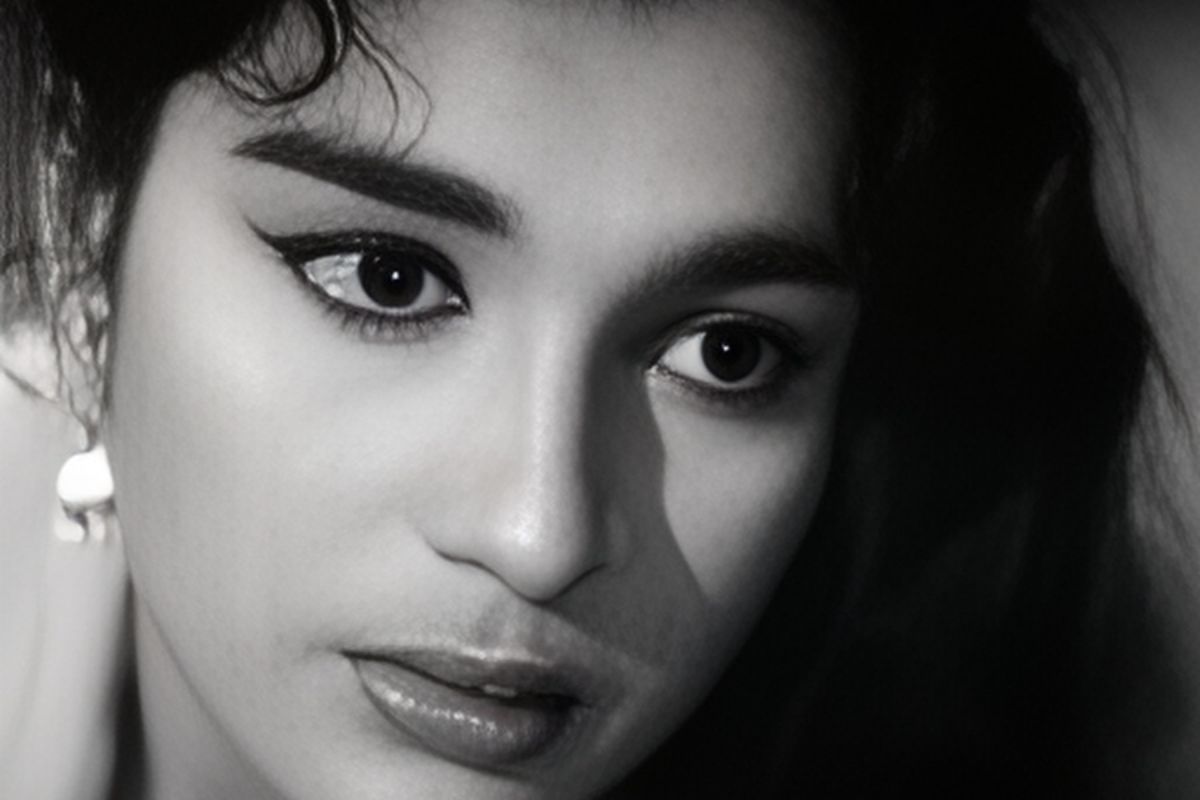
Growing up in Mumbai, young Asha showed an early passion for dance. Music would play, and her feet would move on their own. Her mother noticed this natural inclination and decided to nurture it. But it was actor Premnath who truly set things in motion.
The Dancing Girl Who Caught an Actor’s Eye
One evening, at the home of his chartered accountant, Premnath watched a young girl dance. He was so impressed that he immediately brought director Bimal Roy and actress Meena Kumari to see her perform. What started as a simple hobby was about to become destiny.
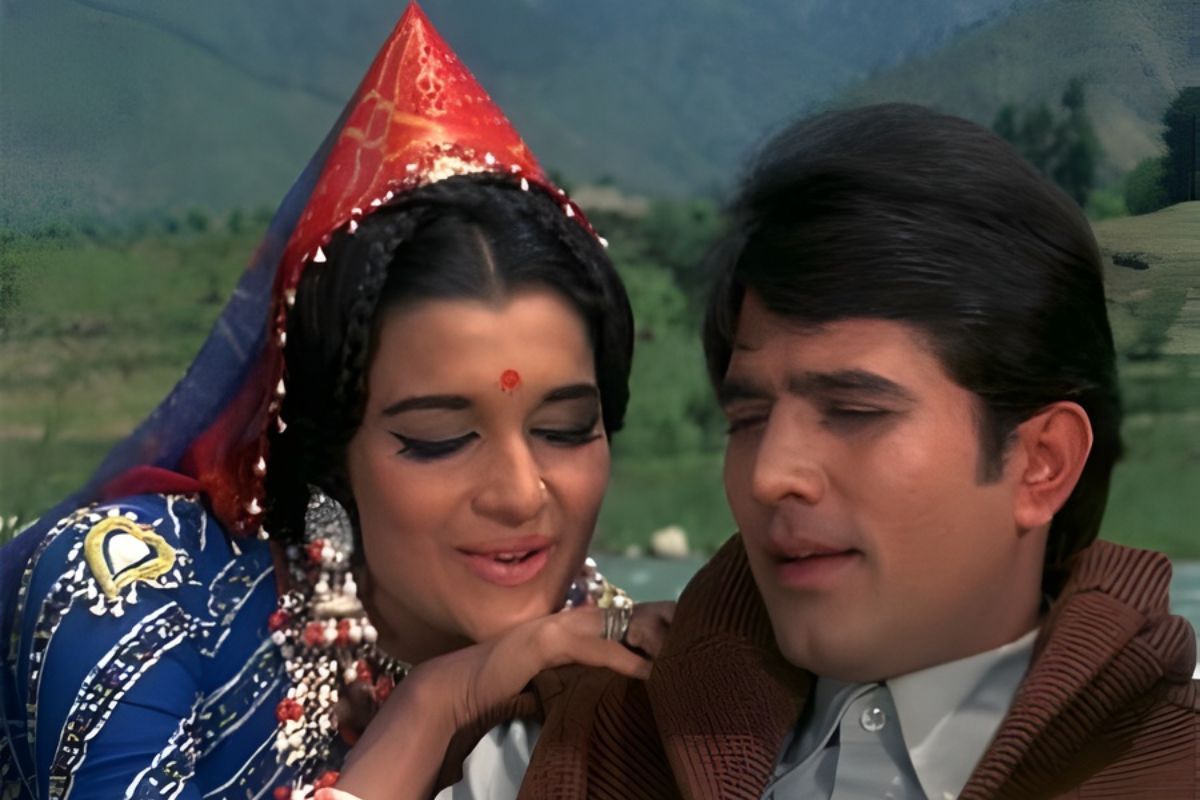
When Asha’s school planned a function, her mother invited Premnath as the chief guest. He accepted on one condition: Asha must dance. There was just one problem. The girl could dance naturally, but she had no formal training, no choreographed routine ready for a stage performance. Her mother, resourceful as ever, took her to the late Mohanlal Pandey, a kathak teacher, with just ten days to prepare. That hurried item number became the foundation of a stellar dance career.
The Heartbreak That Almost Ended Everything
Success in films rarely comes without setbacks. Asha faced hers early. Director Vijay Bhatt cast her in the lead role of Goonj Uthi Shehnai after seeing her in a small part in Chaitanya Mahaprabhu. She began shooting, full of hope and excitement. Then came the crushing blow. After just two days of filming, Bhatt called her mother and declared that Asha was not star material. She would never make it as a leading lady.
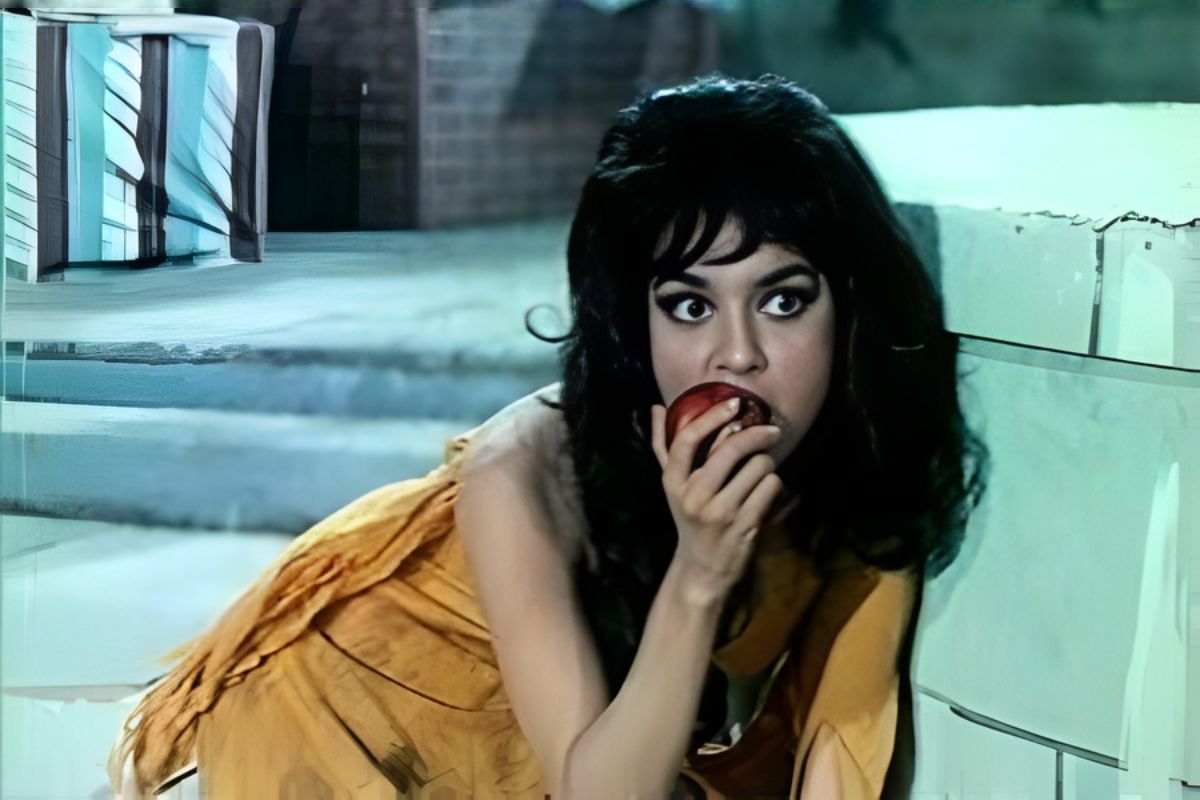
The role went to Ameeta. For a young girl who had already tasted the thrill of being in front of the camera, this rejection stung deeply. Asha lost all interest in films. Adding to her frustration, her mother had given her word to Vijay Bhatt that Asha would not sign any other picture until he was released. Director S. Mukherjee wanted to cast her, but that promise bound her. She felt trapped, rejected from one film and unable to pursue another.
When Fortune Smiled at Sanjiv Studio
Just a week after the Vijay Bhatt disappointment, Asha attended a muhurat at Sanjiv Studio. There, S. Mukherjee spotted her again. He asked her to join his acting school. Still hurting from rejection, Asha attended half-heartedly, showing up for two days, disappearing for six. She had no genuine desire to return to the film industry.
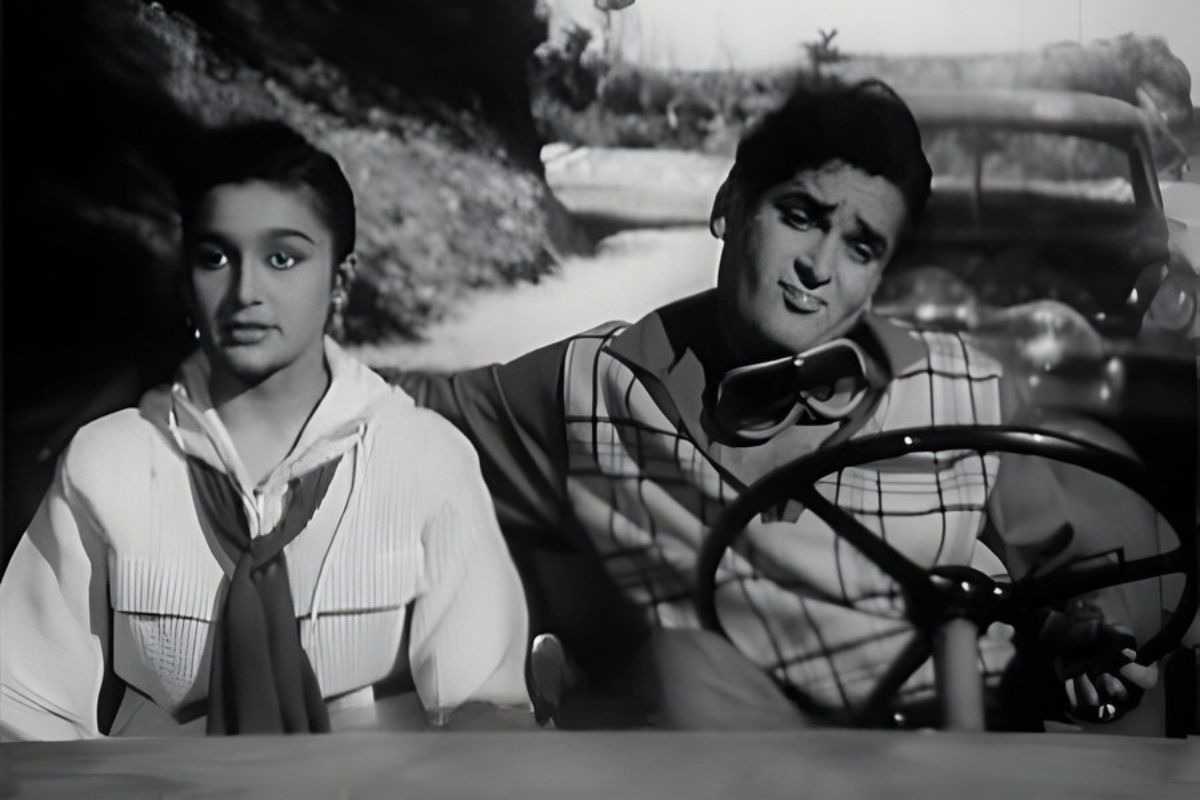
But Mukherjee persisted. He was preparing to make Dil Deke Dekho and had narrowed down his heroine choice to two young actresses: Asha Parekh and Sadhana. He devised a screen test. Each girl would shoot one scene on one day. Whoever performed better would get the role. Asha won. Sadhana went on to star in Love in Shimla, also produced by Mukherjee. Both films were released successfully, launching two careers that would define Hindi cinema for decades. Dil Deke Dekho was released on October 2, 1959. On her seventeenth birthday, Asha Parekh became a star.
Learning the Craft from Shammi Kapoor
Working with Shammi Kapoor in Dil Deke Dekho proved transformative. The energetic star noticed that Asha struggled with lip-syncing. Rather than letting her fumble, he patiently taught her how to match her lip movements to playback songs. The song Aaye Din Bahar Ke required careful coaching. Asha watched Shammi so closely that she unconsciously began imitating his style, a trait that audiences noticed and loved.
Their bond went beyond professional courtesy. Asha called Shammi Chacha. His wife, Geeta Bali, adored the young actress so much that she would lift Asha on her shoulders during shoots and playfully suggest adopting her. That warmth, that generosity of spirit, made working in films feel less like an industry and more like family.
From Star to Artist
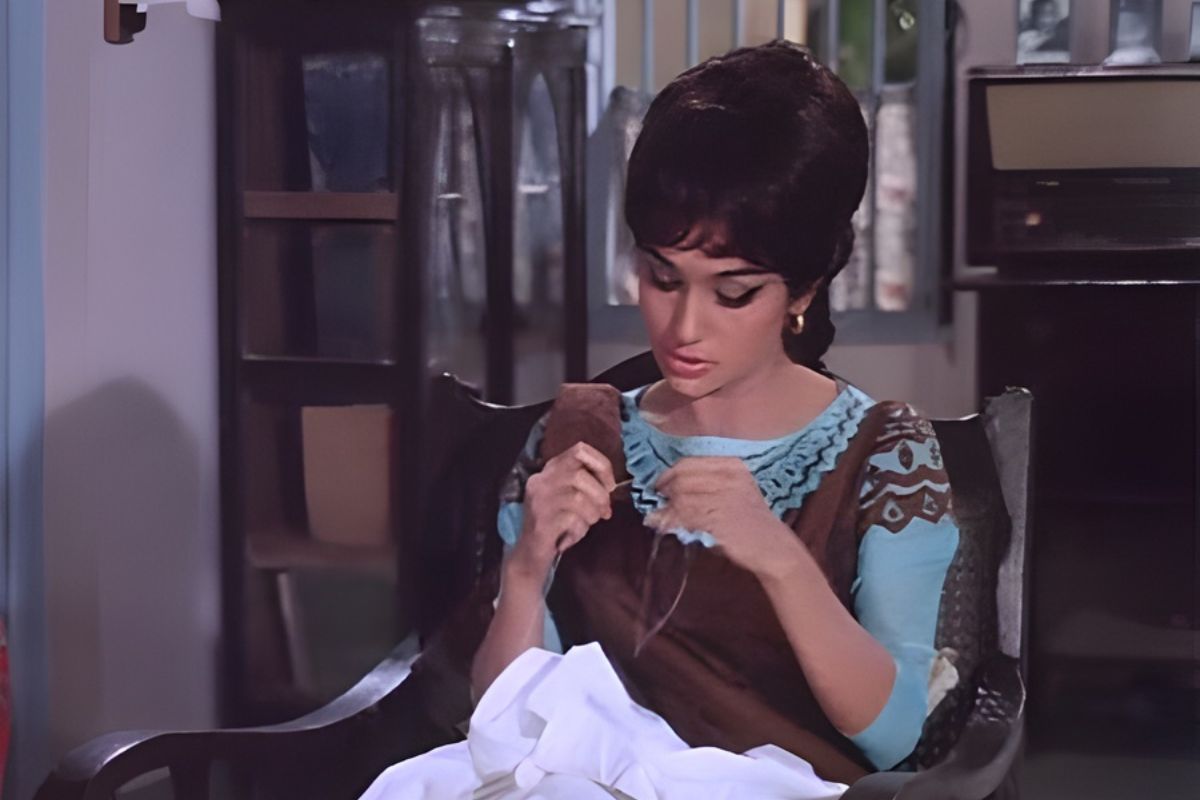
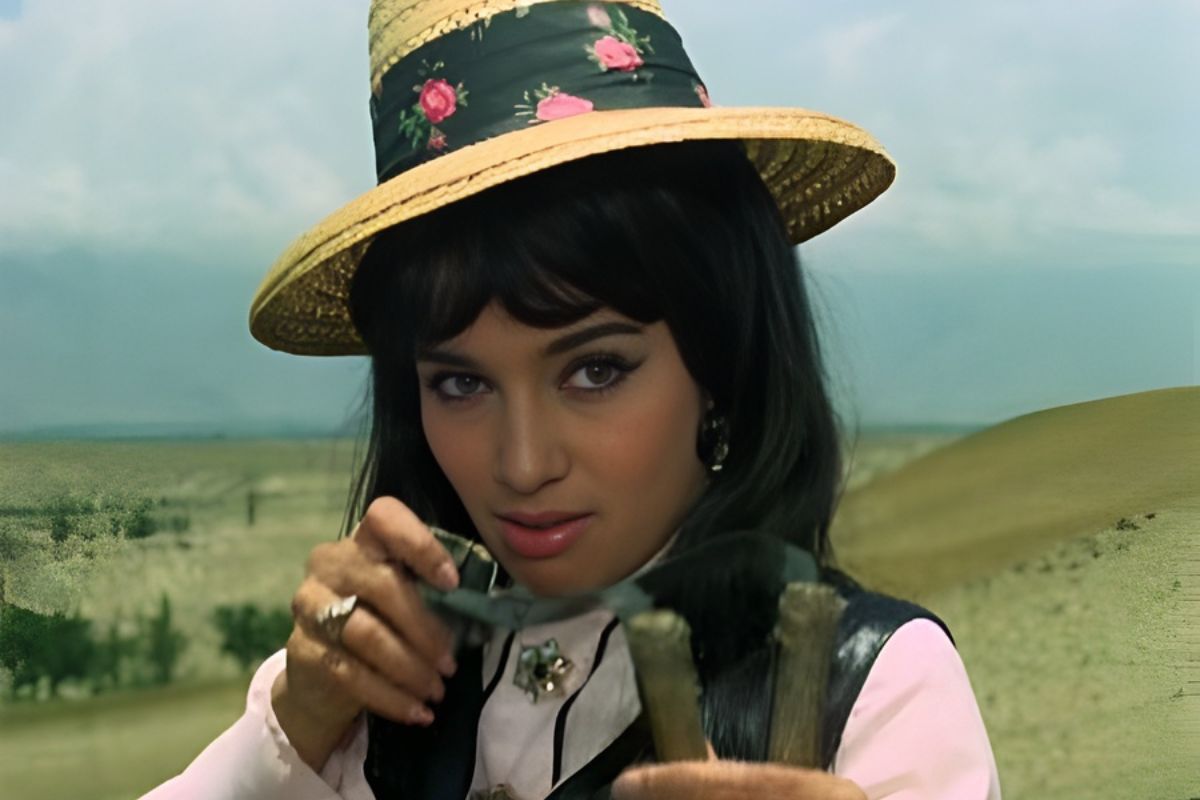
Being a star and being an actor are different things. Asha achieved stardom with Dil Deke Dekho, but critics did not immediately accept her acting skills. That recognition came later with Do Badan, where her nuanced performance convinced reviewers she could truly act. Films like Chirag and Main Tulsi Tere Aangan Ki further cemented her reputation as a performer capable of depth and emotion. By the time Kati Patang was released, earning her the Filmfare Award for Best Actress, nobody doubted her talent.
No Rivalry, Just Professional Jealousy
The 1960s and 70s saw several leading ladies vying for top roles. Asha, Sadhana, and Saira Banu often found themselves competing for the same projects. Yet when Sadhana later recalled those years, she mentioned there was no real rivalry. If a role required a dancer, it went to Asha. If it needed a beautiful face, Saira got the call. Performance-driven roles landed with Sadhana. Each actress had her strength.

Asha admits there was professional jealousy. How could there not be? Everyone watched which films were hits, which songs became popular. But this never translated into personal animosity. When they met, they greeted each other warmly. Competition existed, but respect did too.
Beyond the Silver Screen
Asha’s ambitions extended beyond acting. She directed television shows and later became chairperson of the Central Board of Film Certification. Her tenure was not without controversy. When director Shekhar Kapur’s Elizabeth came up for certification in India, Asha refused to grant it a U certificate and instead offered an A certificate. Kapur protested, but Asha stood firm. The film had received a restricted rating abroad. Why should India give it unrestricted access? The matter went to a tribunal, which sided with Asha and granted a UA certificate after some cuts.
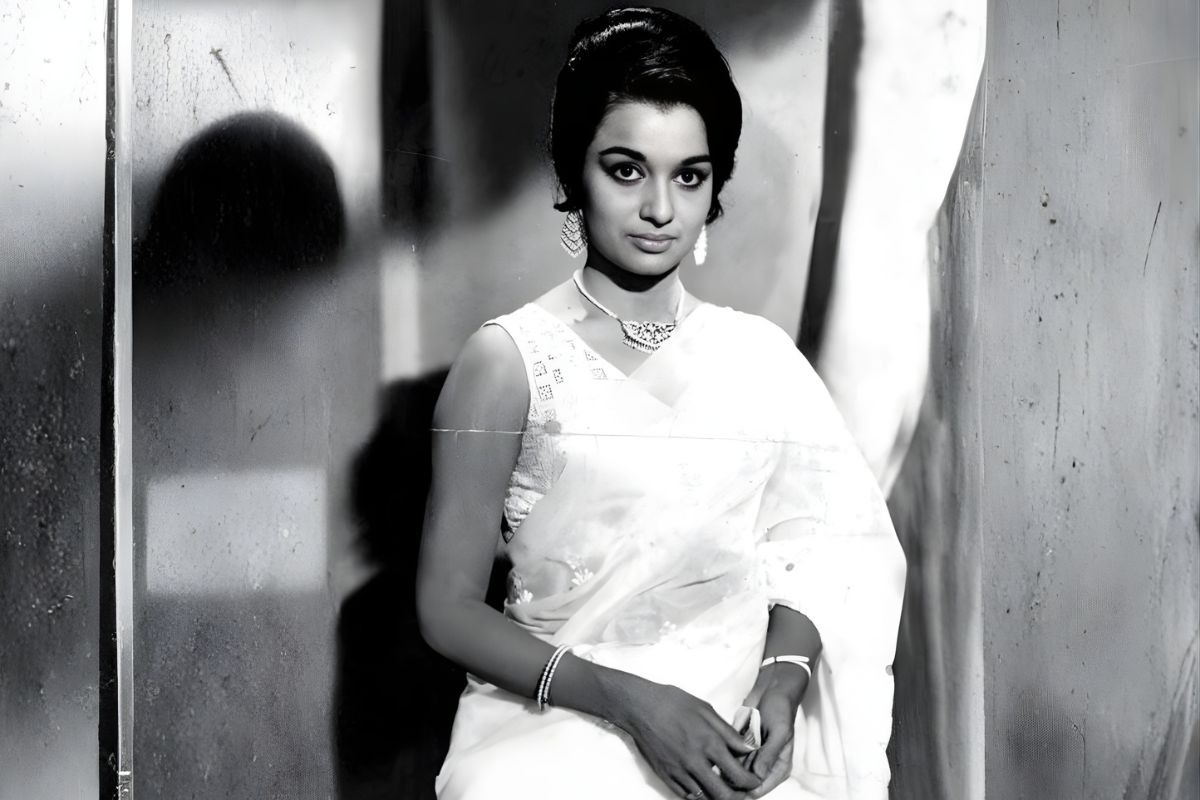
Her mother, the freedom fighter who once marched while pregnant, had always been a social worker. She worked at a hospital, and when Asha became famous, the family donated an entire medical and surgical ward. Asha had once dreamed of becoming a doctor. Though films took her in another direction, she stayed connected to healthcare. Today, the hospital bears her name: the P.C.J. Hospital and Asha Parekh Research Centre. When union issues forced the hospital to shut down for eighteen months, Asha worked tirelessly to reopen it. Amitabh Bachchan attended the relaunch, adding his star power to support her cause.
A Unique Home for a Unique Star
At the height of her career, Asha commissioned architect Nari Gandhi, an assistant to the legendary Frank Lloyd Wright, to design her home. Built entirely from red stone, the house became a talking point across India. Its unique style reflected the woman who lived in it. A dancer who became an actress. An actress who became a director. A star who became a social worker. Asha Parekh defied easy categorisation.
Songs That Defined an Era
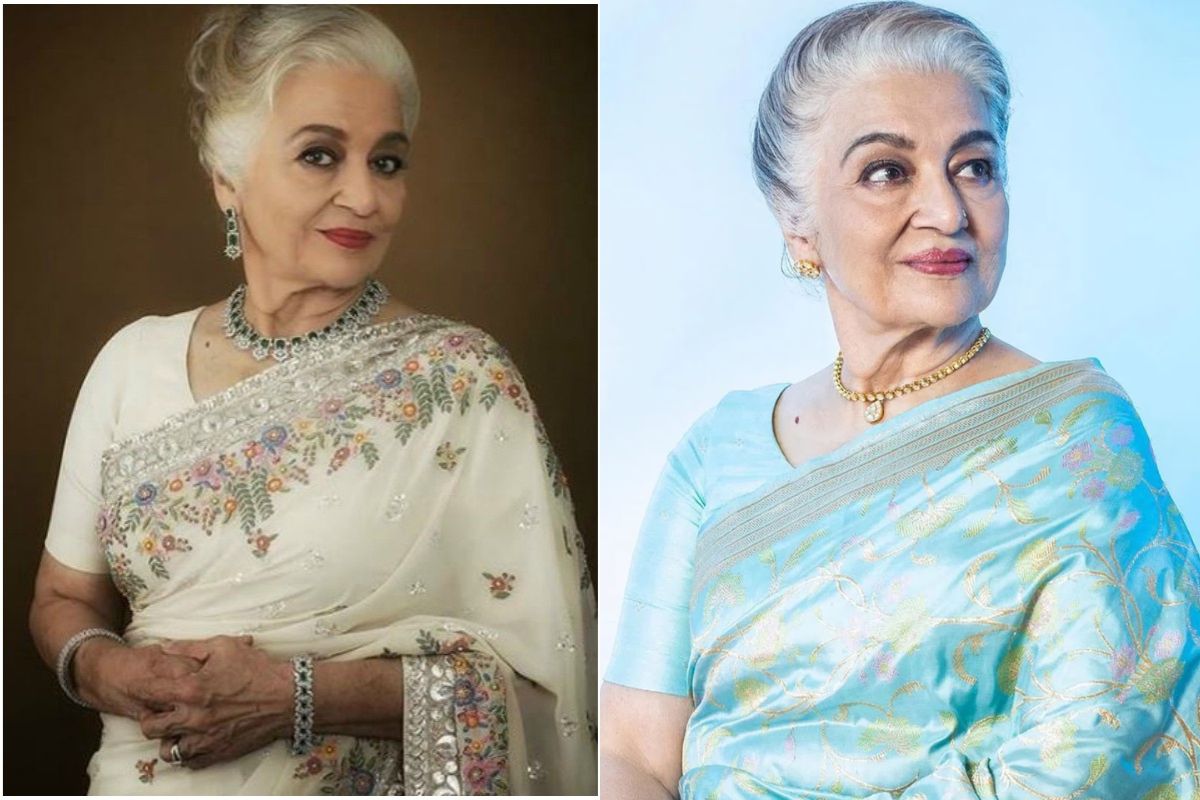
Ask Asha about her favourite songs filmed with her, and the list flows easily. Jaiye Aap Kahan Jaayenge. Suno Sajna. Aaye Din Bahar Ke. Daiya Re Daiya Kahan Phansi Hai from Caravan. Teri Aankhon Ke Siva Duniya Mein Rakha Kya Hai, composed by the maestro Madan Mohan. O Mere Sona Re. Each melody carries memories of a time when playback singers and on-screen performers created magic together, when cinema felt larger than life.
A Birthday Worth Remembering
October 2 is a date Indians never forget. It marks the birth of Gandhi and Shastri, two leaders who shaped the nation. When people ask Asha how it feels to share her birthday with such towering figures, she laughs. Nobody can forget my birthday, she says. October 2 is a reminder not just of political history but also of cultural history. The girl born on that day danced her way into film studios, survived rejection, learned her craft, and became one of Hindi cinema’s most beloved stars.
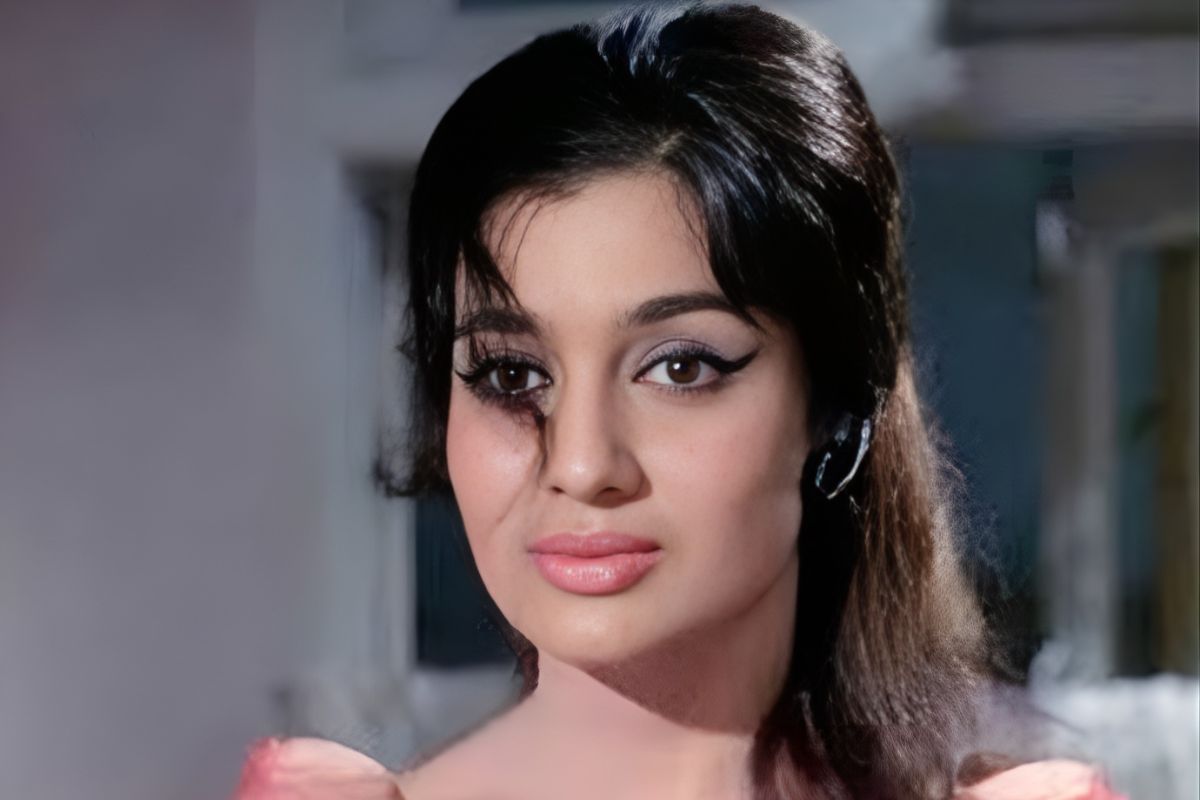
Her story is not just about success. It is about resilience, passion, and the quiet determination to keep moving forward, even when the world says you are not good enough. Asha Parekh proved them wrong, one dance step, one song, one unforgettable performance at a time.
Also Read: Manna Dey: The Singer Who Let the Song Speak First
You can connect with DNN24 on Facebook, Twitter, and Instagram and subscribe to our YouTube channel.