

Every city has a story. Some stories disappear with time, while others live on for centuries because of the people and characters connected to them. In our lives too, there are countless stories- some known, some forgotten. Every story has a character, and every character opens the door to another tale.
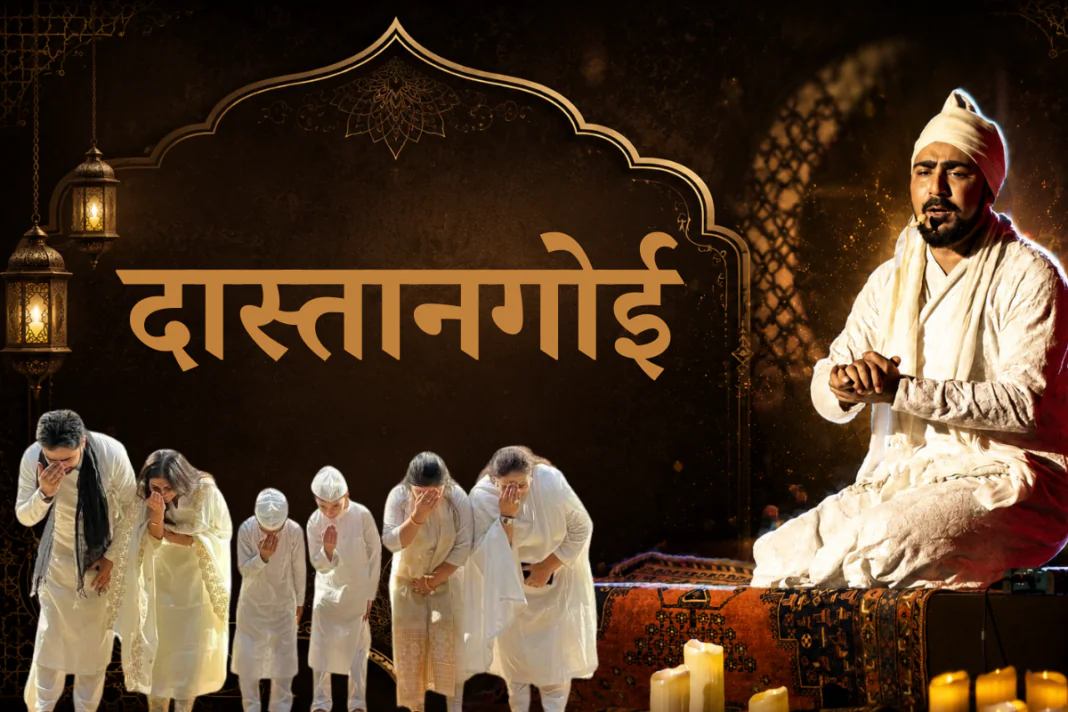
India’s cultural history is full of such stories. One of the most beautiful traditions is the ancient art of Urdu storytelling, also known as Daastangoi. This art not only entertained people but also reflected the culture, emotions, traditions, and imagination of Indian society.
The Golden Age of Daastangoi
During the 18th and 19th centuries, Daastangoi reached great heights. Storytellers would sit in royal courts, old city gatherings, markets, and community spaces and narrate magical tales for hours.
These storytellers brought characters like Amir Hamza, brave warriors, clever spies, magical kingdoms, and mysterious worlds to life. Their words drew pictures in the minds of listeners. Every pause carried suspense, and every sentence felt full of emotion and wonder.
People did not simply listen to stories — they experienced them.
A journey of feeling and imagination
Daastangoi was never only about entertainment. It was also a way to awaken emotions, imagination, and human understanding.
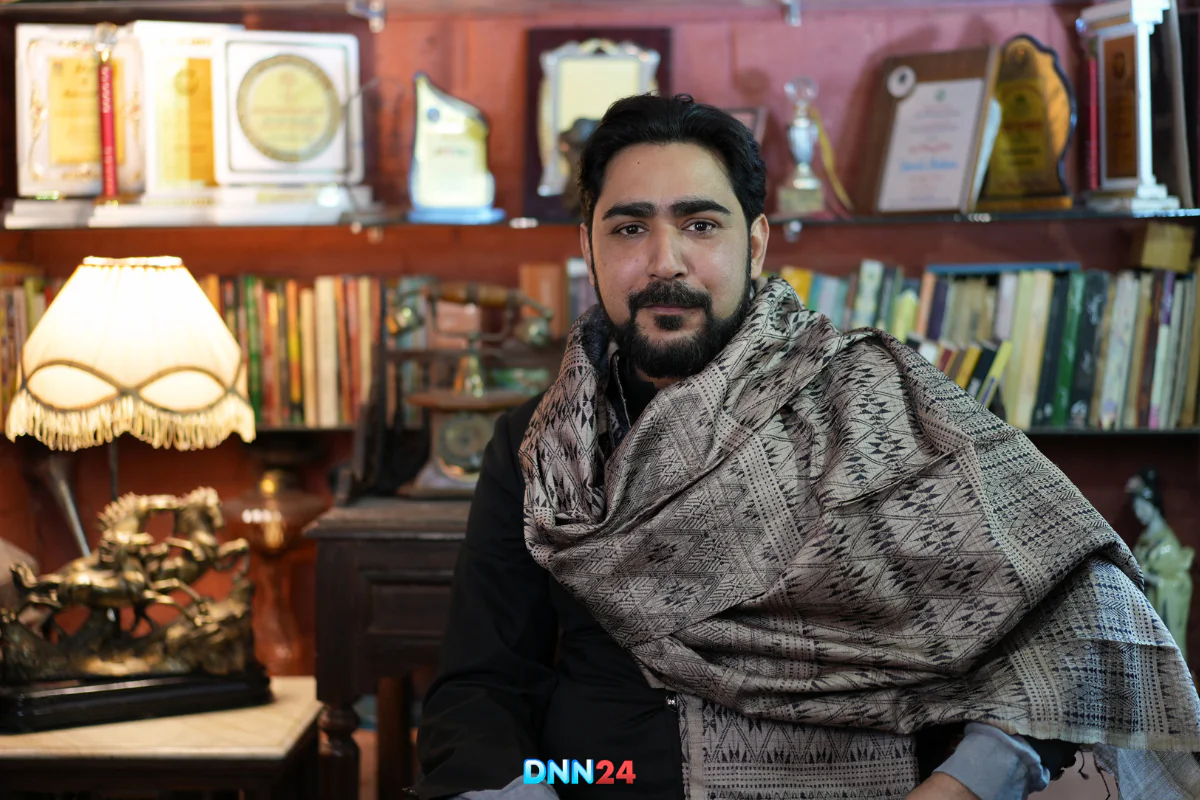
Writer and performer Pallavi Shahi believes storytelling helps people feel deeply and think differently. A story can make listeners reflect on life, society, relationships, and humanity itself.
In medieval India, storytelling gatherings were important social spaces. Whether in Mughal courts or village chaupals, people would gather together to listen, learn, and connect emotionally.
Storyteller Syed Sahil Agha says Daastangoi is like meeting the people of the past. Through stories, listeners travel to another time and return with new thoughts and emotions.
This is one reason why Daastangoi reflects Indian society so beautifully. The stories preserve old traditions, language, manners, beliefs, and ways of life. They help modern generations understand the spirit of earlier times.
The Connection Between Storytelling and Cinema
Even today, human beings remain connected to stories. This is why films and cinema continue to influence society.
Famous filmmaker Muzaffar Ali believes storytelling is one of India’s oldest artistic traditions. According to him, cinema and storytelling both are about stories, but their methods are different.
Cinema uses cameras, music, sets, and technology. A storyteller, however, creates an entire world only through voice, language, and expression. This makes storytelling a unique and deeply personal art form.
The Sufi Roots of Daastangoi
The roots of Daastangoi are closely connected to India’s Sufi traditions.
Many believe the journey began with the great Sufi poet and musician Amir Khusro. In the gatherings of his spiritual teacher Nizamuddin Auliya, poetry, stories, and spiritual teachings were shared together.
Over time, music and storytelling became interconnected. Stories were narrated with rhythm, poetry, and emotion, creating a magical atmosphere.
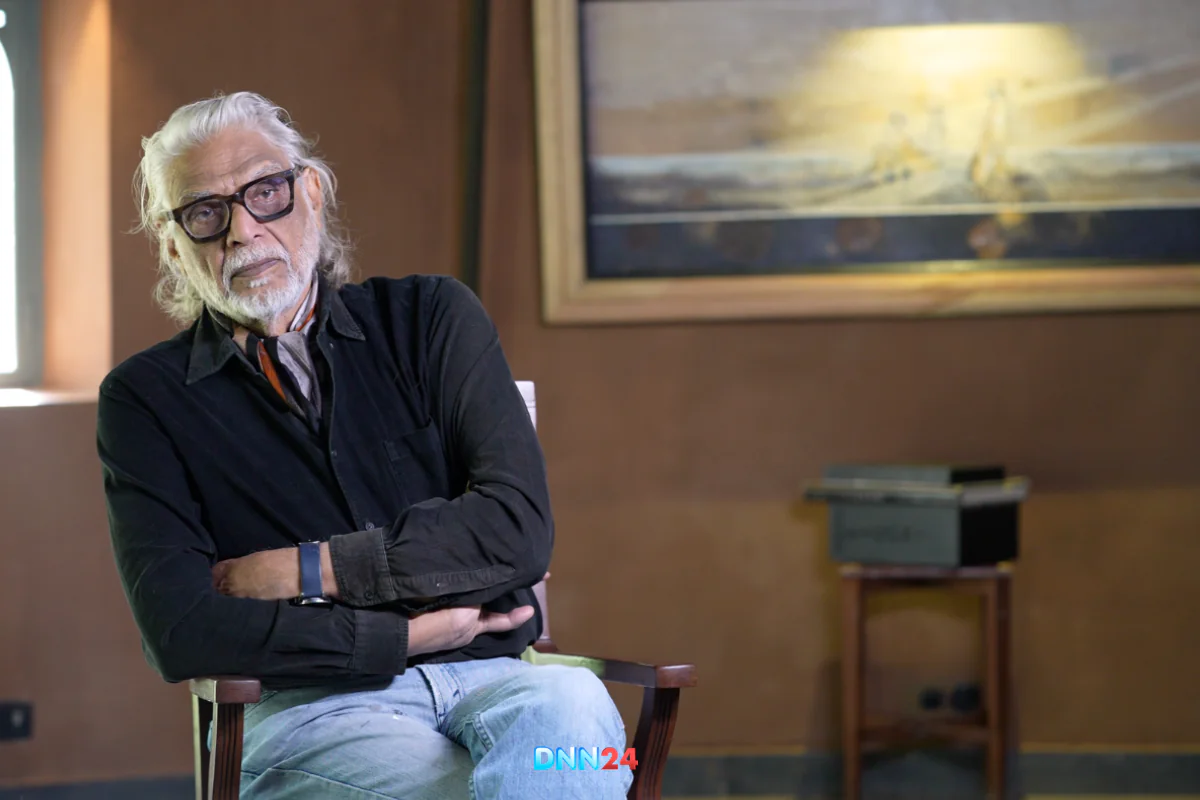
Scholar Dr. Neeta Pandey explains that both Sufi music and storytelling allow people to think and feel in their own way. Both arts touch the heart before they reach the mind.
Dastan-e-Amir Hamza and Urdu Literature
The famous tale of Dastan-e-Amir Hamza became one of the greatest examples of Daastangoi.
Mughal Emperor Akbar loved these tales so much that he ordered illustrated versions of them to be created. Later, in Lucknow, publisher Munshi Nawal Kishore collected and published many storytelling volumes, helping the art reach wider audiences.
This period became a golden age for Urdu literature and storytelling.
The Decline During British Rule
During British rule, many traditional gatherings and public performances began to decline. Daastangoi was one of the affected arts.
According to Sahil Agha, the British government placed restrictions on gatherings where people listened to speakers and performers. Daastangoi often carried memories of kings, bravery, resistance, and history. Because of this, many storytellers faced difficulties in cities like Delhi, Agra, and Lucknow.
By the time of famous storyteller Mir Baqar Ali in the early 20th century, the art had almost disappeared.
Urdu: The Soul of Daastangoi
The beauty of Daastangoi lies deep in the Urdu language itself.
Scholar Dr. Shams Iqbal says that Daastangoi traditions were shaped by the mixed cultures of Arabia, Persia, and India. Urdu became the language that connected all these influences together.
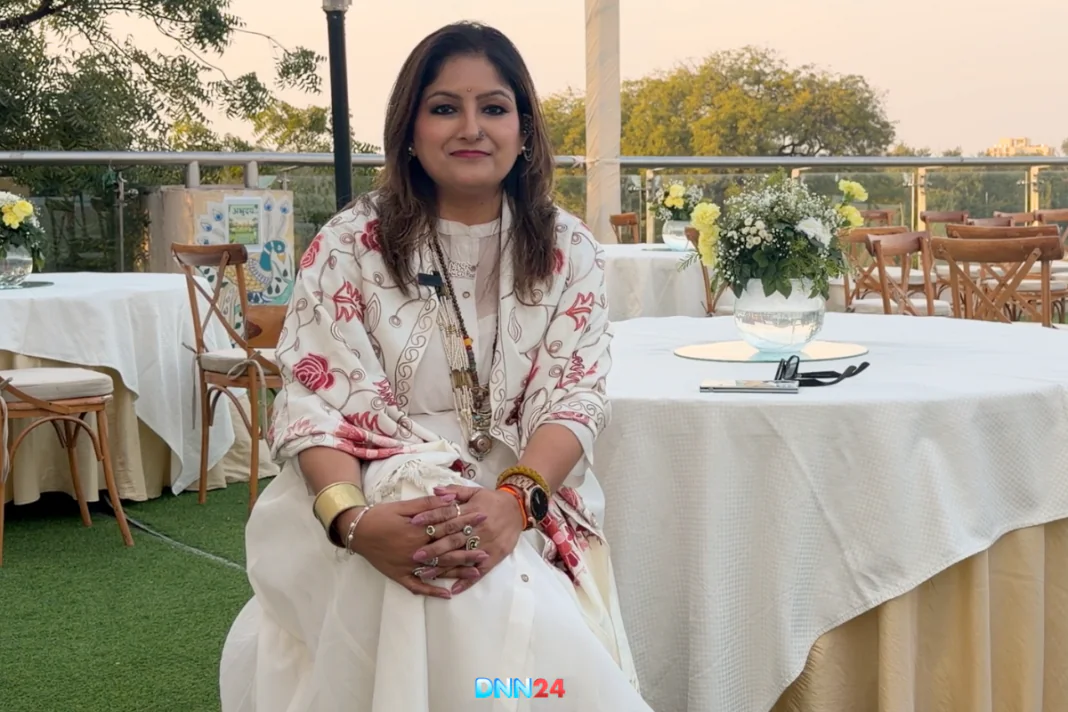
Sahil Agha believes Urdu is not simply the language of Daastangoi — it is its soul. Without Urdu’s elegance, emotion, and rhythm, Daastangoi loses much of its charm.
Daastangoi in Modern Times
Today, people live in a fast-moving digital world filled with screens and short attention spans. Yet Daastangoi continues to survive.
Modern storytelling festivals, cultural gatherings, and platforms like Jahan-e-Khusrau have helped revive this ancient art form for younger generations.
Through simple words and powerful emotions, Daastangoi teaches people to pause, listen, imagine, and feel once again.
The ancient art of Urdu storytelling is more than a form of entertainment. It is a mirror of India’s culture, history, language, and emotions. It carries the spirit of old cities, Sufi traditions, Mughal gatherings, and the shared memories of generations.
Even after centuries, Daastangoi continues to connect people with their roots. Its magic still lives in words, voices, and imagination and perhaps that is why this timeless art will never truly disappear.
Also Read:Padma Shri Bhiklya Ladkya Dhinda- The Man Who Kept a 400-Year-Old Sound Alive
You can connect with DNN24 on Facebook, Twitter, and Instagram and subscribe to our YouTube channel.