
The sight of a woman with her child in distress on a Chennai street in 1996 was enough to set a remarkable chain of events in motion. A small group of women who saw them could have walked on, as most people do. They chose to stop, and that choice grew into Prayas Trust, a women-led welfare organisation now working in education, health and skills training across India. The name comes from Sanskrit and means effort or endeavour.
Where It Began
Prayas started as the Larsen & Toubro Ladies’ Club. Its members were the wives of L&T Construction employees, along with the women employees who worked at the company’s Chennai facilities. The founding president, Suryakumari Ramakrishna, and four other women began by working from their own homes. Soon, they rented a marriage hall in Virugambakkam and used it to offer basic medical care to people in the city who had nowhere else to go.
The club grew steadily and became the driving force behind L&T’s Corporate Social Responsibility work. It drew in the wider L&T family across the country to serve communities near the company’s project sites and offices. Meena Subrahmanyan now leads the trust as President, and more than 300 active members give their time, skills and energy to its programmes.
The Promise Behind the Work
The trust states its purpose plainly: to cure and care by assisting organisations that serve the underprivileged and by providing medical support to the needy. Over nearly three decades, that purpose has settled into four areas of work. These are healthcare for people who cannot afford it, learning support for children in government schools, skills and livelihoods for women, and emergency relief carried out with other NGOs and government programmes. All four fit L&T’s CSR theme of building India’s social infrastructure, which centres on water and sanitation, education, health and skill development.
From a Rented Hall to a Dialysis Ward
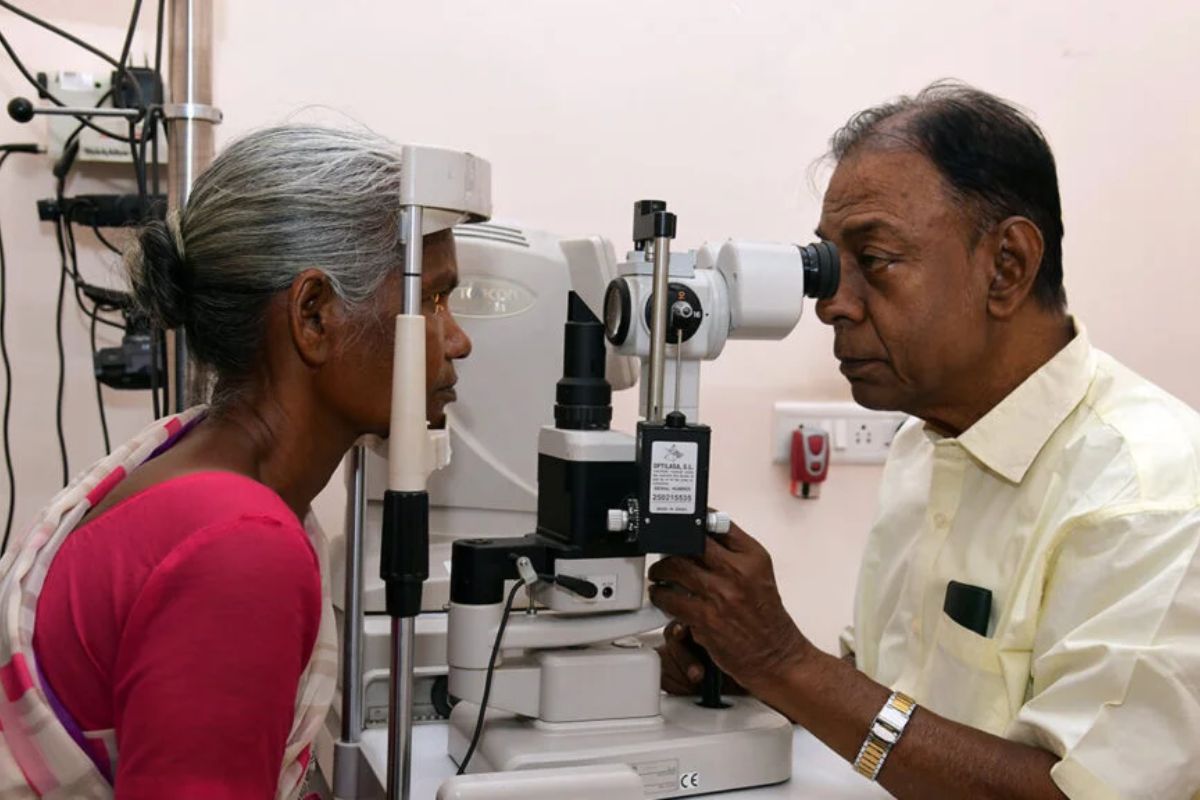
The Prayas Medical Centre in Virugambakkam is the heart of the trust’s health work. A three-storey, ISO-certified building has replaced the rented hall of the early years. It has a diagnostic laboratory that charges low rates for routine tests. Qualified doctors examine patients and hand out essential medicines to more than 300 people every day. Many come from low-income families or earn a living in the informal sector, where a day away from work means a day without pay. Because consultation fees and medicine costs are kept low, people who might have put off a visit until an illness became serious can see a doctor in time.
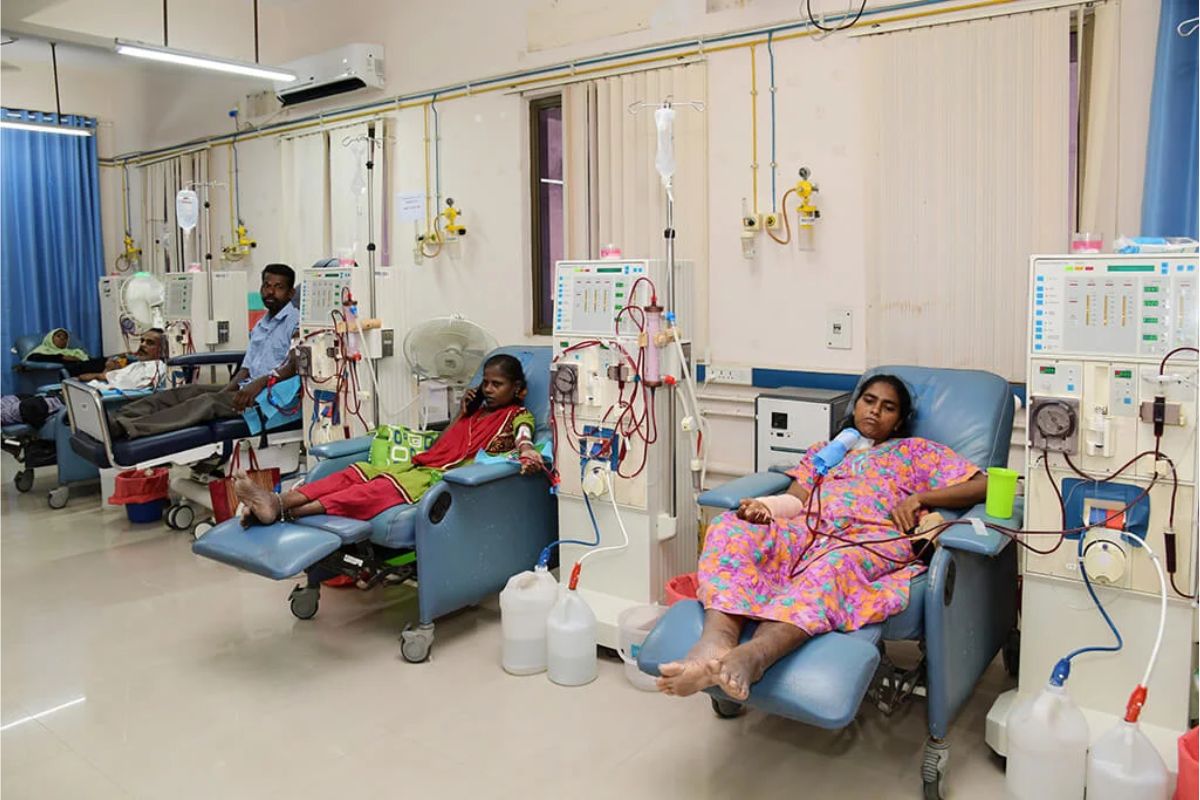
The dialysis unit matters most to many families. Set up with DaVita Health Care, it has 10 beds and serves more than 35 patients each month. Over the years, the unit has treated around 4,500 patients and delivers over 5,400 dialysis sittings a year. Private hospitals can charge thousands of rupees a month for regular dialysis. For a daily wage earner or a domestic worker with no health insurance, that cost can decide whether treatment continues at all. The trust reports reaching more than 60,000 people a year through its health programmes.
Since October 2015, the Mobile Medical Van has treated patients directly. It follows a weekly schedule through chosen neighbourhoods of Chennai and gives special attention to senior citizens, though people of every age are welcome. Consultations, basic treatment and health education are free, and no one is asked about caste, creed or religion. The van helps elderly residents, people with disabilities and families who cannot spare the wages lost on a trip to a clinic. In times of crisis, such as the Chennai floods and the COVID pandemic, the trust has also gathered dry rations, hygiene kits and medical help for thousands of households.
Teaching Children Who Might Otherwise Be Left Behind
Prayas has long believed that educating girls is among the surest ways to change a family and the community around it. Its education programmes serve children from government and corporation schools, who often have no one to turn to for extra help with lessons.
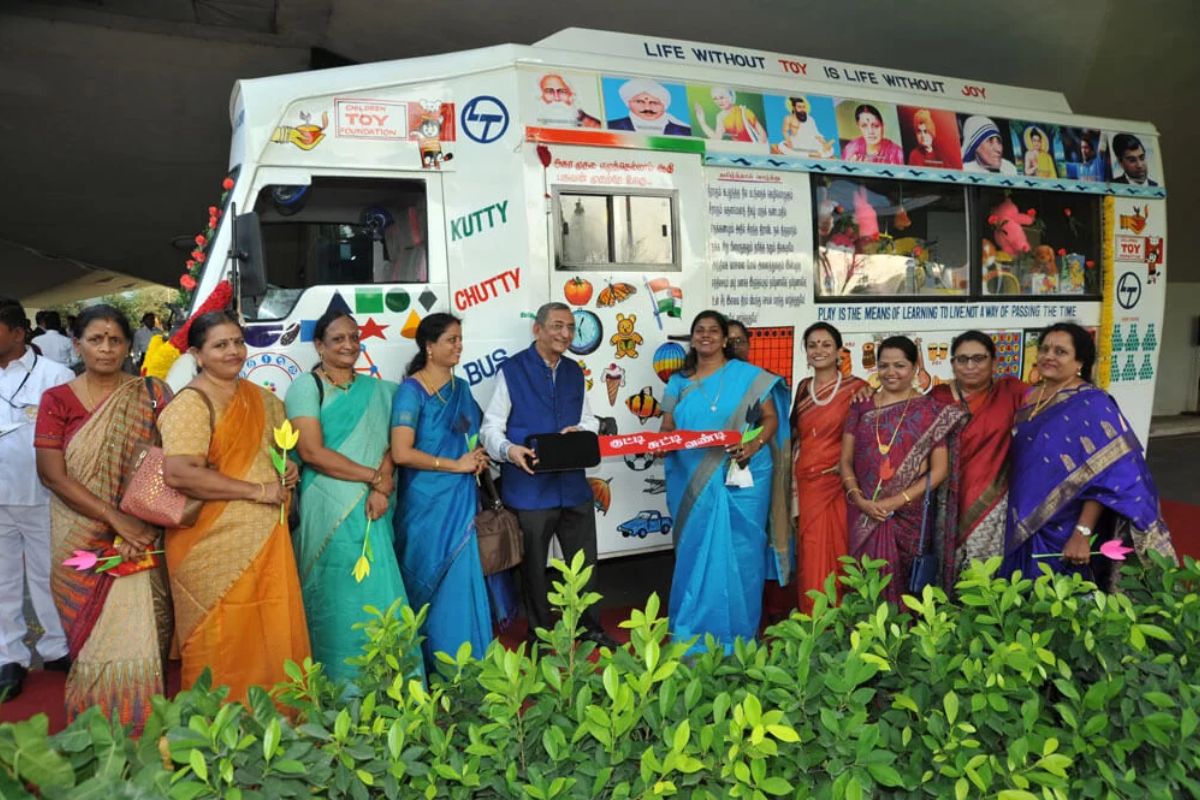
The Prayas Tuition Centres coach about 150 children every month, either free or at a very small cost. The children gain ground in mathematics, science and languages, and they gain confidence along the way. The trust also runs the Prayas Toy Van, known to its young passengers as the Kutty Chutty Bus. It teaches through play and games, which suits the youngest pupils, who take in a lesson far more readily when it feels like fun.
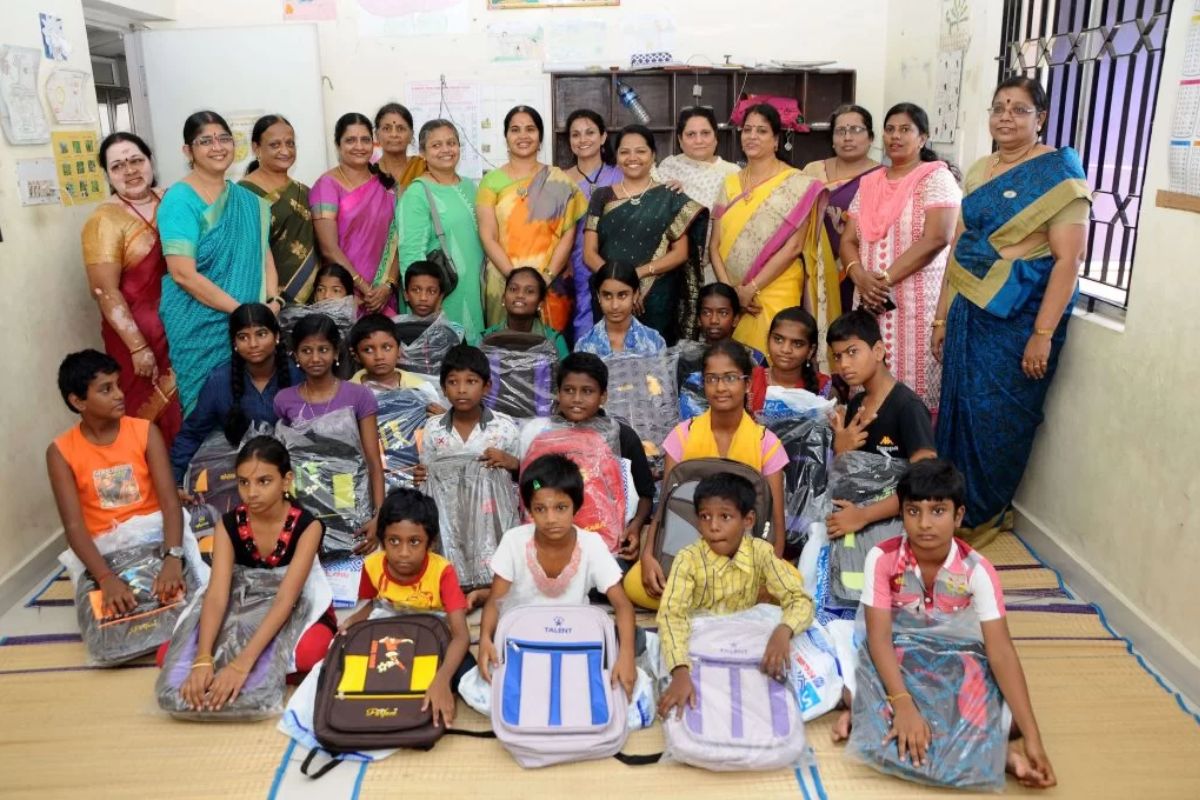
The trust also funds smart classrooms, child learning centres, and other facilities in government schools it has adopted. One example is a Smart and Integrated Village Development project in the Tirukazhukundram block of Chengalpattu district. More than 700 children there benefited from smart classrooms and learning centres, as part of a wider effort to improve rural life.
Giving Women a Way to Earn
The women who founded Prayas understood that a woman who earns her own money has more say over her life. The Prayas Tailoring Institute follows that idea. It offers certified courses in stitching and garment making, often in partnership with the National Skill Development Corporation and other agencies. Each year, about 80 women from low-income families train there. Many go on to work as tailors, start small businesses of their own or find jobs in small garment units. For many of them, this is the first income they have ever brought home, and it gives them a voice in decisions that affect their households.
The trust also supports self-help groups and works with the Government of Tamil Nadu on rural development and skills schemes. It hopes to extend these programmes to more women across the state.
Helping Others Help
Prayas does not carry the whole load by itself. Every October it marks the Joy of Giving by choosing reliable NGOs that care for orphans, cancer patients, children with disabilities and other groups in need. It has worked with Premavasam, SERD (Social Education and Rural Development) and PCVC. It has also arranged outings such as a visit to the Marine Kingdom for schoolchildren living with muscular dystrophy. The trust also gives money and supplies to other non-profit groups so they can cover basic costs and continue their own work. By backing many organisations this way, Prayas can reach far more people than its own staff and volunteers could.
Honours for the Work
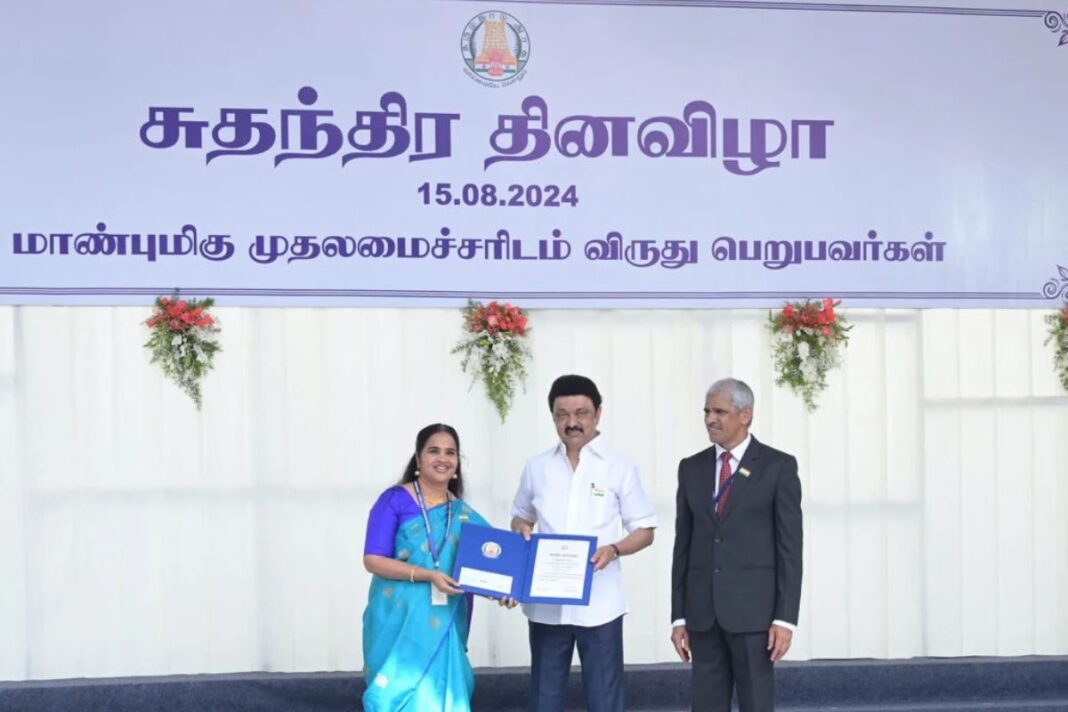
Meena Subrahmanyan received the Best Social Worker Award for her long service to women’s welfare and social progress. Chief Minister M.K. Stalin presented it during the state’s Independence Day celebrations at Fort St. George, Chennai. In her remarks, she said the award belonged to the members, volunteers and donors of Prayas, and she renewed the trust’s pledge to empower women and support underprivileged communities. The trust has also won the Mary Clubwala Jadhav Award and the AVM Rajeswari Ammal Memorial Award for humanitarian service, showing how highly it is regarded in Tamil Nadu’s social sector.
What the Story Adds Up To
The list of milestones reads like a tour of the problems India has long faced. Prayas has supported the Kargil Fund, opened medical centres and dialysis units, launched mobile health vans, built sanitation complexes in girls’ schools and planned village development projects that reach thousands of people. Behind each item stands the same group of ordinary women and men who decided, year after year, to act on what they had seen.
The scale of the work is impressive, but its steadiness deserves the most attention. Need in this country can seem endless, and many people conclude that little can be done. Prayas Trust answers that view with nearly thirty years of patient, organised kindness. It began with five women and a rented hall, and it continues to change the course of lives, one patient, one pupil and one seamstress at a time.
Also Read: Before the alphabet, A lesson in Hygiene, Dignity and Hope
You can connect with DNN24 on Facebook, Twitter, and Instagram and subscribe to our YouTube channel.