

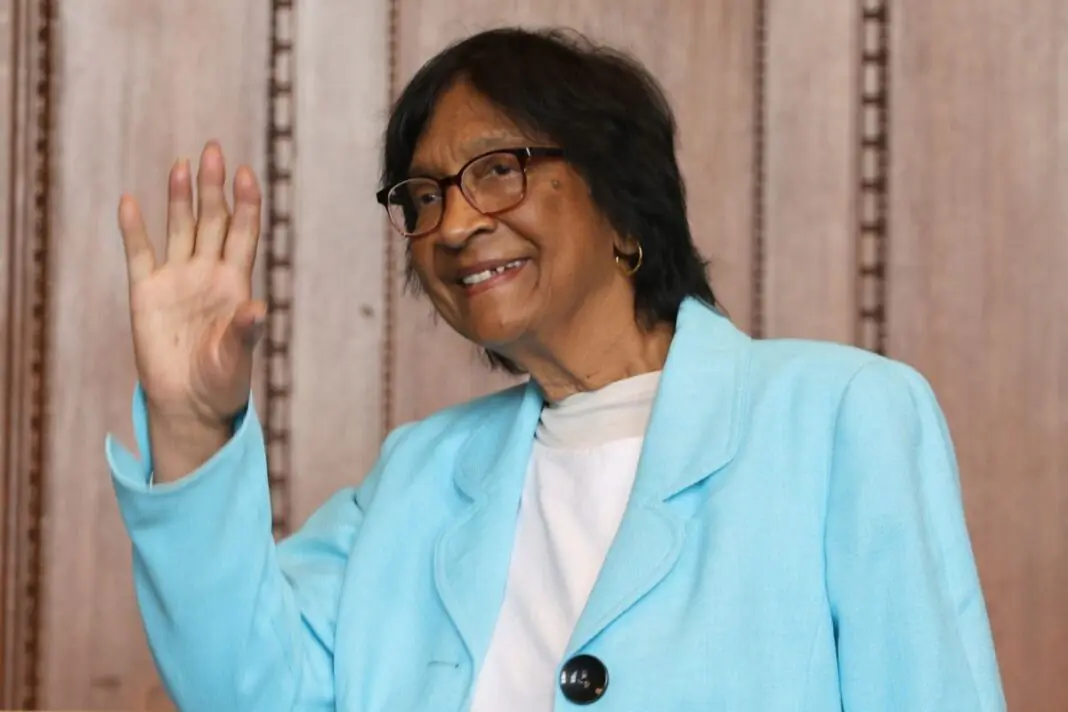

Her father drove a bus for a living. Her mother was never allowed to attend school. In spite of her modest background, Navanethem “Navi” Pillay grew up to become a leading legal luminary. On 9 October 2026, the Norwegian Nobel Committee named Pillay for the Nobel Peace Prize 2026 “for her efforts to promote peace and international law.” She is 85, a South African judge of Tamil descent from India, and a former United Nations High Commissioner for Human Rights.
A Childhood Under Apartheid
Pillay was born on 23 September, 1941 in Clairwood, Durban. Her family traced their roots to Tamil immigrants who had left southern India ages ago, so her own story belongs to the long history of Indian migration across the Indian Ocean. Her father spent his working life behind the wheel of a bus. Her mother kept the home.
In South Africa of the early 1960s, society sorted people by race and fenced in their chances accordingly. However, Pillay studied law. She took a BA from the University of Natal in 1963 and an LLB in 1965. Years later, she went to Harvard Law School, where she earned a master’s degree in 1982 and a Doctor of Juridical Science in 1988. She was the first South African to receive a law doctorate from that university.
The Lawyer Who Took On the State
In 1967, Pillay opened her own law practice in Natal province, the first woman to do so. Apartheid then governed nearly every part of life for Black and Indian South Africans, and a courtroom was one of the few places where the state could be made to explain itself.
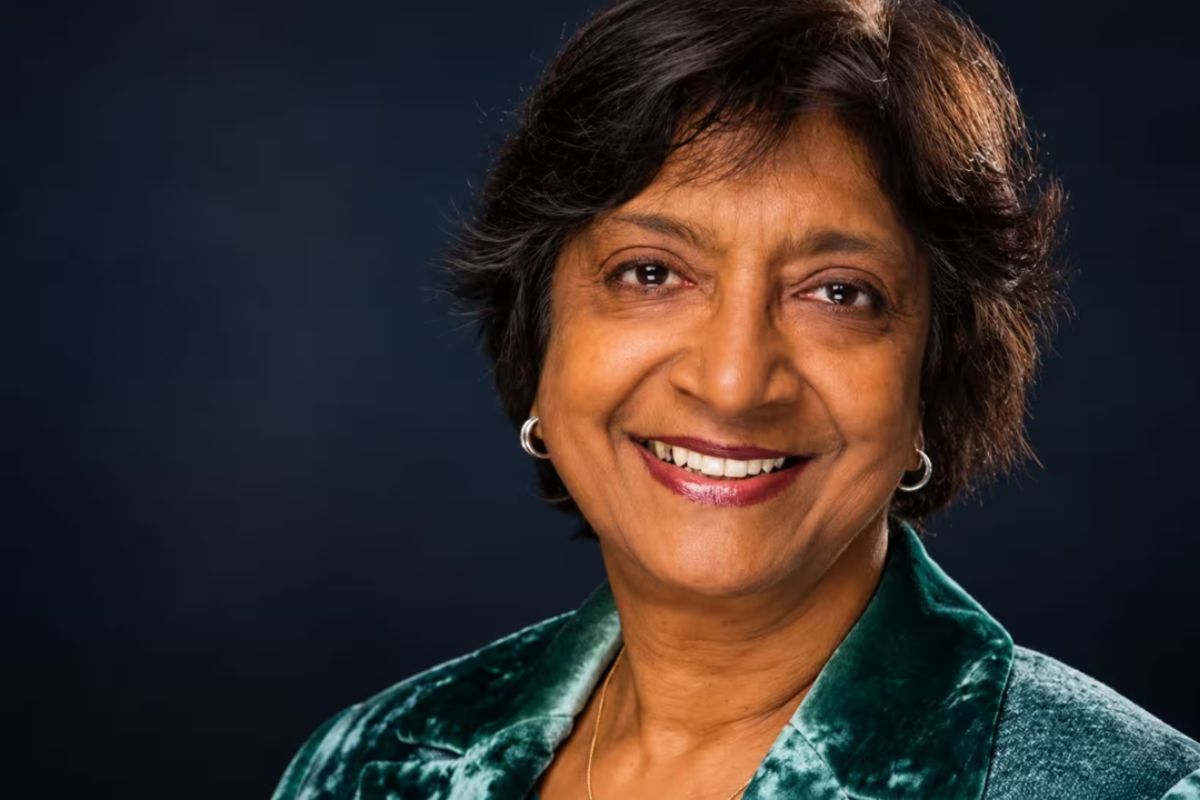
She defended people who opposed the regime, Nelson Mandela among them. She also brought to light the mistreatment and torture of political detainees. In 1973, she won a case that established political prisoners’ right to legal counsel. That may sound like a small procedural point. For a man held in a cell by a hostile government, it meant someone on the outside knew where he was and could speak for him.
When apartheid ended, the country needed judges who understood how the law had been used. In 1995, Pillay became the first woman of colour appointed to South Africa’s High Court.
The Verdict That Changed the Law
Her work soon extended beyond South Africa. The UN General Assembly elected her a judge of the International Criminal Tribunal for Rwanda, where she served for eight years and was president from 1999 to 2003.
Her best-known contribution came in 1998, in the case of Prosecutor v. Akayesu. The bench on which she sat ruled that rape and sexual violence could amount to acts of genocide in certain circumstances. It was the first genocide judgment ever delivered by an international court. Before that, such violence was often treated as an unfortunate side effect of war. After it, prosecutors had a legal basis to charge it as one of the gravest crimes.
The Nobel Committee singled out this influence. It noted that Pillay helped establish that rape and sexual violence could be prosecuted as crimes against humanity as well as genocide. The same case produced a second first. A defendant faced charges of incitement to genocide based solely on the spreading of propaganda. Words, the court decided, could kill, and those who used them could be held to account.
From The Hague to Geneva
In 2003, Pillay moved to the International Criminal Court in The Hague, where she served as a judge until 2008. In September of that year, she took up the post of United Nations High Commissioner for Human Rights, one of the most demanding jobs in international affairs. She held it until 2014.
In that office, she pressed governments and leaders to uphold international law, defended civil liberties, and spoke for communities caught in conflict. More recently, she chaired the UN Independent International Commission of Inquiry on the Occupied Palestinian Territory. She also serves as a judge at the International Court of Justice in the case in which Myanmar faces allegations of genocide.
Why Oslo Chose Her
The Norwegian Nobel Committee credited Pillay with “exceptional courage and integrity” in advancing a more complete global legal order and in helping to ensure that war crimes, crimes against humanity and genocide are prosecuted. Committee chair Jørgen Watne Frydnes put the reasoning plainly. When “might” takes the place of “right,” he said, stability, trust and peaceful coexistence suffer. The committee’s conclusion was short enough to fit on a placard: “Peace requires justice.”
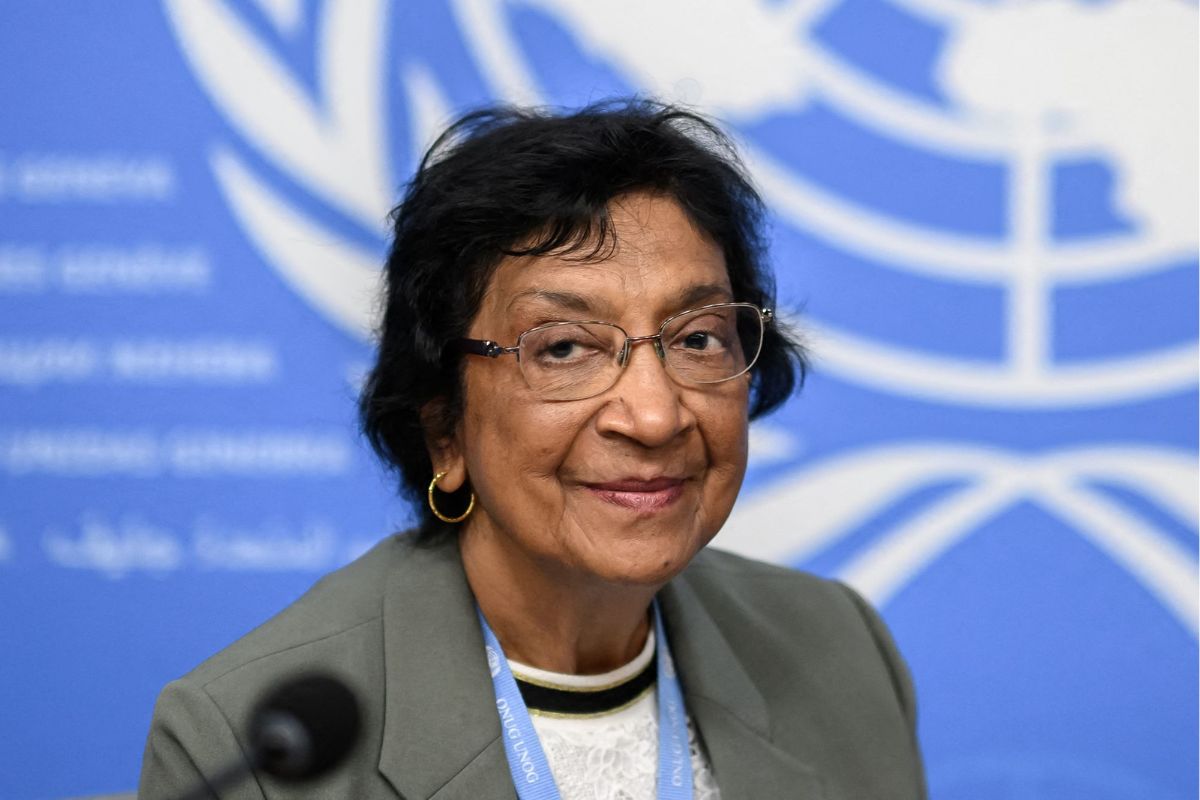
The timing carries weight. International courts and their judges are under political pressure in many parts of the world. By honoring Pillay, the committee defended an old principle: that no leader, army, or state stands beyond accountability. It described her as a driving force behind an international system in which war criminals can be held responsible, and victims can see justice done.
What Her Life Teaches
Look at the path she walked. Durban in the apartheid years. The High Court of a new South Africa. The Rwanda tribunal. The International Criminal Court. The United Nations in Geneva. Along the way, in 1992, she co-founded the international women’s rights organization Equality Now. She also took part in the wider struggle that helped win the equality clause in South Africa’s constitution.
The prize honors a long legal career, and it also confirms a belief she has held all her life. Dignity belongs to every person. Victims deserve to be recognized. Law, applied with courage, can stand against cruelty better than almost anything else people have built.
For young people, especially women and members of marginalized communities, her story carries a plain lesson. Injustice can look immovable, yet it does not last forever. One determined voice, backed by knowledge, principle and patience, can help change the rules the world lives by. Pillay began as the daughter of a bus driver in a city that gave her few chances. She ended up rewriting international law.
Also Read: Madai: The Chhattisgarh Festival Where Tribal Communities Carry Their Gods From Village to Village
You can connect with DNN24 on Facebook, Twitter, and Instagram and subscribe to our YouTube channel.