


“When you think about someone, you are saving them.” This line comes from a poem by Argentine poet Roberto Juarroz.
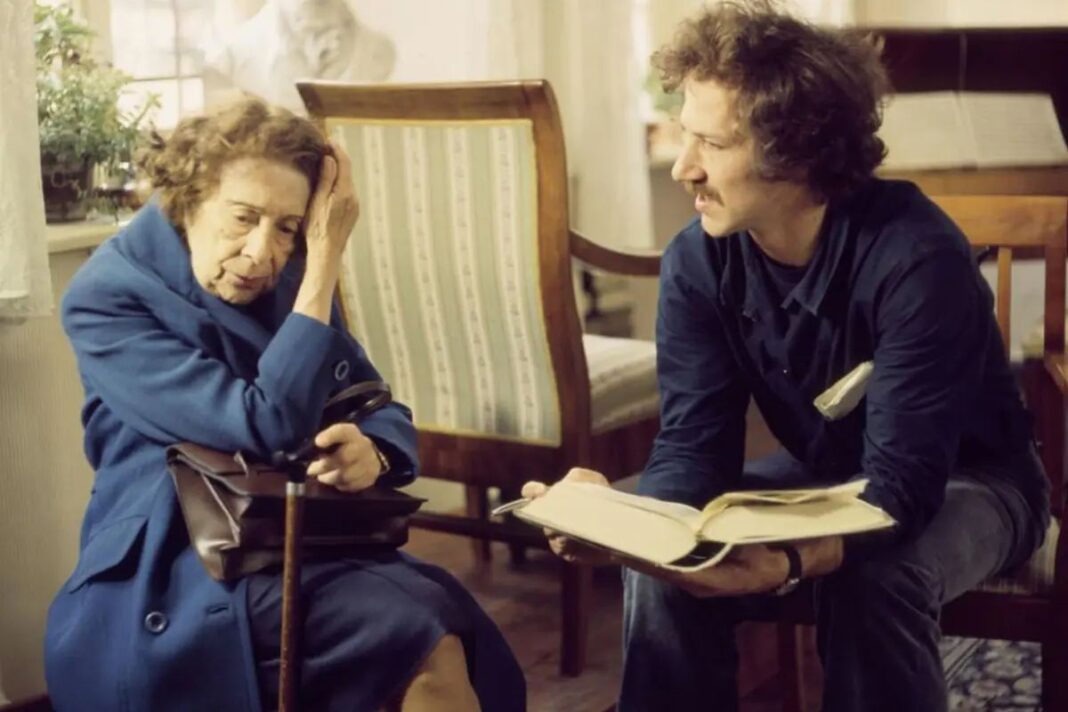
In the winter of 1974, 76-year-old Lotte Eisner was seriously ill. She had been admitted to a hospital in Paris. Her writing had played an important role in shaping German cinema during the previous three decades.
Hitler and the Second World War had caused enormous damage to German cinema. During those years, cinema around the world had developed rapidly, while German filmmakers had to begin again almost from nothing.
Lotte Eisner, a Jewish woman who had somehow survived those difficult years, helped create a new understanding of cinema through her writing. Many great filmmakers around the world admired her.
Among them was a young German filmmaker whose talent Eisner had recognized when hardly anyone knew his name. His name was Werner Herzog.
The Phone Call That Changed Everything
On November 23, 1974, a friend living in Paris called Herzog and told him that Lotte Eisner was on her deathbed.
The news deeply affected him. Herzog told himself that he could not allow her to die. She had to live. People still needed her.
At the time, Herzog was in Munich. Snow was falling outside, and the temperature was around ten degrees below zero.
He looked carefully at a pair of boots he had recently bought. They seemed strong enough for a long journey. Herzog packed what he needed into a backpack, picked up a map of Europe, and stepped outside.
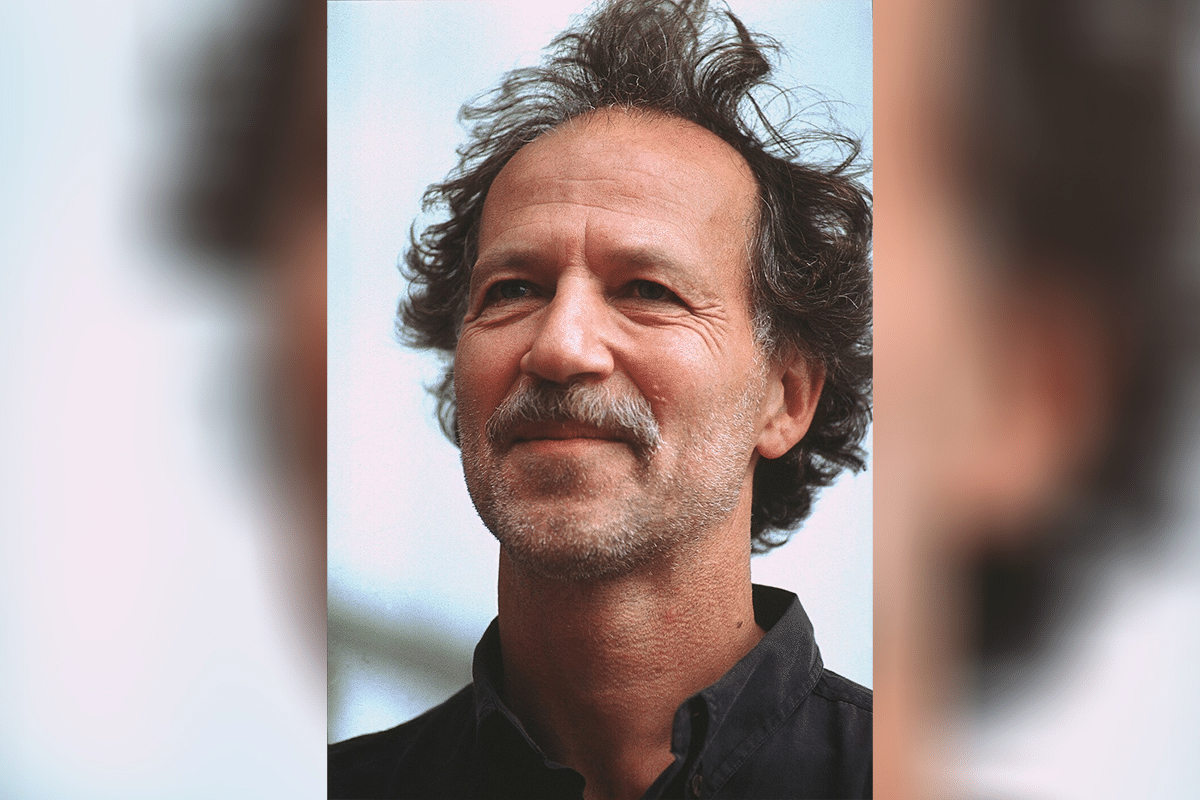
He had decided to travel to Paris to see Lotte Eisner. But he did not want to take a train or a plane. He wanted to walk. Paris was about 500 miles away.
Herzog strongly believed that if he could complete this journey on foot, Lotte Eisner would remain alive. He later repeated this belief in several interviews.
Walking 500 Miles for Lotte Eisner
For three weeks, Herzog walked through freezing winter weather towards Paris. Throughout the journey, he kept a diary and wrote in it every night. He later published his diary as a book.
Finally, on December 14, 1974, Herzog reached Paris. By then, something remarkable had happened. Lotte Eisner had recovered enough to leave the hospital and return home.
For Herzog, the journey was more than walking from Munich to Paris. He had started it believing his determination could somehow keep Eisner alive. And she did survive.
Their Meeting Eight Years Later
Eight years later, Lotte Eisner asked Herzog to come to Paris. By then, her health had become much worse.
She told him that she was almost blind. Two of the things she loved most in life—reading and watching films—were no longer possible.
Walking had also become extremely difficult, and she could move only with crutches. She told Herzog that she had lived enough and felt full of life.
Then she smiled and told him it felt as though he had tied her life to him through some spell.
She asked whether he could now set her free. Herzog nodded. Eight days later, Lotte Eisner died.
Werner Herzog’s Way of Seeing Life
The story says a great deal about Werner Herzog and the way he approaches life.
Read his writing or watch his films, and it can feel as though he lives in a different world. For Herzog, every event and every experience seems to point towards a larger purpose.
Throughout his life, he has tried to understand those signs and challenges through determination, strong will, and stubbornness.
That same determination was behind his decision to leave Munich in the freezing winter of 1974 and walk hundreds of miles to Paris because someone he deeply respected was dying.
He didn’t care that there were easier ways to reach Paris.
For him, the journey itself mattered.
A Story About Human Connection
The relationship between Werner Herzog and Lotte Eisner was built around respect, gratitude and a deep human connection.
Eisner had recognized Herzog’s talent at a time when few people knew who he was. Years later, when he heard that she might die, Herzog responded in his own unusual way.
He walked. For three weeks.
Through snow and freezing temperatures. Across hundreds of miles.
Years later, when Eisner felt that she had reached the end of her life, she again turned to Herzog.
This time, she did not ask him to save her.
She asked him to let her go. Herzog agreed. Eight days later, she died.
Their story brings us back to the line with which it began:
“When you think about someone, you are saving them.”
Werner Herzog and Lotte Eisner’s story is not simply about cinema. It is also about friendship, gratitude, determination, and the strange ways in which one person can become deeply connected to another.
And perhaps that is why their story continues to offer lessons about life.
Also Read: Arunachal’s Solung Tradition: The Festival Where Villages Become Living Museums
You can connect with DNN24 on Facebook, Twitter, and Instagram and subscribe to our YouTube channel.