
Thursday, January 1, 2026
13.1 C
Delhi

Pampore – The Fragrant Hub of Kashmiri Saffron Production

Kashmir is known for its scenic beauty and diverse flora and fauna, including saffron, a valuable tourist attraction. Pampore, 17 km from Srinagar, is the main saffron producer in the region, contributing 86% of the area under cultivation.

The Saffron Production Process in Pampore:

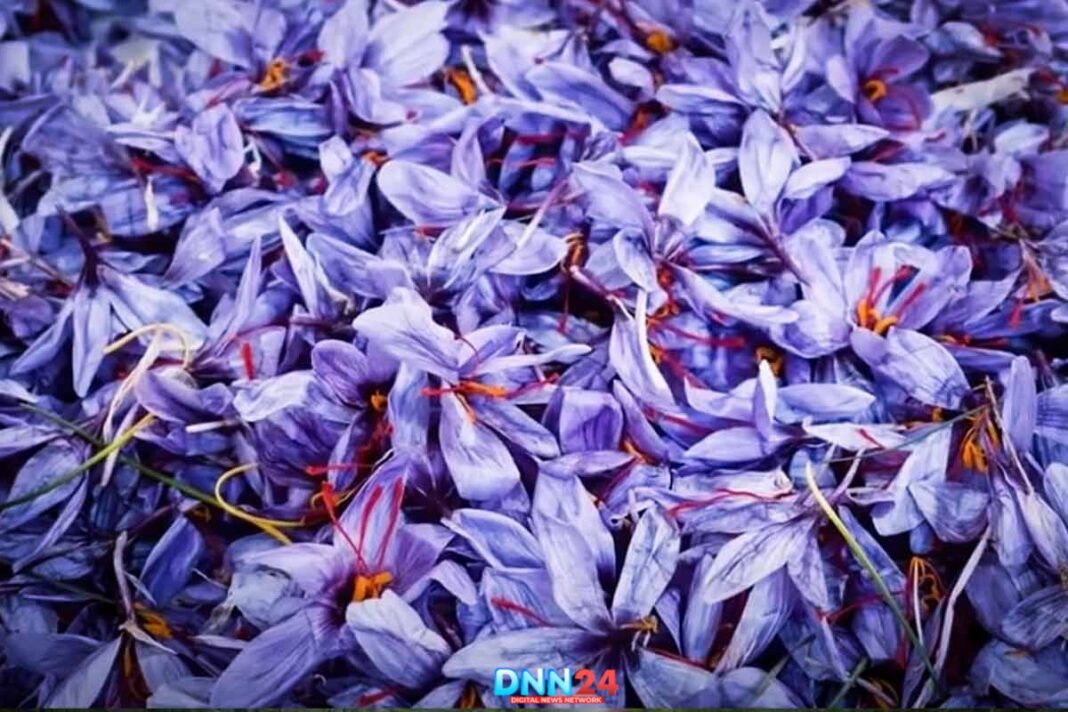
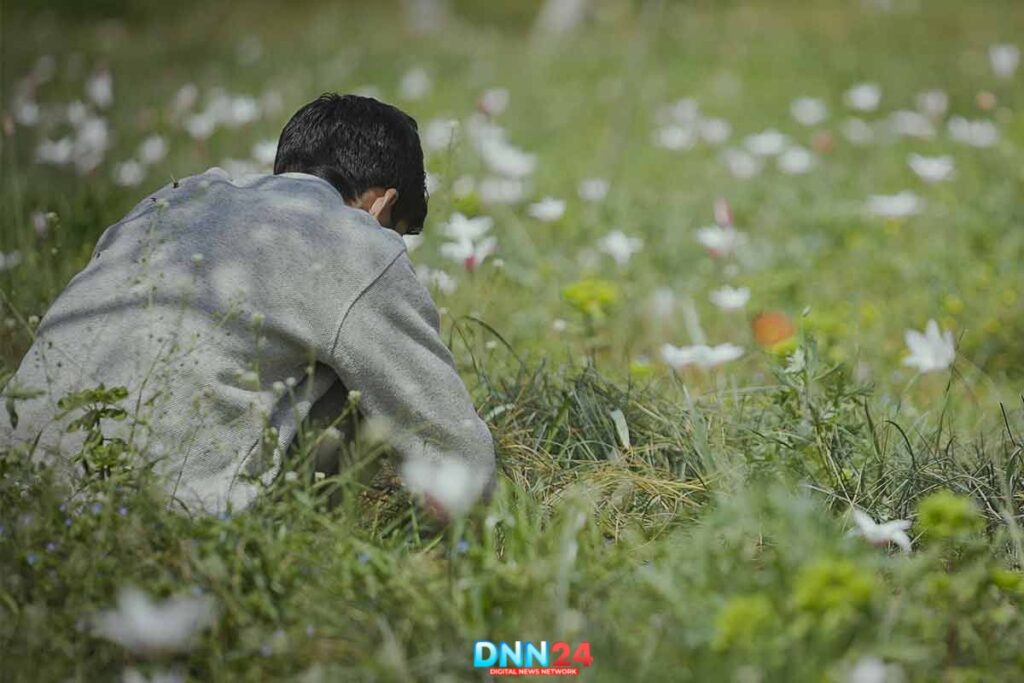
Cultivating saffron flowers in Pampore starts in August and continues until November. During this period, saffron growers plough and till the soil to ensure it is ready for planting. AfterwardsWhen autumn arrives, the saffron flowers bloom, and the Pampore fields turn into a sea of purple. At this stage, the saffron growers start harvesting the flowers, which they do with utmost care to ensure that the stigma and style of the flower remain intact. They plant saffron bulbs, also known as corms, which remain in the ground until the next planting season.

Once the flowers are collected, the farmers take them to the threshing area, where they carefully separate the stigma and style from the flower’s petals. It is a time-consuming and delicate process that requires skilled labour.
The Benefits of Saffron Production for the Pampore Community:

The Pampore region of Pulwama District is home to around 30,000 families, and saffron production plays a vital role in their livelihood. These families come from 226 villages in the Pampore area and depend on saffron production for their income.

The saffron crop contributes to the local economy and attracts tourists, boosting tourism revenue. The beautiful sight of the purple saffron fields in full bloom is a significant attraction for tourists visiting the valley.

Kashmiri Saffron’s Global Recognition:

Kashmiri saffron has a unique flavour and aroma, which sets it apart from other varieties of saffron. In 2020, Kashmiri saffron was granted a Geographical Indication (GI) tag, further strengthening its international hold. This recognition has opened up new markets for local saffron growers, and demand for Kashmiri saffron is increasing in many country states and among buyers abroad.

Conclusion

In conclusion, Pampore’s saffron fields have become essential to the Kashmiri economy, providing livelihoods to thousands of families in the region. The beauty and fragrance of the saffron fields also contribute significantly to the valley’s tourism industry. With the GI tag, Kashmiri saffron’s reputation as a premium quality product will likely increase, making it an even more valuable commodity for local farmers and the region.
Also Read: The Importance Of A Balanced & Nutritious Diet: Impact On Physical & Mental Health

You can connect with DNN24 on FacebookTwitter, Instagram and subscribe to our YouTube channel.

LEAVE A REPLY

Please enter your comment!
Please enter your name here

Hot this week

No land, Only Courage: Jammu & Kashmir’s Aasiya Turned Her Rooftop Into A Farming Field

Despite many challenges, social remarks, and an atmosphere of...

Countless Tablas, One Bond– The Journey Of Zakir Hussain & His Tabla Maker Haridas Ramchandra Vhatkar

From a Miraj workshop to the world’s grand stages, Haridas Ramchandra Vhatkar shaped rhythm with patience and devotion. A third-generation tabla maker, his hands crafted the sound trusted by legends- especially Ustad Zakir Hussain- proving that true legacy is built quietly.

Kashmir’s Floral Spectacle: The 2026 Tulip Show To Bloom With 1.8 Million Vibrant Flowers

As winter arrives, Kashmir’s Tulip Garden comes alive with preparations for the grand 2026 Tulip Show. A record 1.8 million bulbs, including fresh imports from Holland, are being planted, promising a breathtaking display of vibrant colors and boosting spring tourism in the Valley.

How Pobitora Women Are Redefining Assam’s Handloom With Wildlife-Inspired Designs?

Near Assam’s Pobitora Wildlife Sanctuary, women from Auguri village are turning threads into stories of nature. Their eco-friendly handwoven gamosas and stoles, inspired by the one-horned rhino, are winning tourists’ hearts while weaving livelihoods and conservation together.

Udaygiri Caves: Where Ancient Kings Carved Gods Into Mountains

Stand before a hill that holds secrets from 1,600...

Topics

No land, Only Courage: Jammu & Kashmir’s Aasiya Turned Her Rooftop Into A Farming Field

Despite many challenges, social remarks, and an atmosphere of...

Countless Tablas, One Bond– The Journey Of Zakir Hussain & His Tabla Maker Haridas Ramchandra Vhatkar

From a Miraj workshop to the world’s grand stages, Haridas Ramchandra Vhatkar shaped rhythm with patience and devotion. A third-generation tabla maker, his hands crafted the sound trusted by legends- especially Ustad Zakir Hussain- proving that true legacy is built quietly.

Kashmir’s Floral Spectacle: The 2026 Tulip Show To Bloom With 1.8 Million Vibrant Flowers

As winter arrives, Kashmir’s Tulip Garden comes alive with preparations for the grand 2026 Tulip Show. A record 1.8 million bulbs, including fresh imports from Holland, are being planted, promising a breathtaking display of vibrant colors and boosting spring tourism in the Valley.

How Pobitora Women Are Redefining Assam’s Handloom With Wildlife-Inspired Designs?

Near Assam’s Pobitora Wildlife Sanctuary, women from Auguri village are turning threads into stories of nature. Their eco-friendly handwoven gamosas and stoles, inspired by the one-horned rhino, are winning tourists’ hearts while weaving livelihoods and conservation together.

Udaygiri Caves: Where Ancient Kings Carved Gods Into Mountains

Stand before a hill that holds secrets from 1,600...

Qabil Ajmeri: The Poet Who Turned Pain Into Timeless Verses

A boy from dusty Rajasthan lanes scribbled verses that...

Kanheri Caves: Mumbai’s Forgotten 2000 Year Secret

What if Mumbai's wildest secret was not a hidden...

Pandit Daya Shankar Naseem Lakhnawi: Urdu’s Kashmiri Genius

A Kashmiri Pandit boy walked through the perfumed lanes...

Related Articles