

Four hundred wedding guests in Bhubaneswar recently celebrated a marriage ceremony that produced virtually no plastic waste. The achievement came without abandoning the cultural rituals and elaborate hospitality that define Odia weddings. When photographs of banana leaf plates and clay water vessels began circulating online, the event attracted attention for demonstrating that environmental responsibility and ceremonial tradition need not conflict.
The Scale of Wedding Waste in India
Indian wedding celebrations generate extraordinary volumes of refuse. A typical event serving several hundred people can produce mountains of disposable plates, cups, cutlery, and decorative materials. Most of this debris consists of single-use plastics that persist in landfills for centuries.
India now produces more than 3.5 million tons of plastic waste each year. Weddings and festivals account for a substantial portion of this total. Urban centres struggle to manage the constant influx of non-biodegradable materials. Bhubaneswar confronts these challenges alongside rapid development and population growth.
The national government banned certain single-use plastics in 2022. Enforcement remains inconsistent. Many wedding organisers continue purchasing disposable items because alternatives appear expensive or difficult to source in bulk. The Bhubaneswar event contradicted these assumptions by proving that substitutes exist and function well at scale.
Details of the Celebration
The wedding took place recently in Bhubaneswar, the capital of Odisha. Organisers planned for 400 attendees across multiple days of ceremonies. Traditional Odia rituals governed the schedule. These included pre-wedding functions, the main ceremony, and post-wedding gatherings.
The couple and their families chose to eliminate plastic from every aspect of the event. This decision required months of preparation and coordination with vendors. Social media posts about the wedding received thousands of shares. Commenters expressed surprise that such a large gathering could operate without conventional disposables.
Guest counts of 300 to 500 are typical for middle-class families in Odisha. The zero-plastic approach distinguished this event from others of comparable size. Planners maintained the grandeur and warmth expected at Odia weddings while changing only the materials used for service and decoration.
Serving Methods and Materials
Banana leaves replaced plastic plates for all meals. This practice revives methods that predated synthetic materials in Indian households. The leaves decompose within weeks, enriching the soil. Guests received full traditional meals on these natural plates.
Bagasse formed the basis for supplementary tableware. This agricultural byproduct is a byproduct of sugarcane processing. It breaks down completely in compost. Manufacturers press bagasse into sturdy plates and bowls that handle hot, wet foods without difficulty.
Bamboo and metal cutlery replaced plastic forks and spoons. Workers washed and reused metal utensils throughout the event. Bamboo implements could be placed in compost bins after use. Together, these substitutions eliminated approximately 90 per cent of typical wedding waste.
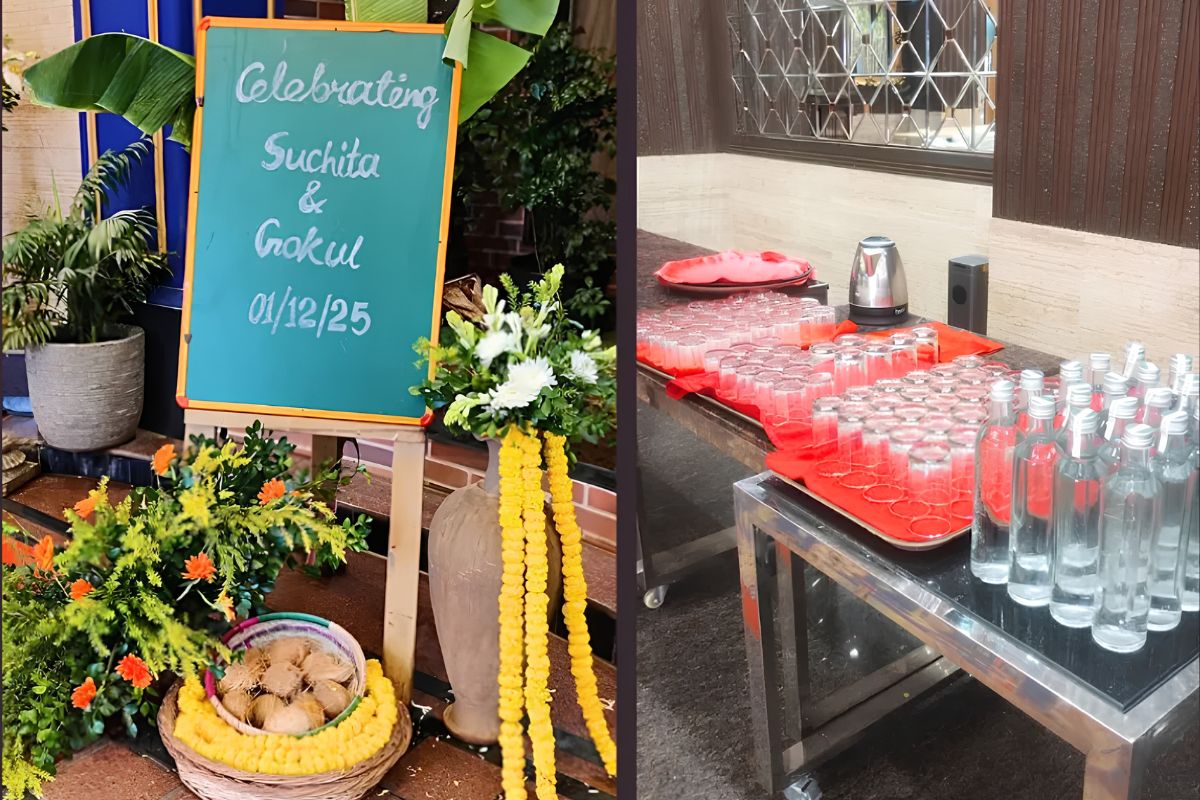
Water service avoided bottled drinks entirely. Clay pots and reusable glasses stood at beverage stations. Volunteers refilled containers from filtered dispensers. The arrangement reduced both plastic consumption and cooling costs.
Decoration and Communication
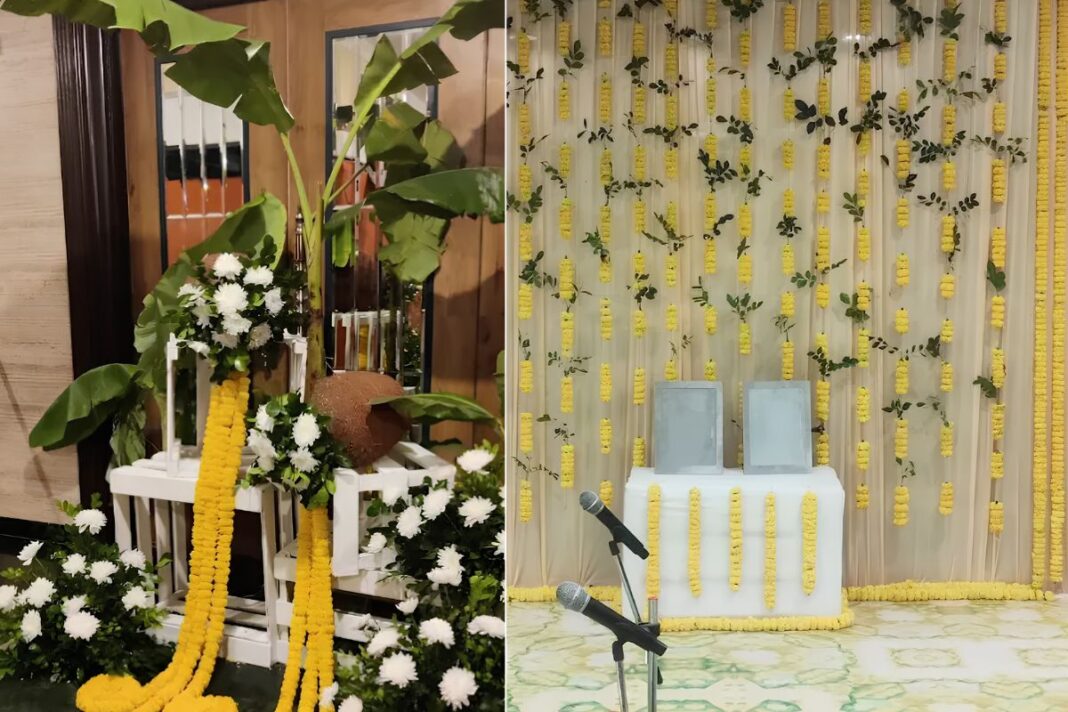
Fresh flowers and fabric provided all decorative elements. Artisans contributed traditional Pattachitra paintings and other Odia handicrafts. These items enhanced the visual appeal while creating no waste. Fabric banners replaced plastic streamers in procession routes.
Potted plants served dual purposes as decoration and gifts. Guests could take plants home after the celebration. This approach transformed disposable ornaments into living mementoes.
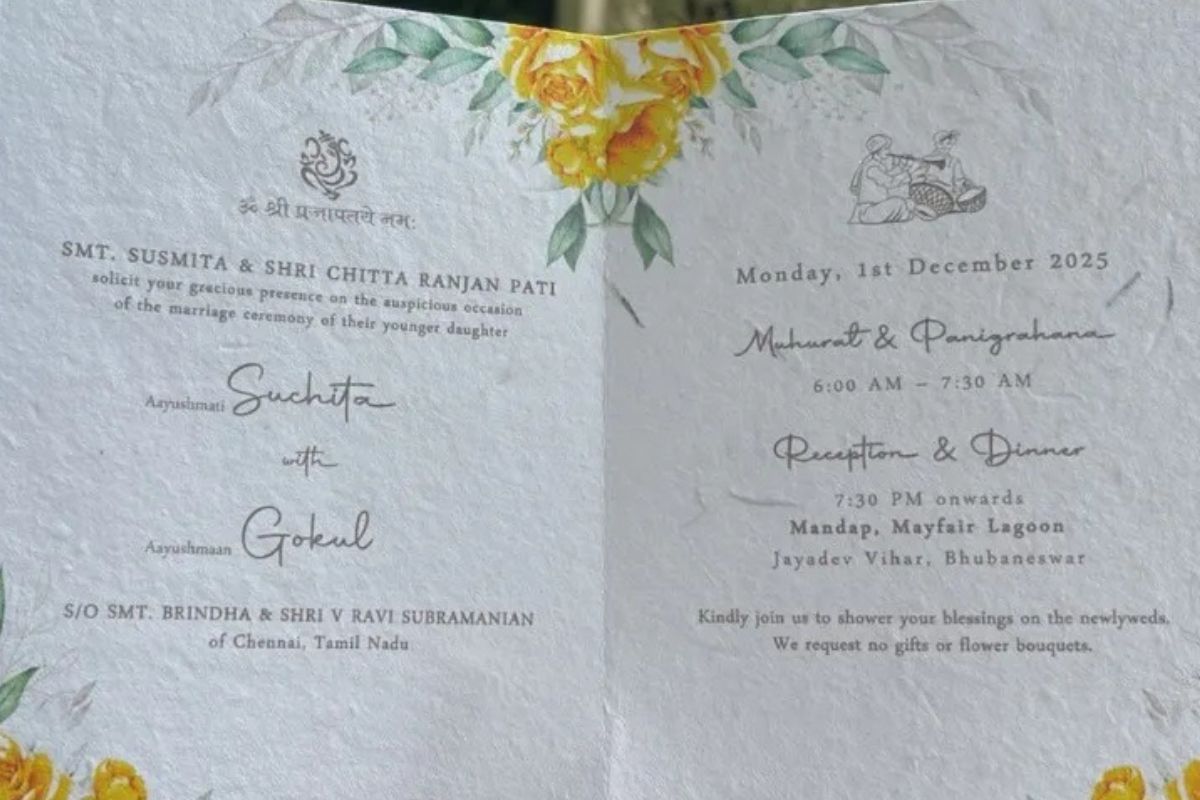
Digital invitations were sent to guests via messaging apps and email. The family avoided printing cards sealed in plastic sleeves. For relatives who prefer physical tokens, organisers distributed paper tokens embedded with flower seeds. Recipients could plant these sheets and grow blooms as remembrances.
Traditional Ritual Observance
Odia wedding customs shaped every phase of the event. The Mane Na Khia ceremony, where families formally invite participation, proceeded according to ancestral guidelines. The Saat Pheri, or seven circumambulations around sacred fire, occurred on clay altars built specifically for the occasion.
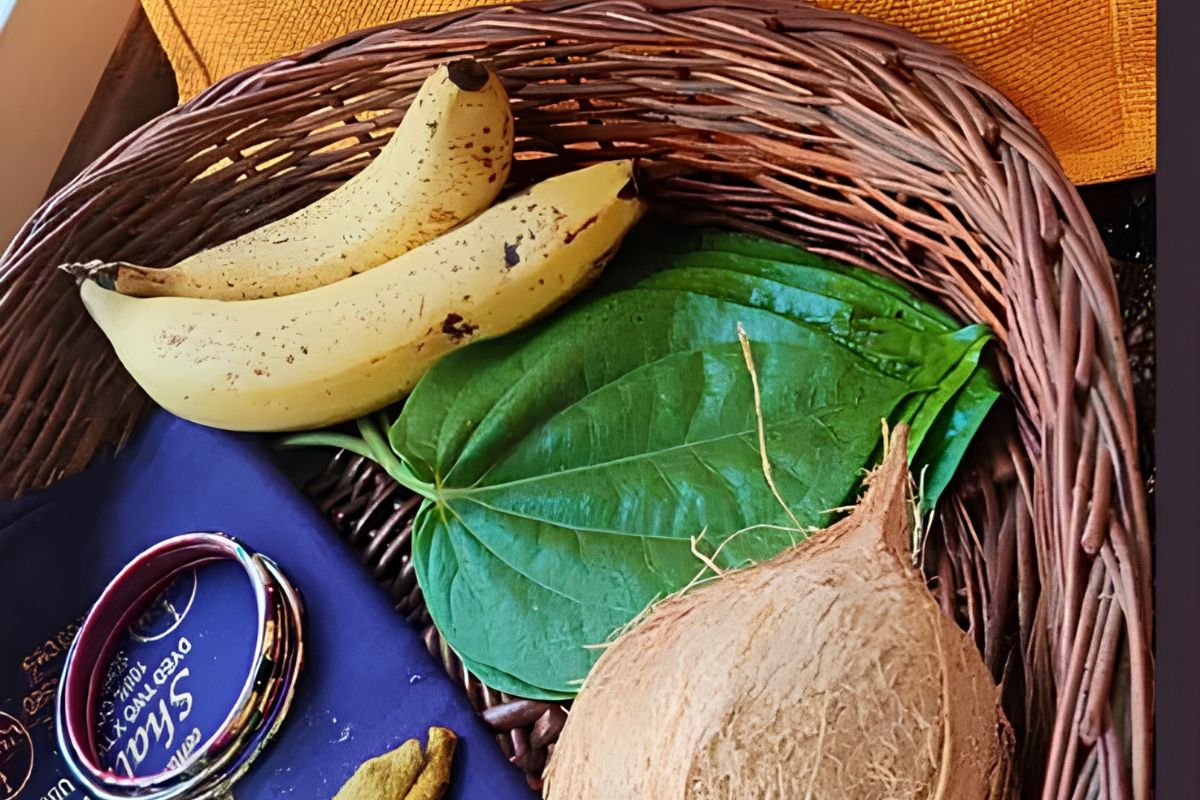
Priests conducted havans using traditional materials. Offerings of ghee, grain, and flowers entered the flames. No synthetic puja items appeared in these rituals. Silver and brass vessels, standard in Odia ceremonies, served for key moments.
Banana leaves for feast service actually honour older customs. Odia families used these natural plates for generations before plastic became common. The wedding was thus restored rather than invented serving methods.
Bridal clothing featured handloom sarees from Sambalpuri and Bomkai weavers. These textiles represent Odisha’s weaving heritage. Music came from live performers playing traditional instruments. Odissi dancers and folk artists provided entertainment.
The Gaye Ghoda procession maintained its festive character with fabric decorations. Guests wore ethnic dress. Every element reinforced cultural identity while supporting environmental goals.
Local Procurement and Economic Impact
Organisers purchased food ingredients from markets in Bhubaneswar. Farmers supplied organic vegetables for Dalma, the traditional Odia lentil preparation. Pakhala, fermented rice served with accompaniments, featured prominently on menus.
Local artisans received contracts for decorative work. This approach supported regional craftspeople while reducing transportation distances. Shorter supply chains reduced the event’s overall carbon footprint.
Venues in Bhubaneswar now offer facilities suited to sustainable celebrations. Banquet halls provide waste segregation systems and relationships with composting services. Hotels can arrange bulk supplies of biodegradable items.
Volunteers from environmental organisations assisted with waste management. They placed clearly marked bins for organic material, recyclables, and minimal residual trash. Signage explained the importance of proper sorting. Many guests reported learning new practices they intended to adopt at home.
Financial Considerations
Initial costs for sustainable materials roughly match those of conventional materials. Bagasse plates cost between 2 and 5 rupees each, similar to their plastic equivalents. Metal utensils require an upfront investment but can be used repeatedly across multiple events.
Disposal expenses drop significantly. Compostable waste can be placed in municipal green bins or private composting systems at little cost. Plastic refuse requires expensive hauling and landfill fees. Over time, families hosting multiple functions realise savings.
Bulk purchasing reduces per-unit prices. Organisations that specialise in eco-friendly wedding supplies offer volume discounts. Early planning allows couples to compare vendors and negotiate favourable terms.
Health benefits accompany material changes. Plastic containers can leach chemicals into hot foods. Natural and metal alternatives avoid this risk. Guests appreciate the care taken to protect their well-being.
Broader Movement Toward Sustainable Celebrations
Similar weddings across India demonstrate growing interest in environmental responsibility. A Kerala celebration serving 1,200 guests generated only 2 kg of plastic waste. Another event used edible cutlery made from millet flour. Couples report that guests remember sustainable weddings more fondly than conventional ones.
Government policies support these transitions. Plastic bans create demand for alternatives. Manufacturers respond by developing better biodegradable products. Prices decline as production scales increase.
Odisha’s cultural landscape aids environmental initiatives. Temples in Bhubaneswar have banned the use of plastic on their premises. Festivals increasingly adopt sustainable practices. The state promotes eco-tourism, and weddings fit naturally within this framework.
India hosts approximately 10 million weddings annually. If even a fraction adopted zero-plastic approaches, national waste totals would drop substantially. The Bhubaneswar event provides a template that scales to different budgets and guest counts.
Practical Steps for Implementation
Couples considering sustainable weddings should begin with waste audits. List every disposable item typically used, then research alternatives for each. Partner with environmental groups for technical guidance. These organisations often maintain vendor directories and can suggest reliable suppliers.
Education matters. Include information about sustainable choices in invitation materials. Explain the reasoning to guests before events begin. Most people willingly participate when they understand goals.
Track waste production to measure success. Weigh trash bags or count items. Documentation helps refine future events and provides proof of achievement.
Venues around Bhubaneswar accommodate groups of 300 to 400 people. Many now offer green menu options and support for waste management. Customising rituals to use natural materials requires collaboration with priests and family elders. Most religious authorities approve modifications that respect ceremonial meaning.
The Bhubaneswar wedding proves that large celebrations can honour tradition while protecting the environment. Four hundred guests departed with full stomachs, joyful memories, and examples worth following.
Also Read: Sambalpur Women Convert Daily Waste Into Municipal Revenue
You can connect with DNN24 on Facebook, Twitter, and Instagram and subscribe to our YouTube channel.