
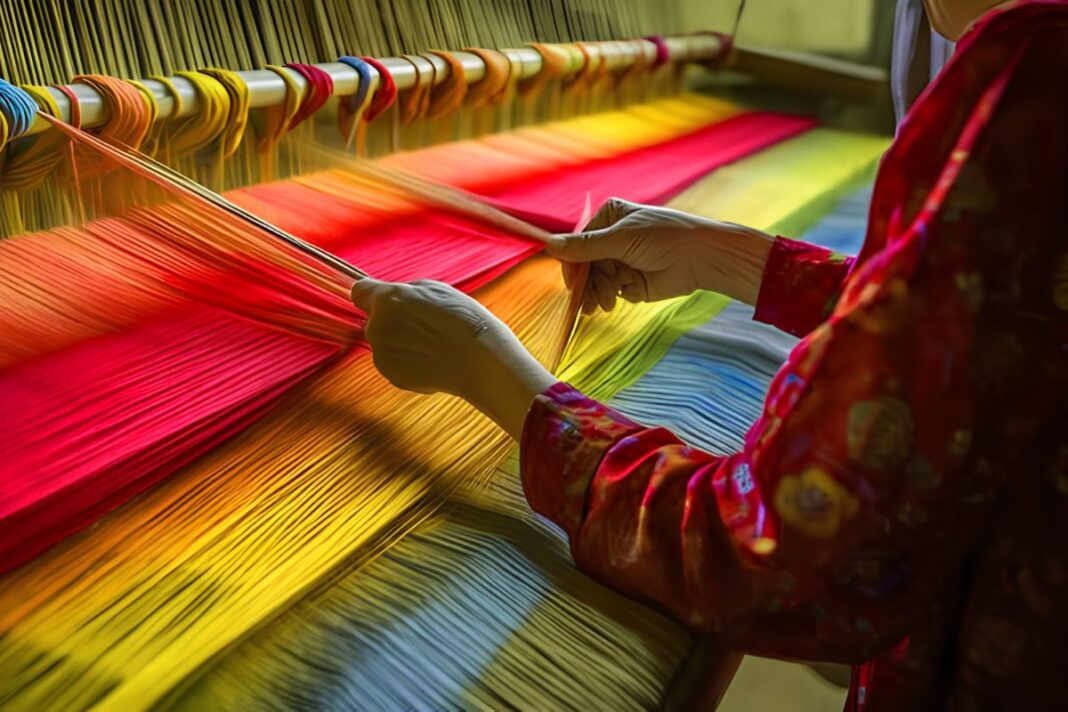

Why does a single strand of handwoven cotton still matter in an age of factories and fast fashion? The answer sits at thousands of looms across India, where more than three million people turn thread into income, identity and, increasingly, an export product with global appeal.
National Handloom Day falls on 7 August, and it does more than mark a date on the calendar. It commemorates the Swadeshi Movement launched on this day in 1905, when Indians were urged to favour goods made at home over imported cloth. The Government of India formally recognised 7 August as National Handloom Day only in 2015, choosing Chennai for the first observance. The gap between the movement and its formal recognition is itself telling. It took more than a century for the country to build a national occasion around a craft that had never really left its villages.
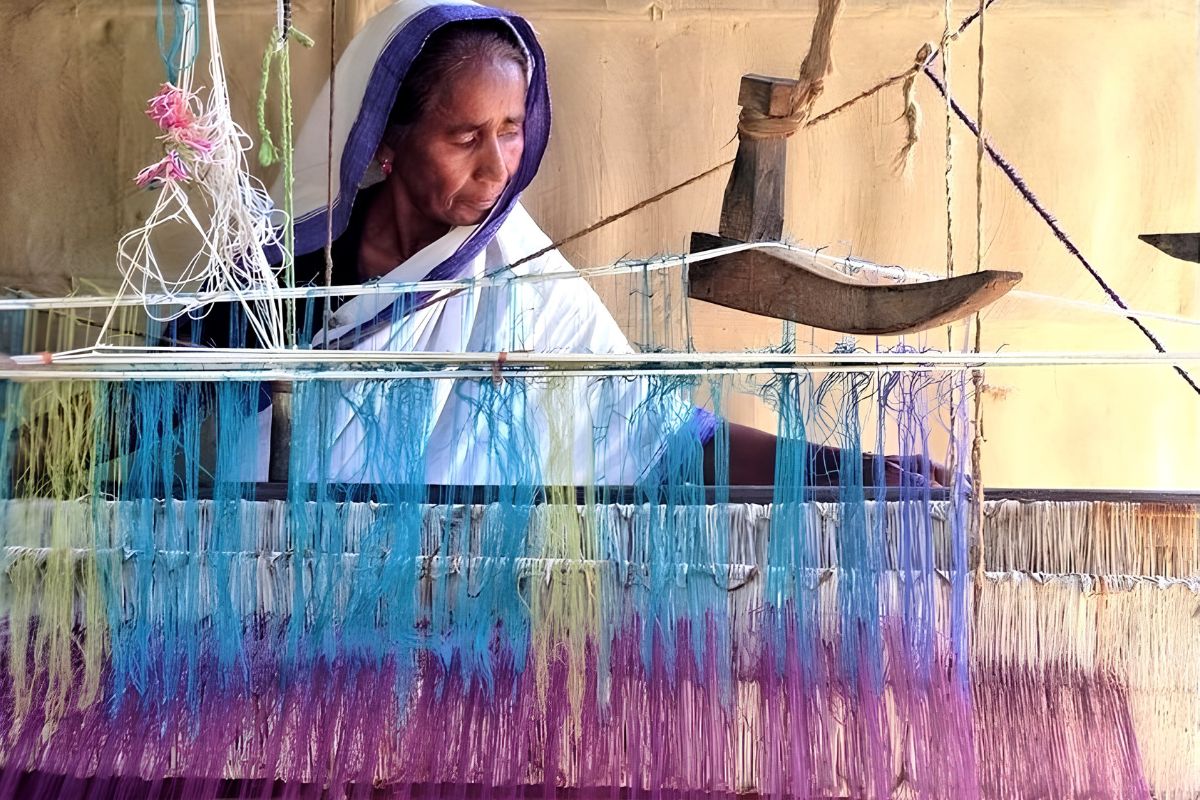
There is a temptation to treat this as a purely nostalgic story, a tribute to a craft that survives mostly because the country feels sentimental about it. That framing misses the scale of what is actually happening. Handloom is not a museum piece kept alive by goodwill. It is an active part of the rural economy, competing for market share against powerloom and machine-made textiles, and doing so with very little of the capital or state support that larger industries take for granted.
A sector built by rural hands
The handloom sector is not a small or ceremonial part of India’s economy. It is one of the largest sources of traditional employment in the country, spread mostly across rural and semi-rural regions where alternative work can be scarce. According to the Handloom Census of 2019 to 2020, India counted 35.22 lakh handloom workers, a figure that includes both weavers and those engaged in allied activities such as dyeing, spinning and finishing.
What sets this workforce apart is its composition. Of those 35.22 lakh workers, 25.46 lakh are women, which works out to just over 72 per cent of the total. Few sectors of comparable scale in India can claim that level of female participation. For many households, the income a woman earns at the loom is not supplementary. It is central to the family budget, and it often gives her a say in decisions that would otherwise be made without her.
The work itself does not require heavy machinery or large capital outlay. A loom can be set up inside a home, worked around other domestic duties and passed from one generation to the next along with the specific patterns and techniques of a region. This flexibility has kept the sector alive in places where factory employment never arrived.
The Sustainability Argument
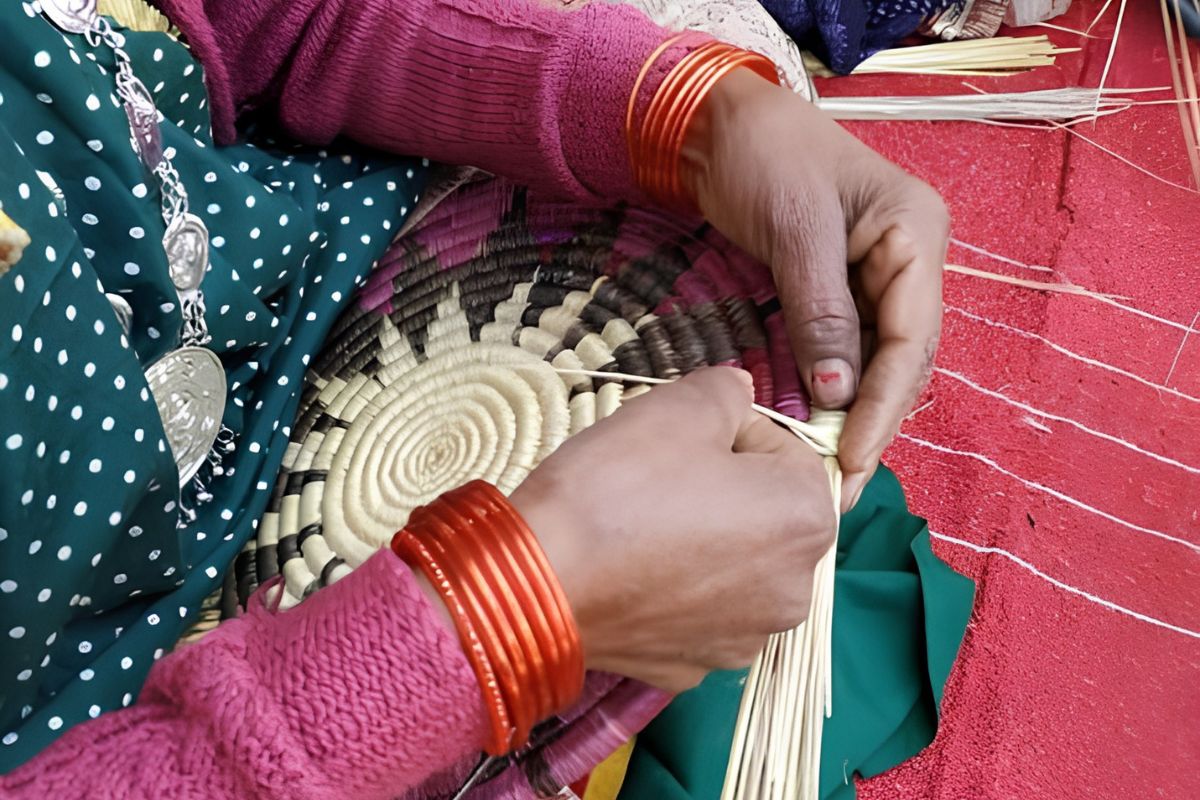
Handloom is frequently described as a naturally sustainable form of production, and there is some truth in that claim. Compared with power-driven textile manufacturing, weaving by hand consumes far less electricity and tends to rely on shorter, more local supply chains. In a period when the fashion industry faces scrutiny over energy use, water consumption and overproduction, a model built on small batches and human skill has obvious appeal.
That said, the claim should not be accepted without qualification. A handwoven textile is only as sustainable as the fibre it is made from, the dyes used to colour it and the wages paid to the person who wove it. A garment produced with harmful dyes or excessive water use, then sold cheaply because the weaver was underpaid, does not deserve the sustainable label simply because it was made without a machine. Genuine sustainability in this sector has to include the wellbeing of the weaver, not only the carbon footprint of the finished cloth.
From Village Loom to International Order Book
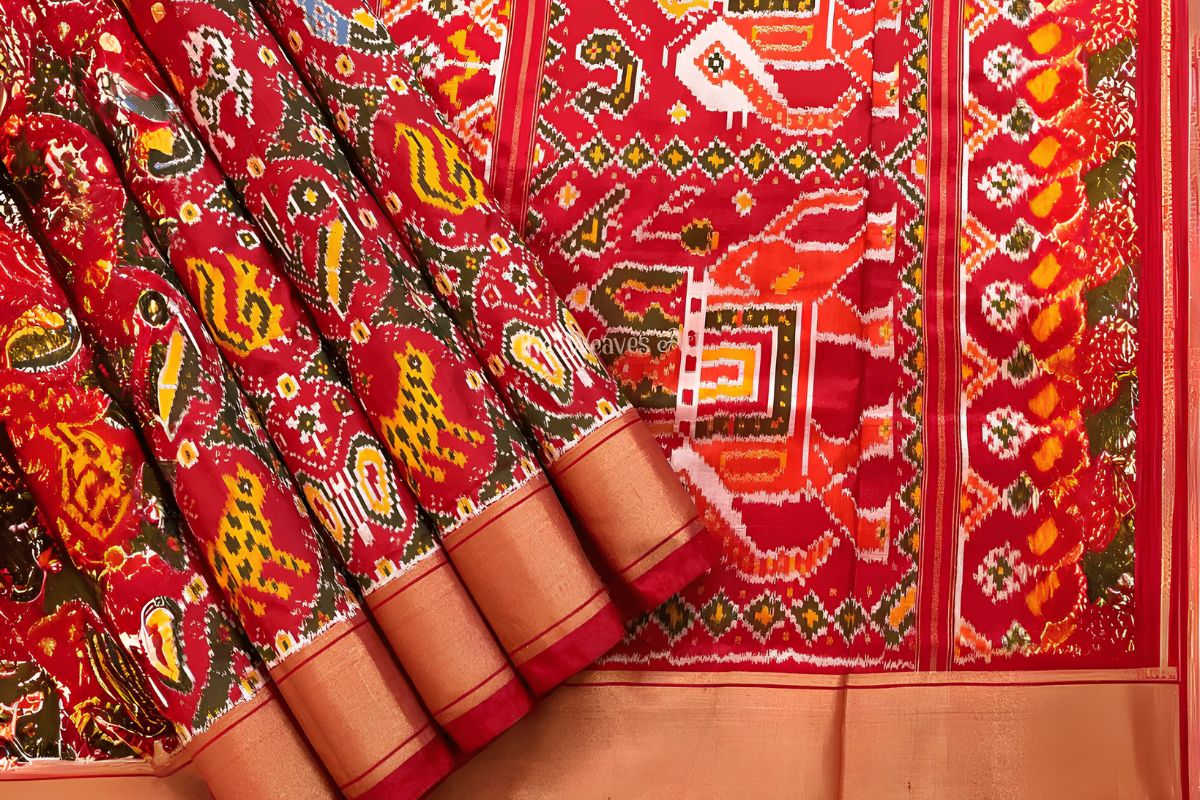
India’s handloom traditions are remarkably varied. Banarasi silk, Kanjeevaram, Chanderi, Sambalpuri, Jamdani, Muga and Pochampally each carry distinct histories, materials and motifs specific to their region. This diversity is an asset in a global market where buyers increasingly want to know where a product came from and who made it.
Export figures suggest the sector has already found an international audience. Home textiles, including bedspreads, cushion covers and furnishings, account for more than 60 percent of India’s handloom exports, and Indian handloom products now reach more than twenty countries, among them the United States, the United Kingdom, France, Italy, Germany and the United Arab Emirates.
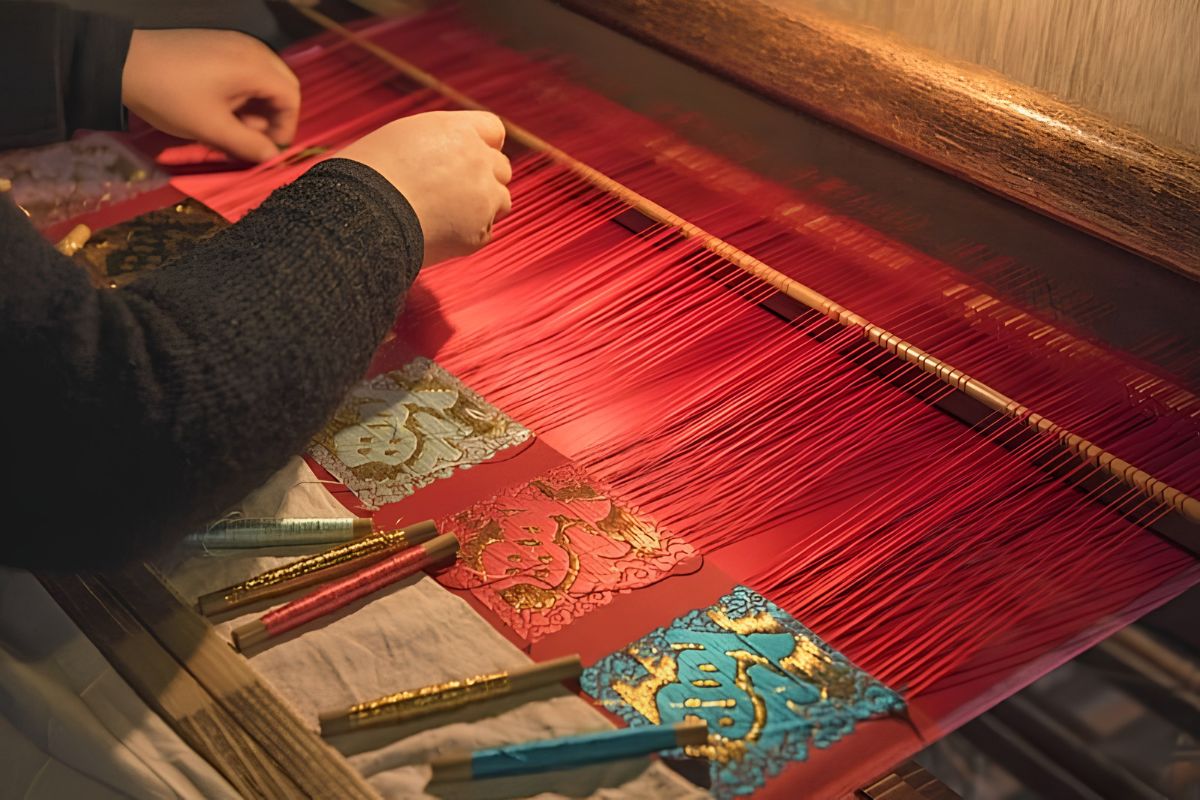
Meeting that demand consistently, however, is not simple for an individual weaver working from home. International buyers expect uniform quality, reliable delivery timelines and proper documentation, requirements that are difficult for a single household to satisfy on its own. This is where producer companies, self-help groups and weaving cooperatives play a role, allowing weavers to pool resources, negotiate collectively and share the cost of design support or better equipment.
What Government Support Has Tried to Do
The Ministry of Textiles has introduced a range of measures aimed at strengthening the sector, including cluster development programmes, yarn supply support, dedicated work sheds, design assistance, promotion of e-commerce sales, loans under the Weavers’ MUDRA scheme and insurance coverage for artisans. The India Handloom Brand was created specifically to help consumers identify products of verified quality and authentic origin.
These schemes address real gaps. Weavers frequently struggle with the rising cost of raw material, limited access to affordable credit and dependence on middlemen who take a large share of the final sale price. Whether these programmes succeed, though, depends entirely on implementation. Support that reaches a well-known cluster during a trade fair but never reaches a weaver in a remote village does little to change the underlying economics of the craft.
Digital platforms have opened new routes to market, but access to a website alone does not solve the weaver’s problems. Selling online also requires product photography, packaging, inventory management and the ability to fulfil orders on time, skills that many artisans have never had reason to learn.
The Risk of Losing a Generation
The sector’s biggest long-term threat may not be foreign competition or changing fashion tastes. It may simply be the departure of the next generation. When weaving fails to provide a stable and predictable income, young family members look elsewhere for work, often in cities, and the specific knowledge tied to a regional weaving tradition begins to fade with each departure.
Reversing that trend requires more than admiration for the craft. It requires life and accident insurance for weavers, access to credit at reasonable rates, scholarships for their children and safer, better-equipped workspaces. It also requires a fairer division of the money a finished textile eventually earns, so that the person at the loom is not the one who benefits least from the sale.
A More Honest Way to Celebrate the Loom
National Handloom Day gives the country a moment to recognise a tradition that predates most modern industries and has quietly outlasted many of them. But recognition without structural change risks becoming an annual ritual with little lasting effect.
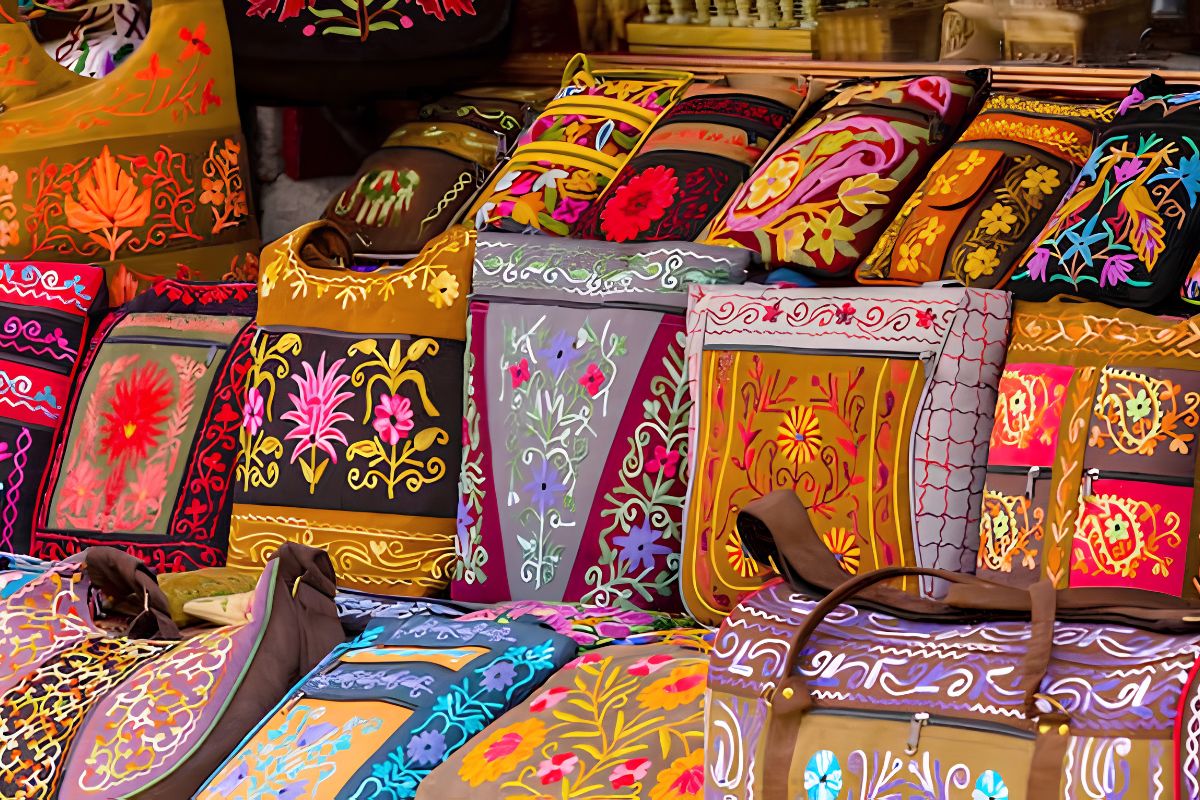
Consumers can support the sector meaningfully by buying authentic handloom products, asking where and by whom they were made, and paying prices that reflect the labour involved. Designers and retailers can build long-term partnerships with weaving communities instead of borrowing traditional motifs for a single collection. Policymakers can measure success not by the number of schemes announced but by whether weaver incomes have actually risen.
The loom has already proved it can preserve memory across generations. Whether it can also become a source of stable and rising income for the people who work it will determine whether India’s handloom heritage survives as a living industry or slowly turns into a memory.
Also Read: Ex-Journalist Built Free Boarding School in India’s Highest Village for Children
You can connect with DNN24 on Facebook, Twitter, and Instagram and subscribe to our YouTube channel.