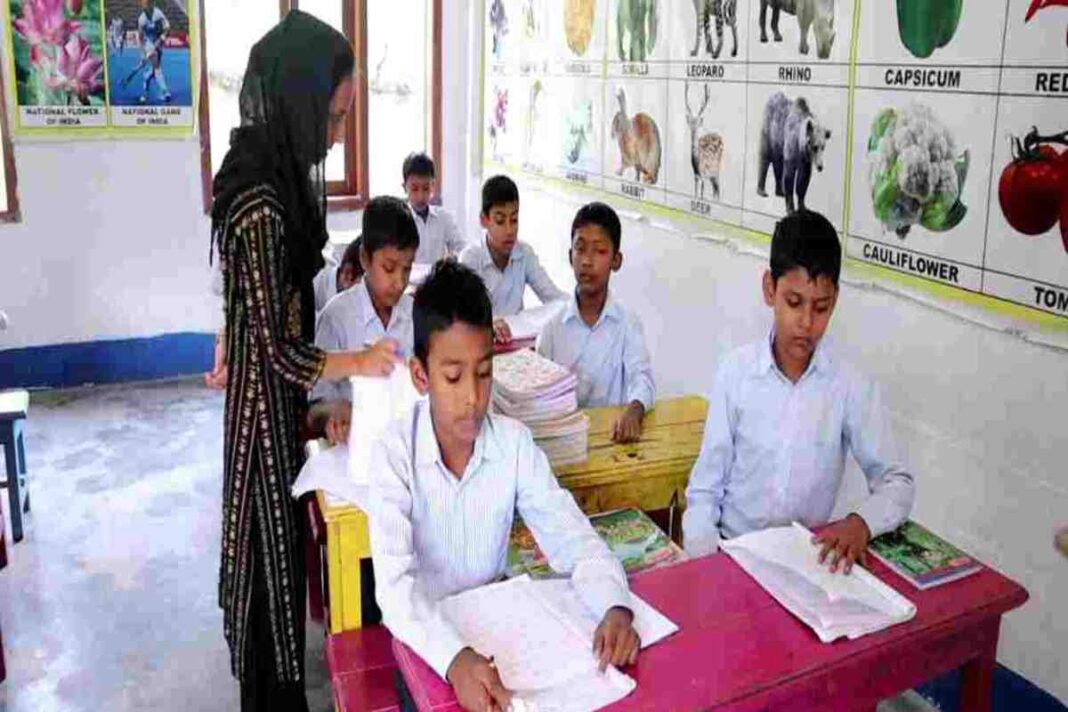

In a world where education is the key to unlocking one’s full potential, the Ajmal Foundation, spearheaded by perfume baron and politician Maulana Badruddin Ajmal, has set a remarkable example in Assam. Established in 2019, just before the onset of the COVID-19 pandemic, the Ajmal Modern Residential School in Bhelowguri, Dabaka, Hojai district, Central Assam, stands as a beacon of hope for education. The school caters to students from classes four to eight, with plans to expand its reach to Class XII shortly.
Empowering the Underprivileged
What sets the Ajmal Modern Residential School apart is its unwavering commitment to empowering meritorious children from economically disadvantaged families, not only in Assam but also from remote areas in other Northeastern states. The school goes beyond offering just education.
Balancing Modern Education and Values
The Ajmal Modern Residential School is not just about modern education; it is a place where values, sports, and religious teachings coexist harmoniously. The school follows a carefully designed daily schedule, starting with Fazr namaz (dawn prayer), making five-time prayers a mandatory practice for Muslim students.
Nourishing Minds and Bodies
The school’s commitment extends beyond academics. Students receive three meals daily, along with health drinks and fruits. The school takes exceptional care of their nutrition, ensuring their health and well-being are in the best possible state. This level of attention and care rivals, if not surpasses, the respect that some children receive in their own homes.
Values and Religious Education
The Ajmal Modern Residential School recognizes the importance of values and faith in a child’s development. It provides elementary education in Islam, and all Muslim students must attend Muktab (Islamic elementary education) regularly.
Conclusion
The Ajmal Modern Residential School is more than just an institution for education; it’s a symbol of hope and empowerment. By offering free education and holistic care to underprivileged students, it breaks down barriers that hinder access to modern education.
For a detailed story, please visit: Awaz the voice
Also Read: India’s Global Leadership: G-20 and Development
You can connect with DNN24 on Facebook, Twitter, and Instagram and subscribe to our YouTube channel.