


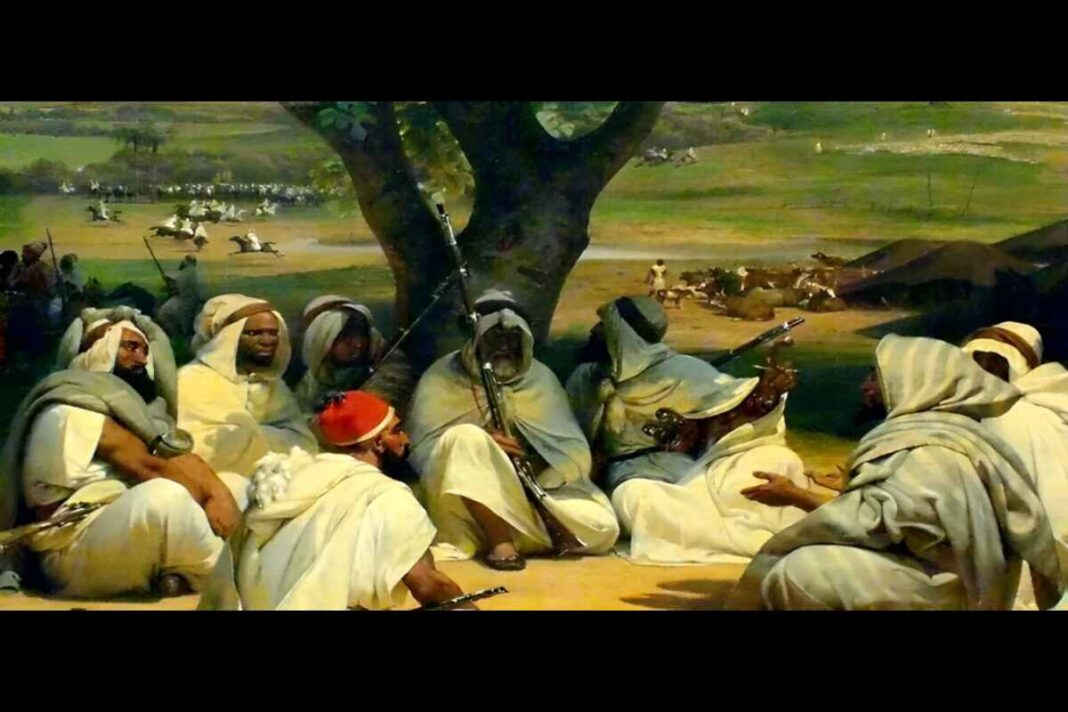

Islam places profound emphasis on peace, harmony, and brotherhood, recognizing them as fundamental pillars for human existence and societal growth. Peace in Islam, signifies a state of socio-economic and political stability that nurtures development, prosperity, and happiness for individuals and communities alike. Islam emerged amidst a backdrop of incessant warfare and social unrest in pre-Islamic Arabia, bringing forth a transformative message of peace, love, and coexistence.
Transforming the Culture of Violence
Before Islam, the Arabian Peninsula was plagued by perpetual battles, blood feuds, and social injustices, where the powerful exploited the weak, and vulnerable groups lived in constant fear. Islam challenged this paradigm, advocating for the sanctity of all life and the dignity of every individual, regardless of their background. The early years of Islam witnessed a remarkable transformation, as the message of peace replaced the culture of violence and conflict.
Teachings of Peace and Reconciliation
The significance of peace in Islam is evident in its very name, which means “peace.” Islamic greetings, such as “May Peace and blessings of Allah be with you,” underscore this peace-oriented ethos. The Quran begins with verses invoking Allah’s mercy and compassion, highlighting the importance of peace, coexistence, and kindness towards all beings. Prophet Muhammad’s teachings exemplify Islam’s emphasis on peace and reconciliation, even in the face of adversity. He instructed his followers to prioritize peace and safety, offering amnesty to enemies and striving to diffuse conflicts.
While Islam faced defensive wars in its early stages, it prioritized the preservation of life and property, with clear directives from Prophet Muhammad to avoid harming non-combatants and minimizing destruction. The Treaty of Hudaibia stands as a testament to Islam’s commitment to peace, transcending personal interests for the greater good. Quranic verses and sayings of the Prophet emphasize the virtues of humility, forbearance, and responding to ignorance with peace, underscoring the importance of peaceful coexistence.
For detailed story, please visit: Awaz the voice
Also Read: India’s Global Leadership: G-20 and Development
You can connect with DNN24 on Facebook, Twitter, and Instagram and subscribe to our YouTube channel.