

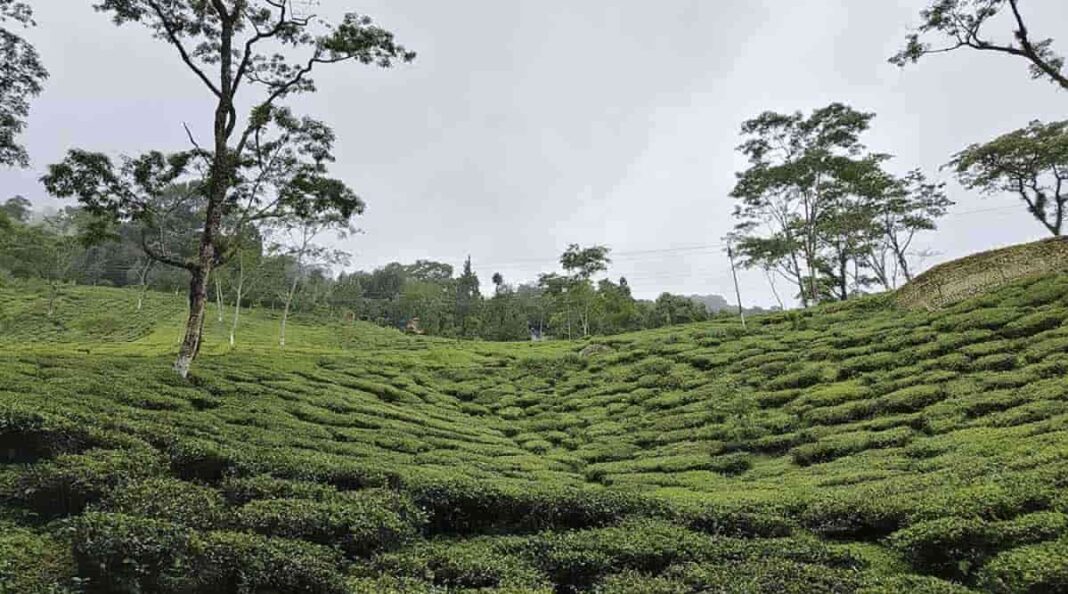

Opportunities abound for tea cultivation in Bihar and India as the demand for tea continues to grow globally. With favourable climatic conditions and vast areas of arable land, the region has the potential to become a significant tea producer and exporter, boosting the local economy and providing new employment opportunities. Tea cultivation has been an important agricultural activity in India for over a century. However, in recent years, Bihar has emerged as a significant tea-growing state in India.
The tea cultivation in Bihar’s Kishanganj district is a testimony to the transformative power of agriculture. In this article, we will explore the history of tea in India and Bihar, the potential and opportunities in tea cultivation, how to prepare the soil for tea cultivation, pest management in tea cultivation, market opportunities, and the cost of cultivation.
History of Tea Origin and Present Scenario of Tea in India and Bihar:
The history of tea in India dates back to the early 19th century when the British East India Company introduced tea cultivation. Today, India is one of the largest tea producers in the world, with the tea industry contributing significantly to the country’s economy. Tea cultivation in the Kishanganj district has recently gained momentum, putting Bihar on the map for tea production.
Scope and Opportunities in Tea Cultivation in Bihar and India:
Tea cultivation can generate significant employment opportunities, especially in rural areas. With its fertile land and favorable climatic conditions, Bihar suits tea cultivation well. Tea cultivation has the potential to become a significant source of income for farmers and help develop rural areas.
How to Prepare Soil for Tea Cultivation:
Preparing soil for tea cultivation is crucial in ensuring the crop’s success. The soil should be well-drained and have a pH range of 4.5 to 5.5. It is advisable to conduct a soil test to determine the nutrient requirements of the soil. The soil should be ploughed and tilled to a 30 to 45-cm depth. The land should be levelled and terraced to prevent soil erosion.
Insects Pest Management in Tea Cultivation:
Pest management is an essential aspect of tea cultivation. Common pests that affect tea plants include red spider mites, tea mosquito bugs, and thrips. Farmers can use organic methods such as neem oil, garlic spray, or chemical pesticides to manage these pests. It is important to follow the instructions on the pesticide label carefully to avoid any negative impacts on the environment and the tea plants.
Market Opportunities:
The demand for tea is increasing globally, and India is one of the largest exporters of tea in the world. The Indian tea industry offers many opportunities for investors, exporters, and farmers. The tea industry is an important source of employment, and the growth of the industry is expected to create more job opportunities in the future.
Cost of Cultivation in Tea Cultivation:
The cost of cultivation in tea cultivation depends on several factors, such as land preparation, planting, pruning, pest management, and harvesting. The cost of tea cultivation in Bihar is lower than in other tea-growing states in India. However, the cost of cultivation can vary depending on the size of the tea garden and the methods used for pest management.
Income and Benefits from Tea Cultivation for Farmers:
Tea cultivation can provide a steady source of income for farmers. The income generated from tea cultivation can help farmers improve their living standards and invest in education and healthcare. Moreover, tea cultivation can create employment opportunities for the local community and contribute to the overall development of rural areas.
Conclusion:
Tea cultivation could transform the agricultural landscape of Bihar and India. With favourable climatic conditions and fertile land, Bihar is well-suited for tea cultivation. Tea cultivation can provide farmers with significant opportunities and contribute to rural areas’ overall development. By focusing on sustainable and organic farming practices, the tea industry can become a source of income and employment for millions.
Also Read: The Importance Of A Balanced & Nutritious Diet: Impact On Physical & Mental Health
You can connect with DNN24 on Facebook, Twitter, Instagram and subscribe to our YouTube channel.