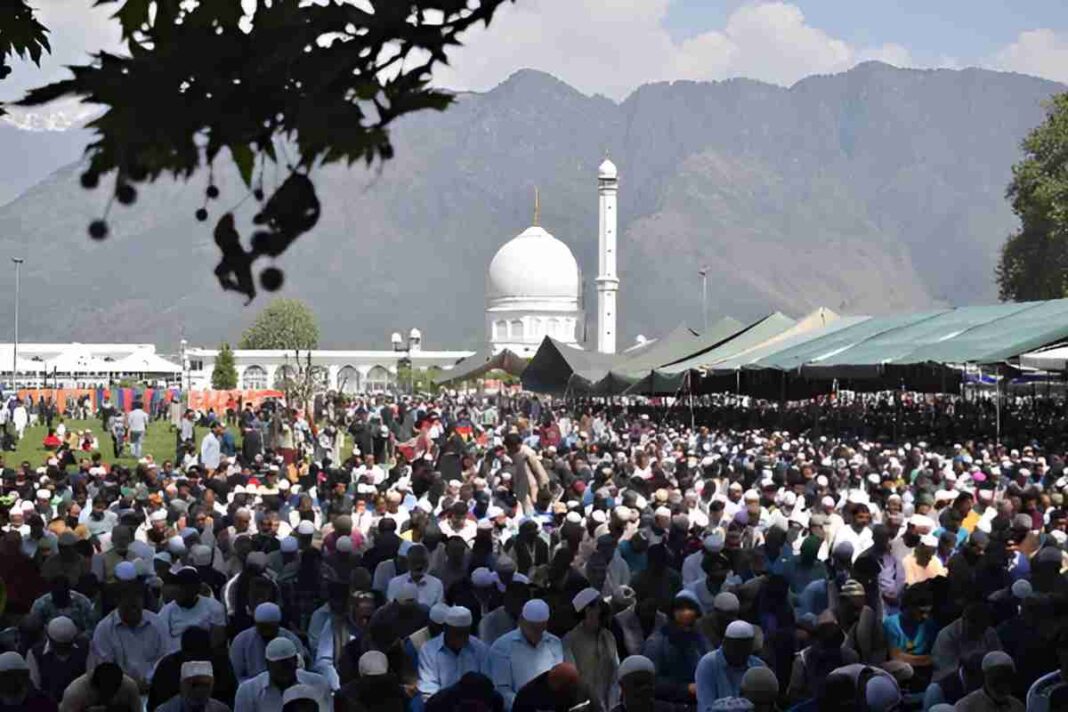

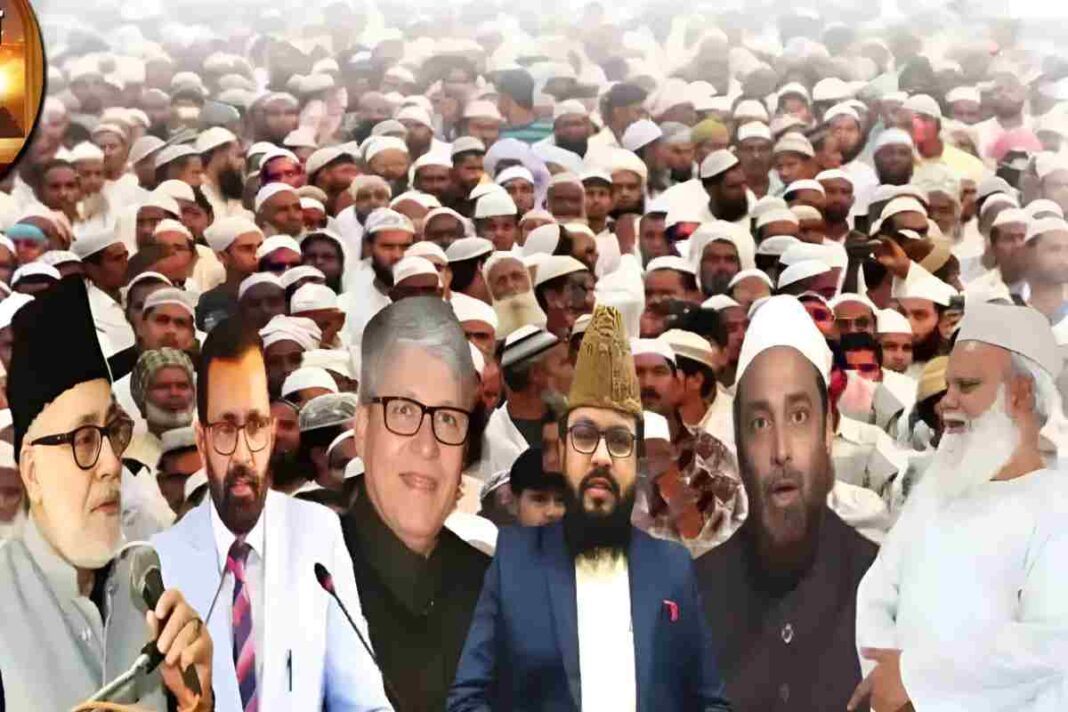

The Role and Evolution of Ulema, esteemed religious scholars, has remained a constant in Muslim societies over centuries, notably in India’s history. In the pre-British era, Ulema thrived as private tutors, often attached to royal courts. They oversaw madrasas, nurturing scholars for administrative and judicial duties under Sultans and Mughals.
The landscape changed during the Mughal reign when Farangi Mahal Ulema emerged in Lucknow, fostering graduates for princely service. Notably, the Calcutta Madrasa, established by the British, was led by a Farangi Mahal alumnus. The Farangi Mahal significantly standardized the religious curriculum, known as Dars-i-Nizami, taught across Indian seminaries to date.
A pivotal shift occurred with Shah Waliullah Dehelvi, advocating expanded social and political roles for Ulema, contrasting Farangi Mahal’s focus. His influence shifted the religious education centre from Lucknow to Delhi. Waliullah’s emphasis on the Quran and Sunnah for legal guidance over blind adherence to past laws (taqlid) resonated, leading to a broader impact.
Waliullah’s legacy faced British suppression post-1857 rebellion. The British targeted Ulema’s revivalist movement, akin to contemporary counter-terrorism efforts. The casualties and arrests, notably at Shah Abdul Aziz’s preaching site, underscore this struggle.
Sir Syed Ahmed Khan’s reformist efforts and the British strategy to counter Islamic revivalism led to the establishment of Mohammed Anglo-Oriental College (later AMU) in Aligarh. This fostered an independent Muslim identity, causing a conservative-modernist schism and impacting Muslim opinions.
Despite British restrictions, Ulema bolstered their community through publications and public discourse, leveraging print technology and Urdu to share knowledge widely. They also ardently joined the freedom struggle, with some sacrificing their lives. Aligning with Mahatma Gandhi in the Khilafat Movement, Ulema varied in their stance on the two-nation theory, advocating for a united India under Congress and democratic values.
This intricate history paints Ulema in multifaceted hues, encompassing their faith-driven leadership, contributions to education, and engagement in national struggles. Their evolution mirrors India’s journey through colonial subjugation, sociopolitical shifts, and their steadfast commitment to faith and community.
For a detailed story, please visit: Awaz the voice
Also Read: Chandni Begum: The Courtesan Poetess
You can connect with DNN24 on Facebook, Twitter, and Instagram and subscribe to our YouTube channel.