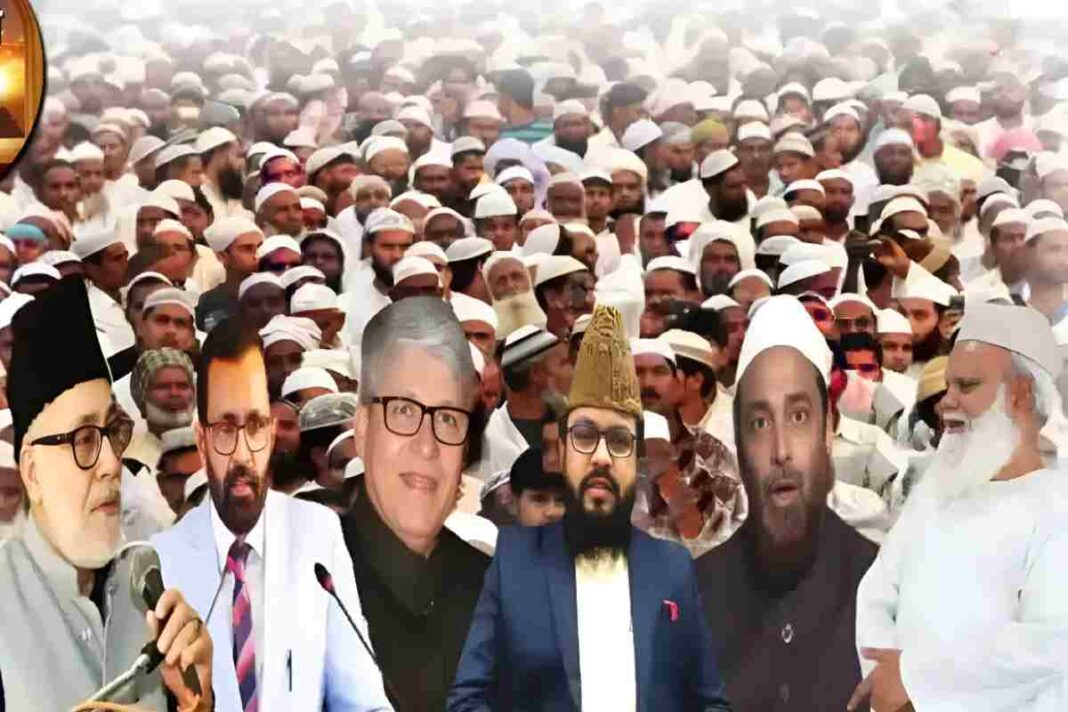

The Friday congregational prayers offer Muslims a unique opportunity for self-improvement and spiritual guidance through the Khutba (sermon). However, a disheartening reality prevails—many attendees of Friday prayers either disregard the message or only partially heed it. This has ignited discussions questioning the efficacy and objectives of this significant ritual, raising queries about its origins, intentions, and present-day implementation.
The Friday sermon, or Khutba, serves as a beacon of guidance that can prevent Muslims from straying, infuse hope in trying times, underscore the importance of their faith and responsibilities, and dispel hatred, ultimately fostering religious tolerance.
Scholars and Muslim intellectuals assert that the effectiveness of the Friday sermon hinges on the selection of topics by the Imam, as well as the language and comprehensiveness of the discourse. Many advocate employing local languages alongside standard mediums like English, Hindi, Arabic and Urdu terminology to resonate with the contemporary generation of worshippers.
The deliberation intensifies on whether non-scholars are qualified to deliver the Friday sermon. The opinions among scholars vary on this matter, sparking further debate on the evolving role of Imams.
In a changing world, the Friday sermon remains crucial, going beyond religious teaching to include social, political, and professional awareness. It serves as a medium to educate Muslims, inculcating a sense of responsibility and connection to society.
Advocates recommend starting the sermon in the local language for better audience connection and effective knowledge communication. Scholars propose involving younger generations in sermons, promoting research, and using English to bridge generational and language divides.
Reinvigorating the Friday sermon requires collaboration among scholars, central institutions, and organizations. Guidelines for Imams to use social media or email can modernize Khutba, aligning it with contemporary Muslim aspirations and challenges.
Adapting the Friday sermon, rooted in history and spirituality, for current relevance ensures it resonates and impacts worshippers’ lives continuously.
For a detailed story, please visit: Awaz the voice
Also Read: Chandni Begum: The Courtesan Poetess
You can connect with DNN24 on Facebook, Twitter, and Instagram and subscribe to our YouTube channel.