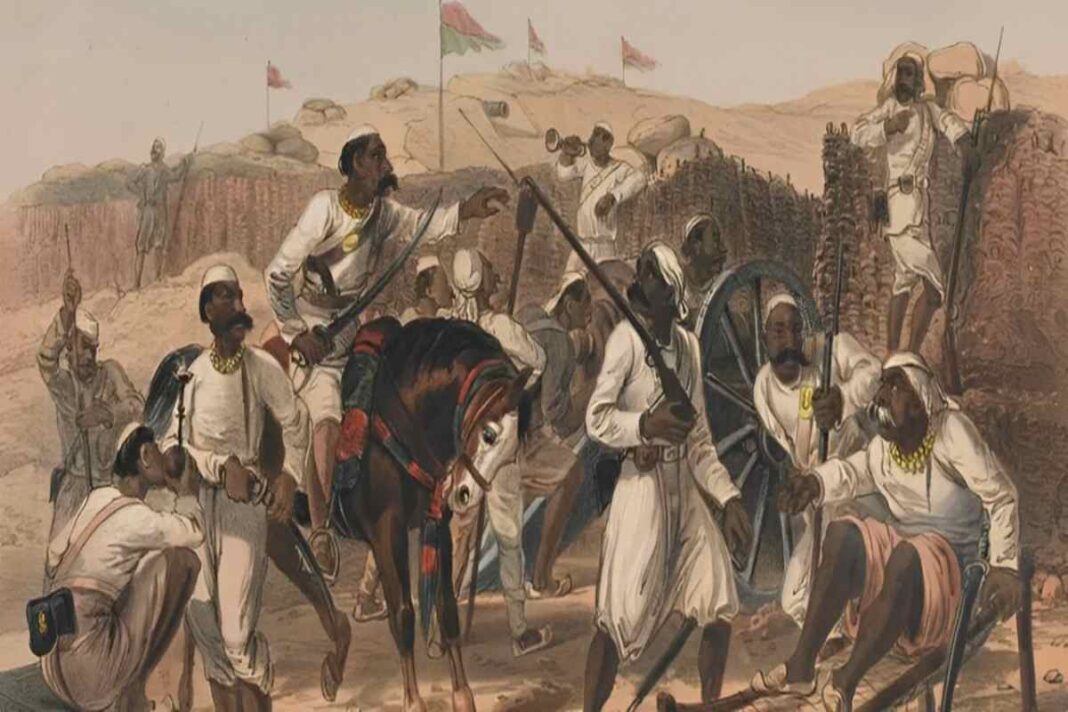


In 1844, Surat saw a big protest the salt tax. The British had raised the tax on salt from 8 Annas to 1 Rupee per mound (about 37 kg). This made people very angry. Sharif Shaik, a religious leader, led the Surat Salt Protest. On 30 August, he took 30,000 people to the British offices in Surat.
How the Protest Grew
At first, the British thought only poor Hindus were protesting. But soon, they saw that rich Hindus, Muslims, and Parsis had also joined. The protest got bigger and bigger. People closed their shops and stopped working. Some even threw stones at the judge’s house.
The British Response
The British sent soldiers to control the crowd. In the fight, an old woman died, and many people got hurt. The British were worried that the protest might turn violent. They asked Sharif Shaik to explain what the people wanted. Sharif told them to reduce the salt price to what it was before.
The People’s Victory
On 31 August, just one day after the big protest, the British gave in. They removed the new salt tax. The Bombay Times reported that the British officials had to “yield to the wishes of the people.” People were very happy. They opened their shops and went back to work within an hour.
This protest was important because:
– It showed that peaceful protest could work against the British.
– People from different religions and classes came together.
– The British had to listen to what the Indian people wanted.
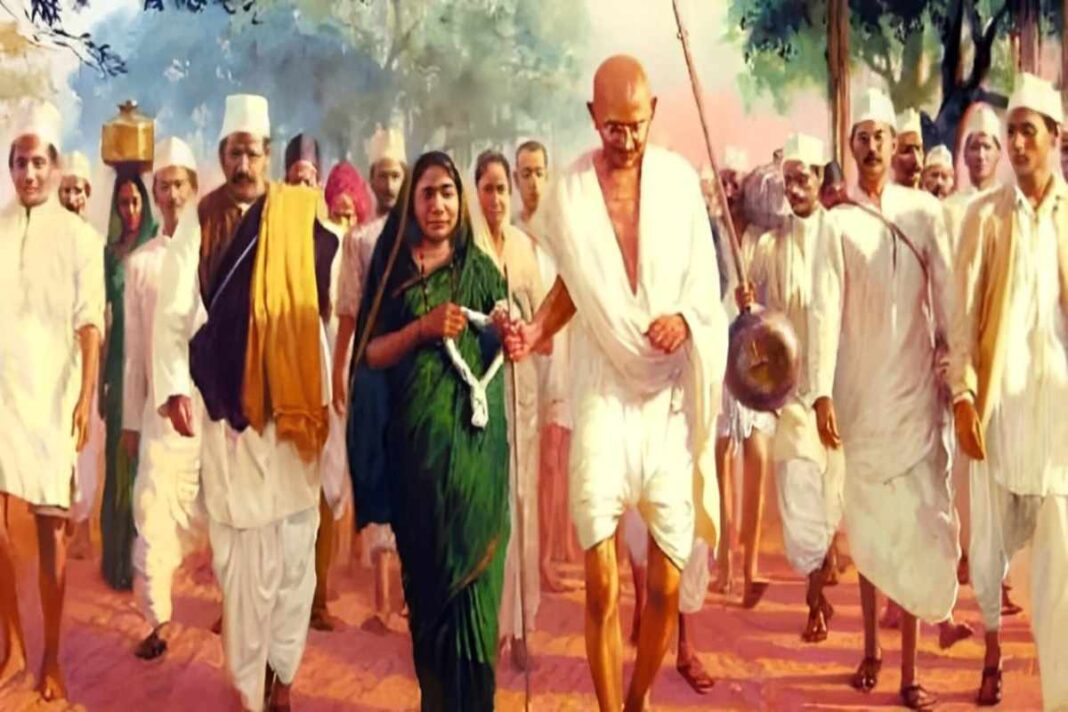
– It happened long before Gandhi’s famous Salt March in 1930.
The Surat Salt Protest of 1844 is not as well-known as other protests the British. But it was a big win for the Indian people. It showed that when people come together, they can make the government change unfair laws.
For detailed story, please visit: Awaz the voice
Also Read:The Magic of Storytelling: Shazi Zaman
You can connect with DNN24 on Facebook, Twitter, and Instagram and subscribe to our YouTube channel.