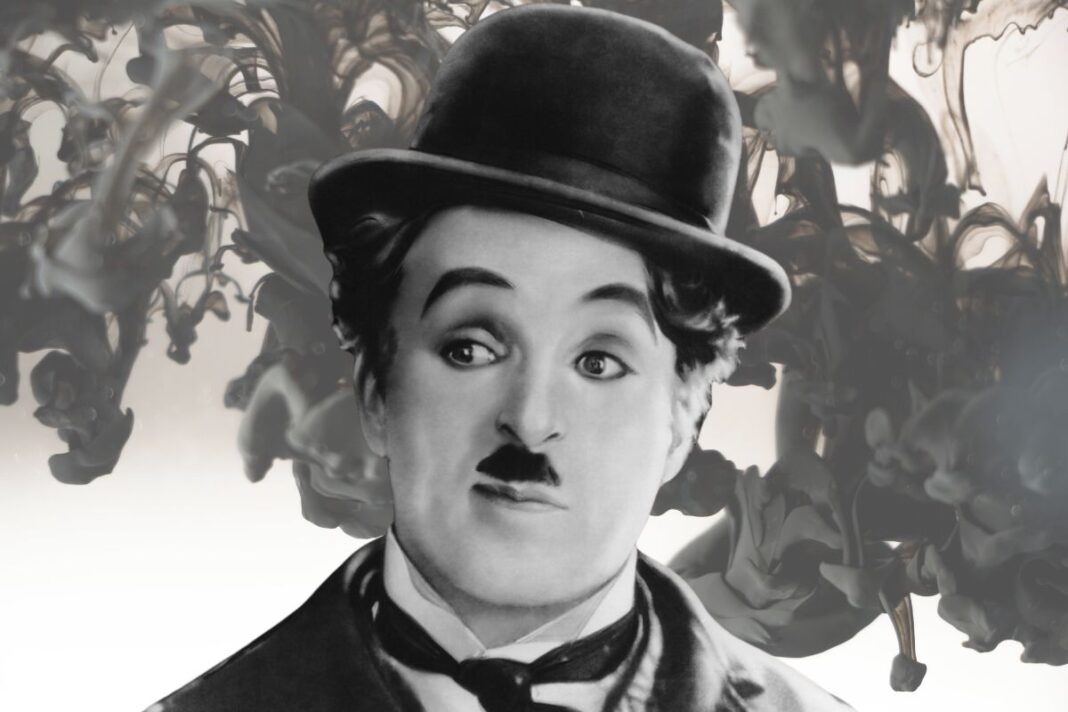

It is difficult to gauge how popular Charlie Chaplin was during his heyday. The world’s greatest artists, painters, poets, politicians, and beautiful women counted themselves among his circle of close friends. In his poem ‘Autobiography’, the great Turkish poet Nazim Hikmet writes:
“I felt envy toward the women I loved;
Yet I felt not the slightest jealousy toward Charlie Chaplin.”
Throughout his cinematic journey, spanning the transition from silent films to talkies, Charlie Chaplin captivated the world. As an actor, producer, screenwriter, and director, his body of work is vast and profound.
Chaplin’s persona of cinema’s greatest clown capable of evoking heart-wrenching pathos garnered immense love from everyone, from children to the elderly. His 1940 film, *The Great Dictator* which lampooned Hitler’s image of invincibility in the midst of the Second World War stands as one of the most courageous artistic endeavours of its time. By then, he had already spent twenty-five years making films, and his name was recognized across the globe.
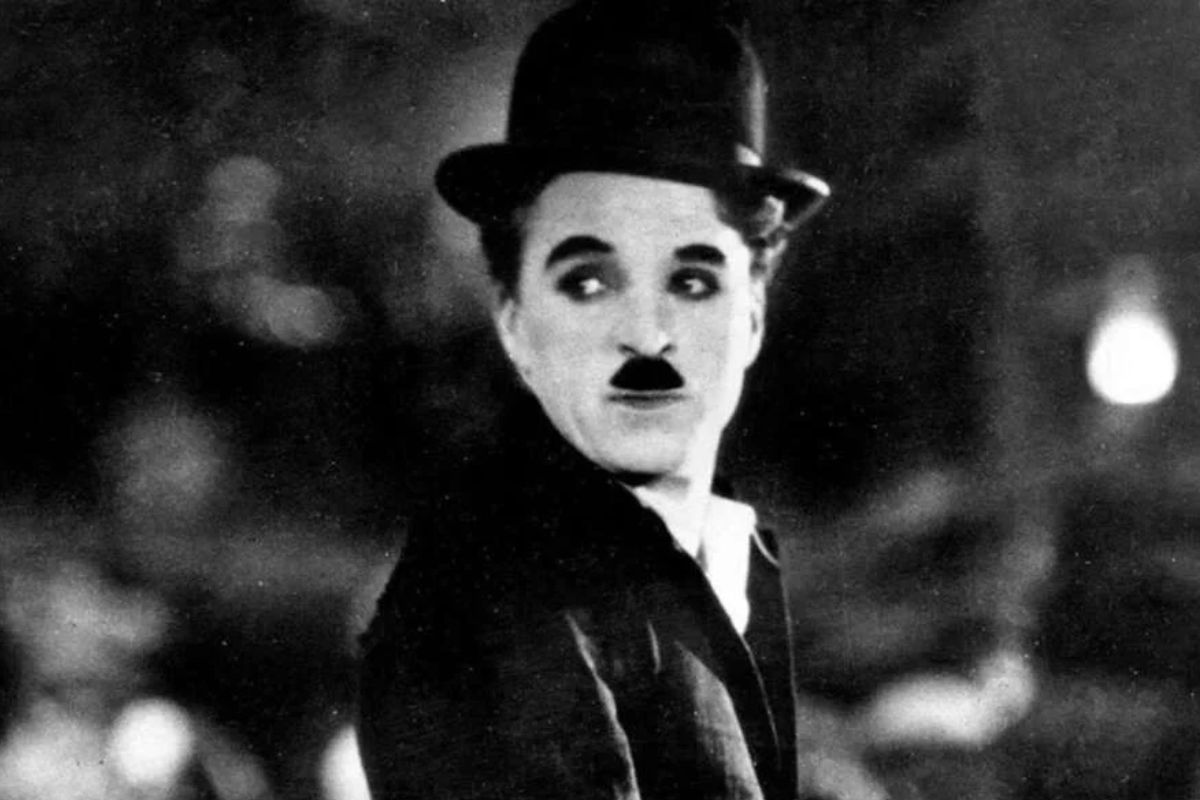
For seven years following 1940, the war prevented him from producing any new films. During this hiatus, the global political landscape underwent a radical transformation. It was a perilous time for those who dared to call right “right” and wrong “wrong”; an atmosphere of fear and intimidation prevailed.
In such a climate, Charlie Chaplin could easily have chosen to continue playing his established role as a clown, thereby filling his coffers. But he chose not to do so. In 1947, he produced a film titled *Monsieur Verdoux*. In this film, Chaplin took on the role of a serial killer.
Based on the life of a French criminal from the 1920s, the film tells the story of a bank clerk who, despite having served for thirty years, is laid off in the wake of the post-war economic downturn. His family includes a disabled wife confined to a wheelchair and a child. Driven by the need to provide for his family, he reluctantly enters the world of crime. His *modus operandi* involves ensnaring wealthy widows in a web of romance, murdering them, and appropriating their fortunes. Eventually, he is apprehended and sentenced to death.
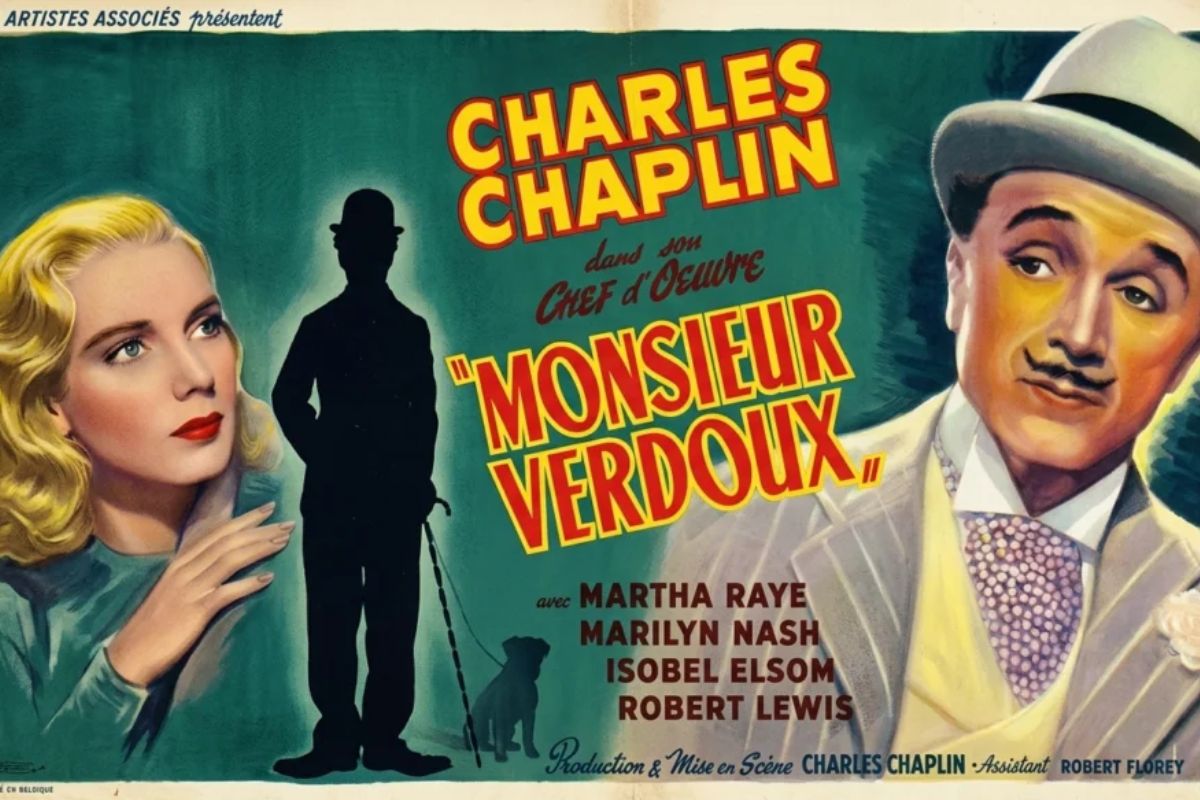
This film is a black comedy in which Chaplin draws a satirical parallel between private and public murder. In court, the film’s protagonist, Verdoux, declares: “As for the accusation that I am a mass murderer, does your world not encourage precisely that? Is the manufacture of weapons for war not mass murder?” Speaking to a reporter who visits him in his prison cell, he remarks: “A single murder makes you a villain. A million murders make you a hero. With sufficient numbers, murder itself becomes a sacred enterprise, my friend!”
Charlie Chaplin’s genius shines brightest in the film’s final scene. Just before Verdoux is led to the guillotine, a priest comes to visit him and offers him a cigarette. He declines. Next, he is offered a glass of rum. He initially refuses, but then, having a sudden change of heart, he says: “I have never tasted rum in my life.” He downs it in a single gulp. The priest begins to murmur a prayer, and the guards lead Verdoux toward the guillotine. The film ends.
*Monsieur Verdoux* was released at a time when political paranoia was at its zenith. Since Chaplin had dared to hold up a mirror to society through this film, he himself became its victim.
The public rejected the film. During press conferences, instead of discussing the movie, journalists began barraging Chaplin with aggressive questions regarding his political ideology, his patriotism, and allegations of tax evasion. They demanded to know why Chaplin had not yet applied for American citizenship. The film had to be withdrawn from theaters due to political backlash and anti-communist sentiment in the United States. However, in his praise of the movie, James Agee, the world’s foremost film critic at the time, wrote: “This is one of the finest films ever made. I am convinced that any democracy unable to contain all its enemies within itself, no matter what form those enemies take, has already perished as a democracy.”
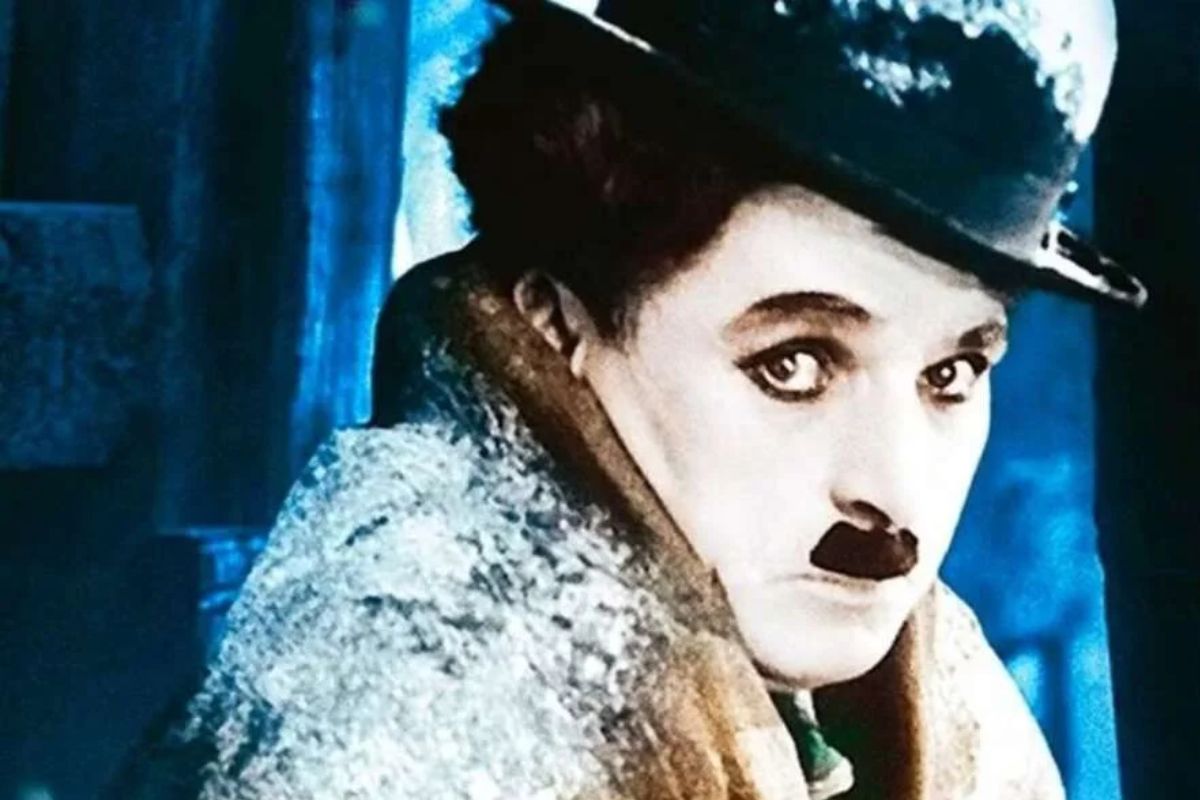
Chaplin was not an enemy of America, or any other nation. He was, undoubtedly, posing vital questions to a society in which there remained absolutely no room for dissent. In 1954, Charlie Chaplin left the United States and moved to Switzerland, where he passed away in 1977.
To remember Charlie Chaplin is to pay tribute to an artiste who, through his craft, undertook the doubly arduous task of both making people laugh and awakening their conscience during times of great adversity. It is to honor a magnificent soul who, when it came to speaking the truth, neither feared anyone nor bowed down before anyone. He was, by no means, merely a buffoon.