

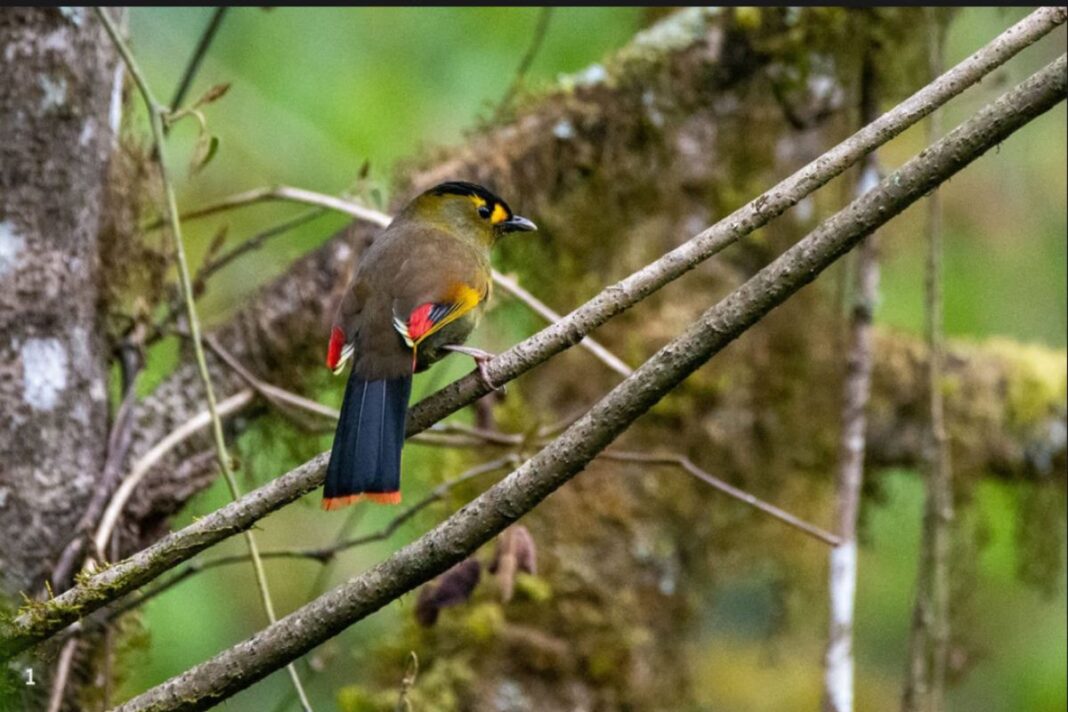

In the forests of Arunachal Pradesh, a tiny bird nobody had named became the reason an entire community changed how it lived.
The Bugun liocichla was formally described to science in 2006. It was found in a stretch of forest near Singchung, a small settlement in West Kameng district, occupied by the Bugun people, a tribe that had lived off that land through hunting, timber cutting, and subsistence farming for generations. The bird had never appeared in any catalogue before. It was wholly new, wholly local, and, as researchers quickly established, one of the rarest birds on the planet. Fewer than 250 individuals were thought to exist worldwide.
That single discovery set in motion a shift that has few parallels in Indian conservation history.
A Forest Seen Differently
For years before 2006, the forest around Singchung was treated as a resource to be drawn down. Wildlife populations thinned. Tree cover gave way to cleared ground. The land yielded what it could, and what it yielded kept shrinking.
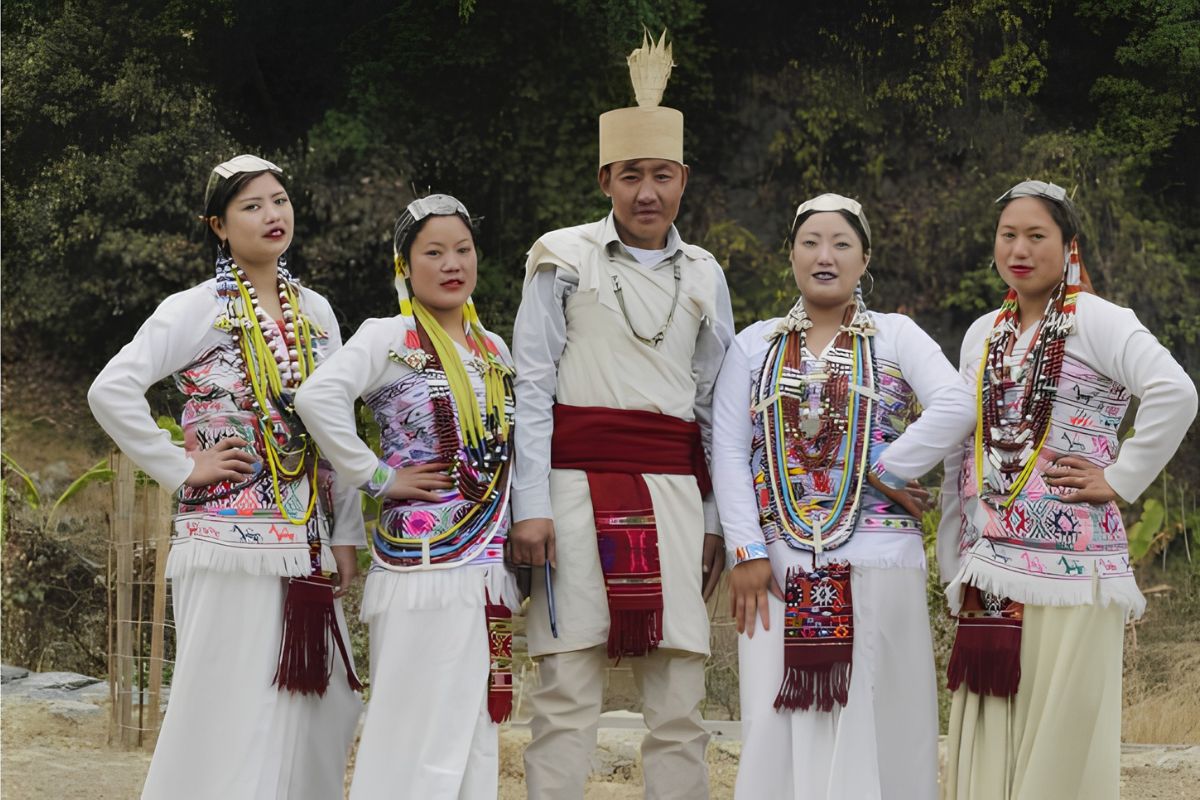
The Bugun liocichla changed the terms of that relationship. Not through any legal compulsion, and not because an outside agency arrived with a management plan, but because the bird made the forest visible to the world in a new way. A patch of jungle that had seemed ordinary suddenly had scientific worth, international attention, and the interest of ornithologists and birdwatchers from distant countries. The community was now sitting on something irreplaceable.
That recognition proved more persuasive than any conservation campaign might have been. The Buguns did not need to be told their forest had value. They could see it being confirmed in front of them.
A Reserve Built From Within
In January 2017, the Singchung Bugun Village Community Reserve (SBVCR) was formally constituted under the Wildlife Protection Act. It covers roughly 17 square kilometres of community-owned forest. The Arunachal Pradesh Forest Department supported the process, and researchers contributed guidance, but the governing authority remained local. The Singchung Village Council was the institution at the centre of it all.
The council had played its part in defining the reserve boundary, identifying which areas would be set aside for protection and which might allow limited traditional use. Once the reserve was established, the council’s role shifted to ongoing management: discouraging hunting, regulating access to the forest, and supporting on-the-ground patrol work. Conservation here was not a policy handed down from a government office in a distant city. It was a collective decision made by people who knew every path in those hills.
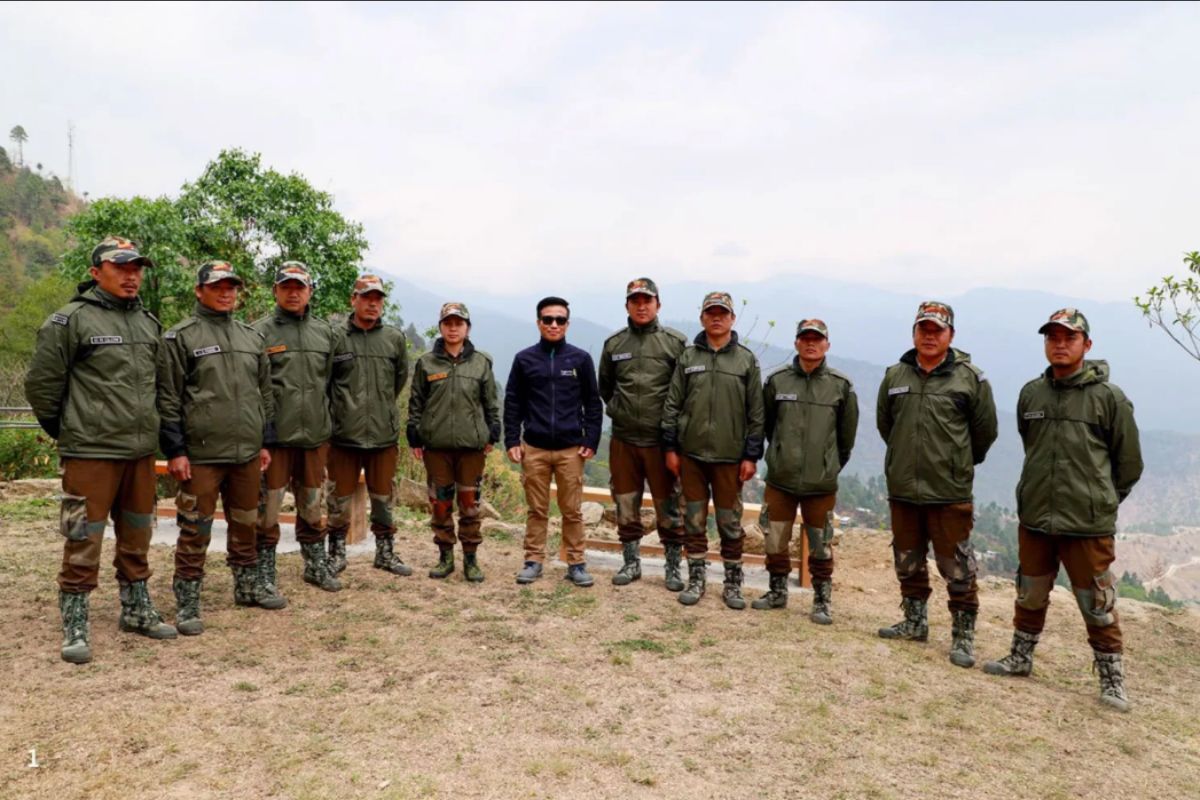
That distinction matters more than it might first appear. Rules that emerge from within a community carry a different kind of authority than rules imposed from outside. People patrol borders they believe in more reliably than borders they resent.
What the Forest Holds
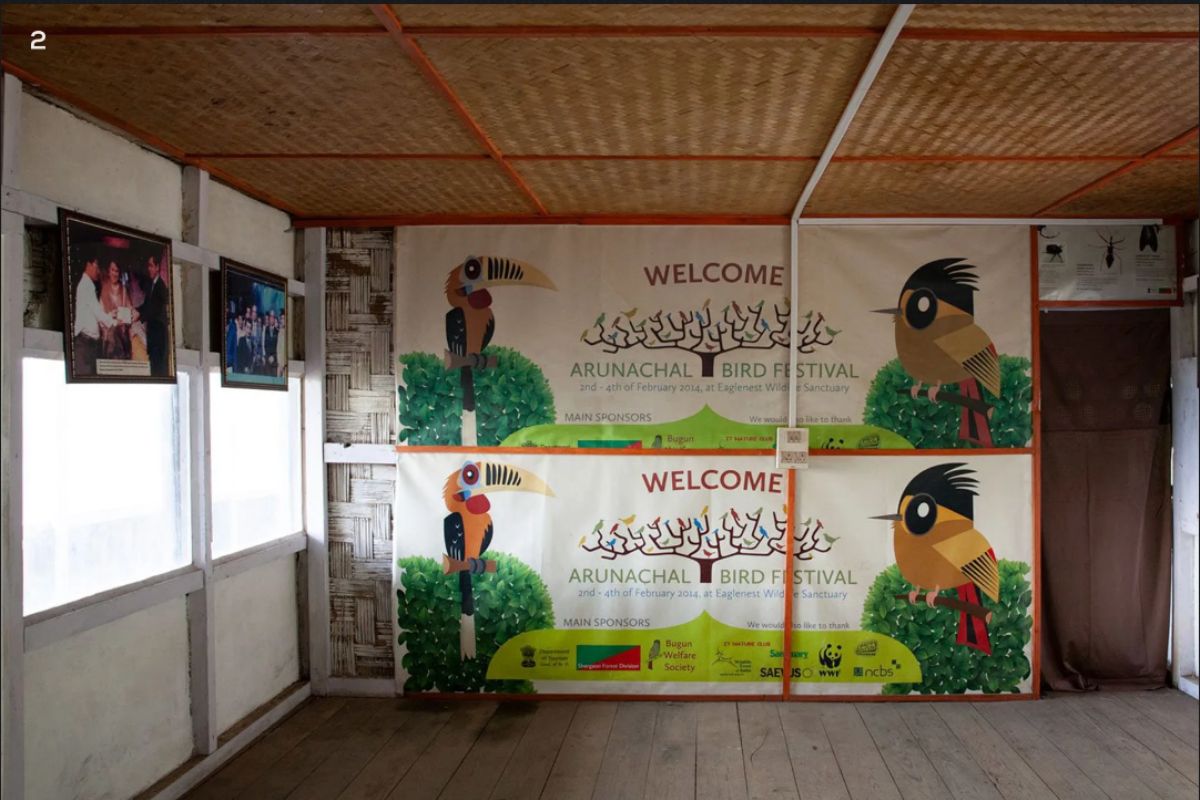
The reserve sits within the Eastern Himalayan biodiversity hotspot, a region regarded as one of the most ecologically significant on earth. The forests around Singchung support red pandas, Himalayan black bears, Asian elephants, clouded leopards, and golden cats, as well as an exceptional range of birdlife. The area borders Eaglenest Wildlife Sanctuary, long known to ornithologists as one of the finest birding destinations in Asia.
The Bugun liocichla remains the centrepiece. It is not merely rare in the way that many species are rare. Its entire known range fits within a few square kilometres. No other population has been documented elsewhere. If the Singchung forest goes, the bird goes with it.
Protecting that habitat also protects the watershed, the slope stability, and the clean water supply on which the village depends. Conservation and self-interest, in this case, point in the same direction.
When Protection Pays
The reserve opened a different kind of economy for the Buguns. Birdwatchers began arriving, drawn by the prospect of seeing the liocichla and the extraordinary variety of birds the surrounding forest supports. Villagers trained as guides. Others worked as patrol staff, cooks, and research assistants. Accommodation and logistics were managed locally. The money stayed within the community.
By some accounts, the tourism programme generated around Rs 17 lakh in its first year of operations. Later coverage indicates that the reserve has since become a high-value birding destination, with bookings often secured well ahead of the season. The economics of the reserve have made protection a paying proposition, not a sacrifice.
This is the shift that conservation programmes in far wealthier settings have often struggled to achieve. The people who live closest to the forest are typically the people who have the most to gain from consuming it. When they have an equally concrete reason to protect it, the calculation changes.
What the Bird’s Survival Tells Us
The Bugun liocichla is still classed as critically endangered. Its global population remains very small, and no dramatic recovery in numbers has been reported. By the measure of raw population figures, the conservation story is not yet a triumph.
However, that is not the right measure for a species at this stage of protection. The meaningful question is whether the downward pressure has been reduced and whether the conditions for survival are improving. On both counts, the answer appears to be yes.
The bird was resighted in the reserve after a period of concern, which confirmed that the population was persisting. Hunting has been reduced through patrol work. Forest fires, which can devastate a restricted habitat at an unusual rate, are being managed more actively. The trajectory that once pointed toward local extinction has been interrupted.
In conservation terms, preventing the next decline is often harder than it sounds and more important than it is given credit for. Stabilisation is its own achievement.
The Larger Argument
The Bugun story is frequently cited in conservation circles as a model, and the description is fair. However, what it models is worth stating precisely.
It is not a story about a charismatic species saving a community. It is a story about a community deciding that the land they live on is worth more intact than stripped, and then building the institutions and the economic logic to act on that decision.
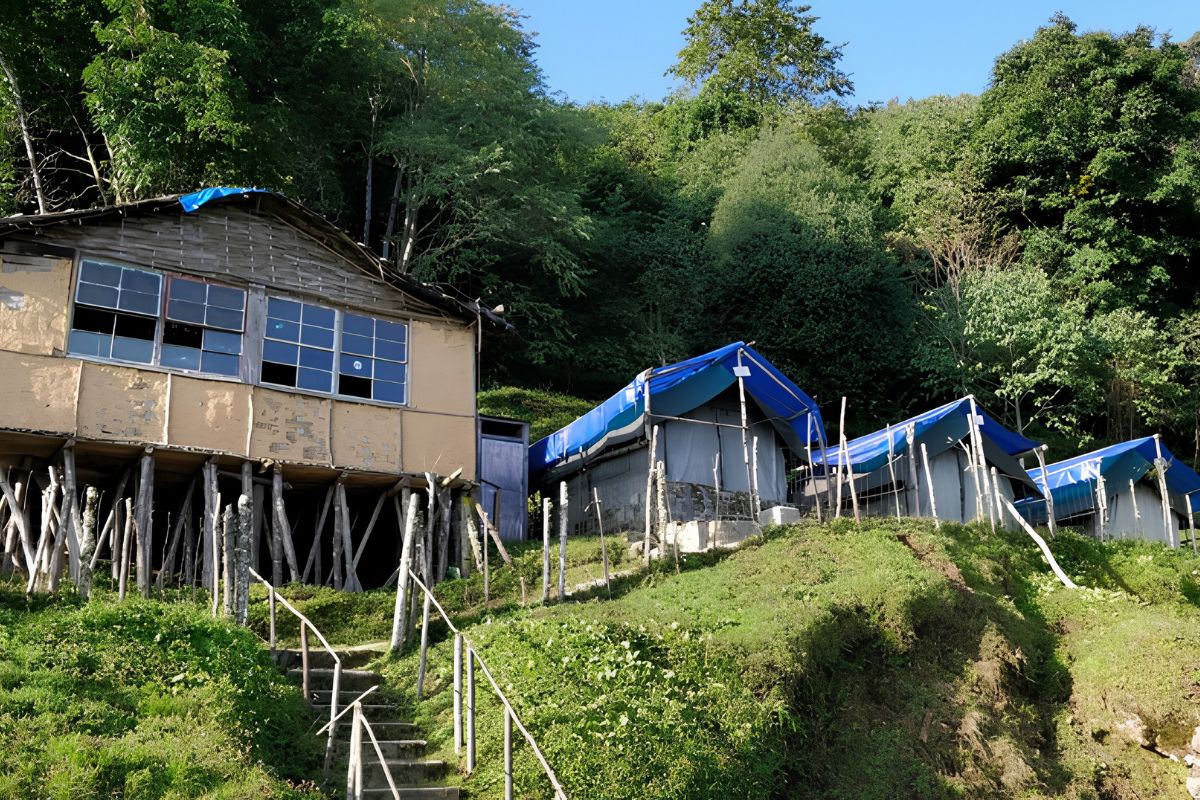
The village council created governance. The tourism programme created income. The patrol work created enforcement. These were not separate initiatives bolted together. They were parts of a single argument: that the forest, protected, could support the Bugun people for generations. That argument has so far held.
For forest communities elsewhere in India, and for the agencies and researchers who work alongside them, Singchung offers a straightforward lesson. Conservation that is owned by the people who live with its consequences does not need to be enforced from the outside. It enforces itself because the incentives are aligned.
The forest did not survive because people stepped away from it. It survived because they chose, with clear eyes and practical reasoning, to stay close and keep it whole.
Also Read: The Evolution of Yoga: From Ancient Wisdom to Modern Practice
You can connect with DNN24 on Facebook, Twitter, and Instagram and subscribe to our YouTube channel.