

The Persian word Takht means throne or seat of power. However, in Sikh history, the word has a much deeper meaning. A Takht is a place where spiritual beliefs meet social and political responsibilities. In Sikh tradition, these two responsibilities are known as Piri and Miri.
Today, the Sikh community recognizes five Takhts as its highest centers of religious and community authority. These are Akal Takht in Amritsar, Kesgarh Sahib in Anandpur Sahib, Patna Sahib in Bihar, Hazur Sahib in Nanded, and Damdama Sahib in Talwandi Sabo.
These five Takhts were not established at the same time. Their history developed over more than a century. Together, they tell the story of Sikhism from Guru Hargobind Sahib to Guru Gobind Singh and the recognition of Guru Granth Sahib as the eternal Guru.
Akal Takht: The Beginning of Sikh Authority
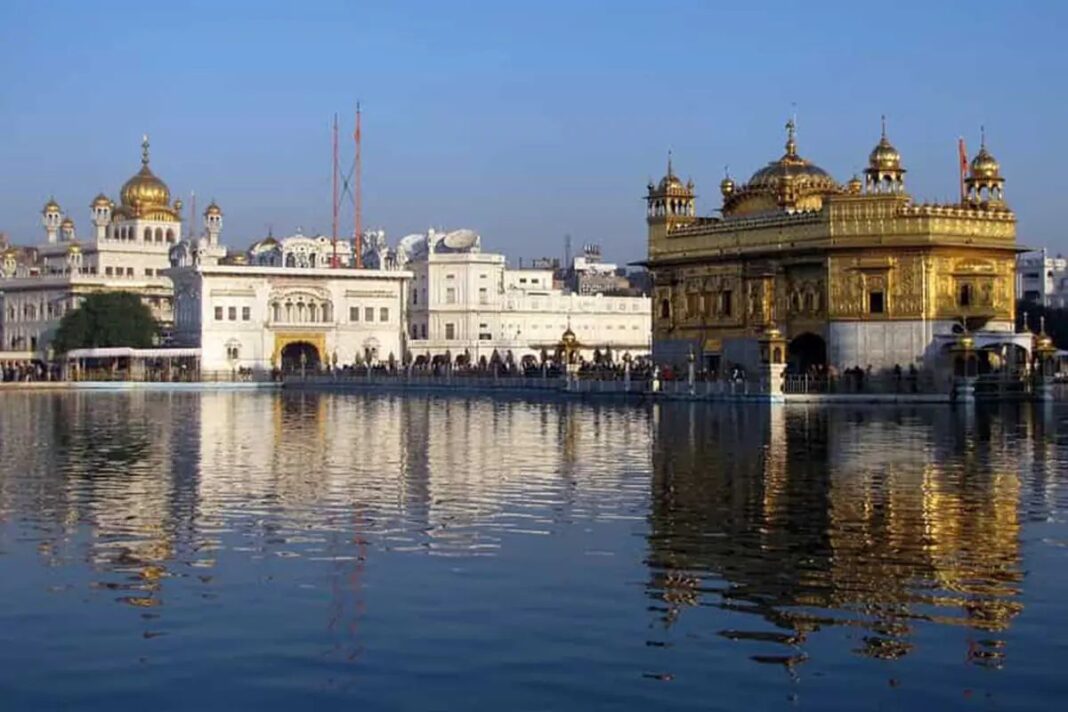
Located opposite Harmandir Sahib in Amritsar, Akal Takht is considered the oldest and highest of the five Takhts.
The sixth Sikh Guru, Guru Hargobind Sahib, established it in 1606.
This period was important in Sikh history. After the martyrdom of Guru Arjan Dev, the Sikh community faced a major question. Should religion remain only a path towards personal spiritual freedom, or should it also become a source of strength against injustice?
Guru Hargobind believed that both were equally important. Through the concept of Miri and Piri, he united spiritual values with worldly responsibilities. Akal Takht therefore became a key symbol of Sikh religious authority, collective responsibility, and resistance to injustice.
Kesgarh Sahib: The Birthplace of the Khalsa
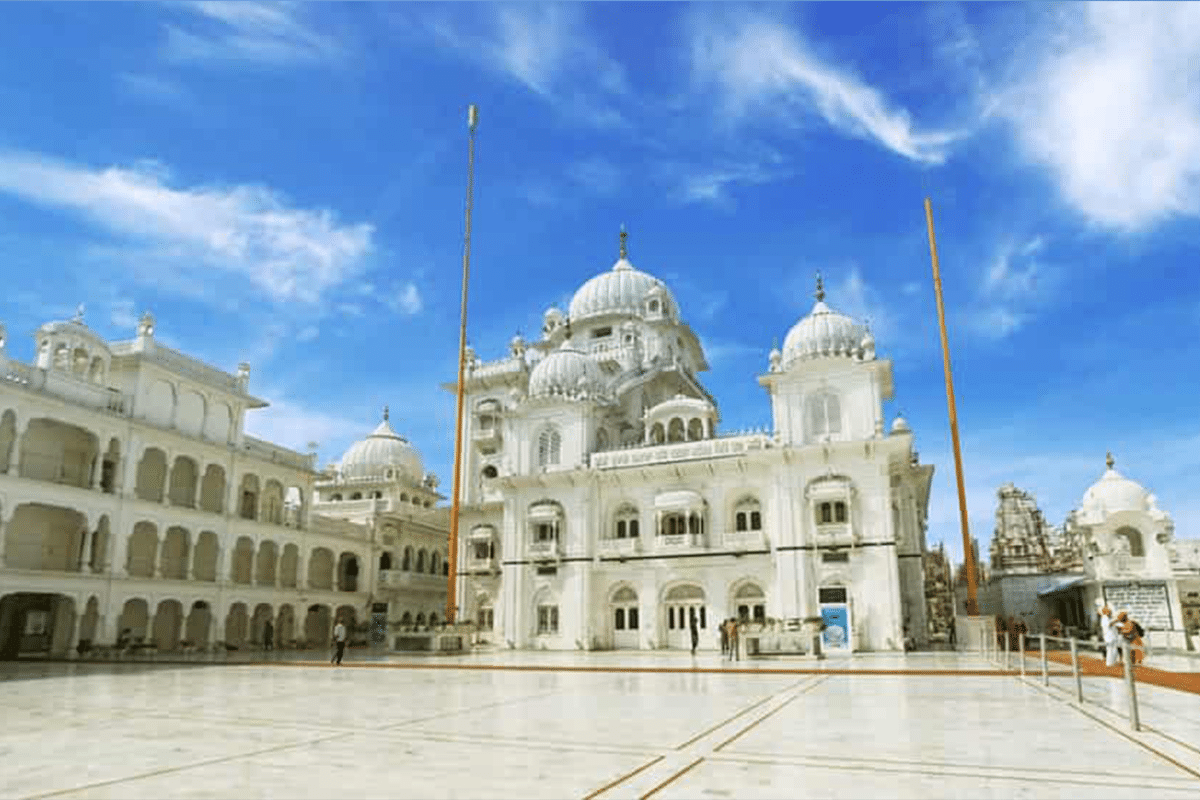
If Akal Takht represents the beginning of Sikh collective authority, Kesgarh Sahib in Anandpur Sahib represents the Khalsa’s birth. In 1699, Guru Gobind Singh organized a historic gathering at Anandpur Sahib.
During the gathering, he asked the assembled Sikhs to offer him a head. One by one, five men came forward. They were Daya Ram, Dharam Das, Himmat Rai, Mohkam Chand and Sahib Chand.
These five men later became known as the Panj Pyare, or the Five Beloved Ones. Guru Gobind Singh gave them Amrit and established the Khalsa Panth.
This event became one of the most important moments in Sikh history. Kesgarh Sahib continues to represent the founding of the Khalsa and its associated values.
Patna Sahib: The Birthplace of Guru Gobind Singh
Takht Sri Harmandir Sahib in Patna reminds us that Sikh history was never limited to Punjab. Guru Gobind Singh was born here on December 22, 1666.
The region also had connections with Guru Nanak and Guru Tegh Bahadur. At that time, Patna was an important city in eastern India. The local Sikh community played a major role in spreading Sikh traditions beyond Punjab.
Many memories of Guru Gobind Singh’s childhood are connected with this place. Patna Sahib is special because it tells the story of Guru Gobind Singh before he became the leader who established the Khalsa.
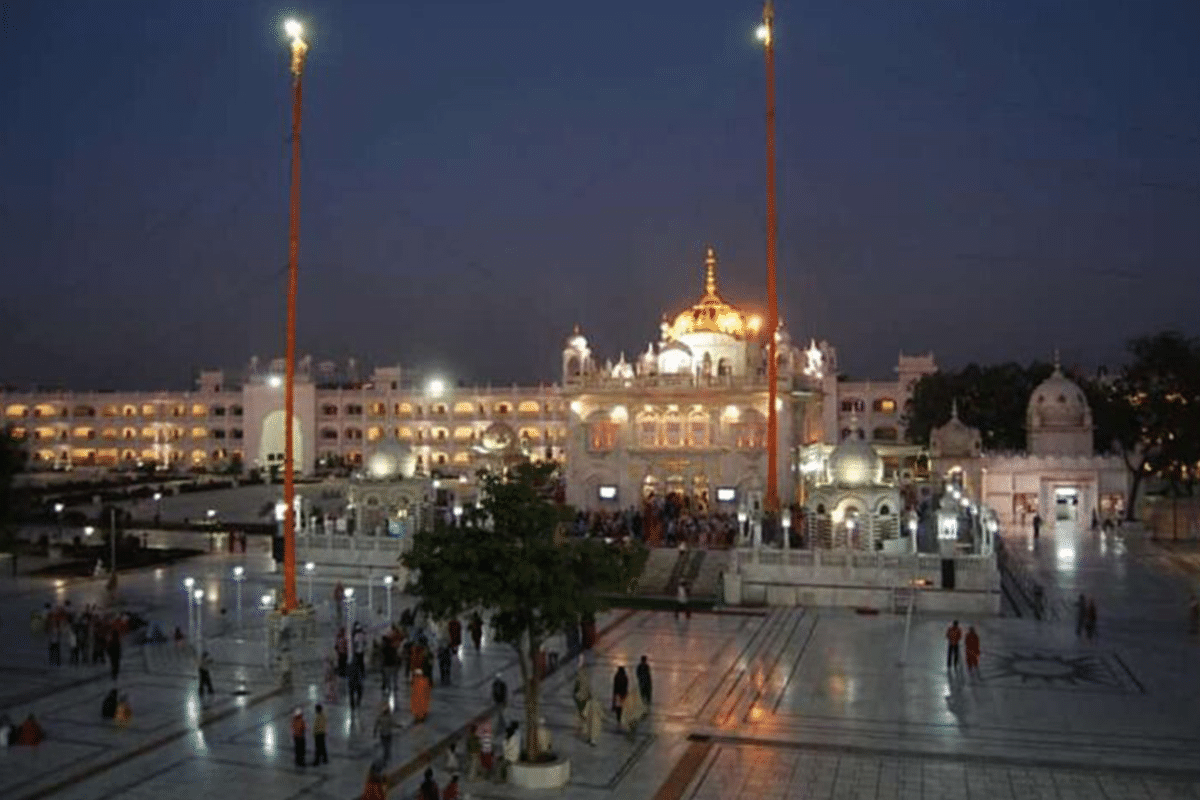
Here, Sikh history remembers him as the young Gobind Rai. The child born in Patna would later become one of the most important figures in Sikh history. For this reason, Patna Sahib marks the beginning of Guru Gobind Singh’s life journey.
Hazur Sahib: The Final Years of Guru Gobind Singh
Takht Sachkhand Sri Hazur Sahib is in Nanded, Maharashtra, about 1,500 kilometers from Punjab. It is connected with one of the most emotional chapters of Sikh history.
Guru Gobind Singh spent his final days here in 1708. At this historic place, he recognized Guru Granth Sahib as the eternal Guru of the Sikhs. This marked the end of one period in Sikh history and the beginning of another. Hazur Sahib is also connected with another important event.
Here, Guru Gobind Singh met Madho Das Bairagi, who later became known as Banda Singh Bahadur. Banda Singh Bahadur later played an important role in the political and social struggles that changed Punjab’s history.
Therefore, Nanded is remembered not only as the place where Guru Gobind Singh spent his final days but also as a place connected with the beginning of another important chapter in Sikh history.
Damdama Sahib: A Center of Learning and Sikh Literature
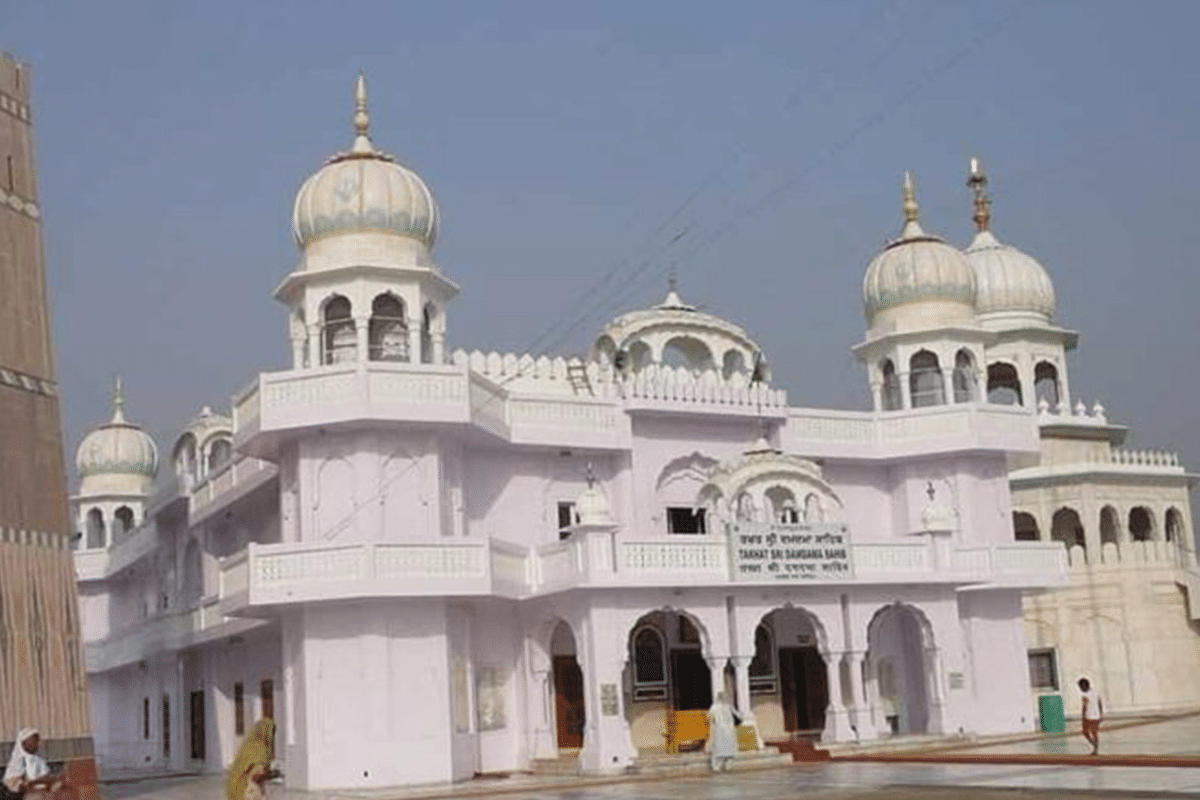
Takht Sri Damdama Sahib is located in Talwandi Sabo, Punjab. It is the most recently recognized Takht among the five. Guru Gobind Singh stayed here for approximately nine months during 1705–1706. After years of battles and continuous struggles, this place became a center of rest, study, and writing for him.
Because of its connection with learning and religious study, Damdama Sahib is also known as Guru Ki Kashi. According to Sikh tradition, Guru Gobind Singh worked with Bhai Mani Singh here to give the Guru Granth Sahib its final form.
The scripture also includes the writings of Guru Tegh Bahadur. On November 18, 1966, the Shiromani Gurdwara Parbandhak Committee officially recognized Damdama Sahib as the fifth Takht. This recognition completed the present group of five Takhts.
Five Takhts, One Shared History
The importance of the Panj Takht goes far beyond their buildings. Each Takht represents a different chapter of Sikh history.
Akal Takht marks the coming together of spiritual and worldly responsibilities. Kesgarh Sahib represents the birth of the Khalsa. Patna Sahib preserves the memories of Guru Gobind Singh’s childhood. Hazur Sahib marks his final days and the recognition of Guru Granth Sahib as the eternal Guru. Damdama Sahib represents learning, writing, and the preservation of Sikh religious teachings.
Together, these five Takhts reflect the Sikh community’s long journey, its religious beliefs, collective identity, and shared authority.
They are not simply historic religious buildings. They are living records of Sikh history, preserving the events, teachings and traditions that continue to shape the Sikh Panth.
Also Read: Why Nagaland’s Sekrenyi Is More Than a Festival: The Angami Tradition of Purification
You can connect with DNN24 on Facebook, Twitter, and Instagram and subscribe to our YouTube channel.