



Kashmir’s apple orchards have been a cornerstone of the region’s agriculture for generations. The valley’s unique climate, with its cool summers and cold winters, creates perfect conditions for growing apples. The region produces about 90% of India’s total apple production, making it truly India’s fruit bowl. The harvesting season typically starts in early October and continues until late November. Local farmers have preserved traditional farming methods while adopting modern techniques to enhance productivity. The apples grown here are known for their distinctive taste, crisp texture, and long shelf life, making them popular across India and internationally. The industry has evolved significantly, with farmers now using advanced irrigation systems and scientific cultivation methods for better yields.
Meet Javaid Ahmad: Kashmir’s Apple Growing Expert
Javaid Ahmad stands as a shining example of Kashmir’s dedicated apple farmers. With years of experience in apple cultivation, he manages his orchards with exceptional care and knowledge. According to Javaid, the success of Kashmir apples lies in the meticulous attention to detail throughout the growing season. He explains that apple trees require 13-14 spray treatments from flowering to harvesting to ensure quality fruit production. Managing the 50-kanal orchard involves significant investment, ranging from 4 to 4.5 lakh rupees for medicines, diesel, and labor costs. Javaid emphasizes that while a good market season can yield profits of up to nine lakh rupees, market fluctuations can significantly impact returns, affecting farmers’ interest in apple cultivation.

Varieties and Quality Control in Kashmir Apples
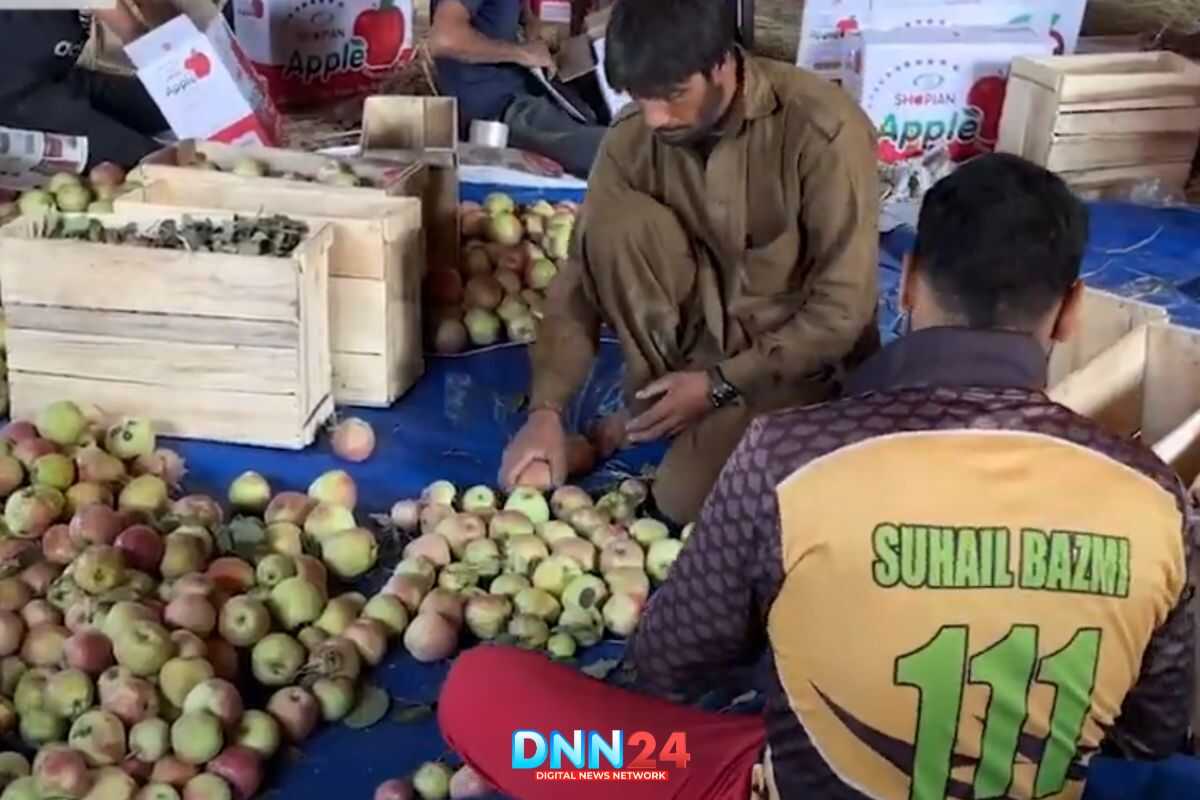
Kashmir’s apple industry boasts several premium varieties that cater to different market preferences. The main varieties include Gala, Red Gala, Chili Gala, and various types of Delicious apples such as Shimla Delicious, Kulu Delicious, Plain Delicious, American, and Golden Delicious. Each variety requires specific care and attention during the growing season. The quality control process is rigorous, involving careful grading into different categories based on size and quality. The apples are sorted into various layers – from premium grade to standard quality. This systematic approach to quality control has helped maintain Kashmir’s reputation for producing superior apples, contributing to their high demand in markets across India.
Economic Impact and Employment Generation
The apple industry serves as a crucial economic driver for Kashmir, contributing approximately 8% to the region’s GDP. It provides employment to around 3.5 lakh people across various segments of the value chain, from orchard workers to packers and transporters. The industry sprawls across 1.45 lakh hectares of land, making it one of Kashmir’s main industries. The economic benefits extend beyond direct employment, supporting auxiliary industries such as packaging, transportation, and cold storage facilities. The sector has created numerous opportunities for young entrepreneurs who are now investing in modern storage facilities and marketing initiatives, further boosting the local economy.
Modern Technology and Production Methods
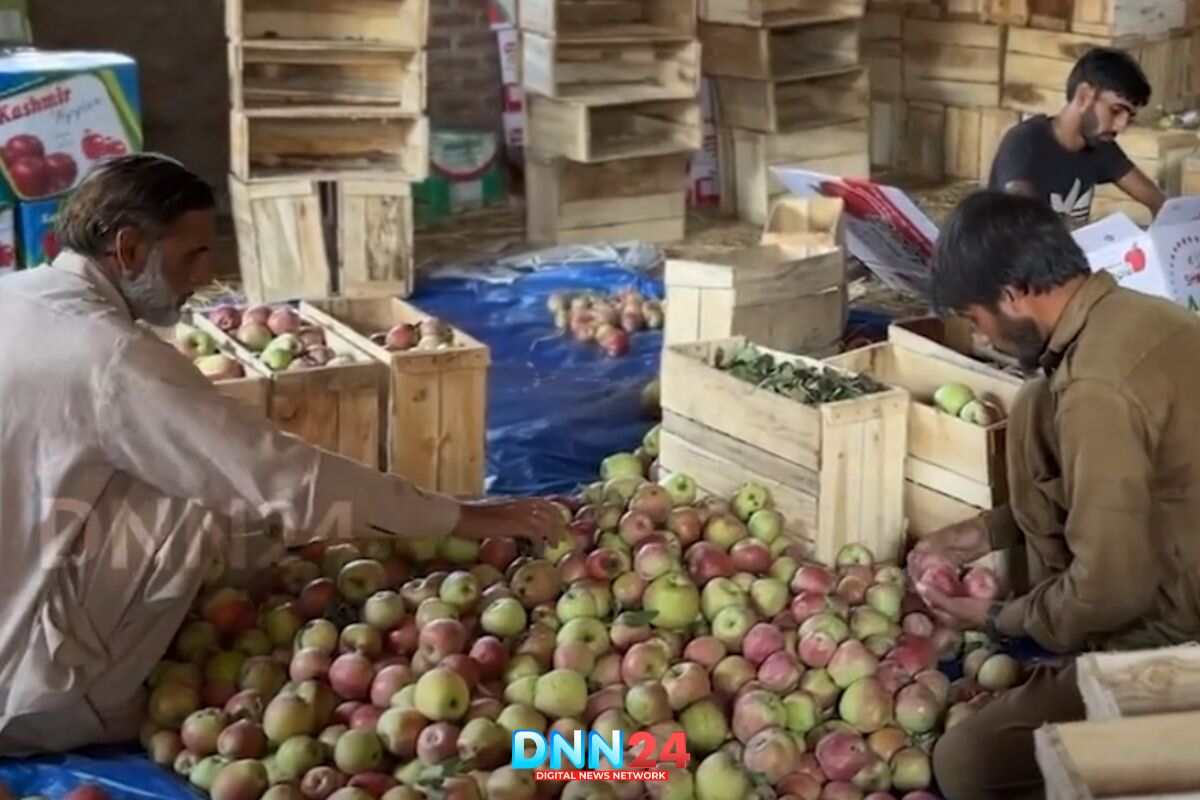
Modern technology has revolutionized apple farming in Kashmir, making operations more efficient and productive. Farmers now employ advanced irrigation systems, use scientific pruning techniques, and implement modern pest control methods. The introduction of high-density plantations has helped increase yield per hectare significantly. Post-harvest management has also improved with the adoption of modern grading and packaging techniques. Cold storage facilities ensure year-round availability of apples, helping farmers get better prices. These technological advancements have helped Kashmir maintain its position as India’s leading apple producer while improving fruit quality and shelf life.

Challenges and Future Prospects
Despite its success, Kashmir’s apple industry faces several challenges. Climate change, increasing production costs, and market fluctuations are major concerns for farmers. Weather-related issues like unexpected hailstorms and early snowfall can damage crops significantly. Competition from imported apples and production from other regions also impacts market prices. However, the industry shows promising growth potential with increasing domestic demand and export opportunities. Government initiatives supporting modern farming techniques and better storage facilities are helping address these challenges. The focus is now on organic farming practices and obtaining geographical indication tags to enhance the market value of Kashmir apples.
Also Read: Building Hope: The Story of Semchan Welfare Society in Leh
You can connect with DNN24 on Facebook, Twitter, and Instagram and subscribe to our YouTube channel.