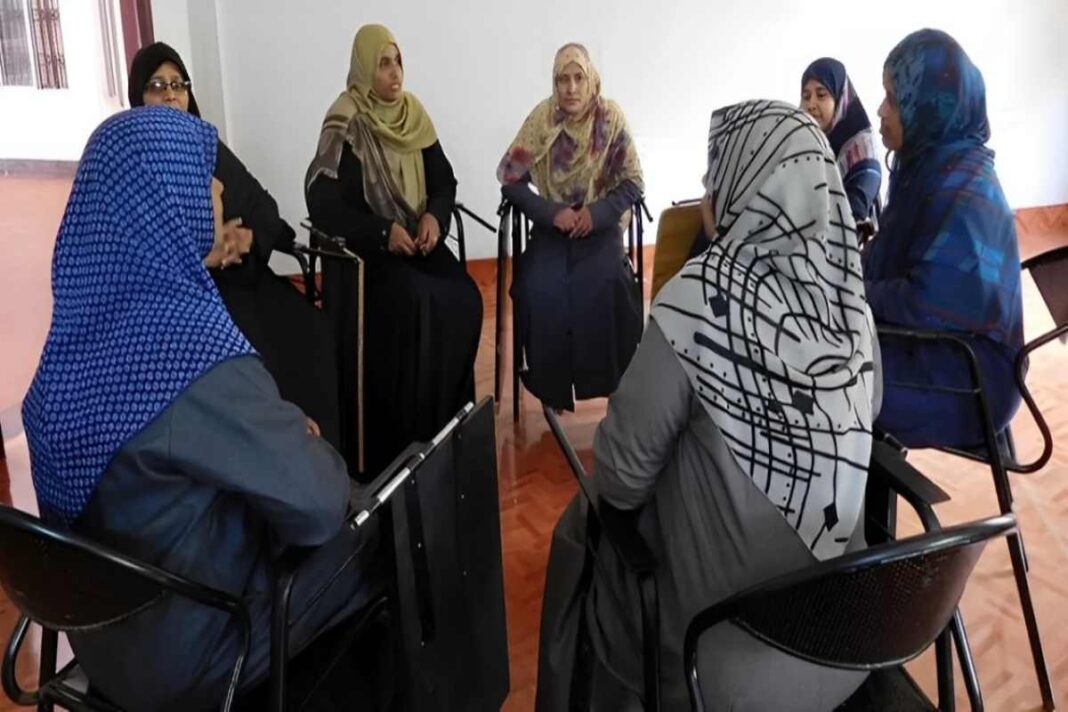

In Santhapuram village, Kerala, 71-year-old Fatima is changing how mosques work with women. She helped make Santhapuram the first place to include women in Mahallu committees. These committees are important groups that help run mosques and make decisions about Muslim community life.
Fatima became the first woman on her mosque’s committee in 2009. This was a big change. Before, only men were on these committees. Now, women in Santhapuram can share their thoughts on things like marriage, divorce, and other religious matters. Fatima’s work has spread to other villages too. Places like Othayamangalam and Shivapuram have also started including women in their mosque committees.
How Women are Making a Difference
- Having women on these committees has brought many good changes. Women are now helping with different tasks:
- – They give marriage advice
- – They help women find jobs
- – They give money to poor families for weddings
- – They teach other women
During the Covid lockdown, women committee members even gave out free food to people who needed help, no matter their religion. Salva KP, a committee member, says being part of the committee gives women more power to do good work. Banuja, another member, thinks it’s important for women to be there because some women feel more comfortable talking to other women about their problems.
Journey to Include Women
- The idea of women being part of mosque life in Kerala isn’t new, but it’s taken time to grow:
- – In the 1930s, people first talked about women entering mosques
- – In 1946, women went to Friday prayers in a mosque for the first time
- – In 1950, a group called Kerala Nidwat Mujahideen started asking for women to be allowed in mosques
- – In 2015, there was a call for mosques to include women in their committees
- – In 2022, mosques were told to put women on their committees
Today, out of 600 mosques run by one Muslim group in Kerala, 87 have women on their committees. This is a big step towards treating men and women equally in religious places.
Shajana Malath, who works with Kerala’s courts, says this change is good for equality. She thinks it sets a good example for young people. Fatima, who started all this, hopes more young and educated women will join mosque committees. She believes this is how more positive changes can happen for Muslim women in Kerala.
For detailed story, please visit: Awaz the voice
Also Read: Sunil Jaglan: Change Maker of Gender Equality in Rural India
You can connect with DNN24 on Facebook, Twitter, and Instagram and subscribe to our YouTube channel.