

This is the story of the Kolkata Doctor Who Created India’s First IVF Baby and India forgot, then finally honoured, far too late for it to matter to the man himself. On 3 October 1978, a baby girl was born in Kolkata to parents who had waited years for a child doctors told them would never come. Decades later, her arrival would be recognised as one of the most remarkable events in the history of Indian medicine. The doctor who made it possible did not live to see that recognition.
The baby was known publicly by her nickname, Durga, and later identified as Kanupriya Agarwal. According to later scientific and historical accounts, she was the first Indian baby conceived through in vitro fertilisation. The man behind the achievement was Subhas Mukherjee, also written as Subhash Mukherjee or Subhas Mukhopadhyay, who worked alongside gynaecologist Saroj Kanti Bhattacharya and cryobiologist Sunit Mukherjee. Their success came only weeks after Louise Brown was born in Britain, the world’s first baby conceived through IVF.
What followed should have been a national celebration. Instead, it became one of the strangest and saddest episodes in Indian science.
A Scientist Shaped By Curiosity
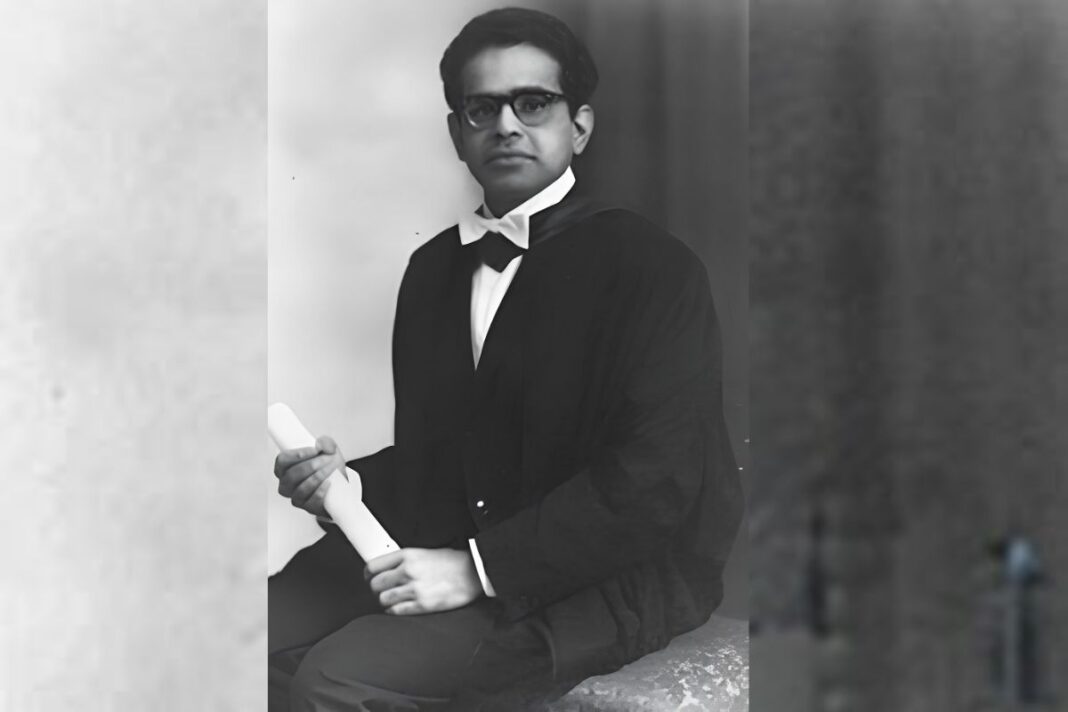
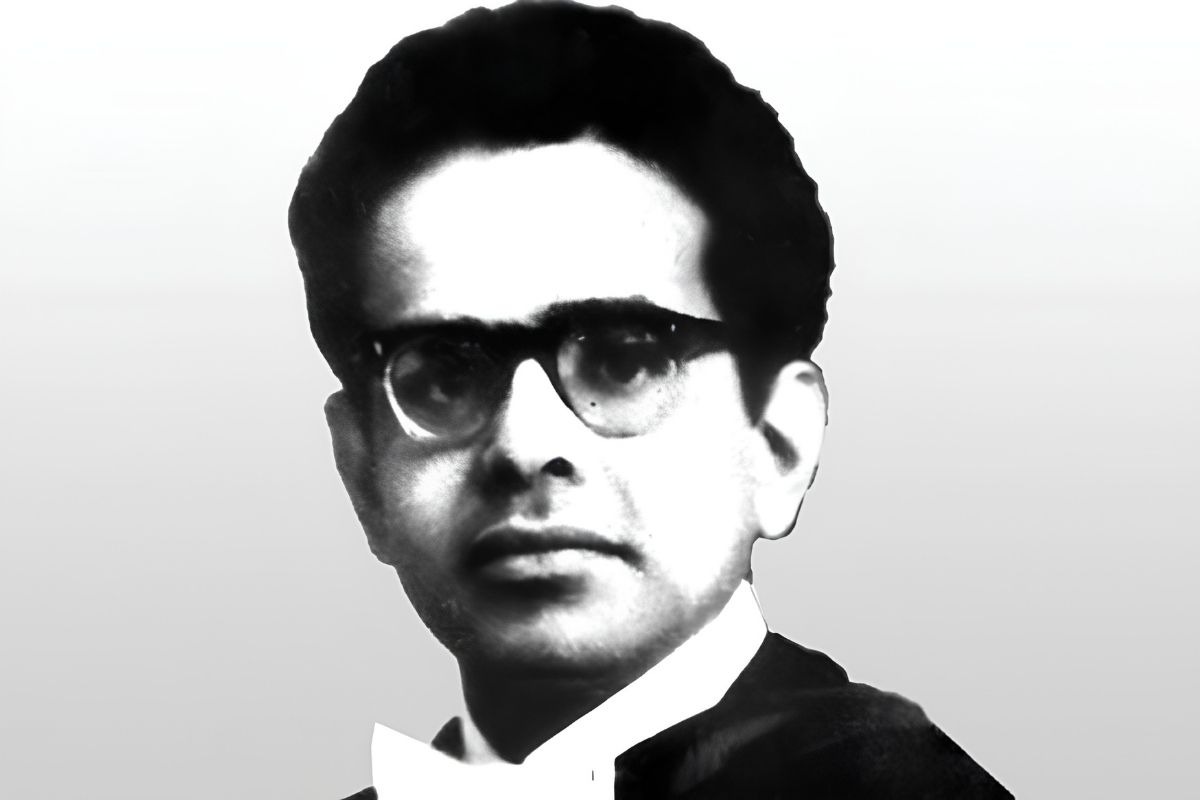
Subhas Mukherjee was born in Hazaribagh on 16 January 1931. His father, Dr Satyendra Nath Mukherjee, was a radiologist, and medicine ran through the family. Mukherjee studied physiology and medicine in Calcutta before turning to reproductive biology, a field that barely existed as a serious discipline in India at the time. He later earned a doctorate in India and another in reproductive endocrinology at the University of Edinburgh, under the physiologist John A. Loraine.
That training gave him something unusual for the period, a combination of clinical medicine and laboratory science. He wanted to understand the biology of conception itself and find a way to help couples for whom nature alone had failed.
Infertility in India at that time carried a painful social weight. A woman who could not conceive was often blamed, even when the cause lay elsewhere entirely, and there were almost no scientifically established treatments anywhere in the world. IVF had not yet become the enormous global medical field that it is today.
His team had none of the specialised laboratory facilities available to Robert Edwards and Patrick Steptoe, the British researchers whose work led to Louise Brown’s birth on 25 July 1978. The Kolkata group instead developed their own methods using whatever equipment and resources they could gather.
The Breakthrough In A Modest Laboratory
IVF requires fertilising an egg with sperm outside the body and then transferring the resulting embryo into the uterus. In the late 1970s, every step of that process was a serious scientific challenge, from stimulating the ovaries and retrieving the eggs to keeping an embryo alive outside the body and returning it at exactly the right moment.
Mukherjee’s team worked through each of these problems on their own terms. They used hormonal treatment, including human menopausal gonadotropin and human chorionic gonadotropin, to encourage the ovaries to release more than one egg, and rather than the laparoscopic method used by the British team, they developed a way of retrieving eggs through a vaginal incision.
Their most extraordinary reported achievement involved freezing an embryo. Later analyses of Mukherjee’s work describe how the team froze an eight-cell embryo, stored it for fifty-three days, thawed it, and successfully transferred it to the mother’s womb. That embryo became a healthy baby, a technique researchers later described as years ahead of comparable work being done anywhere else.
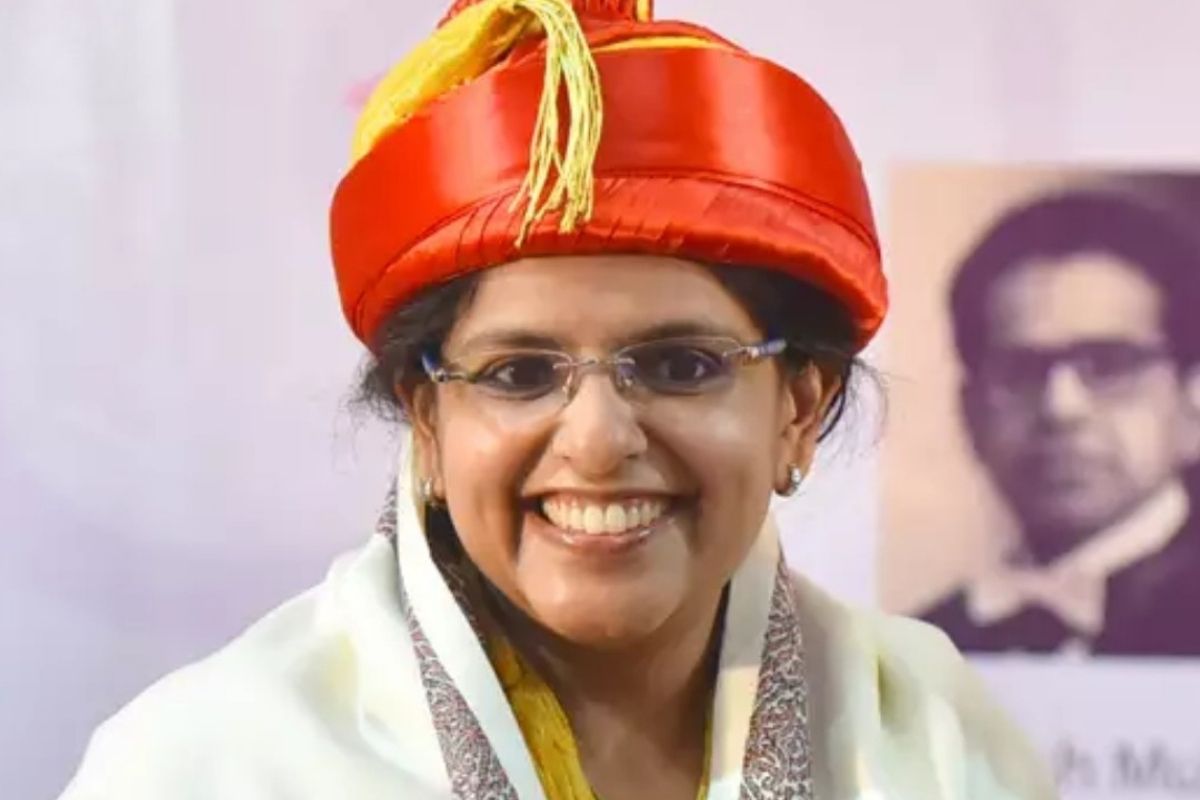
Durga’s birth was announced in Calcutta on 3 October 1978, making India, by Mukherjee’s account, only the second country in the world to achieve a successful IVF birth. For a brief moment, it looked like a triumph.
When Success Was Treated As A Crime
Mukherjee reported his findings to the West Bengal government and shared a brief account of the embryo freezing process in the Indian Journal of Cryogenics in 1978. He did not, however, publish the complete technical details in a conventional peer-reviewed medical journal, a single decision that would come to define the rest of his life.
The West Bengal government formed a committee to examine the claim, and according to later accounts, the panel included no specialists in modern reproductive technology. It rejected Mukherjee’s work outright, calling it unbelievable and, in the words of one later medical review, bogus. He was denied permission to present his findings at international meetings and approval to travel abroad.
A legitimate scientific concern was buried inside this harsh judgment. Mukherjee had deliberately withheld some procedural information, worried that his unpublished techniques would be copied or exposed before he could protect them, and in an era when credibility depended almost entirely on peer-reviewed publication, that caution cost him dearly.
But what happened to Mukherjee went well beyond ordinary scientific scepticism. Colleagues mocked him, his professional activities were restricted, and he was transferred out of reproductive research entirely into a department unrelated to his field. The man who had helped bring new hope to infertile couples was stripped of the chance to continue his own work.
The personal toll proved unbearable. Subhas Mukherjee died by suicide in Kolkata in June 1981, having received neither recognition nor institutional backing before his death.
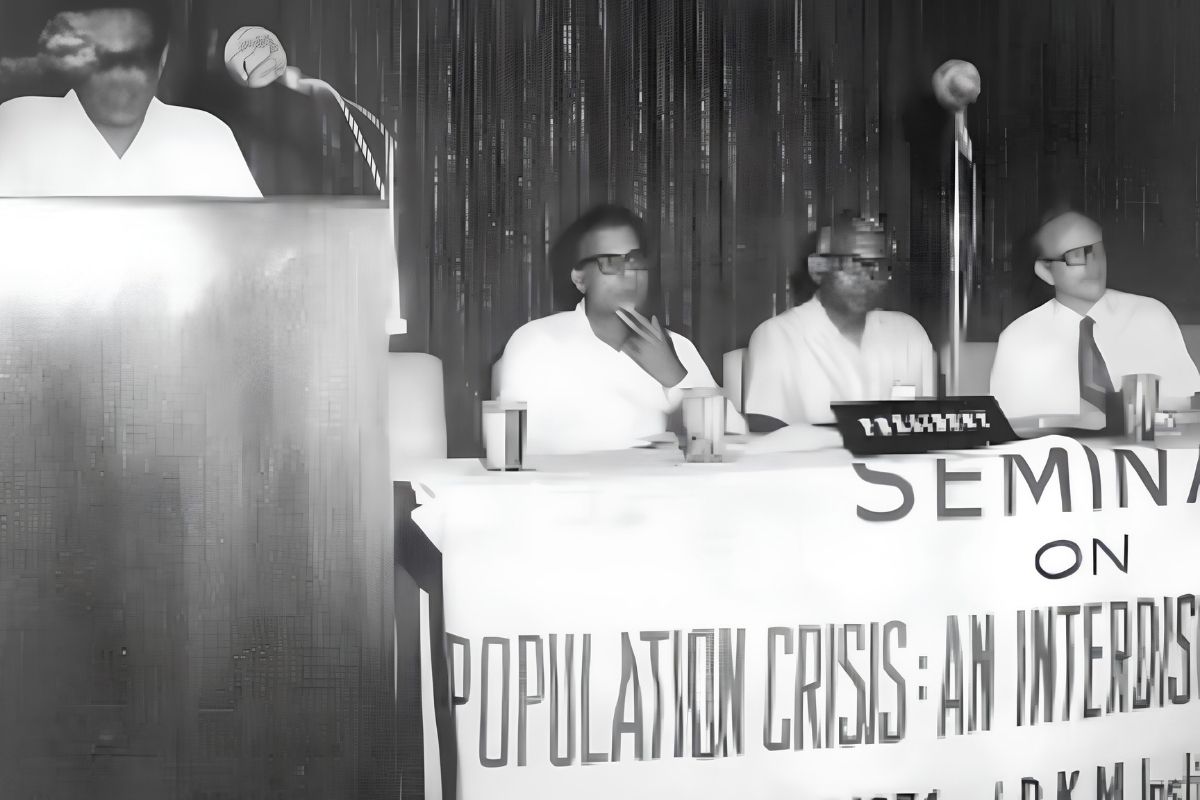
His story should never be reduced to a sad footnote in the larger history of IVF. It stands as a warning about what happens when researchers are humiliated instead of having their evidence examined fairly. Scepticism has a proper place in science. Contempt does not.
The Record Slowly Corrects Itself
For years, the official history of Indian IVF centred on a different child. In 1986, a team led by T. C. Anand Kumar and Dr Indira Hinduja reported the birth of Harsha at Mumbai’s KEM Hospital, working with the Indian Council of Medical Research. Harsha became known as India’s first scientifically documented test tube baby, since Mukherjee’s earlier work had never entered the formal record. That did not mean Durga’s birth had not genuinely happened through IVF, only that it had never passed through the normal channels of scientific verification.
Everything changed in 1997, when Anand Kumar himself sat down with Mukherjee’s surviving papers and handwritten notes. Kumar had every reason to leave the accepted story alone, since he was the one credited with India’s first documented success. Instead, he studied Mukherjee’s methods carefully and concluded that Durga, not Harsha, deserved the title of India’s first IVF baby.
Kumar presented his findings in Kolkata and later published an article titled Architect of India’s First Test Tube Baby, Dr Subhas Mukerji, in the journal Current Science. His willingness to correct the record, at some cost to his own place in history, helped restore Mukherjee’s reputation. The Indian Council of Medical Research eventually acknowledged his contribution, and memorial lectures, research centres and publications now carry his name.
A Legacy Larger Than A Title
The most inspiring part of this story is not simply who came first. Science should never be treated as a race for personal glory. Mukherjee’s true legacy lies in the questions he was brave enough to ask, the practical solutions he built under circumstances that offered him almost nothing, and his understanding, rare for the time, that infertility was a medical condition rather than a moral failing.
Today IVF helps millions of families every year, with methods far safer and more carefully regulated than anything available in the 1970s. No single person can claim credit for that progress. Still, India’s chapter in the story began quietly, in a modest Kolkata laboratory, with a team that achieved something extraordinary before the country had built any system capable of recognising it.
Durga’s birth gave real hope to couples who had been told that parenthood was not possible for them. Mukherjee’s life offers an even harder lesson. Genuine innovation can begin in the smallest room, with the least equipment and almost no institutional support. Still, for that innovation to serve anyone, the institutions around it must listen carefully, verify honestly, and protect the people willing to take the first difficult steps.
Subhas Mukherjee was forgotten for far too long. His work, thankfully, was never truly lost. It survived in laboratory notes, in the memories of colleagues, in the life of a woman named Durga, and in the honesty of a fellow scientist who chose to set the record straight. His story belongs to Kolkata and to India, but also to the wider history of medicine, and to anyone who still believes that a difficult beginning need not stop a life-changing breakthrough.
Also Read: Maheshwari Sarees: The Royal Weave of Maheshwar
You can connect with DNN24 on Facebook, Twitter, and Instagram and subscribe to our YouTube channel.