
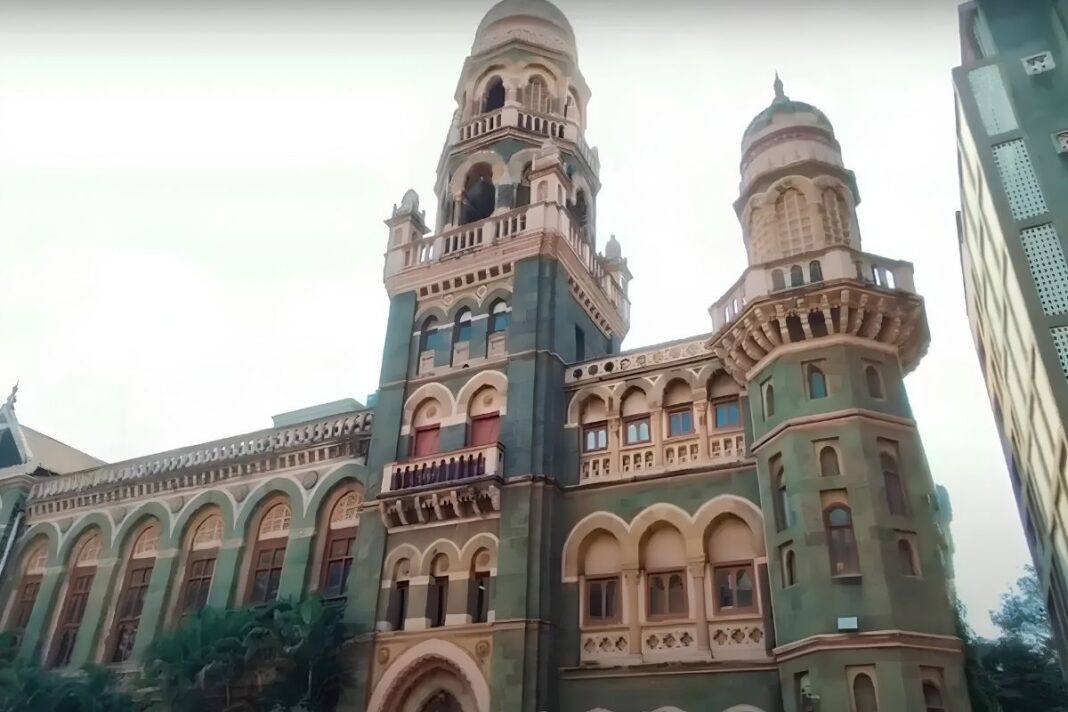

Across a busy street in South Mumbai, inside a century-old institution near Chhatrapati Shivaji Maharaj Terminus, an extraordinary preservation effort is underway. At the centre of this initiative is the Karimi Library, a historic collection housed within Anjuman-i-Islam, where rare books, manuscripts and newspapers offer a remarkable window into India’s multilingual and pluralistic past.
Among the library’s most valuable holdings are more than 32 Hindu religious texts translated into Persian and Urdu. These include versions of the Mahabharata, Ramayana, Bhagavad Gita and Shiva Purana, many of which were printed between 1867 and 1896.
Their presence in a library associated with one of Mumbai’s oldest Muslim educational institutions makes the collection particularly significant. These books are not simply religious texts; they demonstrate how scholars and readers once crossed linguistic and religious boundaries to understand traditions beyond their own.
A Library Built Around Knowledge
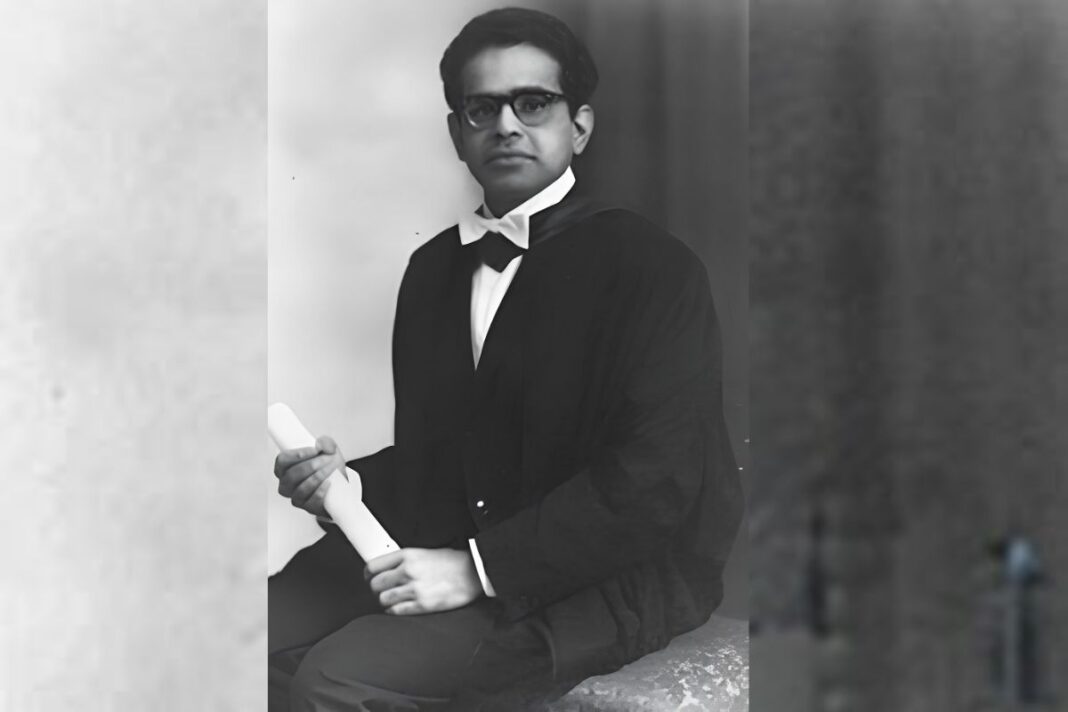
Anjuman-i-Islam was established in Mumbai in the nineteenth century and became an important centre of education. The Karimi Library itself took shape after merchant Qazi Abdul Karim Porbandari donated thousands of valuable books to the institution. The library was subsequently named in his honour. Over time, its collection expanded dramatically.
Today, its shelves contain material in Sanskrit, Urdu, Persian, Arabic, Marathi, English and Pashto, covering subjects ranging from religion and philosophy to history, literature and geography. Some publications preserved here are more than 150 years old.
The collection also includes historical documents associated with the Mughal period, including royal decrees attributed to Emperor Aurangzeb. Another remarkable section contains nineteenth-century newspapers such as the Jaipur Gazette and Ambala Gazette, along with publications from outside India.
Together, these materials provide researchers with valuable glimpses into political, intellectual and social life during the late nineteenth century.
Saving Fragile Books From Time
Age, however, has taken its toll. Many books have developed brittle pages, while moisture, insects and fungus pose constant threats. Conservation specialists therefore use carefully controlled treatments to prevent further deterioration.
Damaged pages are strengthened using preservation paper and specialised repair techniques. Books in particularly fragile condition require individual attention before they can safely be handled or digitised.
The challenge is not merely to make old volumes look better. The real objective is to extend their lives without destroying the physical characteristics that make them historically valuable.
Digitising a Vanishing Archive
Alongside physical restoration, the library has launched an extensive digitisation programme. Experts are scanning books, newspapers and magazines page by page and creating digital copies that can be stored securely. More than a hundred thousand book pages and tens of thousands of newspaper and magazine pages have reportedly already been digitised. Digitisation serves two purposes.
First, it reduces the need to handle fragile originals repeatedly. Second, it allows historical material to survive even if the physical copy suffers further damage.
For future students and researchers, such digital archives could become invaluable sources for studying literature, religious translation, colonial India and the development of public debate.
A Record of India’s Shared Culture
Perhaps the most powerful aspect of the Karimi Library is the way different traditions coexist on its shelves. A Persian translation of a Hindu scripture, an Urdu version of an epic, an Arabic manuscript and an old Marathi or English newspaper may sit within the same collection.
Such material challenges the assumption that India’s literary traditions developed in isolation.
For centuries, scholars translated religious and philosophical works across languages. Persian, Sanskrit, Urdu and regional languages constantly influenced one another. Translation often became a means of curiosity and cultural exchange rather than separation.
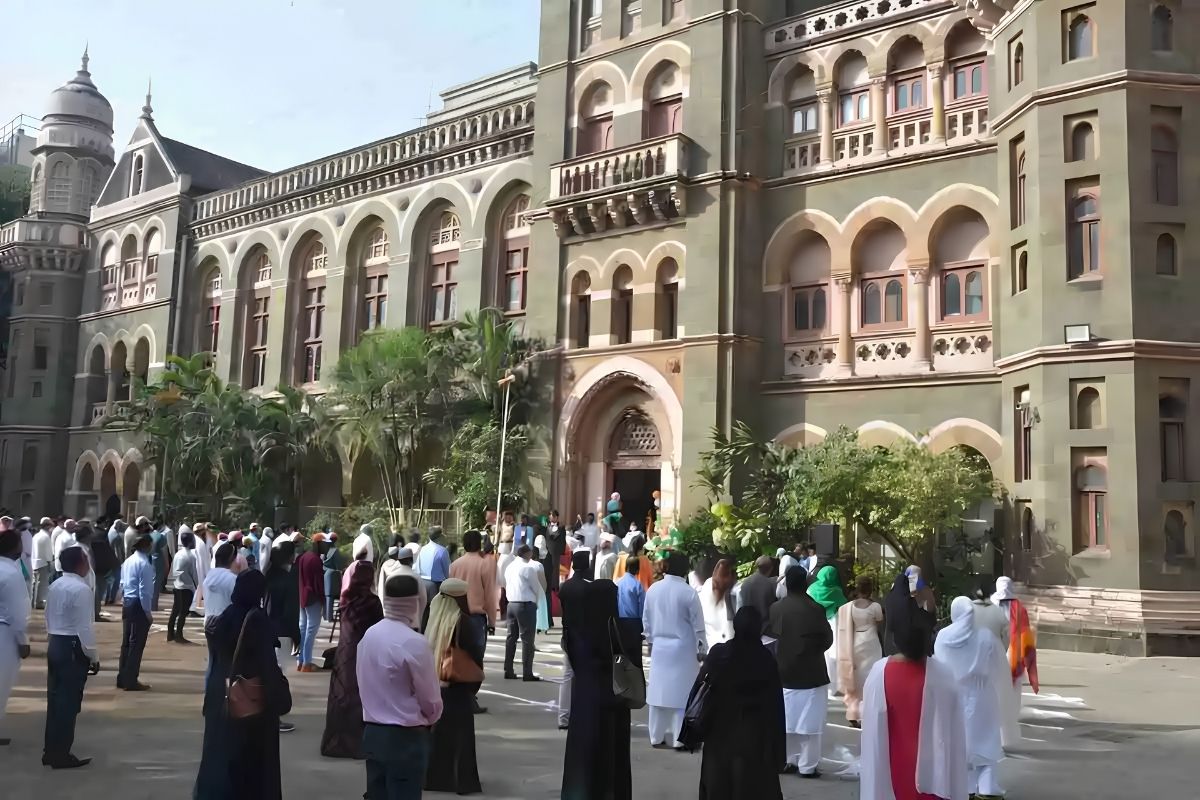
The Karimi Library preserves evidence of that older intellectual world. The institution is also linked to India’s nationalist period. People associated with Anjuman-i-Islam participated in public and political life during the freedom movement, giving the historic building another layer of significance.
Restoring More Than Books
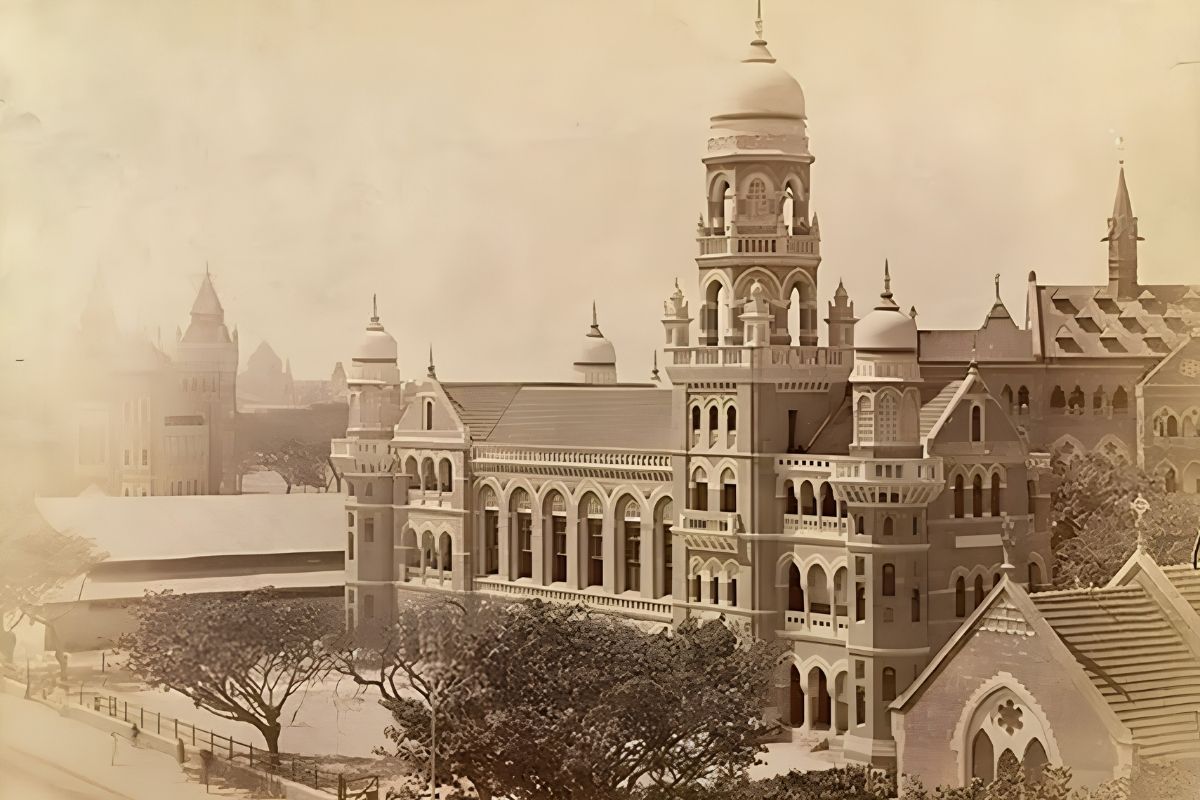
The library building itself has undergone restoration, emphasising the retention of its old-world architectural character while making the space suitable for modern preservation and research.
But the larger importance of this project goes beyond renovating rooms or repairing paper.
Every rescued book protects a fragment of India’s intellectual memory.
When a nineteenth-century Urdu or Persian translation of the Ramayana or Mahabharata survives, it reminds modern readers that language and faith were often bridges rather than walls. When an old newspaper is preserved, an ordinary page becomes evidence of how previous generations understood their changing world.
The Karimi Library is therefore more than a collection of rare books. It is a living archive of India’s shared cultural history, where different languages, religions, and ideas continue to meet quietly on the same shelves.
Also Read: From Guns to Glamour: Surrendered Naxal Women Walk Fashion Ramp
You can connect with DNN24 on Facebook, Twitter, and Instagram and subscribe to our YouTube channel.