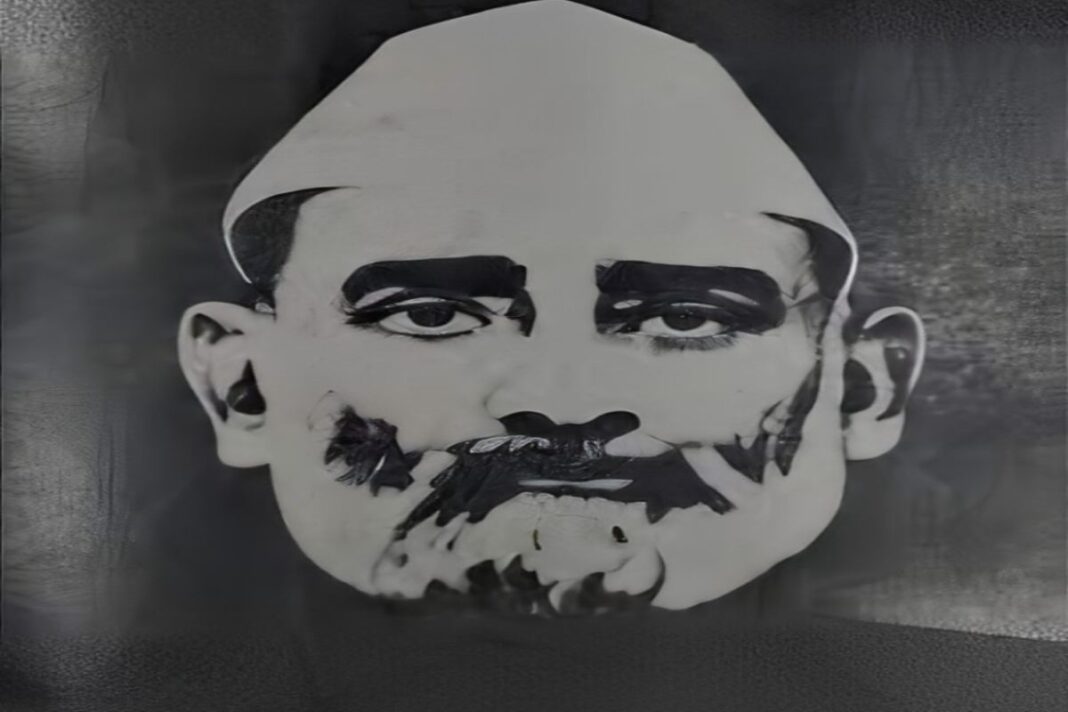

Professor Abdul Bari was a prominent freedom fighter from Bihar who joined the Congress during the non-cooperation movement. He taught at a National Educational Institution in Patna, which was set up to oppose British education. Bari quickly became a leading anti-British activist in Bihar.
During the 1930 Civil Disobedience Movement, Bari stood alongside Dr. Rajendra Prasad as one of Bihar’s key leaders. Prasad’s memoirs recall Bari’s bravery in facing police brutality during protests. Once, when a policeman hit Bari with a lathi, another policeman defended him. This shows how much people respected Bari.
Champion of Workers’ Rights and Quit India Movement
In the mid-1930s, Bari focused on workers’ rights. He moved to Jamshedpur and led a Trade Union, taking over from Subhas Chandra Bose. When the Quit India Movement began in August 1942, most Congress leaders were arrested. However, Bari remained free until April 30, 1943, playing a crucial role in mass movements in Bihar and Bengal.
Peacemaker During Partition and Tragic End
As India neared independence in 1946, Bihar faced severe communal violence. Thousands died and many more were forced to leave their homes. Bari believed that punishing lawbreakers was key to preventing future violence. He saw these conflicts not as Hindu-Muslim riots, but as a struggle between those for and against freedom.
Bari prepared a list of rioters and planned to discuss it with Mahatma Gandhi on March 28, 1930. Tragically, he was murdered by five people before this meeting. Some believed that the powerful people behind the riots wanted to silence him.
Professor Abdul Bari’s life and sacrifice highlight his commitment to India’s freedom struggle and communal harmony. His efforts to bring peace during a turbulent time in Bihar’s history make him a true hero, though often overlooked in mainstream narratives.
For detailed story, please visit: Awaz the voice
Also Read:The Magic of Storytelling: Shazi Zaman
You can connect with DNN24 on Facebook, Twitter, and Instagram and subscribe to our YouTube channel.