

Indian Muslims are distinct from Muslims in many parts of the world, as they have embraced India’s democratic system. This adaptation stems from the country’s rich civilisational values. While many Muslims globally tolerate authoritarian regimes, Indian Muslims actively participate in democracy and its processes.
Concerns Over Protests
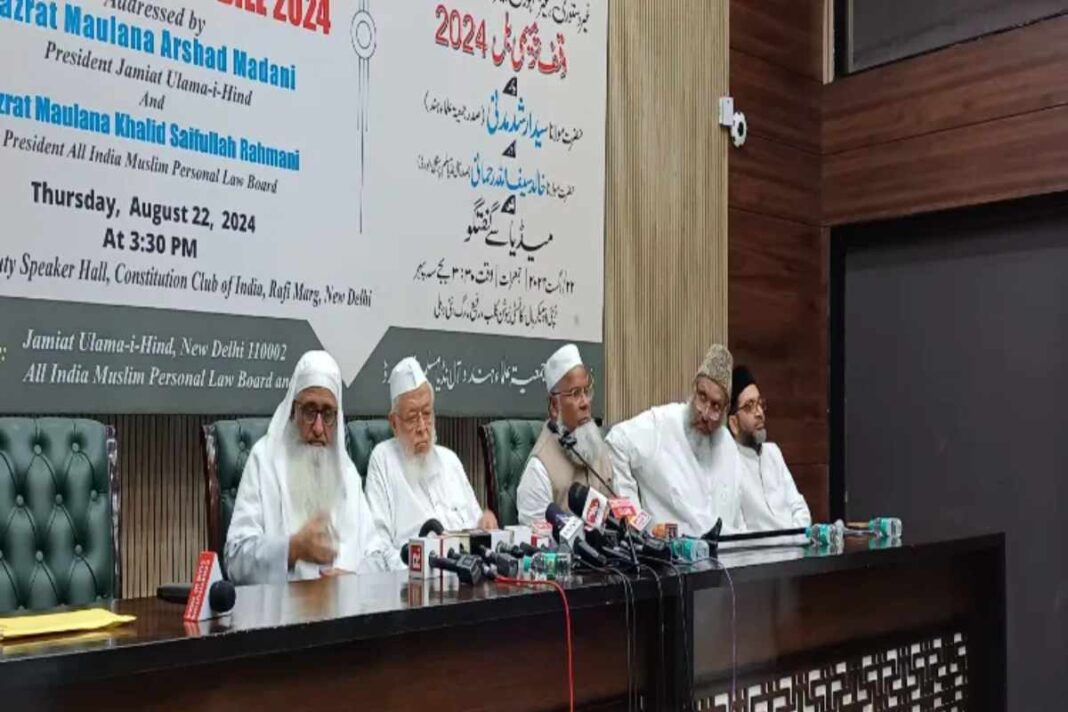
However, some Muslim leaders sometimes react too strongly to issues, which can be counterproductive. A clear example was the response to the Waqf Amendment Bill 2024. Even before the draft was made public, some leaders raised alarms and opposed it vigorously. While democracy allows for expression and protest, it is crucial to be strategic. Protesting against something already being discussed by the Joint Committee of Parliament can seem pointless. On August 22, a group of Muslim organizations held a press conference to voice their dissatisfaction after the bill had already been debated and referred to the JPC.
A Call for Collective Representation
It’s important to note that Kiren Rijiju, the Minister for Minority Affairs, stated on the floor of the House that the bill is in the Muslims’ best interest. While his affiliation with the BJP may cause suspicion, opposition leaders from various parties also supported the community. The day the bill was introduced showcased the strength of India’s democracy, as the Speaker referred it to the JPC for further discussion. Jagadambika Pal, the JPC chairman, promised to invite all interested parties for suggestions before finalizing the draft.
Muslim leaders should have opted for a united approach by presenting their concerns directly to the committee. Simple protests or scepticism will not benefit the community; instead, they risk creating distrust among communities that have coexisted for centuries. Indian Muslims need to embrace democratic practices, as democracy is essential to Islam, with Prophet Mohammad emphasising consultation and collective decision-making.
For detailed story, please visit: Awaz the voice
Also Read:The Magic of Storytelling: Shazi Zaman
You can connect with DNN24 on Facebook, Twitter, and Instagram and subscribe to our YouTube channel.