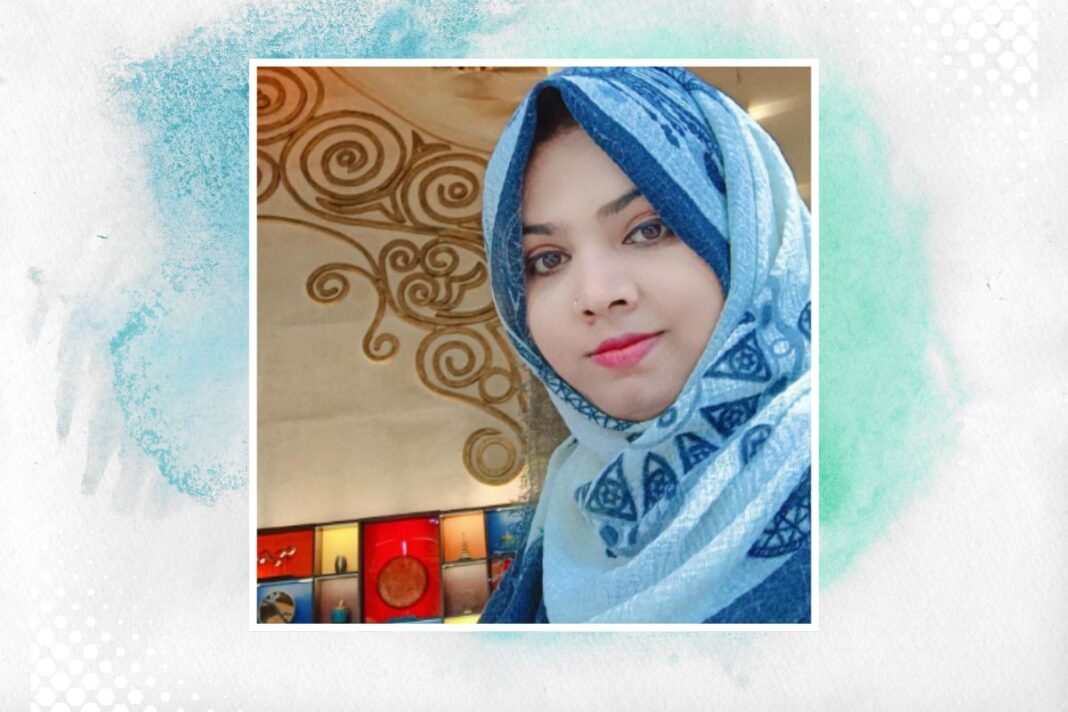

In the small villages scattered across rural India, where opportunity arrives rarely and leaves quickly, one woman has built a bridge between beauty training and financial freedom. Nagma Imtiaz does not promise overnight success or easy answers. She offers something more valuable: the tools to earn a living and the confidence to use them.
From Village Roots to National Impact
Nagma grew up in small Indian villages, facing the common rural challenges of limited opportunities for women, which shaped her path to L’Oréal’s Beauty For A Better Life. Profiles imply her own experiences with economic constraints and self-doubt drove her to the field, transitioning from personal hardship to training others in beauty skills. Her early years gave her a peek into what poverty looks like when it settles into a community and refuses to leave. Rather than accept these conditions as permanent, she chose to work in the beauty industry, discovering that professional training in hair care, skincare, and makeup could generate a steady income for women with few other options.
Her involvement with L’Oréal India’s Beauty For A Better Life programme began as a personal mission to replicate her own journey for others. The corporate initiative provided structure and resources, but Nagma brought something equally important: an understanding of rural psychology and the particular barriers that keep village women from pursuing vocational training. She recognised that skills alone would not suffice. Women needed permission from families, transportation to training centres, and the belief that their efforts would produce tangible results.
Background and Early Obstacles
Available records do not specify the exact hardships Nagma faced personally. What remains clear is her connection to rural communities where educational access and employment opportunities are scarce. Women who enter these training programs typically confront financial limitations and social expectations that discourage independent work. Nagma’s trajectory mirrors that of participants who acquire new skills after periods of economic instability. The program teaches beauty services as a trade, allowing women to support households while working from local settings.
Motivation and Daily Work
Nagma continues her efforts based on observable outcomes among the women she trains. She focuses on rural areas where formal employment remains out of reach for most residents. The training provides technical instruction in beauty services, which women can then offer within their own communities. Nagma describes her purpose as helping participants develop confidence in their abilities and establish independent income sources. The work generates visible results in small towns and villages, where trained women open their own service operations. This practical transformation of local economies, rather than abstract goals, drives her continued involvement in the program.
The Beauty For A Better Life Framework
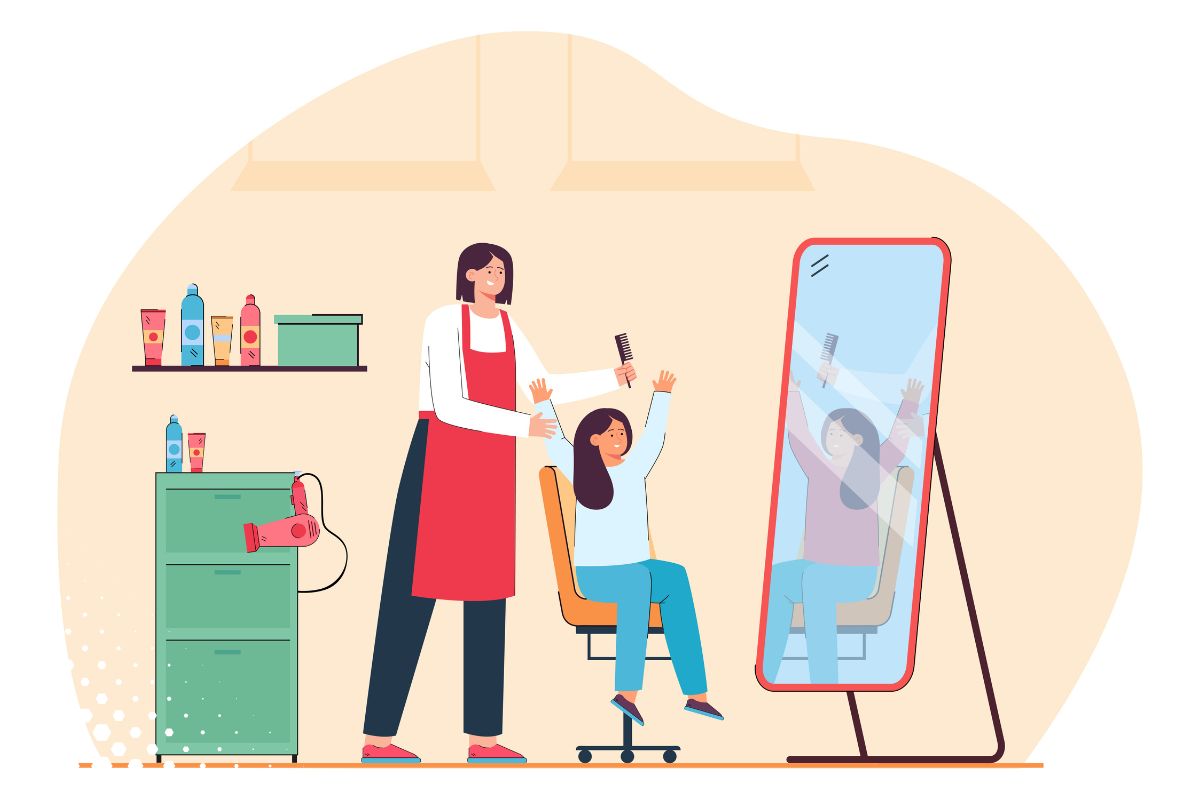
L’Oréal India established the Beauty For A Better Life programme in 2009 with a clear objective. Young women from economically disadvantaged backgrounds would receive free vocational training in beauty services, leading to either employment in established salons or the creation of small businesses. The programme operates through two distinct pathways: beautician training for hands-on salon work and beauty advisor training for retail positions.
The beautician track runs in partnership with Sambhav Foundation, an organisation that specialises in vocational education for underserved populations. Training centres function in eight cities across India, including Mumbai, Bengaluru, Delhi, Hyderabad, Pune, Kolkata, and Gangtok. The curriculum follows a five-month structure. Two months of classroom instruction cover technical skills such as hair cutting, colouring, facials, and makeup application. This period emphasises practice and precision, with students working on mannequins and, eventually, on volunteer clients. The final three months consist of salon internships, where trainees apply their knowledge in professional settings under supervision.
The beauty advisor pathway takes a different approach. In collaboration with Tata Strive, the programme delivers six weeks of intensive training focused on product knowledge, customer service, and sales techniques. Graduates move into retail positions at beauty counters and cosmetic stores. Over 100 women have completed this module since its inception, securing jobs that offer regular income and benefits.
By 2024, the programme had trained more than 8,000 women. Many now work as professional beauticians or operate their own salons. Some have become trainers themselves, extending the programme’s reach.
Sambhav Foundation’s Ground-Level Work
Sambhav Foundation entered into a partnership with L’Oréal in 2014, bringing expertise to rural vocational training. Their centres target areas where formal employment opportunities barely exist. Small towns in Himachal Pradesh, villages in rural West Bengal, and settlements in Gujarat receive particular attention. The foundation’s staff recruit participants through community outreach, often visiting homes to explain the programme and address family concerns.
The training curriculum combines practical skills with business fundamentals. Students learn not only how to perform beauty treatments but also how to manage inventory, set service prices, and maintain client relationships. This dual focus prepares women for both employment and entrepreneurship.
Sambhav’s work extends beyond L’Oréal partnerships. The foundation runs additional vocational programmes in collaboration with Accenture, combining beauty training with wellness, tailoring, and technology skills. Their approach emphasises earning while learning, enabling students to generate income during their training. This model addresses immediate financial needs while building long-term capabilities.
Nagma’s Method and Philosophy
Nagma Imtiaz functions as a bridge between corporate programmes and rural realities. Her role extends beyond instruction. She recruits participants, often travelling to remote villages to identify women who would benefit from training but lack the initiative or support to enrol. These recruitment visits involve conversations with entire families, as husbands, fathers, and mothers-in-law hold veto power over the women’s decisions.
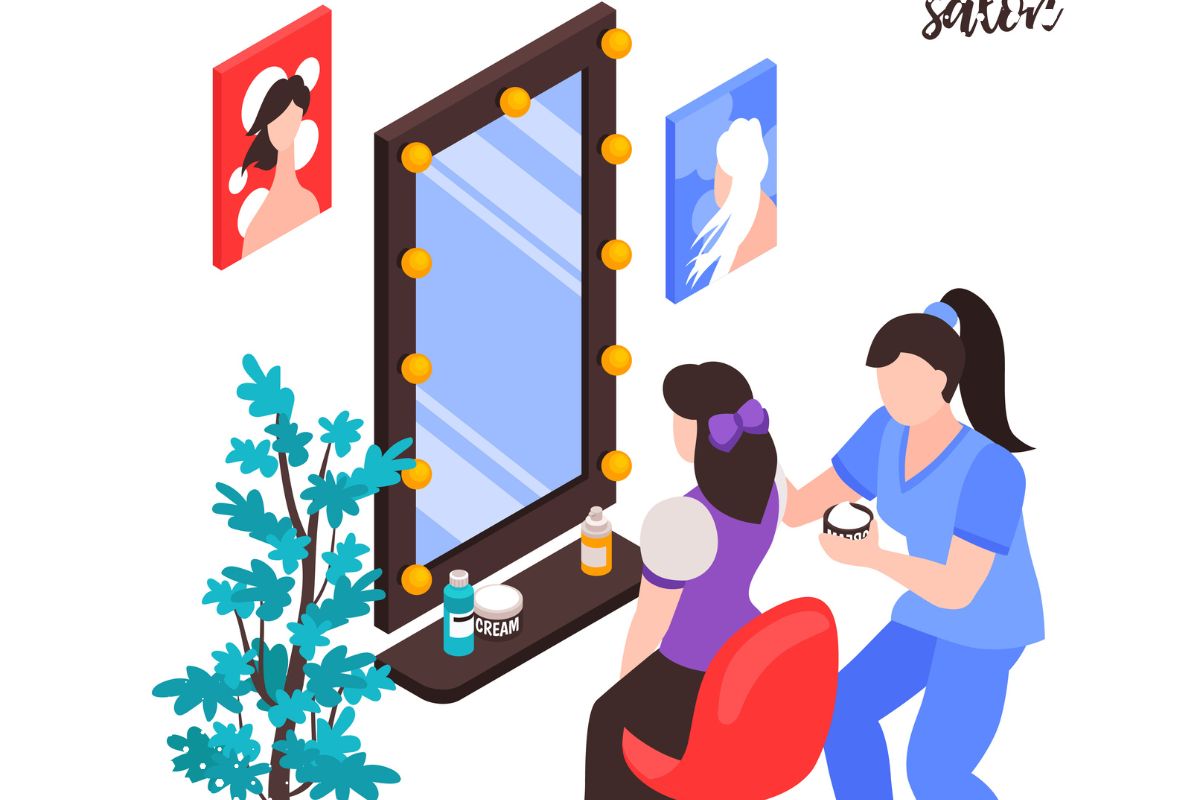
During training sessions, Nagma focuses equally on psychology and technique. Low self-esteem represents a consistent obstacle. Many students arrive believing they lack the intelligence or capability to master professional skills. Nagma counters this through incremental successes. A student who struggles with hair cutting receives extra practice time and specific feedback until competence builds. Small achievements accumulate into confidence.
Her teaching style draws from traditional methods. Demonstrations come first, followed by supervised practice and then independent work. She insists on professional standards from the beginning, training students to maintain clean workspaces, properly sterilise tools, and treat clients with respect. These habits separate amateur efforts from professional services.
Documented Outcomes and Expansion
The programme’s impact is clear from employment data and economic indicators. Follow-up surveys conducted 6 months after training show that approximately 70% of graduates find work in the beauty sector. Some join established salons in nearby towns. Others create home-based businesses, converting a room in their house into a small parlour. A smaller group moves to urban centres in search of higher-paying positions.
Financial outcomes vary by location and individual effort, but patterns emerge. Women report monthly earnings between 5,000 and 15,000 rupees, with experienced beauticians earning more. This income supports families in tangible ways. Parents use it to keep children in school rather than sending them to work. Households purchase better food and healthcare. Some women save enough to buy equipment for larger salon setups.
The programme has attracted government attention. Maharashtra’s Directorate of Vocational Education and Training partnered with L’Oréal to train beauty instructors from Industrial Training Institutes in Mumbai, Pune, and Nagpur. These instructors then teach students in their home regions, multiplying the programme’s reach. There are plans to establish model training facilities in additional ITIs, creating a permanent infrastructure for beauty education.
Persistent Challenges
Rural infrastructure limits the effectiveness of training in some regions. Unreliable electricity disrupts practical sessions that require hair dryers or heating tools. Water shortages complicate sanitation requirements. Transportation remains a constant problem, as training centres concentrate in cities while participants live in distant villages. Some women travel two hours each way to attend classes.
Cultural resistance persists despite visible success stories. Conservative communities view beauty work with suspicion, associating it with urban lifestyles that threaten traditional values. Nagma addresses this through community meetings where she explains beauty services as professional work, comparable to nursing or teaching. Inviting families to observe training sessions helps dispel misconceptions.
Student backgrounds create additional complications. Many participants have limited formal education, making it difficult to teach theoretical concepts or written materials. Nagma adapts by emphasising visual learning and hands-on practice, reducing reliance on textbooks. Language differences require trainers fluent in local dialects rather than only Hindi or English.
Looking Forward
Nagma envisions expanding the programme to reach 10,000 additional women by 2026. This requires opening new training centres in underserved regions and developing partnerships with local organisations that understand community dynamics. She advocates for integrating technology where appropriate, such as video tutorials that students can review at home or mobile applications that connect graduates with clients.
The broader vision involves creating networks of women-led beauty enterprises that support each other through shared suppliers, marketing collaborations, and knowledge exchange. Nagma believes that isolated success stories, while valuable, produce less impact than connected communities of entrepreneurs who can collectively negotiate better prices, refer clients, and solve common problems.
Her work aligns with national skill development initiatives. As India seeks to increase women’s workforce participation and reduce youth unemployment, programmes like Beauty For A Better Life offer tested models. Government funding could accelerate expansion while corporate expertise ensures quality standards.
Nagma Imtiaz has demonstrated that beauty training provides more than cosmetic knowledge. It creates pathways out of poverty, builds confidence that extends beyond professional settings, and proves that rural women possess untapped potential waiting for the right opportunity to emerge.
Also Read:Manipur Woman Turns Flower Waste Into Award Winning Enterprise
You can connect with DNN24 on Facebook, Twitter, and Instagram and subscribe to our YouTube channel.