

Every evening during Ramzan, volunteers from a Hindu temple in Chennai load vegetarian biryani, saffron milk, and dates onto vans before driving across the city to serve iftar meals at a historic mosque. The practice has continued for more than 40 years, feeding anywhere between 1,000 and 1,200 fasting Muslims per day without any break.
The tradition began at the Sufidar Temple in the early 1980s, and continues through the efforts of the Sufidar Trust, which operates from the temple premises on Dr Radhakrishnan Road in Mylapore. What started as a gesture of goodwill from a Hindu refugee and members of the Arcot royal family has grown into a daily operation involving over 100 volunteers from different religious backgrounds.
A Refugee’s Vision Takes Root
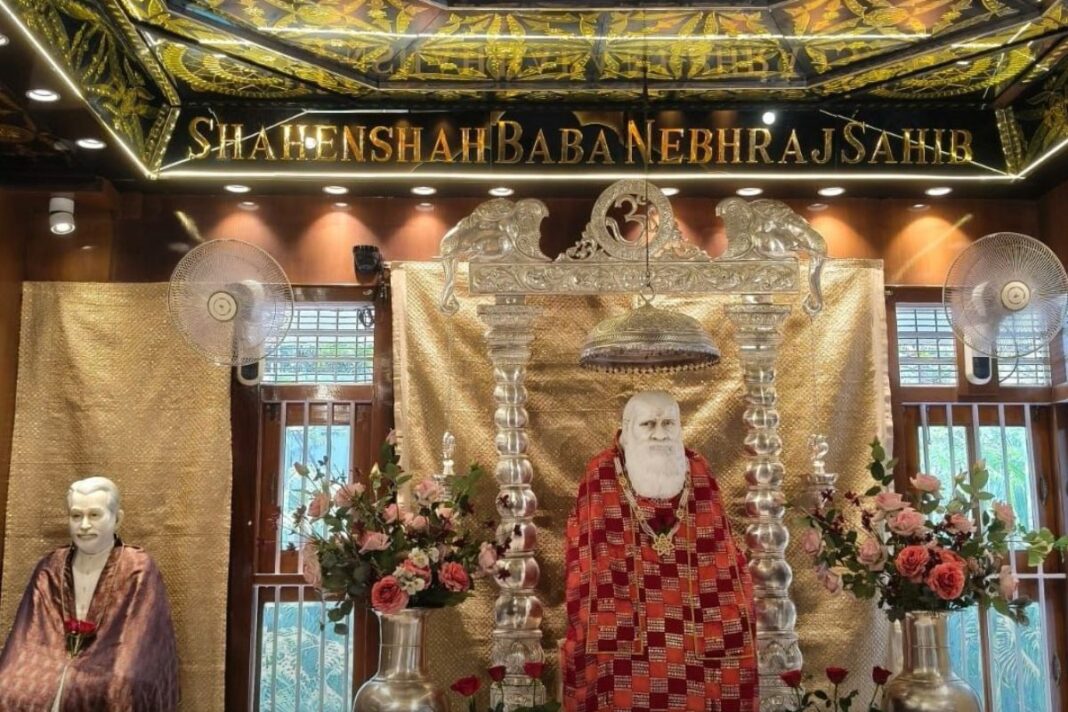
Dada Ratanchand, a refugee from Pakistan, founded the tradition. Born in Hyderabad, Sindh, on November 4, 1926, he fled to India during the violence of Partition in 1947. His family settled in Chennai, where he became a follower of Shahenshah Baba Nebhraj Sahib, a Sufi saint whose teachings emphasised service across religious lines.
Ratanchand established the Sufidar Trust and built a small temple on Waltax Road which was relocated to Mylapore later. The temple walls display images from multiple faiths: Hindu deities alongside Sufi saints, Jesus Christ, Mother Mary, Guru Nanak, and other spiritual figures. The space was intended to welcome everyone, regardless of belief.
The iftar service began after members of the royal House of Arcot visited the temple. They noted its cleanliness and the commitment of its volunteers. A conversation followed, and an agreement was reached. The temple would prepare meals for Muslims breaking their fast at the Wallajah Big Mosque in Triplicane. The partnership began during the Ramzan season and has continued every year since.
From Kitchen to Courtyard
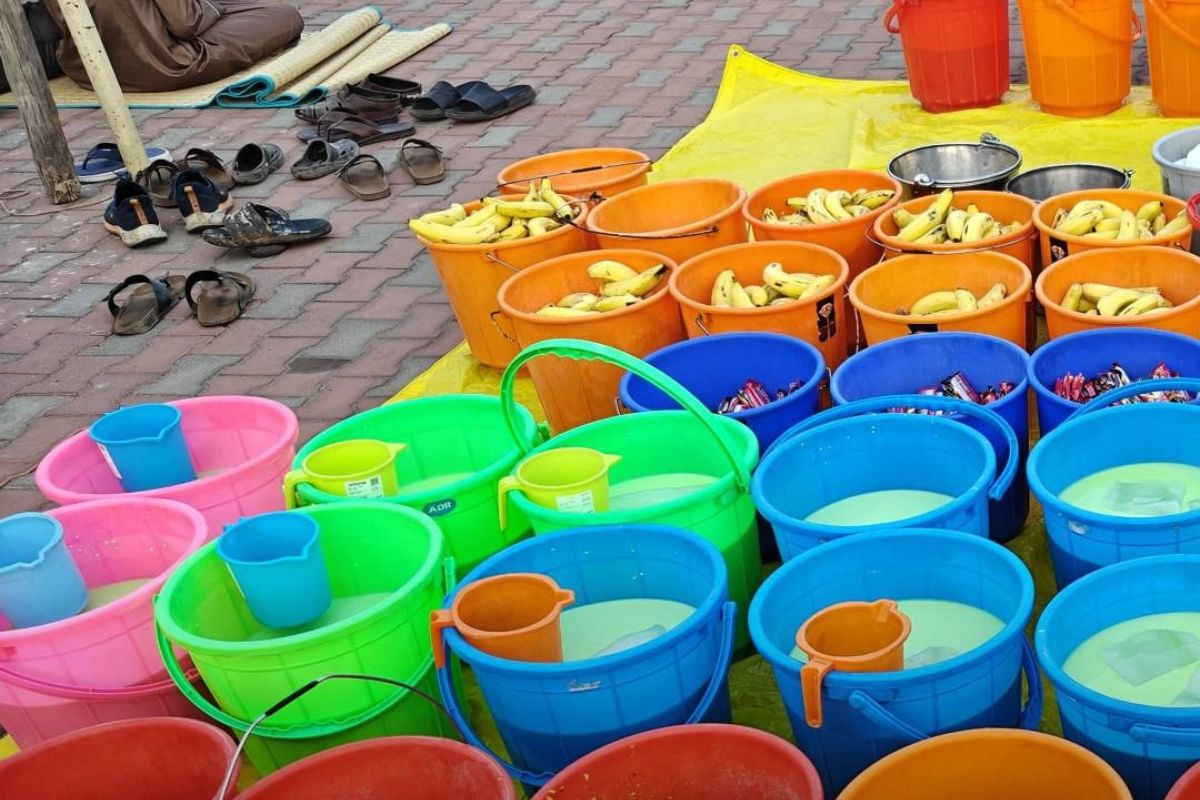
Preparations begin at 7:30 am in the morning. Volunteers arrive at the temple kitchens and begin cooking for the day. The menu changes daily but typically includes vegetable biryani, fried rice prepared with chickpeas or cauliflower, pulao, pickles, fresh fruits, almonds, biscuits, and packaged water. Kesar milk (infused with saffron) is prepared in large quantities. Dates are included, as is customary for iftar.
The cooking involves volunteers from different states. Hindus work alongside Muslims. Sindhis, Maharashtrians, and Rajasthanis contribute their time. The group numbers around 100 people on any given day. Some have been volunteering for decades. Others are newer but committed to maintaining the practice.
By late afternoon, the food is packed into containers and loaded onto vans. The drive from Mylapore to Triplicane takes the volunteers through the city’s busy streets. They arrive at the Wallajah Mosque well before sunset, when the call to prayer signals the end of the daily fast.
The mosque itself is a landmark. Built in the late 18th century by the ancestors of Nawab Mohammed Ali Wallajah, it serves as a centre of Muslim heritage in the city. Its courtyard fills each evening during Ramzan with people waiting to break their fast. Around 60 to 70 volunteers from the temple assist with serving. Some wear traditional Muslim caps as a sign of respect and to maintain hygiene. Water and dates are distributed first, in accordance with Islamic custom. Then the main meal is served. The process is efficient but unhurried. Volunteers speak with those they serve, asking if more food is needed or if anything is missing.
“This is not about religion; it’s about humanity,” Harish Makkar, one of the regular volunteers, explained in a recent interview. He said the meals are prepared with care and served with dignity. The daily menu varies to prevent monotony, and volunteers consult with mosque attendees to understand preferences.
Leftover food is not wasted. Volunteers distribute it to destitute families, including Hindus who gather outside the mosque each evening. This extension of service reinforces the practice’s broader purpose.
Carrying the Work Forward
After the demise of Dada Ratanchand, the responsibility of the trust passed on to others who shared his vision. Ram Dev, who was in the automobile business, left his career to devote himself to the trust’s activities. He now oversees the daily operations, coordinating volunteers and managing logistics.
Ashok Khubchandani, another senior volunteer, has been part of the effort for years. He recalls the early days when the operation was smaller, but the commitment was equally strong. “We started with fewer people, but the idea was always the same,” he said. “Feed those who are fasting. Make sure they have something good to eat after a long day.”
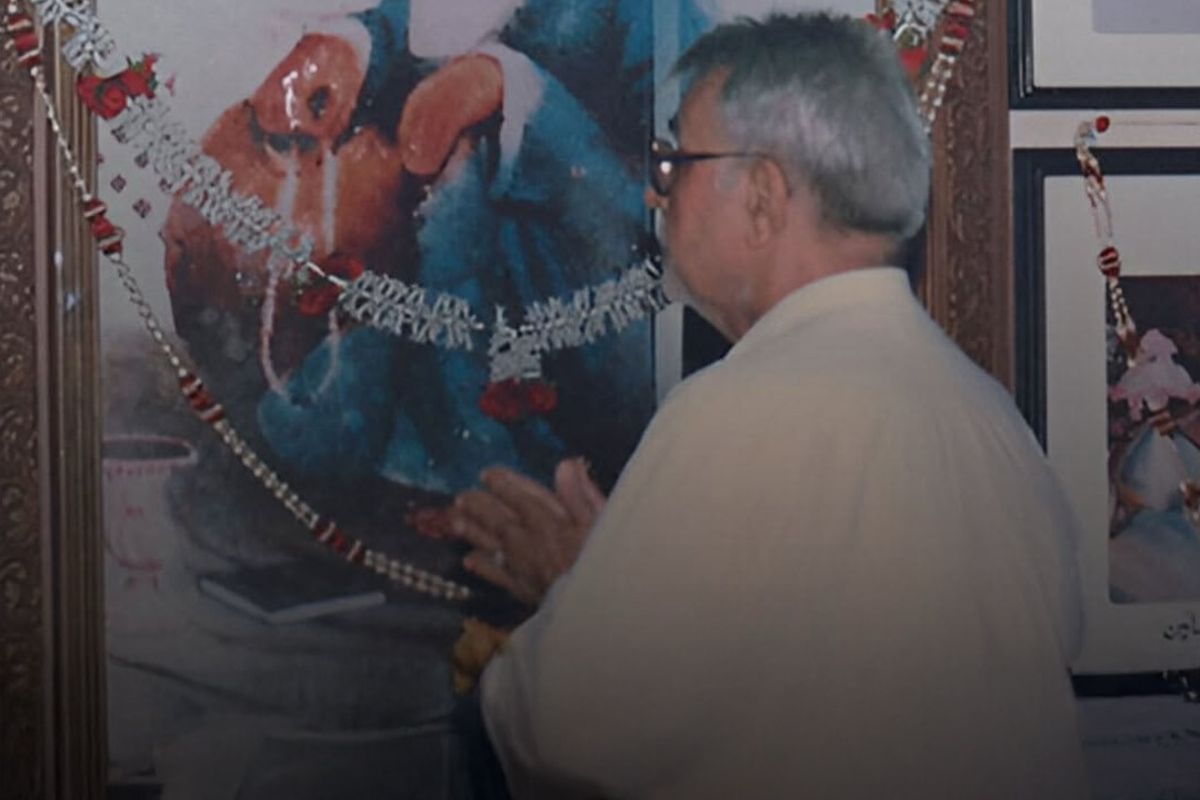
The trust operates entirely on donations and volunteer labour. There is no formal funding structure. People contribute what they can, whether money, time, or ingredients. The model has sustained itself for four decades through communal effort.
Recognition and Response
Prince Nawab Abdul Ali of Arcot has spoken publicly about the tradition. “In a secular country like India, everyone should respect each other’s religions,” he said. “We are all children of the same God.” His endorsement reflects the historical connection between the Arcot royal family and the temple’s work.
Beneficiaries appreciate the practical support. Jamila, who works near the mosque, relies on the iftar meals after finishing her job. “This service brings our community together,” she noted. For many, the food arrives at a critical moment, just as the fast ends and before evening prayers begin.
A Practice That Endures
The tradition reflects a particular vision of community life. Ratanchand, shaped by the trauma of Partition and inspired by Sufi teachings, believed that service could cross religious boundaries. The volunteers who carry his work forward maintain that belief. They cook, pack, transport, and serve meals not as a statement but as an expression of neighbourly care.
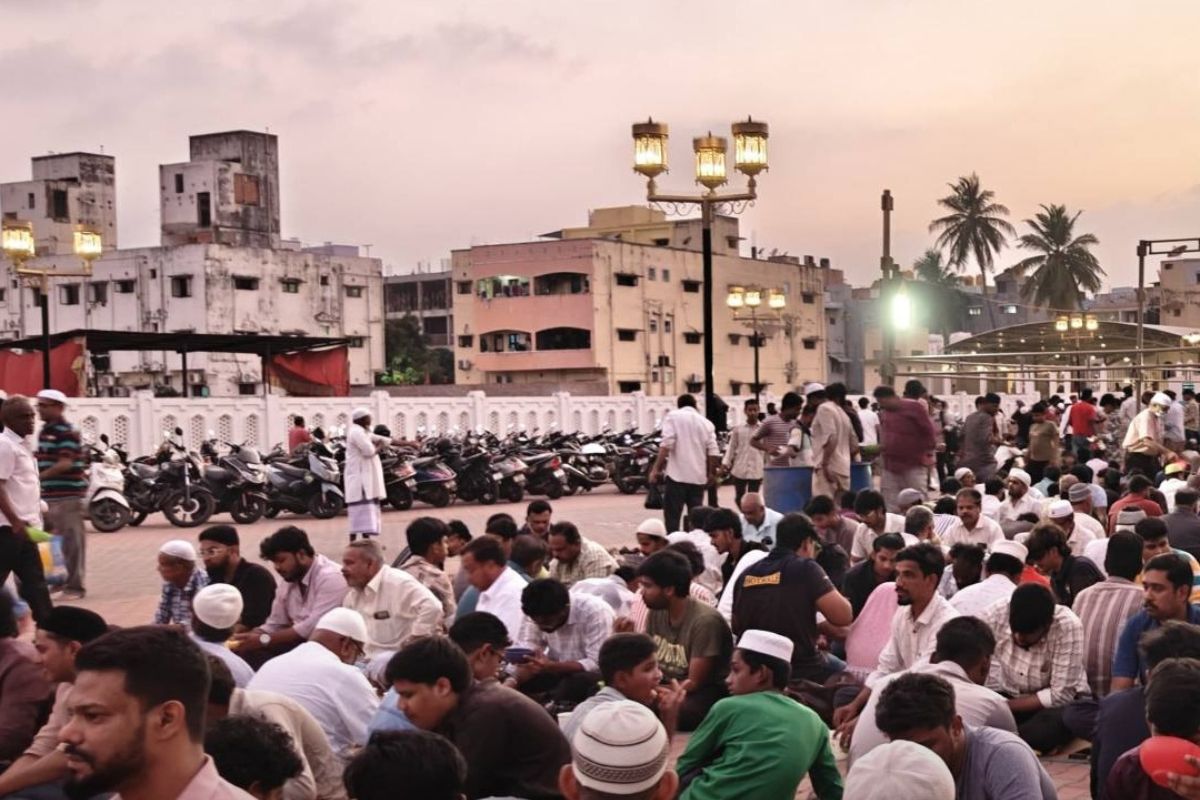
The practice also demonstrates the capacity of local institutions to address needs directly. Without government intervention or corporate sponsorship, a temple and a mosque have sustained a partnership through changing political climates and shifting social norms. For those involved, the work is neither exceptional nor sacrificial. It is simply what they do during Ramzan. The volunteers return each year because the need persists and because the relationships formed through the practice matter to them.
In Mylapore and Triplicane, two neighbourhoods with distinct histories and populations, the iftar service creates a daily connection. It is a connection built on shared meals, mutual respect, and the understanding that hunger does not distinguish between faiths. The tradition continues because people choose to keep it going.
Also Read:Volleyball Revolution Spawns Gender Equality in Assam
You can connect with DNN24 on Facebook, Twitter, and Instagram and subscribe to our YouTube channel.