
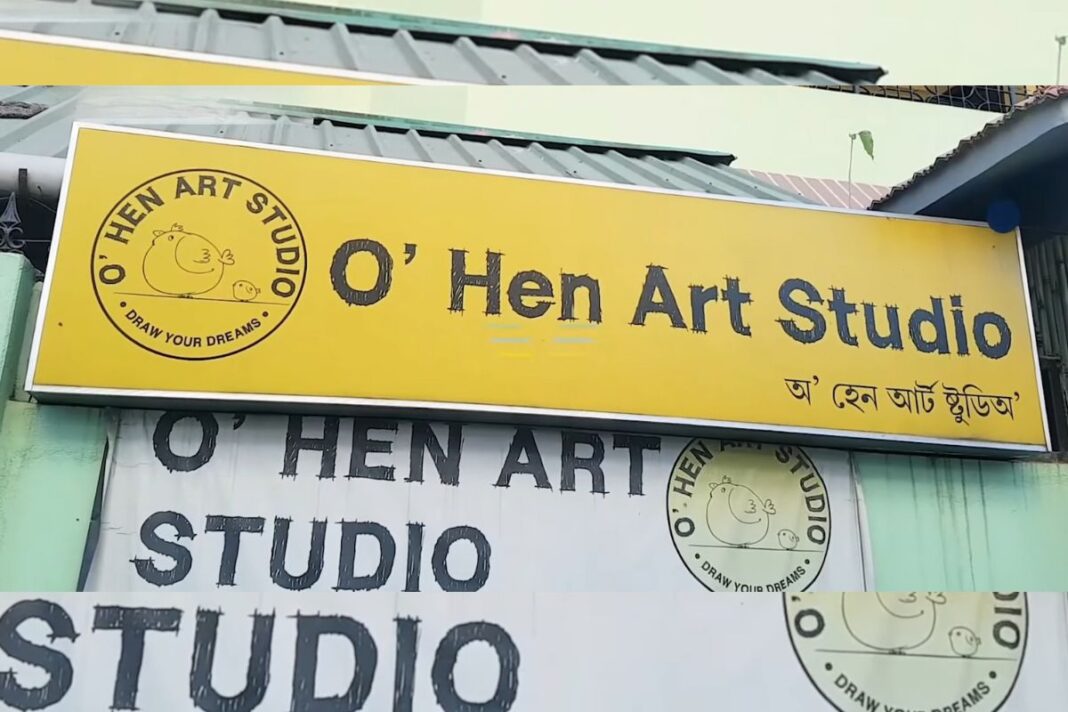

Pottery at O’ Hen Art Studio in Guwahati is not just about making bowls and cups; it is about returning to clay to find a quiet corner inside the mind. This studio turns an old human habit, shaping the earth with bare hands, into a gentle way to slow down in a fast, restless city.
From ancient clay to city studio
For thousands of years, people shaped clay into pots, toys, and storage jars long before glass, plastic, or steel existed, and many early settlements in the Indian subcontinent are known to historians mainly through the broken pots left behind. Those simple clay forms carried water, stored grain, and even held sacred lamps in temples and homes, making pottery one of the oldest connections between daily life and quiet beauty.
Over time, different regions developed their own styles and firing methods, and black pottery traditions like those in Nizamabad, Uttar Pradesh, used smoke and organic materials to turn clay a deep, natural black without synthetic colour or glaze. In every era, the potter’s wheel and the potter’s hands stood at the meeting point of earth, water, fire, and air, reminding humans that their lives also depend on a balance between these same elements.
Today, modern cities run on screens, deadlines, and notifications, but the story of pottery has not ended; it has simply shifted from the village courtyard and riverside pit kilns to small urban studios where people arrive tired from work and leave with fingers dirty and hearts lighter. O’ Hen Art Studio in Guwahati is part of this new chapter, carrying the memory of ancient craft into a present where many people are again searching for a slower rhythm and a more honest way to feel alive.
O’ Hen Art: clay as meeting place
O’ Hen Art Studio, located near Zoo Road in Guwahati, began as an art and design space but has grown into a place where drawing, craft, and pottery live side by side for people of all ages. Here, pottery is offered not only as a skill class but as an experience, and visitors often describe the studio as a calm pocket inside the noisy city.
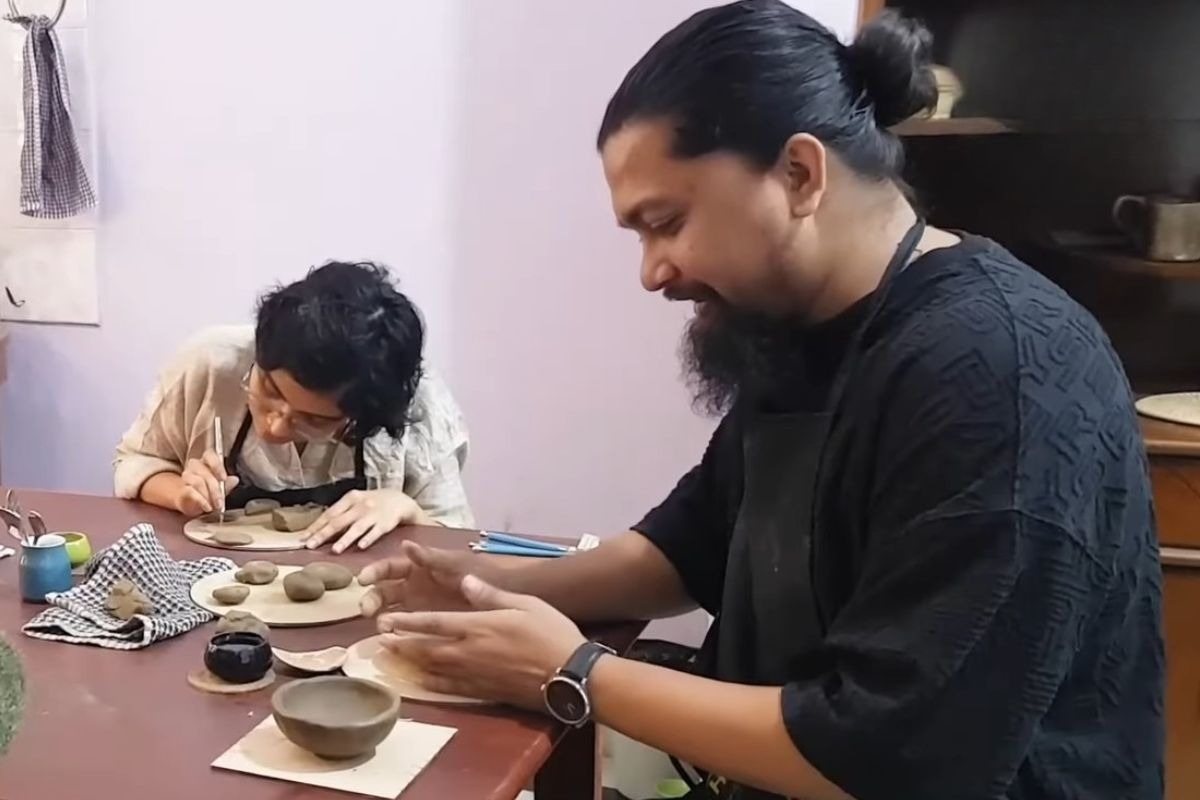
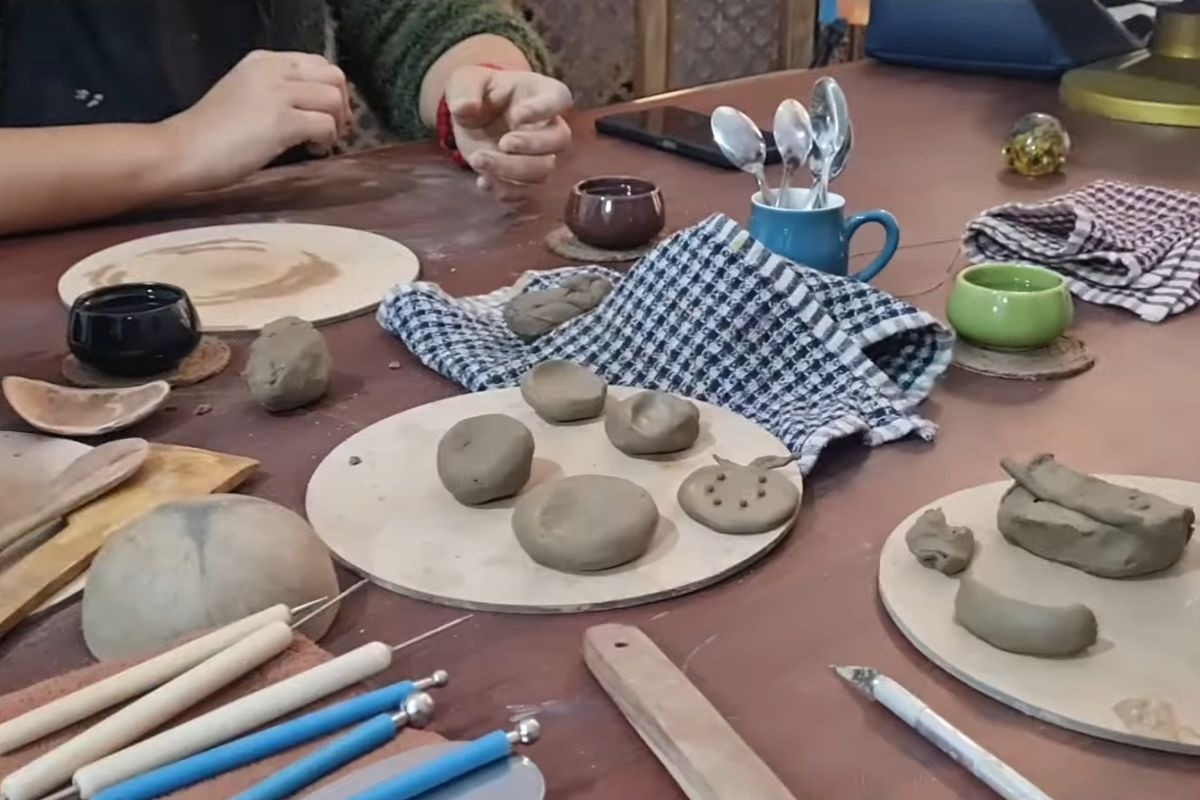
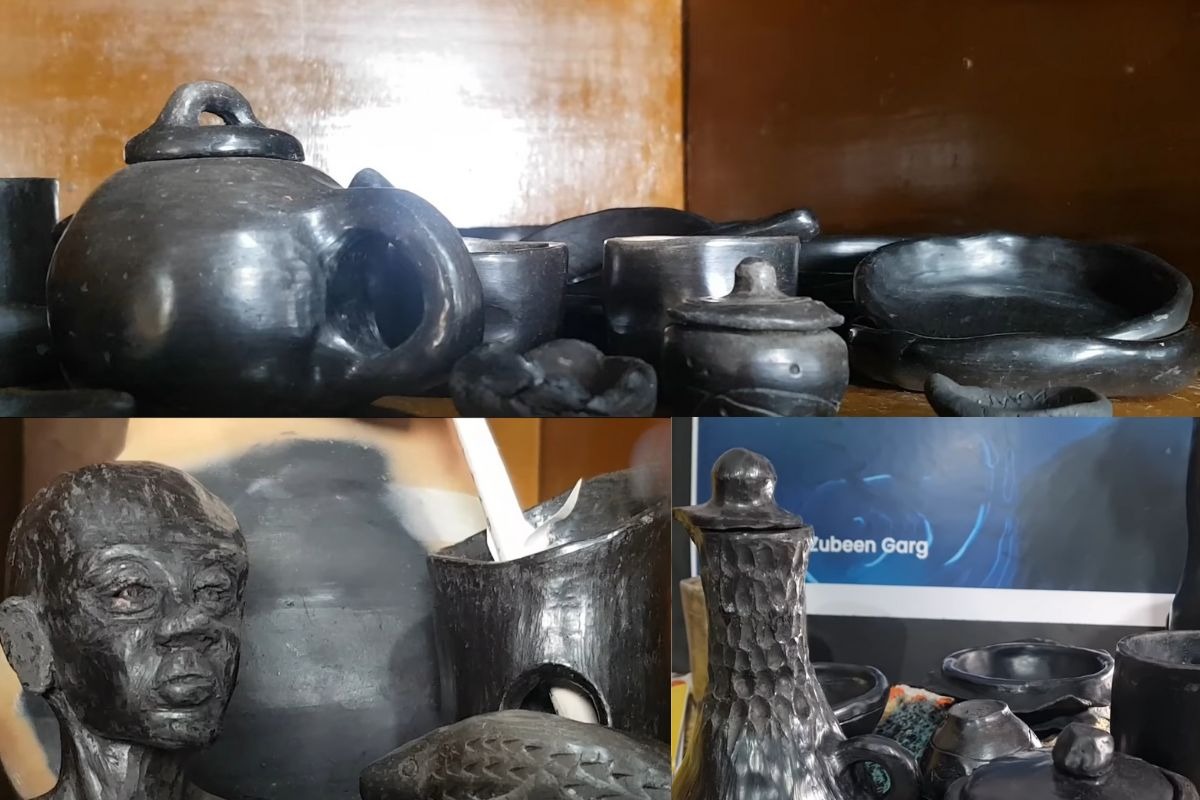
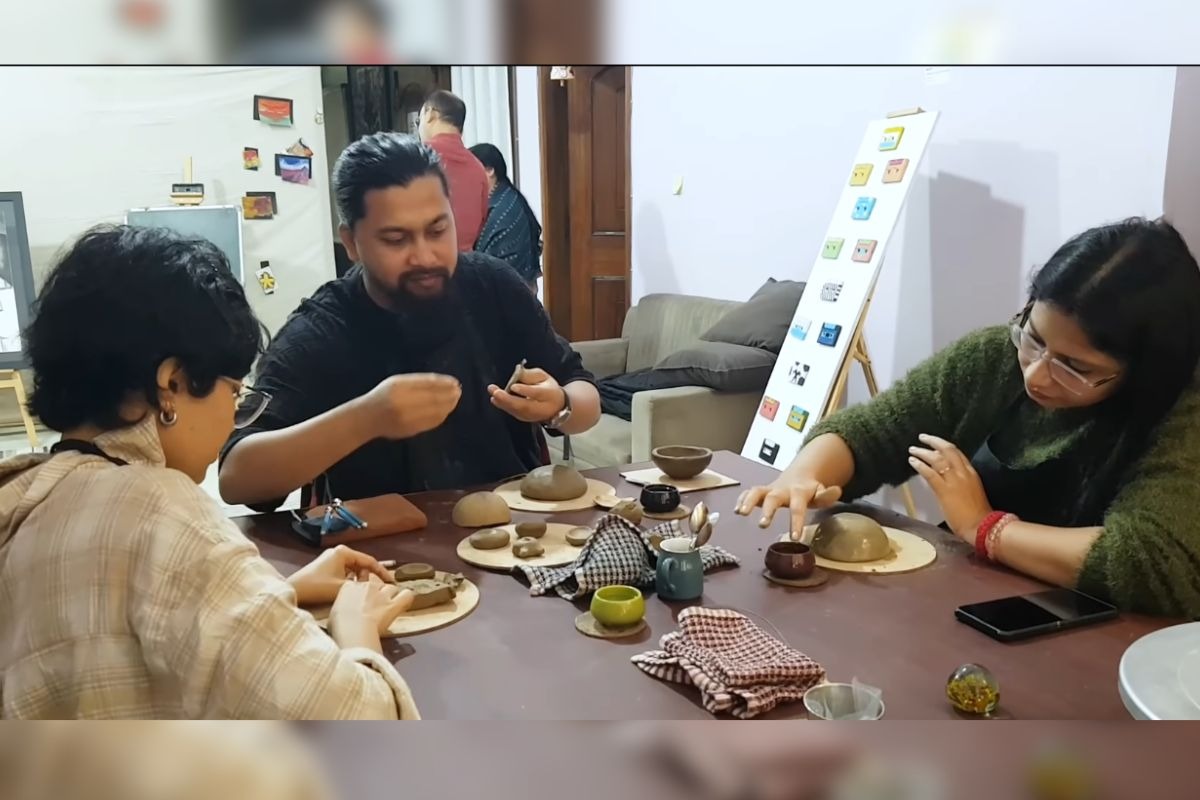
In this room, the sound of spinning clay replaces the usual digital buzz. The atmosphere is simple: a few work tables, shelves filled with small hand-built pieces, some black-fired pots that catch the eye, and a circle where learners sit around clay, water, and tools, sharing stories while their hands keep moving. The team focuses on keeping the space warm and welcoming so that someone who has never touched clay feels just as free as someone who has been drawing or crafting for years.
Short sessions spread over one, three, or five days allow students, office workers, children, and even whole families to join, making pottery not a distant, specialised art but something anyone can try with a bit of patience and open curiosity. Over time, the studio has become a quiet meeting place: strangers sit side by side at the table, roll clay coils, and slowly discover that they share the same need to pause, breathe, and create something small but deeply personal.
Sushrita and Monalisa: listening to clay
Among the many people who walk into the studio, learners like Sushrita and Monalisa show how pottery can mirror an inner journey from noise to stillness. Sushrita first knew clay as a childhood friend, when open ground and raw earth were more common than concrete, and playing with mud was part of daily life rather than a rare weekend activity.
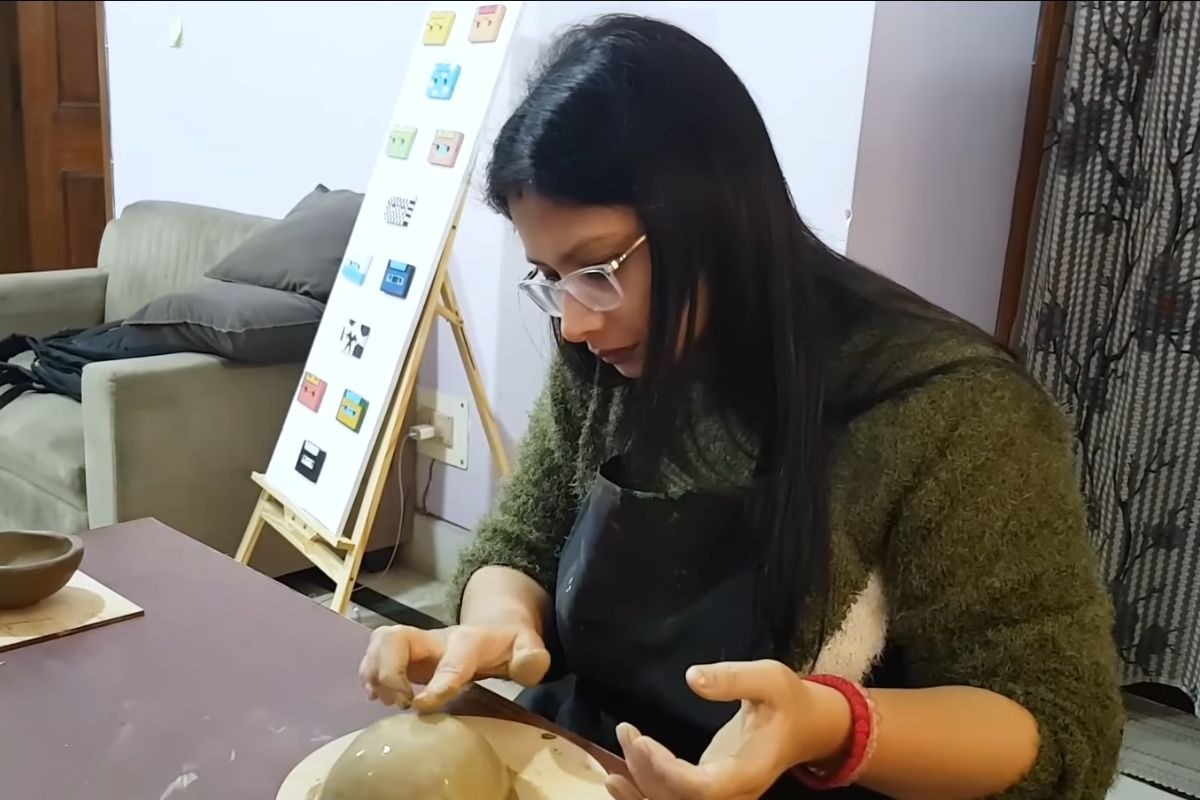
Later, as adult responsibilities, tight schedules, and long hours crept in, that free connection slowly faded, until a social media post about O’ Hen Art Studio reminded her that clay was still there, waiting like an old memory. For her, learning pottery is less about mastering technique and more about returning to “mother earth”, letting her fingers sink into something tangible that does not demand performance or perfection. Monalisa’s path touches another side of the same story: working actively with children in an NGO, she carries both the joy and the emotional load of constant care, and she found pottery when she realised she wanted to slow down and spend clear time with herself.
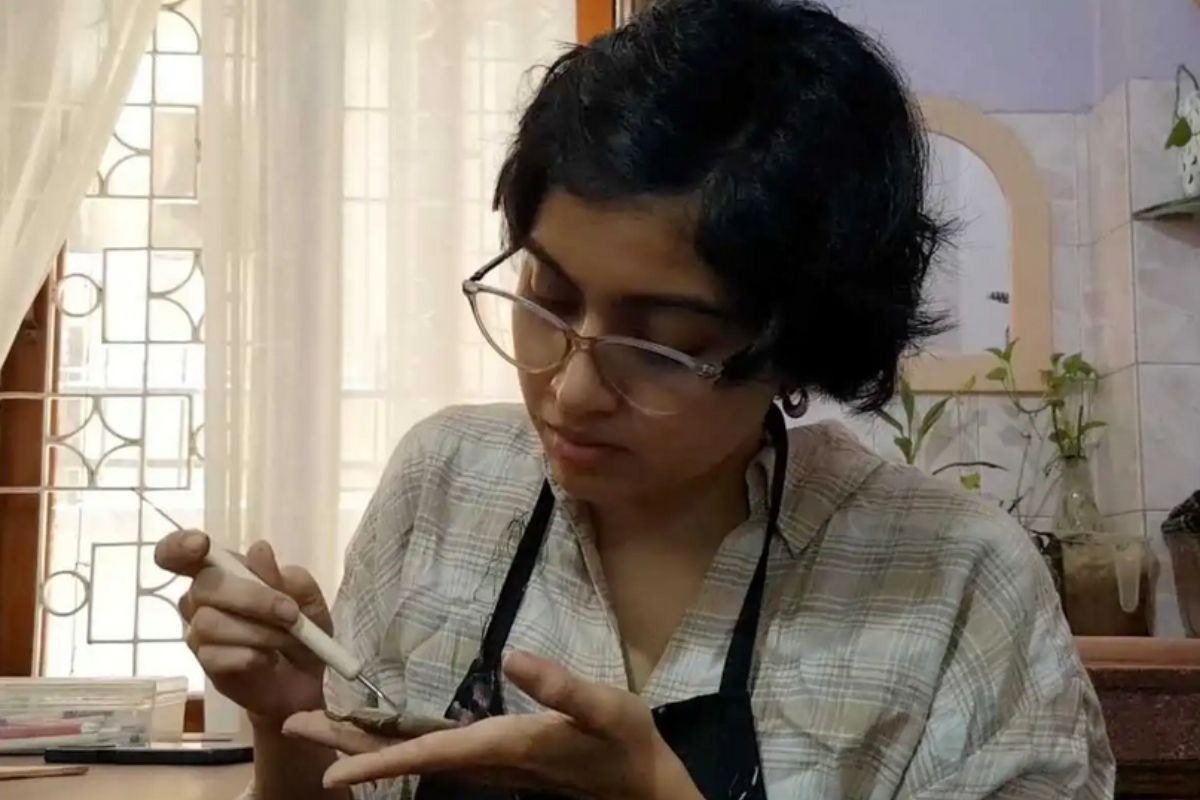
On the wheel and at the hand-building table, she noticed that when she shapes clay, the world outside becomes softer, almost like a distant background, and thoughts that were crowded suddenly line up with gentle clarity. She also sees how clay can support children’s growth, because when kids press, roll, and pinch clay, they express feelings without fear, learn through touch, and discover that their small hands can turn formless earth into something they can hold, gift, or proudly place on a shelf.
The mentor’s hands and quiet black pots
Behind these experiences stands a mentor like Khairul Bachaar, who treats pottery first as a way of becoming a better human being and only then as a set of skills. Instead of pushing students quickly to make significant, perfect-looking pieces, he starts with small, hand-built forms, reminding them that early humans also began with simple shapes that served basic needs and slowly improved them over generations.
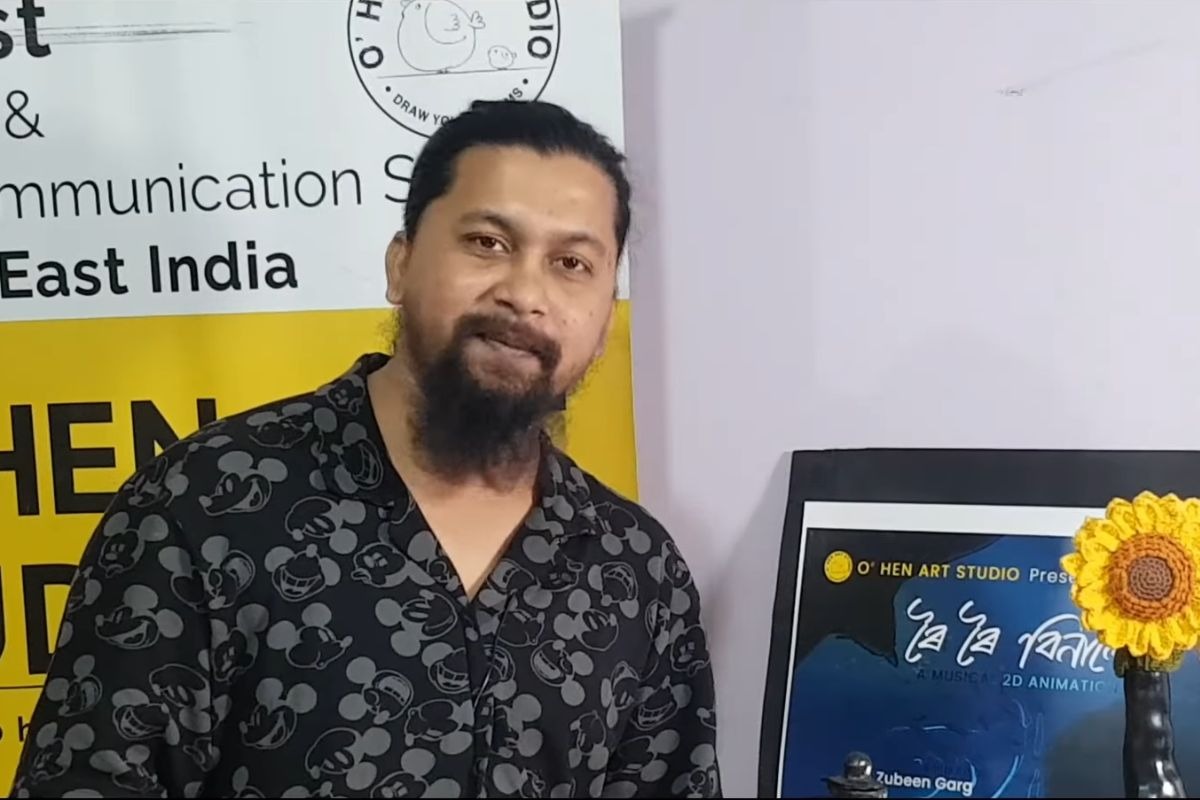
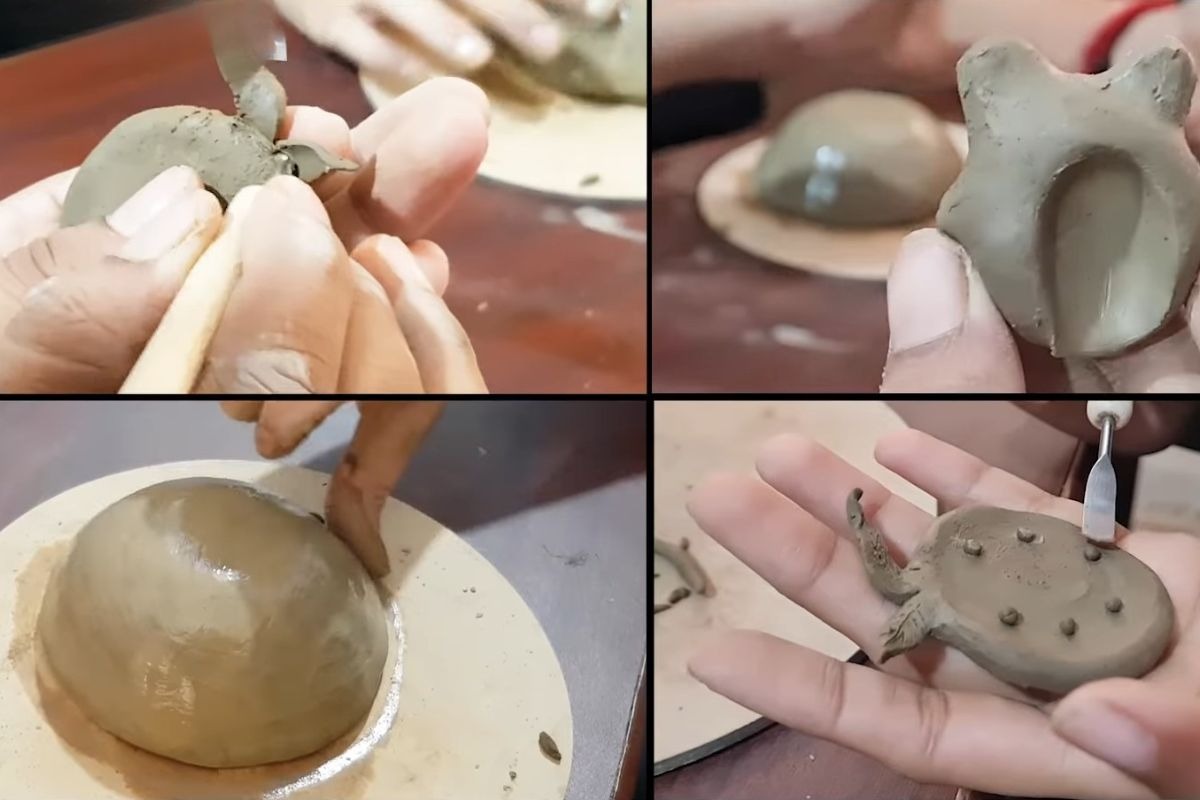
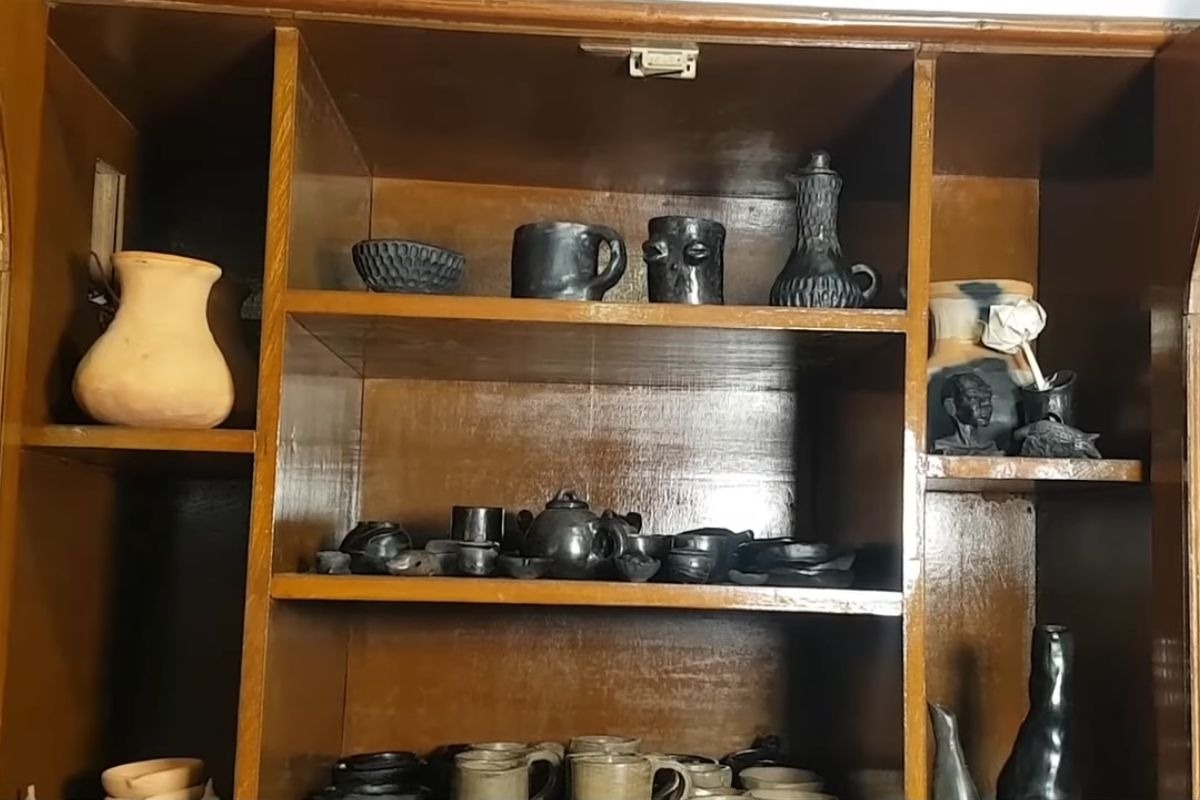
Hand-building at the studio uses the most basic tools: fingers, palms, and sometimes small, self-made instruments from natural materials like bamboo, so that learners understand how little is actually needed to begin creating. In one corner of the studio, small black pots carry a special presence; they are not painted or glazed with chemical colour but are the result of a firing process in which clay pieces are slowly heated in a smoke-rich environment for many hours, allowing the smoke and minerals to soak into the surface and turn it deep black with a gentle shine.
This method echoes traditional smoke-firing techniques seen in Indian black pottery centres, where organic materials such as husk and other natural materials are used to create unique dark finishes without synthetic layers. When students learn about these black pots, they see that colour and shine can come from patience and process rather than from quick decoration, and this becomes a quiet lesson about how inner strength and calm also form slowly, layer by layer, through repeated acts of steady attention.
Pottery today: calm in a restless time
In the present moment, where much of life unfolds through mobile screens and fast-scrolling feeds, the act of sitting at a low table with a lump of clay feels almost radical. Pottery at O’ Hen Art Studio is open to school students, working professionals, children, and entire families, and the flexible short-term sessions allow people to fit creativity into tight routines without turning it into another stressful obligation.
For many, the first surprise is how the body reacts: shoulders drop, breathing deepens, and the mind slowly follows the rhythm of the turning wheel or the simple repetition of rolling coils and smoothing surfaces. This kind of focused, hands-on work is known to support mental health because it gently draws attention into the present moment and gives a person a sense of quiet achievement when the wet, shapeless mass becomes a cup, a bowl, or a small figure.
In a broader sense, the studio’s work keeps alive an art that has travelled across thousands of years, proving that even in a digital age, people still need to touch earth, feel texture, and create objects that carry their fingerprints. Pottery here becomes more than craft; it is a soft doorway through which people step out of hurry and into themselves, learning that the same clay which once built old civilisations can still make a more peaceful inner world, one slow, turning circle at a time.
Also Read: History Made in 2 Hours and 40 Minutes: A Unique 20×40 Foot Painting Created for ‘Operation Sindoor’
You can connect with DNN24 on Facebook, Twitter, and Instagram and subscribe to our YouTube channel.