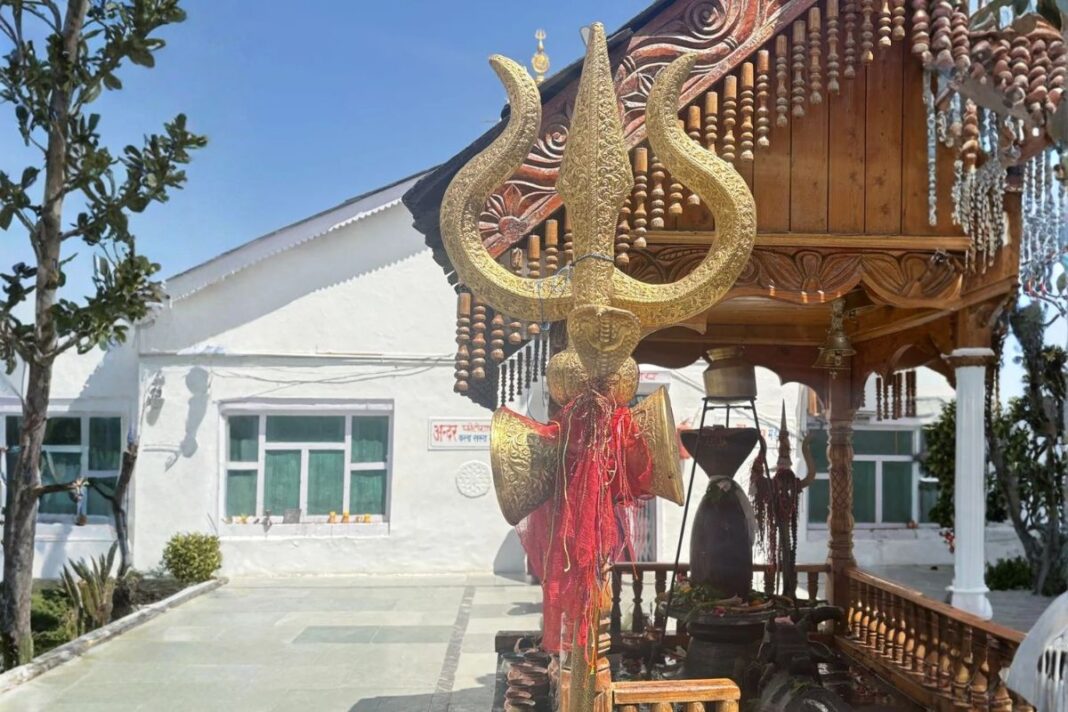

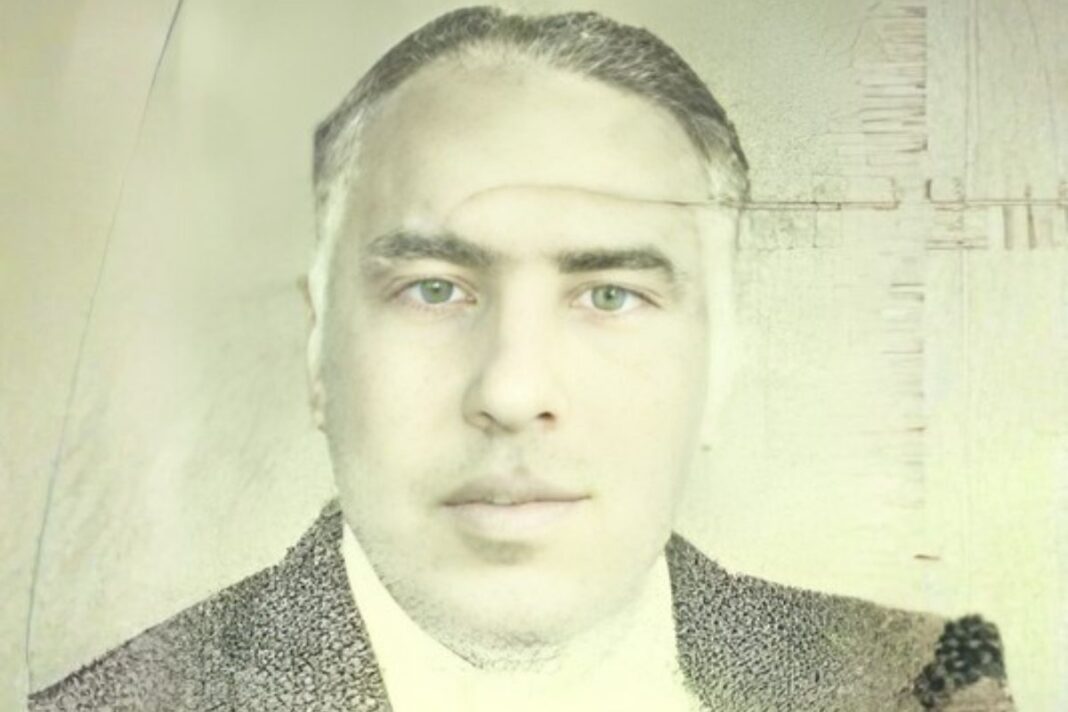

Chiniot sits quietly along the Chenab River in Pakistan’s Punjab, known for master carpenters who turn solid timber into delicate patterns that seem to float in the air. From this town of havelis and handcrafted beauty came Charkh Chinioti, an Urdu poet whose ghazals moved through the world not with loud announcements but with the gentle insistence of truth.
jab sar-e-baam wo KHurshid-jamal aata hai
Charkh Chinioti
zarre zarre pe qayamat ka jalal aata hai
While other poets rushed toward big cities and bright lights, Charkh remained in his small town, writing verses about lost love, quiet suffering and prayers spoken only to oneself. His work never shouted for attention.
bazm-e-jaanan mein mohabbat ka asar dekhenge
Charkh Chinioti
kis se milti hai nazar un ki nazar dekhenge
It whispered. And somehow, those whispers reached readers across borders and decades, people who copied his lines into personal diaries, recited them at gatherings and searched for his name when their own hearts needed words.
hum jo mil baiThen to yak-jaan bhi ho sakte hain
Charkh Chinioti
pure apne sabhi arman bhi ho sakte hain
Very little biographical detail survives in public records. The exact years of his birth and passing remain unclear. Still, his poetry clearly belongs to modern Urdu’s golden period, when radio broadcasts and small publishers connected regional voices with national audiences.
aql hairan hai rahmat ka taqaza kya hai
Charkh Chinioti
dil ko taqsir ki targhib tamasha kya hai
During that time, Charkh represented something valuable: emotional truth without performance. His ghazals appear on serious Urdu poetry websites, always tagged as heartbroken and melancholic, but never as empty sentiment. They read like the private thoughts of someone who has spent the day working with his hands and now sits alone, shaping sorrow into carefully measured lines.
baat kahne ke liye baat banai na gai
Charkh Chinioti
hum se baraat farebon ki sajai na gai
The rooms his poetry builds
Entering a Charkh Chinioti ghazal feels like stepping into a gathering where love has already burned through its brightest moments and now exists only as memory. His famous piece “Bazm-e-Janan Mein Mohabbat Ka Asar Dekhen Ge” suggests that in the assembly of the beloved, the real effect of love will finally reveal itself.
husn ke jalwe luTae teri ranai ne
Charkh Chinioti
raaz sab khol diye ek hi angDai ne
Not as sudden passion but as a slow consequence that arrives long after the event. His ghazals circle absence, waiting and the fragile thread of hope that refuses to break even when everything else has.
tanhai mein aaj un se mulaqat hui hai
Charkh Chinioti
jis baat ki KHwahish thi wahi baat hui hai
Another well-known work, “Gungonati Hoi Awaz Kahan Se Laon,” presents the image of a humming voice caught somewhere in the throat, unable to emerge fully formed. This struggle to articulate feeling sits at the centre of his work.
machlenge un ke aane pe jazbaat sainkaDon
Charkh Chinioti
hans bolne ki hongi hikayat sainkaDon
The poet is not trying to impress with clever wordplay or fashionable images. He builds atmosphere instead: the silence after a difficult conversation, the pause between heartbeats, the gap between what people say in public and what they feel as they walk home alone at night. His ghazals work like oil lamps in an old room, lighting a few corners while leaving the rest to shadow and suggestion.
be-KHudi mein hai na wo pi kar sambhal jaane mein hai
Charkh Chinioti
lutf pa-e-yar par jo laghzishen khane mein hai
The town that shaped the voice
Chiniot is not simply where Charkh came from. It is woven into the texture of his imagination. The town’s artisans spend months carving single pieces of furniture, transforming heavy sheesham wood into patterns so intricate they seem weightless.
gungunati hui aawaz kahan se laun
Charkh Chinioti
teri aawaz ka andaz kahan se laun
Buildings like Omar Hayat Palace display jharokas and balconies that look like poetry frozen in brick. This culture of patient art, where nothing is rushed, and every detail matters, mirrors how Charkh wrote his ghazals: slowly, carefully, with quiet intensity.
aza mein kaif-fashan phir sahab hai saqi
Charkh Chinioti
phir apne rang pe daur-e-shabab hai saqi
In smaller towns, time moves at human speed. News arrives from the wider world, but emotions still process through conversations over tea, sighs at the riverbank, and solitary walks beneath old trees. Charkh’s verses emerge from this rhythm.
jo aansuon ko na chamkae wo KHushi kya hai
Charkh Chinioti
na aae maut pe ghaalib to zindagi kya hai
They hold classical ghazal structure while letting modern hurt seep through. His sadness is not abstract. It stands on actual ground: separations that happened, longings that went unfulfilled, promises spoken in rooms they never left. Just as Chiniot’s artisans balance beauty with structural strength, Charkh balances tenderness with inner resolve, accepting pain without surrendering to it.
jo aansuon ko na chamkae wo KHushi kya hai
Charkh Chinioti
na aae maut pe ghaalib to zindagi kya hai
Why his words still find readers
In an era of instant updates and throwaway captions, Charkh Chinioti’s poetry offers something different: a reminder that some emotions need time to mature before they become words worth saying. Young readers searching online for authentic Urdu sad poetry still discover his ghazals on major platforms, where his name appears among respected voices.
jalwa-e-hosh-ruba koi dikhaya jae
Charkh Chinioti
‘alam-e-shauq ko diwana banaya jae
His verses give them private space to process heartbreak and loneliness when their surroundings feel too chaotic to contain them.For other writers, Charkh demonstrates that belonging to a small place does not limit reach. His Chinioti identity is not a disadvantage. It carries an entire landscape of craft, patience and understated grace.
kab gharibon ko ujalon ki KHabar hoti hai
Charkh Chinioti
zindagi un ki andheron mein basar hoti hai
In a culture that often mistakes volume for significance, his quiet ghazals prove that depth does not require drama. They show that a poet’s actual address is not only a location on a map but an emotional frequency, and anyone who tunes into that frequency can sit beside Charkh in the imagined gathering, sharing the light of his carefully chosen words.
teri zulfon ne kiya kis pe karam raat gae
Charkh Chinioti
kis ke hathon se nikale gae KHam raat gae
The carved wood of Chiniot endures because artisans refused to rush. Charkh Chinioti’s poetry endures for the same reason. Both remind us that some things worth having take time to make, and once made, outlast the noise of their own moment.
Also Read: Badr Mohammadi: The Poet Who Made Heartbreak His Home
You can connect with DNN24 on Facebook, Twitter, and Instagram and subscribe to our YouTube channel.