
Global Sports Mentoring Program alumna Vaidehi Vaidya shares how American schools, sports science, and professional support systems help build athletes, industries, and community engagement around sports.
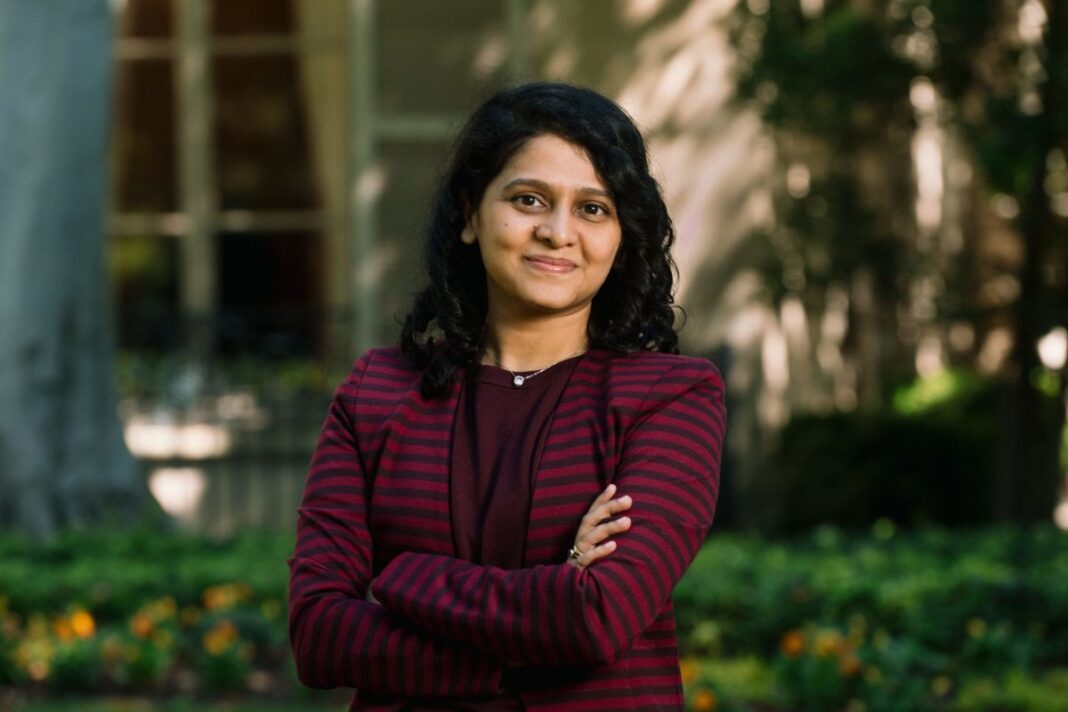
Vaidehi Vaidya wants Indian sports professionals to think beyond medals and matches. Speaking to more than 80 athletes, coaches, trainers, and sports administrators during a hybrid session in Bhopal organized by U.S. Consulate Mumbai, the Global Sports Mentoring Program alumna highlighted how American sports systems combine athlete development, science, education, and business to build both champions and industries.
Her session, titled “America’s Sports Systems and Pathways Shaping Champions and Industries,” introduced participants to how the United States builds long-term sports systems through schools, colleges, professional leagues, and specialized support networks. Drawing from her experience in the United States, Vaidya says the success of American sports is rooted in systems designed to support athletes at every level.
“The United States adopts a three-pronged approach: structured, scientific, and professional,” says Vaidya. “The American sports industry is highly organized. Athletes entering the field typically have a clear idea of their career path. From school teams to national leagues, there is widespread recognition of the importance of performance science.”
The U.S. approach extends beyond athlete training and includes long-term investments in infrastructure, management, and professional support systems that strengthen the sports industry as a whole.
Global Sports Mentoring Program shares winning strategies
Vaidya participated in the U.S. Department of State’s Global Sports Mentoring Program, administered by the University of Tennessee’s Center for Sport, Peace, and Society. The program connects international sports leaders with American mentors and institutions to share best practices in sports leadership and management.
During the exchange, Vaidya observed how research, technical expertise, and professional management work together across the U.S. sports sector. The experience offered insights into how American organizations build long-term systems that support both athletes and sports professionals.
“Whether in coaching, sports science, or data analysis, these domains are addressed scientifically and supported by research,” she says. “This methodology contributes to the development of robust technical programs and cultivates professionals who demonstrate a high level of expertise in their respective fields.”
The program also gave her opportunities to connect with sports leaders and better understand how American institutions create networks that support innovation and professional growth.
“I had the opportunity to connect with prominent leaders, which significantly influenced my perspective on personal and professional growth,” says Vaidya. “The program enabled me to implement effective systems that will contribute to establishing a robust business in India.”
How America’s sports systems integrate schools and colleges
One of the defining strengths of the American model is the strong role educational institutions play in athlete development. Schools and colleges create structured pathways for athletes while also contributing to the commercial growth of sports.
“Integrating sports at both school and college levels contributes significantly to athlete development,” she says. “The sports system in schools and colleges is well-established and introduces a commercial element. Many athletes are selected from college competitions to participate in national leagues, making this system an effective feeder for national teams.”
She also emphasized the importance of access to high-quality infrastructure. Exposure to professional facilities at an early stage, she says, helps athletes prepare for higher levels of competition.
“The professional-grade sports facilities available in educational institutions support this growth and advancement,” she explains.
Sports science and professional support
Beyond facilities and competition pathways, Vaidya says the U.S. system stands out for the way it integrates specialized professionals into athlete training and performance management. Analysts, psychologists, trainers, and other experts work alongside coaches to improve athlete performance and strengthen the broader sports industry.
“In the United States, the significance of specialized professionals in sports, such as sports analysts and psychologists, is well recognized for their positive impact on athlete performance,” she says. “Coaches acknowledge the value these experts add to training and competition, viewing them as essential members of the athletic system.”
She added that this collaborative approach encourages innovation not only in athlete performance but also in the management and organization of sports.
“Integrating these professionals fosters innovation across organizational, managerial, and technical domains within the sports industry,” says Vaidya.
How sports venues support community engagement
During the Bhopal session, Vaidya encouraged participants to think about sports as a community experience and an economic driver, not only as competition. She discussed how sports venues in the United States often function as gathering spaces that bring communities together and expand engagement around sports.
“My goal was for them to grasp how the U.S. school and college sports system operates,” she says. “I also wanted them to appreciate the community dimension of sports, where arenas serve as gathering spaces rather than merely stadiums.”
She says the session also focused on the importance of building long-term systems that support sustainable sports development.
“I aimed for them to recognize that success in sports relies on established systems, understand the shift from focusing solely on Olympic sports to fostering sustainable sport ecosystems, and view sports venues and events through the lens of community engagement,” she explains.
By Syed Sulaiman Akhtar, SPAN Magazine
Also Read: Sports Diplomacy in Action: Basketball Connects India and the United States
You can connect with DNN24 on Facebook, Twitter, and Instagram and subscribe to our YouTube channel.