

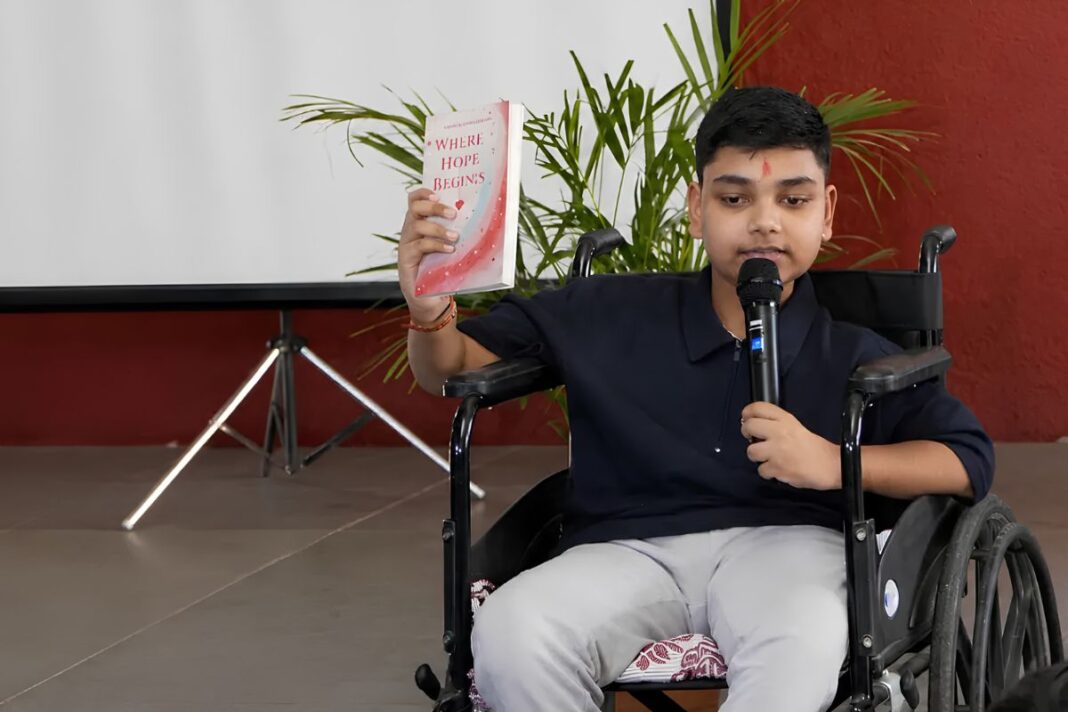

A teenager in a wheelchair is mapping an accessible India, one verified doorway at a time, and the story behind that effort begins with a single afternoon that changed everything. Pratik Shingare was thirteen years old, active and ordinary in every sense a teenager can be ordinary, when a road accident altered the course of his life. What followed was not simply a physical recovery. It was the slow, uncomfortable discovery that the world around him had never been built with people like him in mind.
From Recovery To Realisation
In the months after the accident, Pratik began noticing details that most people never have reason to notice. A missing ramp. A doorway too narrow for a wheelchair to pass through. A staircase where an elevator should have been. These were not abstract inconveniences. They were daily decisions, made by architects and shopkeepers long before he was born, about who was welcome and who was not.
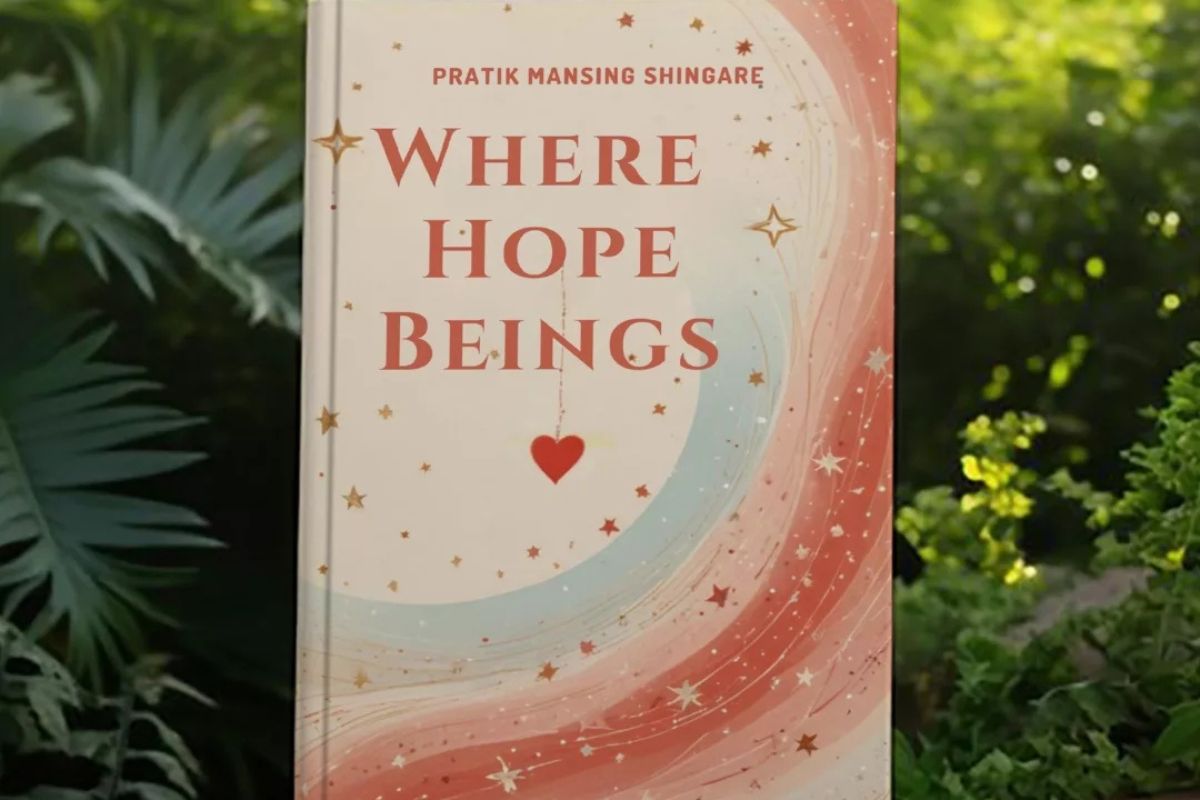
Writing gave him a way to process what he was living through. Between late 2024 and early 2025, he wrote poetry and short reflections on healing, loss and the strange work of rebuilding a sense of self. That writing became his first book, titled Where Hope Begins, published in December 2024 through Evincepub when Pratik was just fourteen. The collection speaks plainly about resilience and growth, and it carries the same conviction that would soon drive his larger project: that a setback, however severe, can also be a starting point.
Founding Stairless Journey
In February 2026, that conviction took a more public shape. Pratik founded Stairless Journey, a youth led initiative built around a simple but overlooked need. Before a wheelchair user travels to a cafe, a bookstore or a community hall, they should be able to know, with some confidence, whether that place is actually accessible.
The project began modestly, as what Pratik calls a heart led page on Instagram, under the handles stairless journey underscore pune and stairlessjourney. It has since grown into something more ambitious, with plans for a dedicated website and eventually a mobile app. The method remains consistent regardless of scale. Volunteers visit locations in person and record what they find: whether there is step free entry, whether doorways are wide enough for a wheelchair, whether restrooms are usable, whether elevators exist or whether visitors are simply expected to climb.
Fifty Verified Spaces And Counting
Within months, Stairless Journey had documented more than fifty locations across three states, Maharashtra, Goa and West Bengal, with Pune, Goa and Kolkata forming the current core of the map. Each entry includes photographs and a plain description of what a visitor can expect, rather than a vague label of accessible or not.
The scale of the need becomes clearer with a single statistic. Fewer than a quarter of public spaces in India are considered genuinely wheelchair friendly. Against that backdrop, a verified and growing list is not a convenience. It is closer to a form of permission, allowing families and individuals to plan an outing, a meeting or a simple afternoon out without the risk of arriving somewhere only to be turned away by a flight of stairs.
Pratik has been careful never to overstate what a map can do. It cannot pour concrete or widen a doorway. What it can do is make an invisible barrier visible, and quietly tell a business or an institution that someone is paying attention to whether they have made room for everyone.
Designing For Dignity, Not Just Access
What separates Stairless Journey from a simple directory is its insistence on dignity as the actual goal, with accessibility as the means of reaching it. The group has hosted sessions, including one titled Disability, Design and Dignity, where students, volunteers and people with lived experience discuss situations that rarely make headlines. A wheelchair user who misses a bus because its ramp is broken, and with it a job interview. A blind customer who cannot check a restaurant bill without help, while other patrons grow visibly impatient. A child on the autism spectrum who overhears himself called disruptive by someone who never understood what he actually needed.
From these conversations, the group developed a short set of questions meant for anyone designing a public space or a public service. Can a person use this without assistance. Does it treat people equally, or does it single them out. Does it respect their time, their privacy and their comfort. When the answer to each is genuinely yes, inclusion stops feeling like an accommodation and starts feeling ordinary, which is exactly the point.
This framing pushes the conversation past bare legal compliance with the Rights of Persons with Disabilities Act of 2016, toward something closer to a culture, one in which accessibility is treated as basic to safety and participation rather than an afterthought bolted on at the end.
A Movement Led By The Young
Pratik describes Stairless Journey as both a personal project and a collective one. His team is made up largely of college students and volunteers who conduct the audits, produce content and speak with venue owners about what could be improved. That structure is itself a kind of statement. It suggests that young people need not wait for permission or seniority to begin fixing what is broken around them.
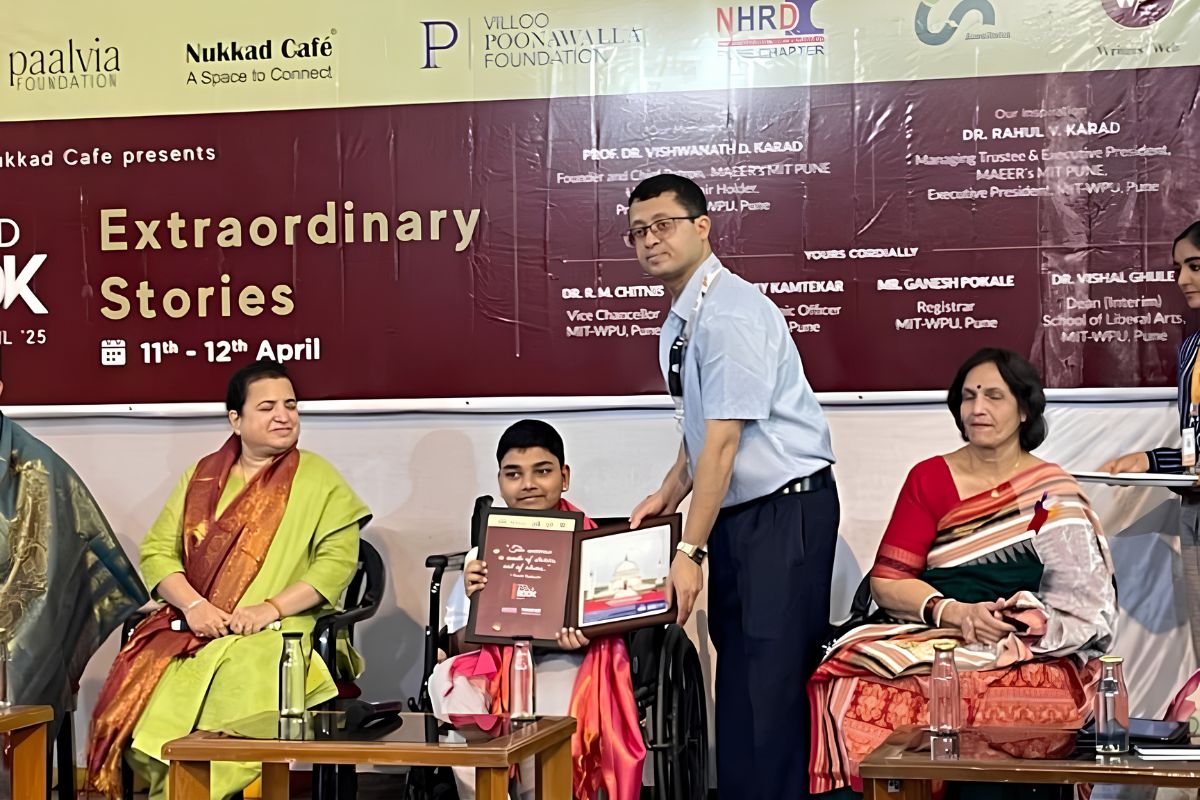
He remains an active public speaker as well, using talks and social media to raise awareness of both visible and invisible disabilities recognised under Indian law, and of the emotional isolation that so often accompanies them. He has also pointed out a gap that policy has yet to close. India still has no dedicated helpline a disabled traveller can call when accessible public transport simply fails to show up.
Why It Matters Beyond One City
India is home to a vast population of persons with disabilities, and its public infrastructure has long trailed behind its legal commitments on paper. Stories like Pratik’s carry weight because they turn a dry statistic about accessibility gaps into a specific, lived account. They also demonstrate that meaningful change can begin without waiting for large institutions to act first, and that a verified list of accessible places can improve someone’s daily life almost immediately, not in some distant future.
Stairless Journey now sits alongside a wider set of efforts across India, from disability rights advocacy to urban design projects built around universal access, all pointing toward the same conclusion. Access is not a favour extended to those who ask nicely. It is a right that public spaces owe to everyone who wants to walk, or roll, through their doors.
Pratik’s plans for the months ahead are straightforward. Expand the list of verified locations, launch the website, and eventually build the app he has spoken about, one that would let a person open their phone and simply know where they can go. His larger message, though, has little to do with software. Behind every ramp and every wide doorway is a person who deserves to move through the world with dignity, with choice and with something close to joy. In a country long designed around a narrow idea of who counts as normal, a teenager in a wheelchair is quietly redrawing the blueprint, one verified place at a time.
Also Read: How Homemaker Turned Sarpanch Lata Devi Helped Reduce Drug Abuse Across Five Himachal Villages
You can connect with DNN24 on Facebook, Twitter, and Instagram and subscribe to our YouTube channel.