

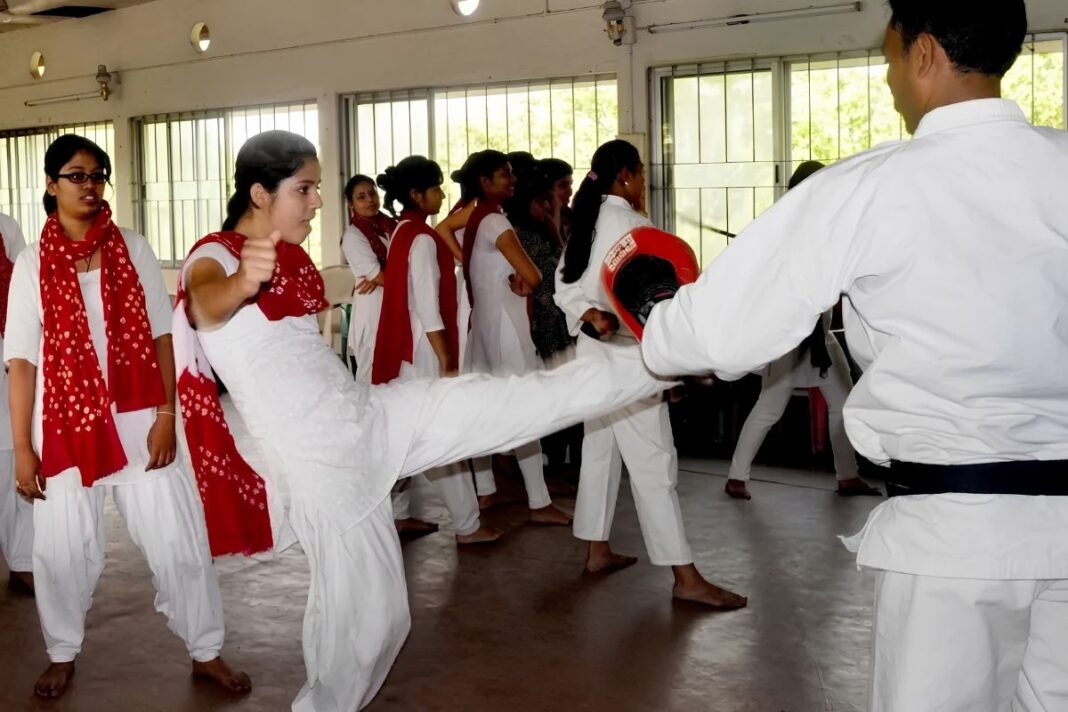

In the sun-baked corridors of Rajasthan’s government colleges, a quiet revolution is unfolding, and it does not announce itself with slogans or marches. It shows up instead in the steady rhythm of feet practising upper punches, middle blocks, and side steps. It echoes in the focused silence of young women learning to budget their first stipend, understand their legal rights, and move through the digital world without fear. Named after Rani Lakshmibai, the warrior queen of Jhansi, these centres do not offer just self-defence classes. They are becoming incubators of confidence, capability, and independence for thousands of young women across the state.
A Programme Built On A Simple Idea
The Rani Lakshmi Bai Kendra initiative is a flagship programme of Rajasthan’s Department of Higher Education, run jointly with the state police department. Its starting point is the recognition that education alone cannot lift young women if they live in fear, remain unaware of their rights, or stay financially dependent on others. The programme aims to turn government colleges into fuller centres of learning, where physical strength meets legal awareness and practical life skills.
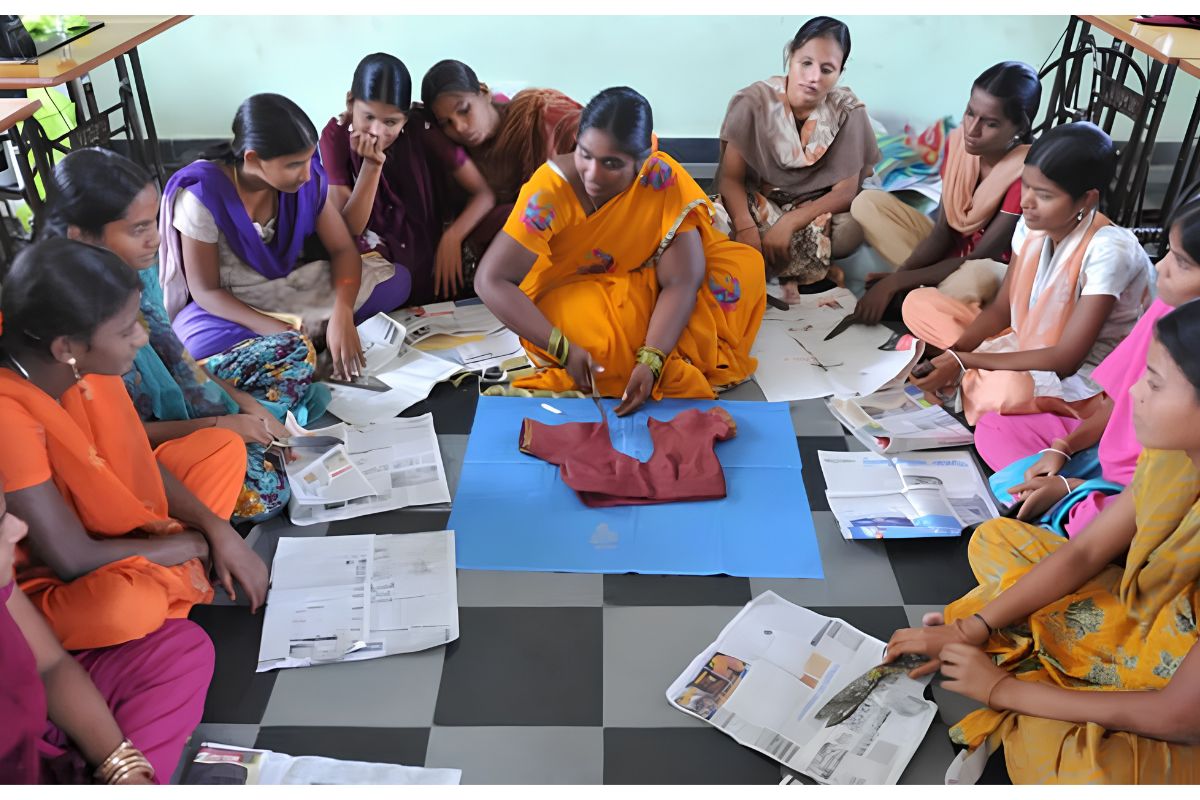
The scale of the effort is considerable. In its first phase, the programme reached 34 government girls’ colleges at district headquarters, training nearly 3,500 students. The second phase expanded to 314 colleges at the block level, reaching 15,000 young women. Now, under the budget announced for 2026-27 by Finance Minister Diya Kumari, another 150 government colleges will host these centres, with a target of reaching over 25,000 girl students across Rajasthan. Some reports suggest the training could eventually reach close to 50,000 students, a sign of how seriously the state has taken this particular approach to youth welfare.
Four Weeks That Cover More Ground Than Martial Arts
What sets the Rani Lakshmi Bai Kendras apart is the breadth of what they teach. The training runs across a structured four-week model that blends physical training with legal, digital, and financial literacy into one connected experience.
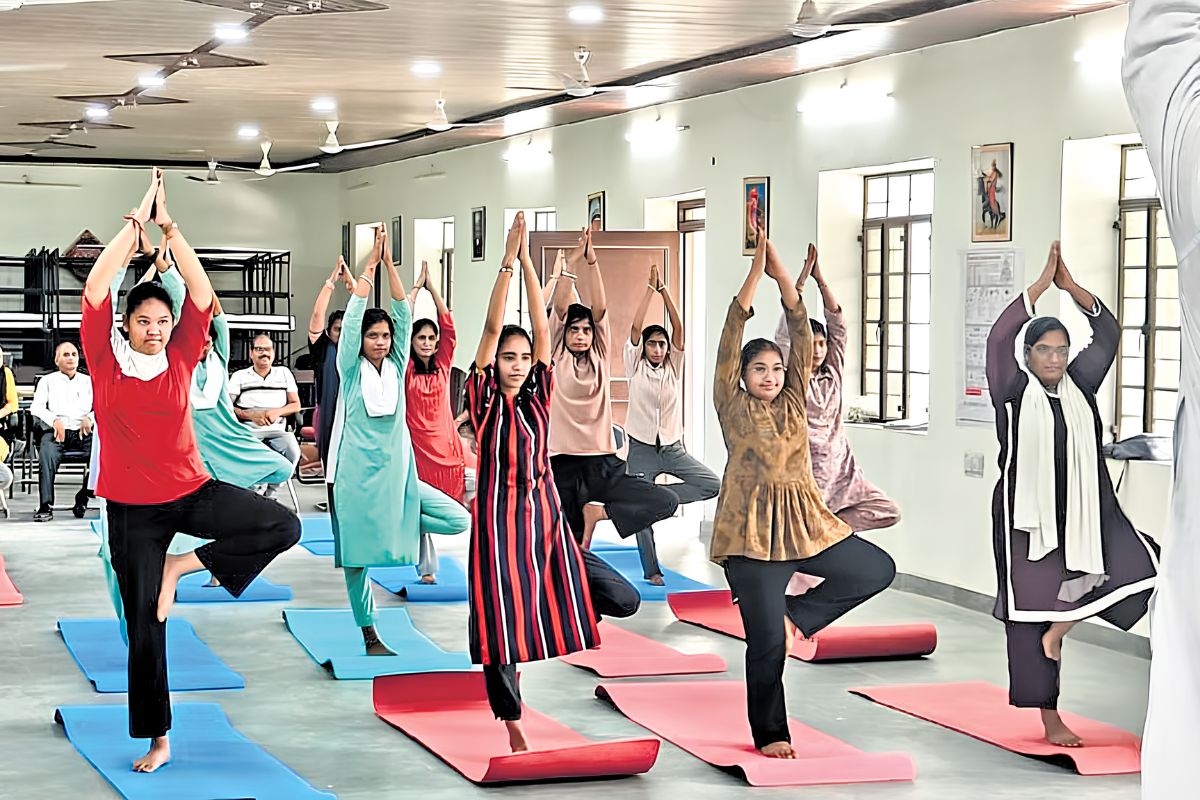
Self-defence forms the foundation of the course. Trained women police officers lead hands-on sessions in batches of about 40 to 45 students, teaching moves such as the upper punch, the middle punch, the lower punch, and the side block, chosen for how they might work in a real confrontation. Yoga and meditation sessions sit alongside the physical drills, building concentration and steadying the nerves.
The programme does not stop at teaching young women how to defend their bodies. Legal rights awareness sits at the centre of the curriculum. Students learn about laws meant to protect women, about emergency helplines, and about the institutions they can turn to when they need help. This knowledge changes fear into something closer to agency.
Cybersecurity and personal safety sessions address the risks young women now face online. Students learn to spot warning signs, guard their personal information, and use the internet with more confidence, a skill that truly matters today given how much harassment now moves through phones and social media.
Perhaps the most quietly transformative part of the course is its attention to money. Students receive guidance on banking, budgeting, scholarships, and career planning, learning to manage what little they earn and think seriously about long-term self-reliance. Career counselling and vocational training round out the picture, preparing students for the workforce with a clearer sense of direction.
Stories From The Ground
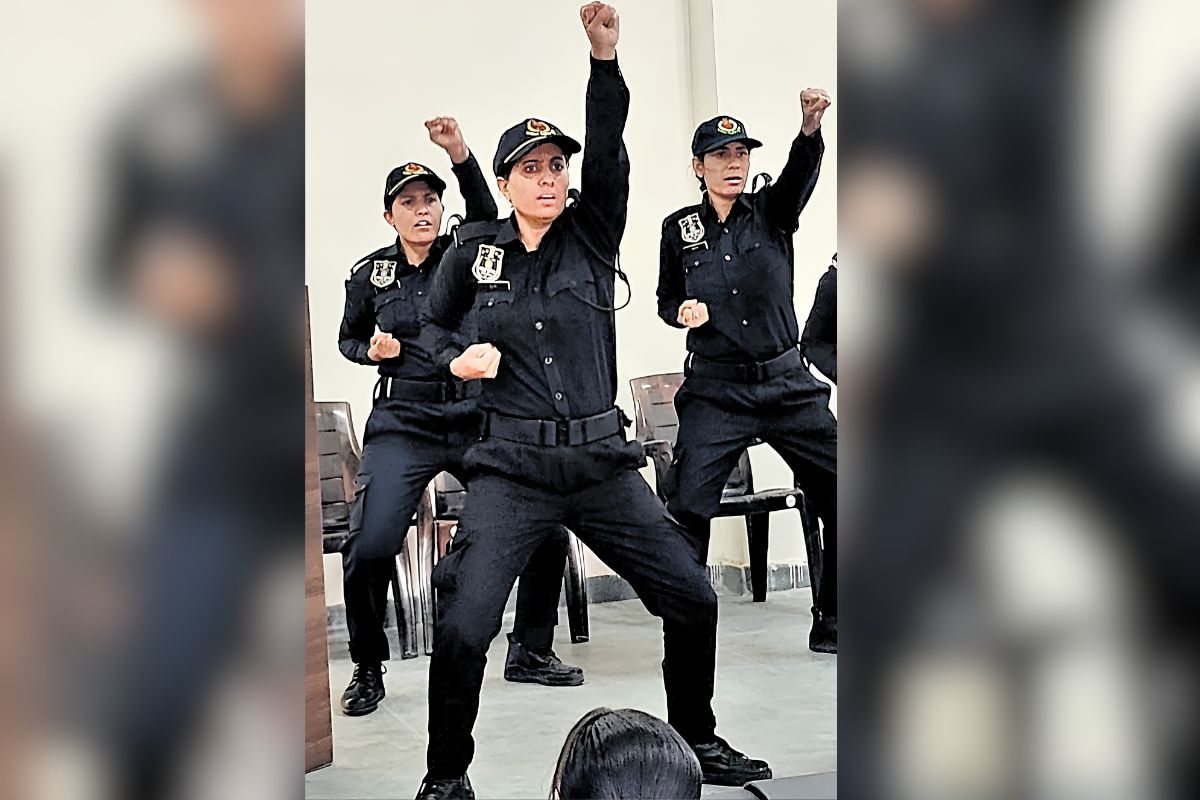
For Chetna Jogi, a BSc student at Government Veerbala Kalibai Girls College in Dungarpur, the Kendra changed the shape of her days. She comes from a modest family in a largely tribal belt, and before the training she depended on her father or brother whenever she needed to step outside, held back by fear of harassment on the street. “Training at Rani Laxmibai Kendra transformed my fear into confidence and gave me the strength to move independently,” she says. The self-defence techniques, paired with lessons on legal rights and safety helplines, gave her a sense of inner strength she had not expected to find.
Ridhika Kanwar Bhati, a first-year BSc student from a government college in Chittorgarh, describes a similar shift. “The self-defence programme boosted my confidence, awareness, and physical strength,” she says. For her, the Kendra offered more than a set of punches to remember. It became a joyful journey of discovering what she was capable of.
Stories like these are not rare exceptions. Across Rajasthan, thousands of young women are quietly rewriting the terms of their own lives, moving from dependence toward independence and from fear toward something closer to freedom.
A Partnership Built To Last
Much of what makes the Rani Lakshmi Bai Kendras work comes down to how the programme is designed. The Department of Higher Education supplies the institutional structure. The police department contributes trained women officers as instructors, keeping the training grounded in real-world safety concerns rather than abstract theory.
The phased rollout also reflects a deliberate strategy. By starting with colleges at district headquarters and then moving out to block-level institutions, the programme has made sure that young women in smaller towns and rural pockets get access too. The next phase, covering 150 more colleges, will push that access further.
The state’s budget for 2026-27 backs this commitment with real resources, placing the Kendras within a wider effort around youth empowerment that also touches examination transparency and self-employment schemes. Funding for self-defence training in schools and colleges has stayed a consistent priority, with payments to trainers now handled through digital systems such as PFMS.
A Legacy Built Beyond The Punch
The Rani Lakshmi Bai Kendras are doing more than teaching young women how to defend themselves. They are shaping a generation with a wider set of tools, from legal literacy to digital safety to basic financial planning, aimed at the layered challenges women continue to face across India.
In a state where traditional expectations still limit how far and how freely women can move, these centres chip away at old boundaries. They give young women room to speak up, stand their ground, and walk into classrooms, workplaces, and public spaces with a steadier sense of self.
It is fitting to name these centres after Rani Lakshmibai. Just as the queen of Jhansi led with courage and sharp strategy, today’s young women are being given the tools to lead their own lives with the same kind of resilience and foresight.
A Quiet Effort With A Loud Result
As the programme grows, its effects will likely ripple outward through families and communities for years to come. A young woman who can defend herself, manage her own money, and understand her rights becomes something of a catalyst, a role model for younger siblings, and a source of awareness within her community.
Rajasthan’s Rani Lakshmi Bai Kendras suggest that empowerment does not need to be loud to matter. In the quiet discipline of a self-defence class, the careful attention of a legal literacy session, and the patient work of building a monthly budget, a new India is taking shape, one young woman at a time.
By the time the next phase reaches its 25,000th student, the picture of women’s empowerment in Rajasthan will look noticeably different from where it started. These centres are training girls to claim their rights with a confidence that no longer waits for permission. Rajasthan is moving toward a future where walking tall and walking free is expected, not exceptional.
Also Read: India’s First-Ever Tribal Games Bring Indigenous Sports Into National Spotlight
You can connect with DNN24 on Facebook, Twitter, and Instagram and subscribe to our YouTube channel.