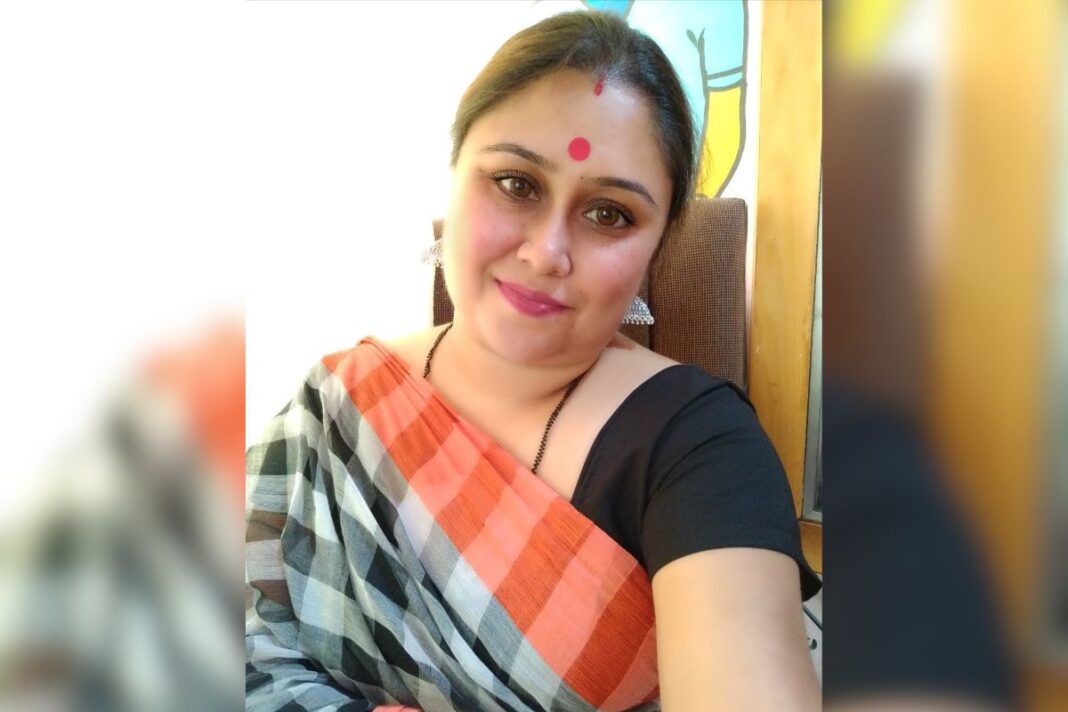

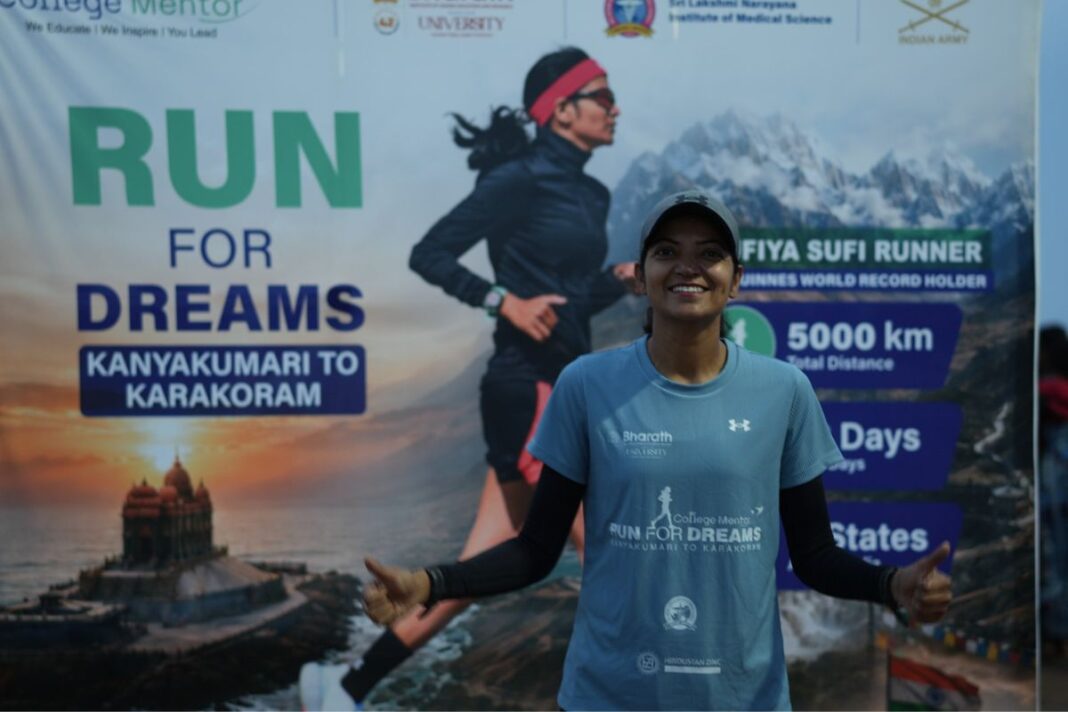

Sufiya Sufi ran the length of India in a record-breaking sixty-nine days, and by the time she stopped running, she had made history for the second time in her life.
From Aviation to Ultra Running
For a decade, Sufiya held a steady job in aviation, the kind of career most people spend years trying to reach and even more years trying to hold onto. She had security, a routine, and a future that looked settled. Then she gave it up for something that had no guarantee of success at all. She began to run.
The decision baffled some of the people around her at the time. Aviation had offered her stability, a fixed income and a clear path forward, while endurance running offered none of those things at the start. No sponsors were waiting, no clear route to a career, and no promise that the effort would lead anywhere beyond sore knees and early mornings. She chose it anyway, drawn to something that felt more honest than the comfort she was leaving behind.
Her first attempt at running covered barely three kilometres. She was not a natural athlete, and she has never pretended otherwise. What she had instead was a stubborn streak that refused to let a bad day be the last word on anything. That streak carried her from a short evening jog in Ajmer, Rajasthan, to a place among the fastest endurance runners the country has produced.
The First Record: Kashmir to Kanyakumari
In 2019, Sufiya became the fastest woman to run from Kashmir to Kanyakumari, covering close to four thousand kilometres in eighty-seven days, two hours and seventeen minutes. Guinness World Records confirmed the feat, and for a while it seemed like the high point of an already remarkable career. It was not. It was only the beginning.
Breaking Her Own Record
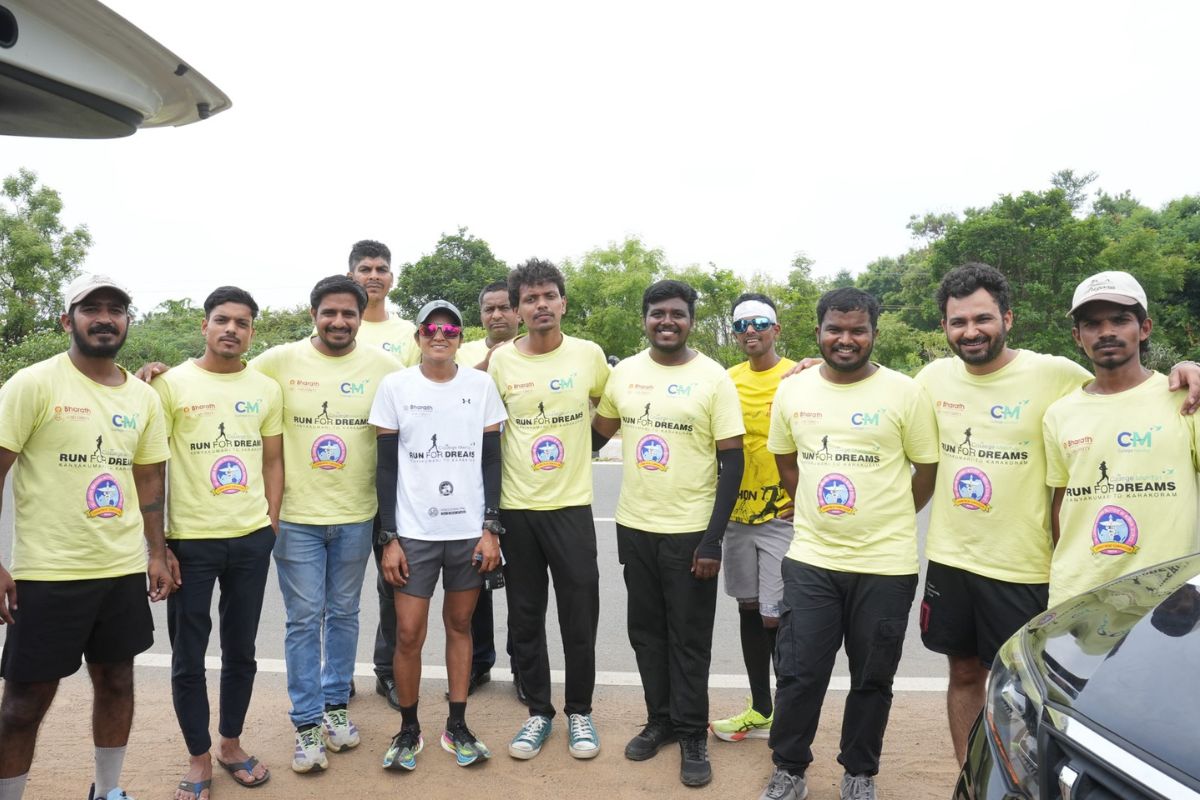
This July, at the age of thirty-nine, Sufiya ran the same distance in the opposite direction and beat her own record by nearly nineteen days. She covered four thousand one hundred and sixty-seven kilometres from Kanyakumari to Kashmir in sixty-eight days and twenty-three hours, a run she called Run for Dreams. It became her sixth Guinness World Record and placed her firmly among the most accomplished ultra runners in the world.
The journey began on May 12, 2026, at Sunrise Point on Kanyakumari Beach. From there she moved north through eleven Indian states, passing coastal plains, farmland, cities choked with traffic, and eventually the steep climbs of the mountains. On July 25, she posted a short update online. Four thousand one hundred sixty-seven kilometres, sixty-eight days, twenty-three hours, and a new world record. The words were plain, but the achievement behind them was anything but.
The Push to Karakoram
Reaching Kashmir was not where the story ended. Sufiya kept moving toward Karakoram Pass in Ladakh, a stretch that took her past eighteen thousand feet in altitude, as a tribute to the soldiers of the Indian Armed Forces. On July 26, Kargil Vijay Diwas, she stopped at the Kargil War Memorial before continuing her ascent. She reached Karakoram on August 6, completing the full stretch from Kanyakumari, five thousand kilometres in total, in eighty-six days and two hours. No one has attempted that particular route before.
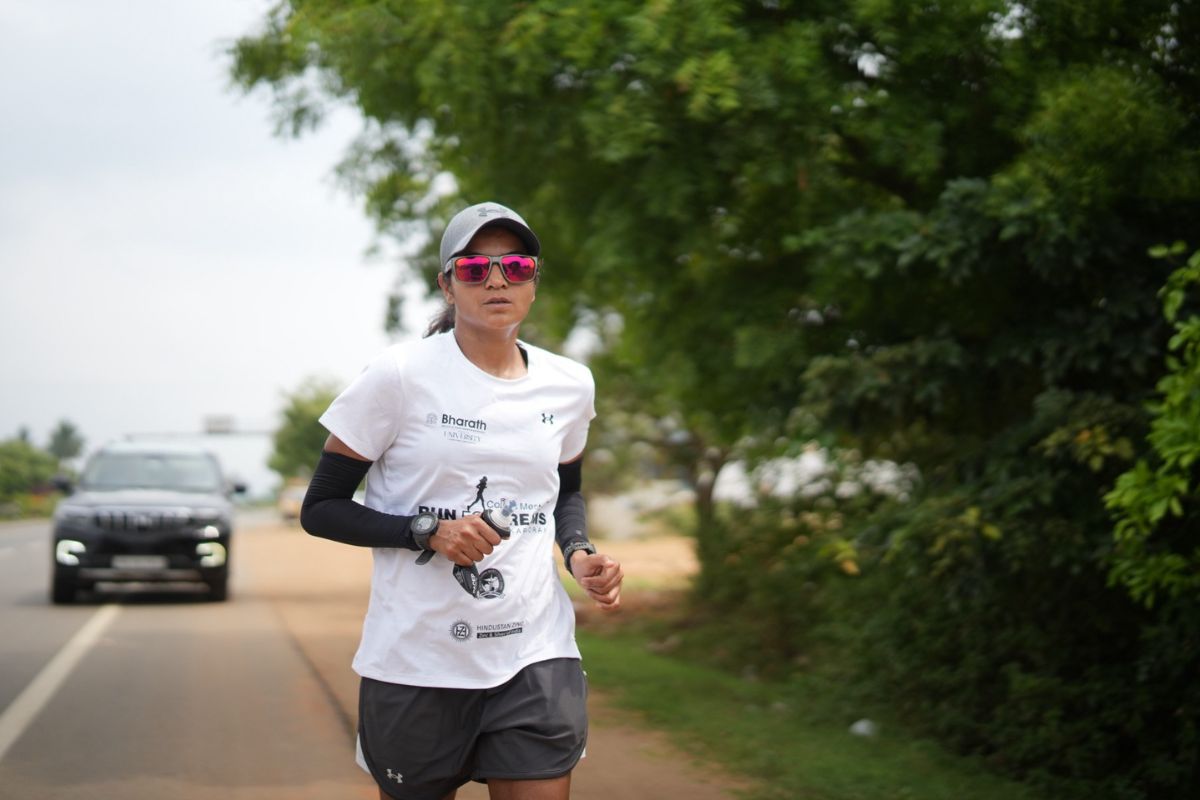
She has spoken often about why she keeps returning to the mountains for these tributes. Every high altitude challenge she takes on, she has said, is her way of honouring the men and women who serve the country. It is a sentiment she repeats without any trace of performance, as if it were simply the reason the running makes sense to her at all.
A Career Built on Six World Records
Six Guinness World Records now carry her name. Beyond the two trans India runs, she holds the record for the fastest run across Qatar from north to south, completing two hundred kilometres in thirty hours and thirty-one minutes. She also holds the record for the fastest run from Manali to Leh at high altitude, a punishing route through some of the most difficult terrain on earth, which she finished in ninety-eight hours and twenty-seven minutes, improving on her own earlier time by more than fifteen hours. She has also completed runs across the length of India’s Golden Quadrilateral highway network.
Each of these records demanded a different kind of resilience. Qatar tested her against heat and unfamiliar terrain far from home. Manali to Leh tested her lungs and her patience against altitude that leaves even trained mountain athletes gasping. The Golden Quadrilateral tested her ability to sustain pace across weeks rather than days. Together they built the foundation that made a run of five thousand kilometres, stretched across nearly three months, something she could actually attempt rather than merely imagine.
What the Road Took From Her
None of this came without cost. The road tested her with heat that pressed down for hours without relief, with monsoon rain that turned stretches of highway into rivers, with traffic that refused to slow down for a lone runner on the shoulder, and with the kind of exhaustion that makes every remaining kilometre feel longer than the last. She kept moving anyway, one town at a time, through Banihal and dozens of places like it, where people came out to watch her pass and, in doing so, became part of a campaign meant to spread a message of resilience and national unity.
For Sufiya, the running has never really been about the medals or the certificates. It is something closer to a private conversation, one that happens with no interruptions and no distractions. Running, she has said, is the most honest conversation a person can have with themselves. On the road, there is nowhere to hide from your own thoughts, and nothing to do but keep going.
Training Built on Patience
Her preparation for a run of this scale is built as much on patience as on mileage. She has not laid out a rigid programme for outsiders to follow, but the pattern is visible in how she trains. In the months before a major expedition, she gradually builds her daily distance up to sixty or seventy kilometres, adding to it slowly enough that her body can absorb the strain rather than break under it. For high-altitude sections like Ladakh and the Karakoram, she spends time acclimatising before she even begins the ascent, aware that a body accustomed to sea level cannot simply arrive and start covering a hundred kilometres a day.
Her diet follows a similarly practical logic. She eats close to double the protein of an average person and tries to take in half of her daily protein at breakfast, in case travel or training disrupts her later meals. She eats three full meals rather than experimenting with restrictive eating patterns, because for someone covering that much ground each day, calories become less a matter of preference and more a matter of survival.
Recovery matters as much to her as the running itself. She turns to yoga, meditation and deep breathing, not as trends but as tools that keep her mind steady through the long, painful stretches where the body wants to stop before the mind is ready to let it. Rest days and stretching round out a routine built less on intensity and more on consistency sustained over years.
Advice for Those Starting Out
To anyone starting, her advice stays simple. Start slowly and build up gradually. Run for yourself rather than for anyone watching. Trust the process, stay patient, and pay attention to each step along the way, because that is where the value of the whole exercise actually lives.
Sufiya Sufi’s path from a three-kilometre jog to a five-thousand-kilometre tribute across some of India’s harshest terrain says something about what steady effort can accomplish over time. She left behind a secure career for a pursuit with no guarantees, built her endurance one small increase at a time, and turned a private struggle into a public record six times over. Her campaign continues to move through Indian towns and cities, carrying with it a message about resilience that seems to matter as much to her as any medal ever could.
Also Read: Ex-Journalist Built Free Boarding School in India’s Highest Village for Children
You can connect with DNN24 on Facebook, Twitter, and Instagram and subscribe to our YouTube channel.