Saturday, March 28, 2026
23.1 C
Delhi

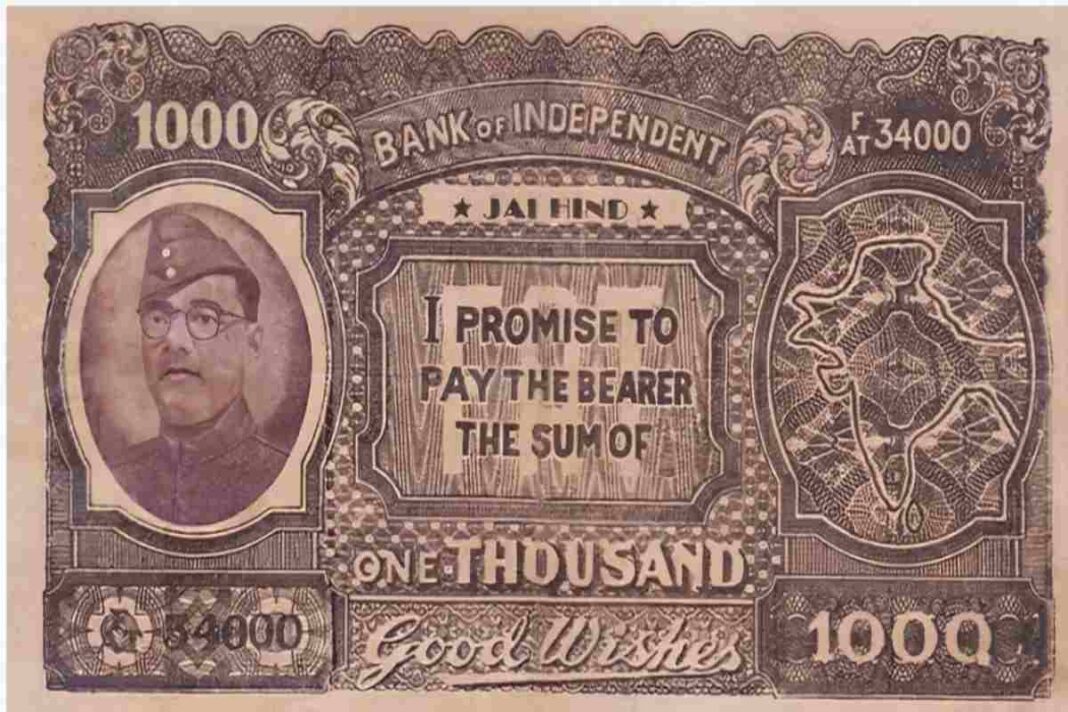
Bank of Azad Hind: Subhas Chandra Bose’s Financial Dream

Subhas Chandra Bose started a government called Azad Hind Sarkar. It had many departments like health, women, research, and banks. Some countries said it was a real government. At first, Indians living in Southeast Asia gave money to run it. But Bose wanted a proper bank system.

Starting the National Bank of Azad Hind

  • On April 5, 1944, Bose opened the National Bank of Azad Hind Ltd. Important people from Burma and Japan came to see it start. The bank had two big jobs:
  • 1. To collect money from Indians
  • 2. To help Burma’s money matters
  • It also helped Azad Hind Sarkar by working as its agent.

How the Bank Got Its Money

Bose was talking about making a central bank. He met a rich Muslim man in Rangoon. Bose said they needed a bank because a government without one was strange. He also wanted to make new money when they won a battle at Imphal.The rich man asked Bose how much money he needed. Bose said 50 lakhs would be enough. The man, named Abdul Ghani, said he would give 30 lakhs himself and get the rest in a week. In two weeks, the bank was ready. Ghani gave more than he promised. He gave 63 lakhs in cash and goods for the Indian National Army. He also gave a big property called Ziawari Estate, worth many crores. S. A. Ayer became the bank’s head, and Dina Nath was one of its leaders. When the war ended, the bank had 5,343,946 Dollars saved. It also had jewellery and gold worth 86,310 Dollars for Azad Hind Sarkar.

For detailed story, please visit: Awaz the voice

Also Read:Angshuman Thakur’s Tree School:Where Nature Nurtures Learning

You can connect with DNN24 on FacebookTwitter, and Instagram and subscribe to our YouTube channel.

LEAVE A REPLY

Please enter your comment!
Please enter your name here

Hot this week

Turning Limitless Potential Into Real Results

U.S. Ambassador Sergio Gor on shaping the U.S.-India relationship into the defining strategic partnership of the 21st century and delivering tangible benefits for both nations.

Bangladesh: Emerging from the Year of Lawlessness

Year 2025 was a turbulent one for Bangladesh politics marked by mob violence on the streets, atrocities against religious minorities and refugees and persecution of independent media, topped by Islamist resurgence. The new government, led by Tarique Rehman, has brought in stability but has its work cut out.

Shabnam Bashir: The leader who introduced Kashmir’s undiscovered paths to the world

Bandipora in Jammu and Kashmir, where the lofty peaks...

Anjum Rahbar: A Poetic Journey from Education to Imagination

She is a poet of Urdu-Hindi literature whose every...

Topics

Turning Limitless Potential Into Real Results

U.S. Ambassador Sergio Gor on shaping the U.S.-India relationship into the defining strategic partnership of the 21st century and delivering tangible benefits for both nations.

Bangladesh: Emerging from the Year of Lawlessness

Year 2025 was a turbulent one for Bangladesh politics marked by mob violence on the streets, atrocities against religious minorities and refugees and persecution of independent media, topped by Islamist resurgence. The new government, led by Tarique Rehman, has brought in stability but has its work cut out.

Anjum Rahbar: A Poetic Journey from Education to Imagination

She is a poet of Urdu-Hindi literature whose every...

Fahmida Riaz: A Voice of Humanity Between the Borders of India and Pakistan

In the firmament of Urdu literature, there are some...

Pax Silica: Building Trusted Tech Alliances

Quad program alumnus Pranay Kotasthane explains how Pax Silica is shaping trusted technology alliances and advancing U.S.-India collaboration in the AI era.

Related Articles