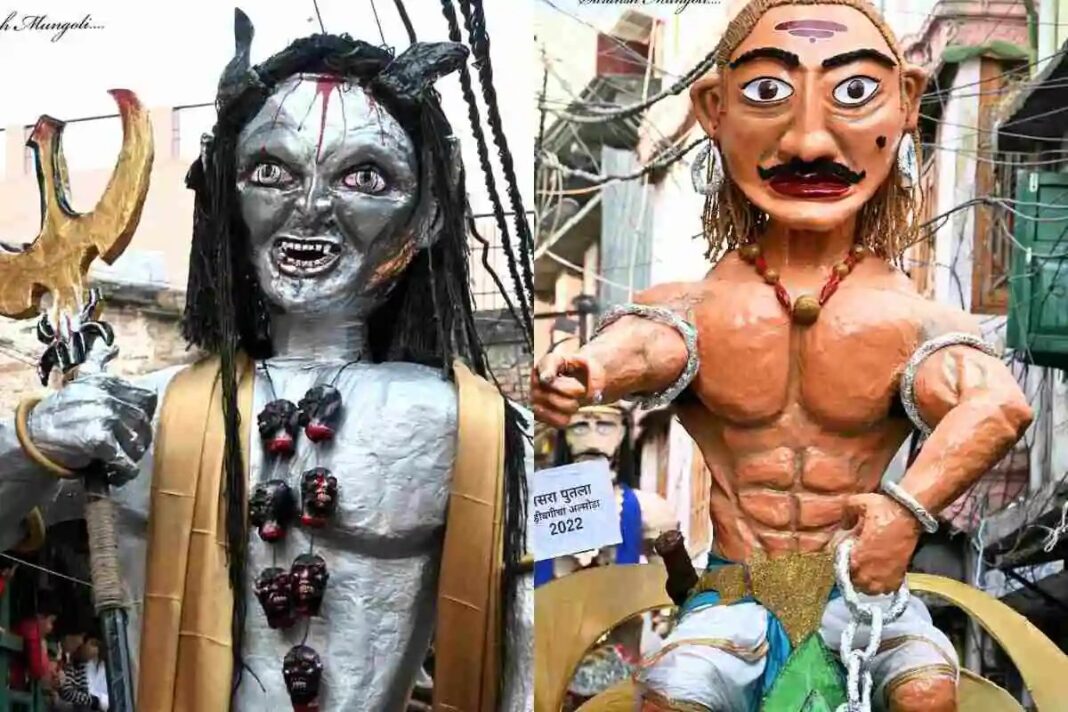


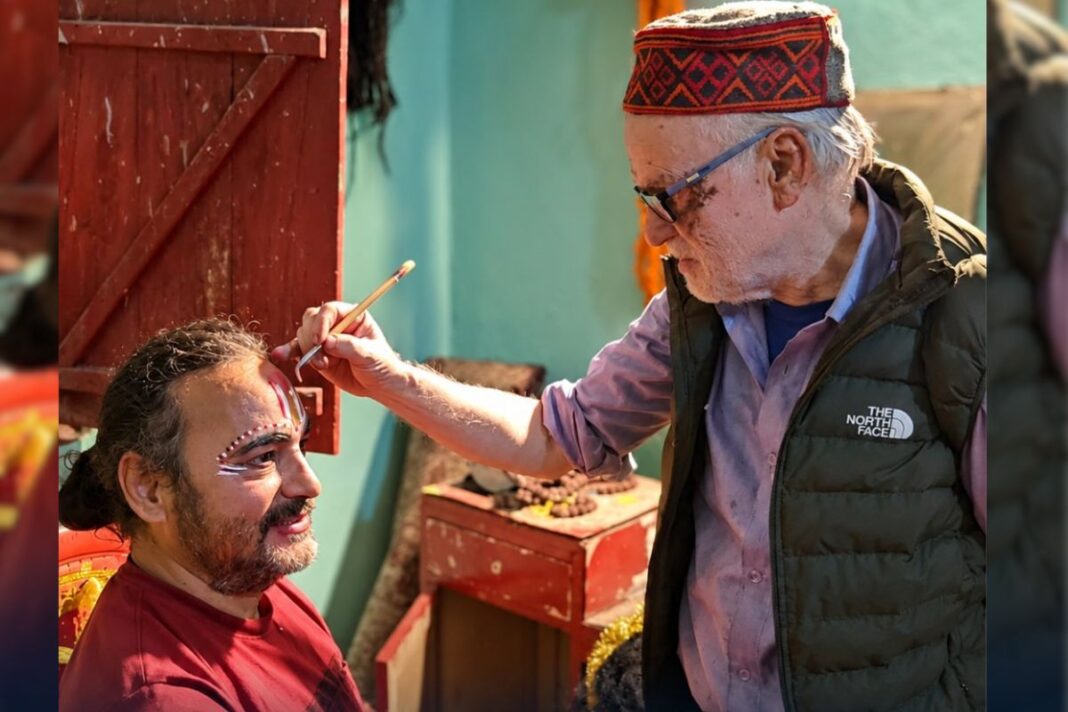

Nainital’s Ramlila will not begin until a Muslim man finishes his work. The curtain waits for him. The actors wait for him. Even the story of Lord Ram, in a sense, waits for him. His name is Saib Ahmed, and for 44 years, since 1982, he has sat backstage in Tallital with his brushes and colours, turning ordinary people into the characters of the Ramayana.
“I am a Muslim,” he has said, “but until I have prepared all the revered artistes, the Ramlila performance does not begin.” He says it plainly, like a man reading out the evening’s schedule. Yet the sentence carries a whole town’s history.
A Stage Older Than Living Memory
Tallital is the lower part of Nainital, spread around the lake, and it hosts a Ramlila said to be well over a century old. The BBC reported that the Tallital Ramlila committee is nearly 126 years old. A 2025 report in News18 gave the age as 128 years. Other accounts trace the beginning to 1897 and now describe it as nearly 129 years old. The numbers differ by a few years, but every source agrees on one thing. This tradition has been running for a very long time.
Ramlila retells the story of the Ramayana, most often around the festival of Dussehra. Across North India, it is both worship and theatre. Audience members do more than watch. They take part in a shared act of remembering. In Nainital, Hindu and Muslim residents have both helped build that shared space.
One Man, Every Face
Saib Ahmed joined the Tallital Ramlila in 1982. Theatre had pulled at him since childhood, and the yearly Ramlila became the event he counted toward through every other month. In time, he became the person nobody could do without, although he has never played a role on stage.
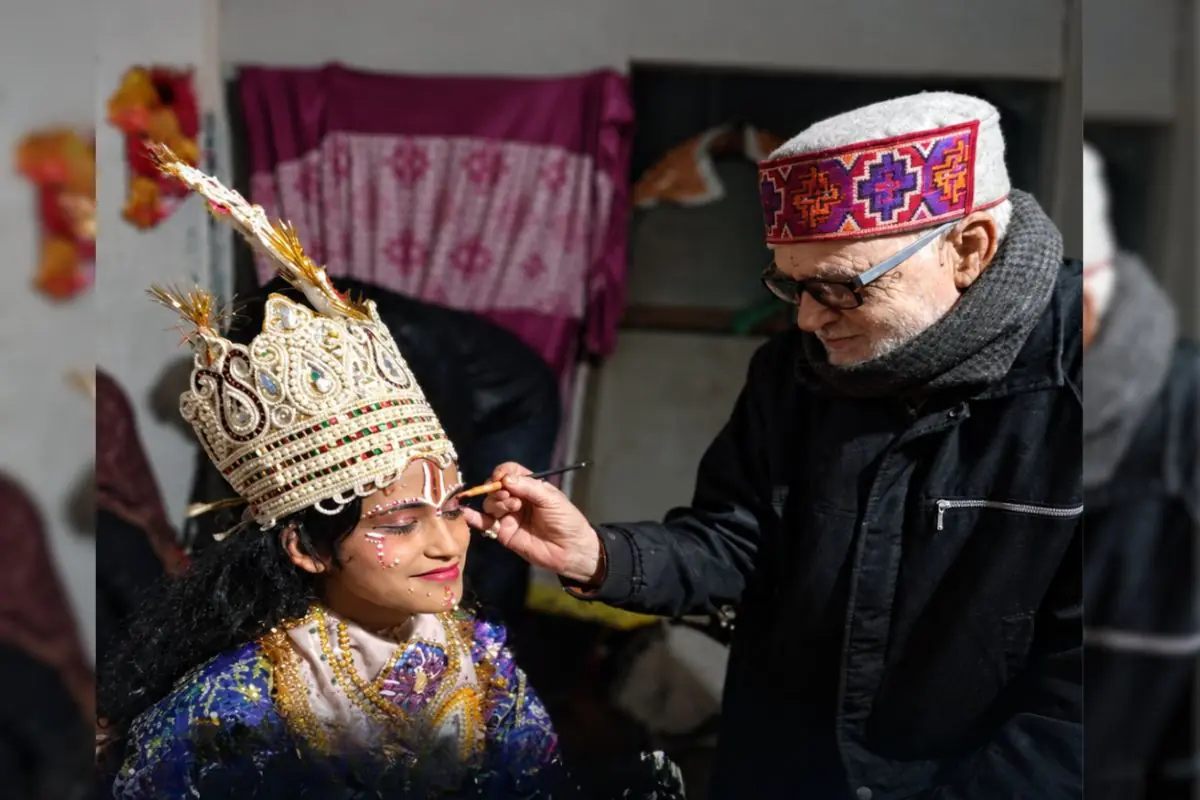
He does the makeup for every character. Ram, Sita, Lakshmana, Ravana and all the rest sit in front of him before they face the crowd. The BBC reported that his work runs from the gentle look of Ram to the fierce presence of Dashanan Ravana. His skill goes beyond applying colour. He knows how the Ramayana looks. He knows what a god, a demon, a devotee and a warrior should seem like under stage lights, and he carries that knowledge in his hands.
The actors treat his arrival as part of the festival itself. Bhoomika, who plays Bharata, has said she waits for months for Ramlila to start, for the moment when she steps into her character and Saib Ahmed readies her for the stage.
Mayank Sah, who plays Shatrughna, has known him even longer. He first performed in Ramlila about 30 years ago as a monkey character, and Saib Ahmed painted him then, too. Three decades later, the same pair of hands still prepares him.
Prizes, Rehearsals and Prayers
Recognition has come to him, though he speaks of it lightly. In 1985 he won a second prize in the Kumaoni Ramlila, an early honour in a long career. The greater reward, in his own telling, has been the affection of the artistes and the audiences.
His duties reach beyond the makeup chair. During taaleem, the weeks of rehearsal and practice before the festival, he visits the performers, encourages them and keeps their spirits up. A Ramlila takes weeks of preparation, and the person who steadies the cast during those weeks matters as much as the one who paints them on the final night.
He also keeps his own faith. Reports describe him as a man who offers namaz five times a day while taking full part in the Ramlila. He sees no conflict between the two. To him, they sit side by side, as natural as breakfast and dinner.
What Changed and What Stayed
Four decades have brought changes to the Ramlila, and Saib Ahmed has watched them arrive. He recalls that religious customs and food rules were followed with more care in earlier years. Some people avoided garlic and onion for the whole festival period. Over time, the presentation became more theatrical, with new ideas in staging and performance.
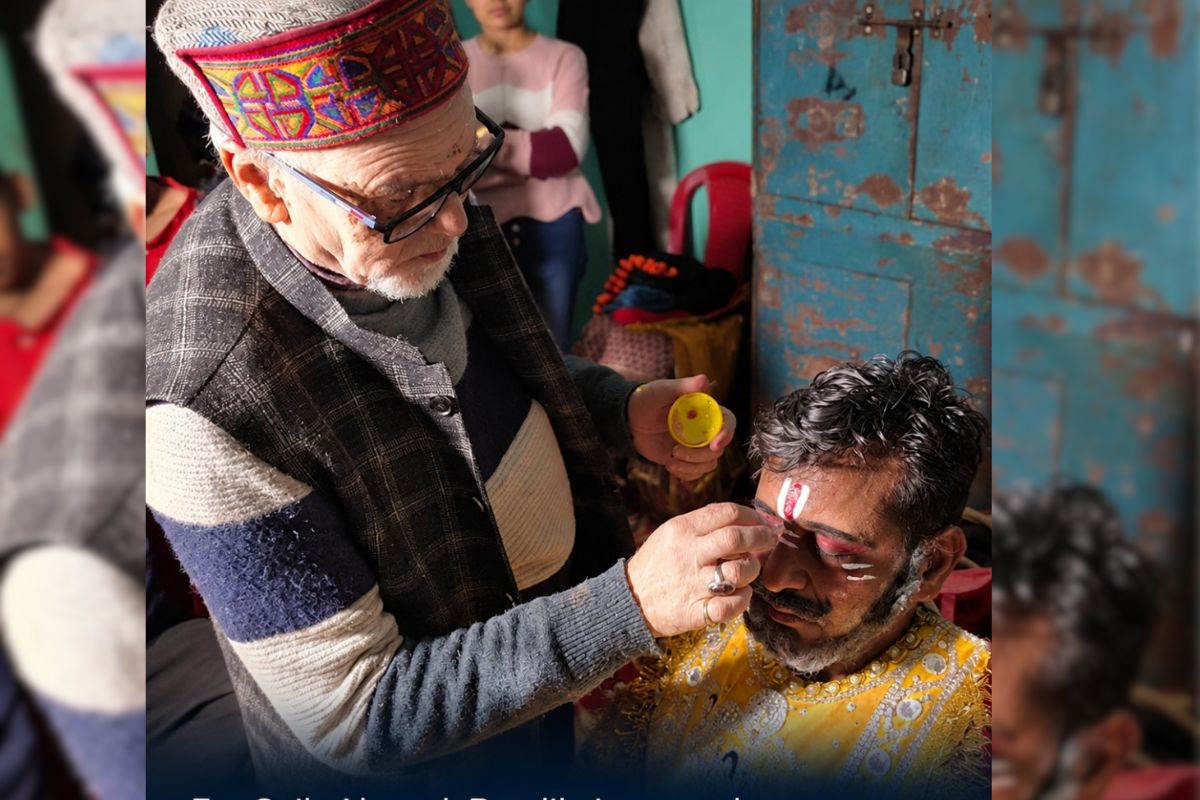
His own habits have held steady. Outside the Ramlila season, he prepares horoscopes for people from his home. Still, every year he sets that work aside and makes time for the festival that has become a large part of who he is.
This steadiness gives his story its weight. Many traditions fade once the people who carry them grow old or leave town. His craft has survived on repetition, trust and affection, and he has practised it year after year without any hunger for fame.
Others on the Same Stage
Saib Ahmed is one name in a longer list. Reports on Nainital’s Ramlila note that Muslim artistes have played roles on stage as well as working behind it. Anwar Raza has played Kewat, the boatman who ferries Ram across the river, for around 25 years. Nasir Ali has played Guru Vashishtha, the teacher of Ram and Lakshmana, for about 20 years. According to reports, Nasir Ali says Ramlila leaves no room for caste or religion, and that staging Ram’s story gives him peace.
Earlier generations left their mark as well. The Tallital Ramlila is remembered for Muslim performers such as Ahmad Husain and Khuda Bakhsh, who played characters including Angad and Sumant. Saib Ahmed stands in a line that was running long before he arrived.
The line reaches the young, too. In 2024, Rida Khan, a 13-year-old Class VIII student, played Sita in the Tallital Ramlila. She had taken part for three years and said she loved playing Sita’s mother figure. Audiences of every faith praised the production for including her. A town’s goodwill needs children to carry it, and Rida shows that the next group is already on stage.
The Face Behind the Crown
Think about what the audience sees. They see Ram’s crown, Sita’s grace, Ravana’s fierce expression and Hanuman’s energy. They do not see the person standing in the wings who spent hours making those faces believable, dignified and alive.
Saib Ahmed describes Ram as Maryada Purushottam, the ideal human being, and he urges young people to take an active part in events such as Ramlila. In his view, people of every faith and community can help preserve local culture. He believes respect for tradition begins at home, with understanding and with the habit of passing things on.
His words land with special force at a time when religious identities are so often shown as rigid and separate. His life offers a quieter picture. A Muslim artist prepares Hindu sacred theatre, and the town welcomes his work as a natural part of the festival. Nobody there treats it as a favour or a curiosity.
Harmony of this kind rarely arrives through speeches. It arrives through a makeup brush, a rehearsal hall, a familiar face returning every autumn and the trust between artistes who have worked together for decades. Differences remain in Tallital. Saib Ahmed’s faith is his own, and the Ramlila belongs to the town’s tradition. Both are respected, and the audience receives a performance shaped by both.
For 44 years, Saib Ahmed has helped start Nainital’s Ramlila. In doing so, he has helped keep a simple idea alive. Culture belongs to the people who serve it with sincerity, whatever faith they carry home at night.
Also Read: India Built Underground Palaces of Water Long Before Modern Water Management
You can connect with DNN24 on Facebook, Twitter, and Instagram and subscribe to our YouTube channel.