

For centuries, a set of ancient copper plates lay far from the soil where they were once buried for safekeeping. They survived wars, the rise and fall of dynasties, treacherous sea voyages, and more than 160 years spent gathering dust on the shelves of a European university. They ended up becoming the centerpiece of a diplomatic effort between India and the Netherlands.
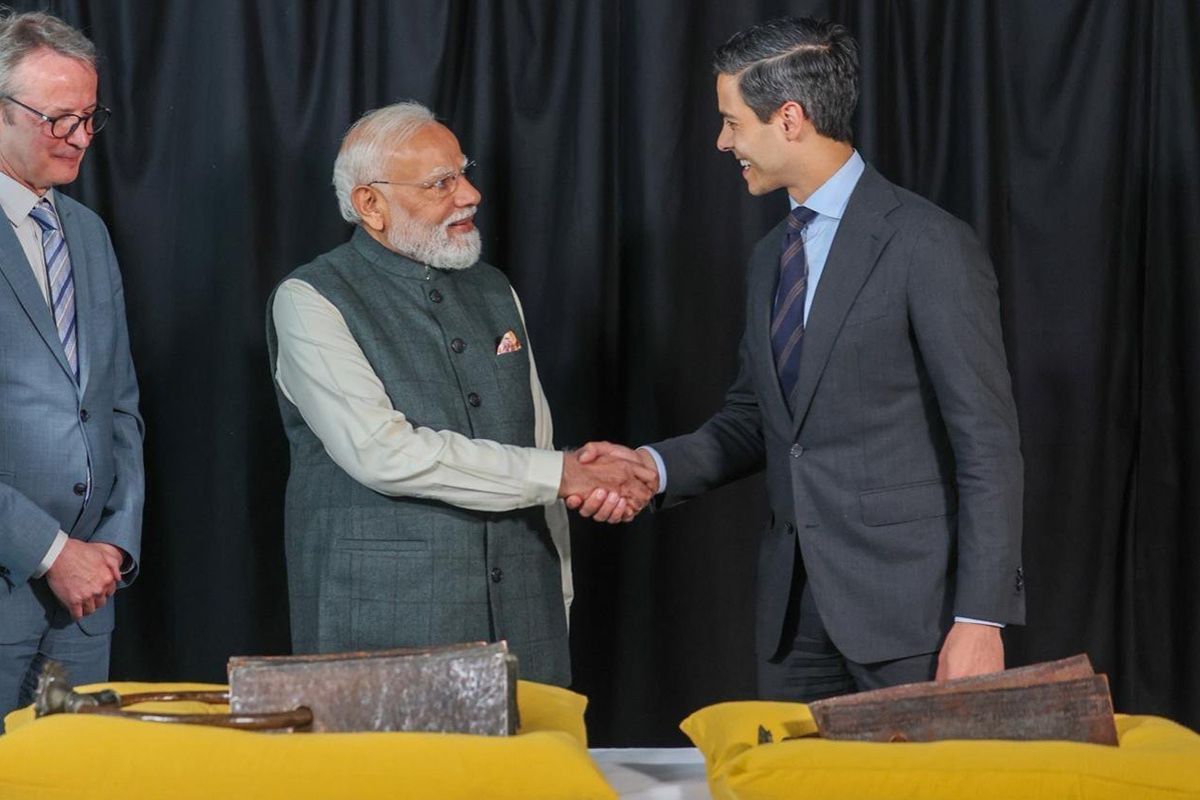
Their long journey home has finally commenced with Prime Minister Narendra Modi’s recent visit to The Hague. Leiden University has announced it would return the famed 11th century ‘Chola Plates’, among the most significant records of the Chola Empire in India. The decision followed an official inquiry which concluded that the heritage objects had been taken out of the country without the consent of their rightful custodians during Dutch colonial rule. It was a landmark cultural outcome for India-Netherlands relations.
What Are the Chola Plates?
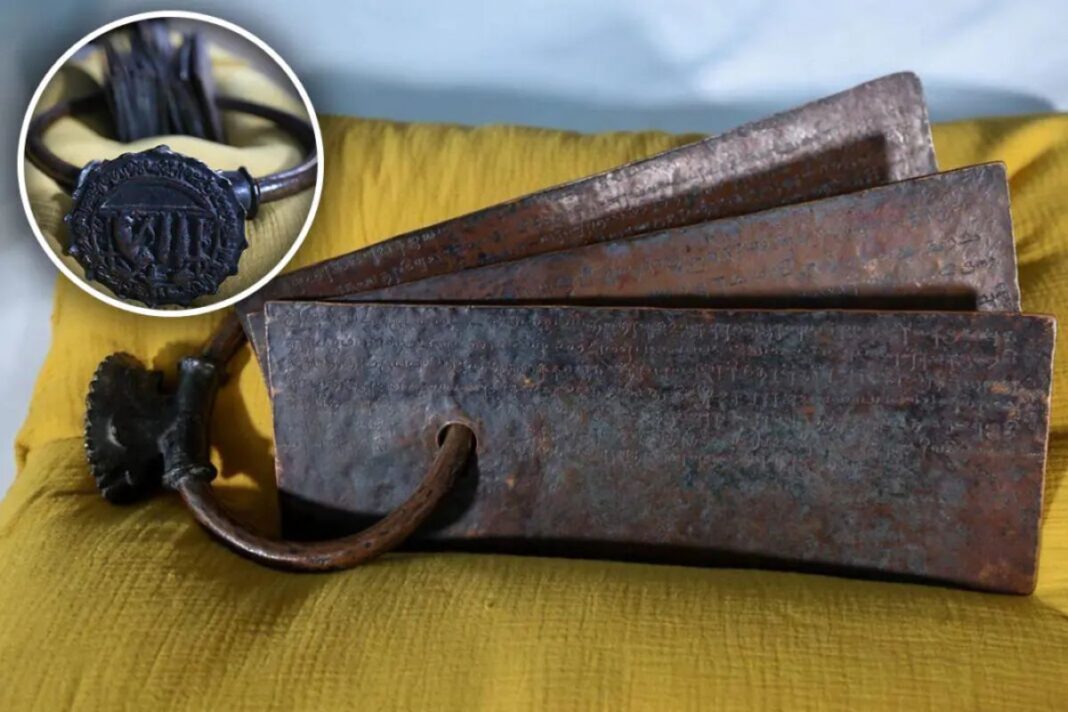
Internationally known as the ‘Leiden Plates,’ these copper plaques are nearly a thousand years old. Also known as the Anaimangalam copper plates, they date back to the reign of Rajendra Chola I and Kulottunga Chola I, two of the most powerful rulers of the Chola dynasty. Historians describe them as invaluable records of the empire’s political, maritime, and cultural zenith.
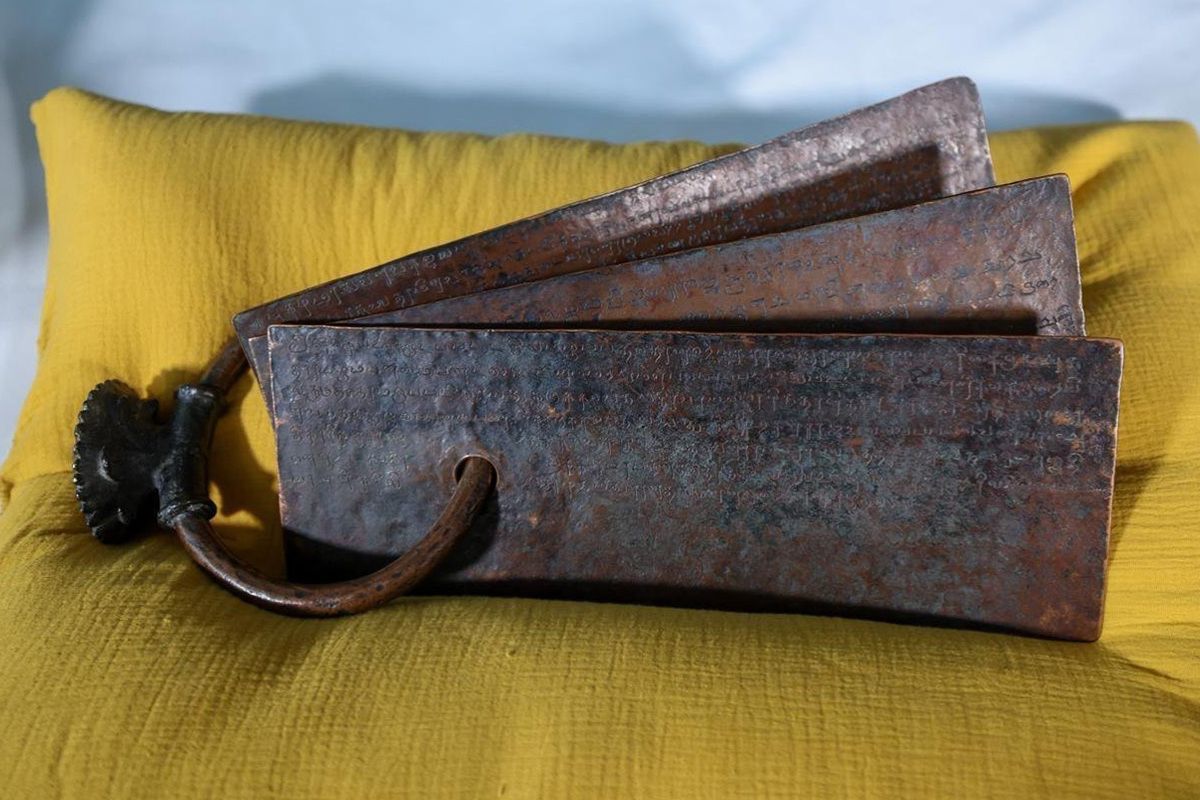
Inscribed in Tamil and Sanskrit, the plates record royal grants made to the Chudamani Vihara, a Buddhist monastery in Nagapattinam. This offers a rare glimpse into the deep ties between the Chola Empire and the Srivijaya Empire of Southeast Asia. Weighing nearly 30 kilograms, the plates feature royal seals and intricate engravings. According to scholars, they provide rare insights into medieval South India’s administration, trade networks, and religious life.
The Story of the Loss
The investigation accepted by Leiden University found that the plates were likely discovered in Nagapattinam between 1687 and 1700, during expeditions by the Dutch East India Company (VOC). At the time, Nagapattinam was a key colonial trading post for the Dutch. Investigators believe the plates were originally buried in the ground for protection during periods of political upheaval and conflict.
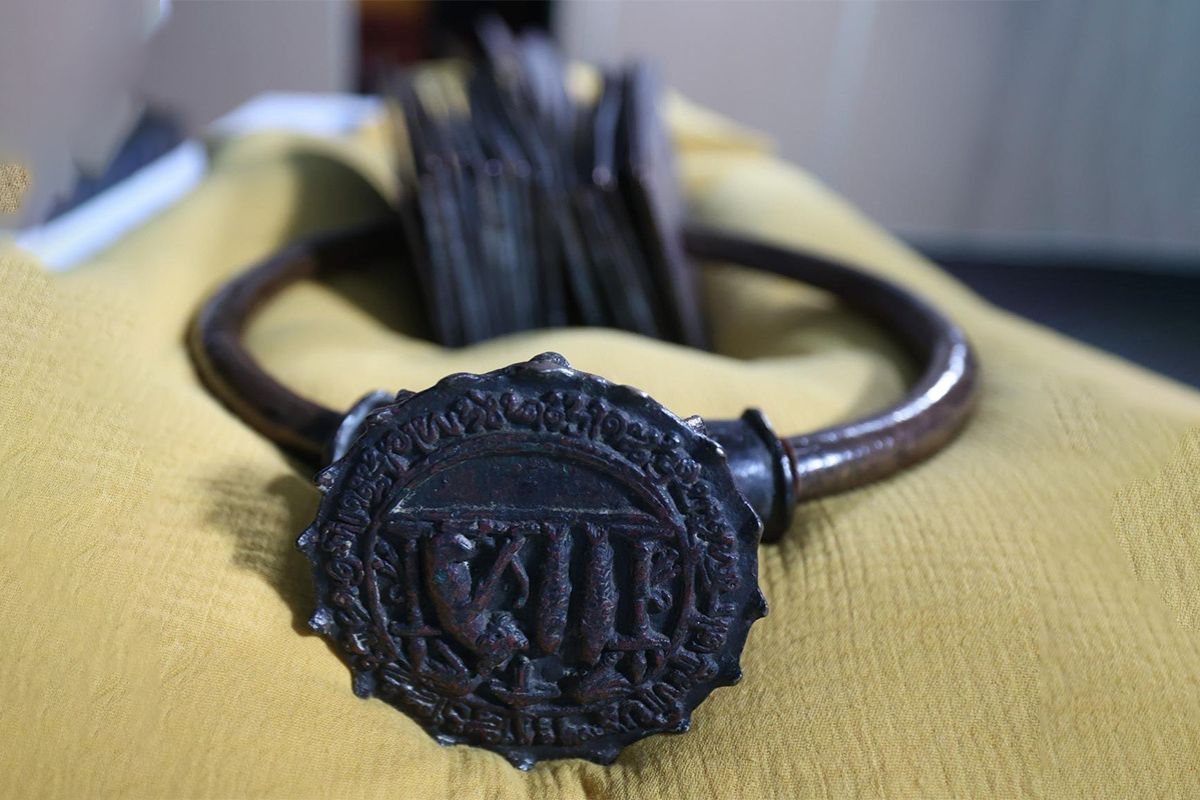
The Dutch Colonial Collections Committee later stated that these heritage objects had been removed without the permission of local patrons, describing it as an “involuntary loss of possession.” It is believed the plates arrived in the Netherlands by 1712 and were donated to Leiden University in 1862. From then on, they were housed in the university library, becoming a crucial resource for historians and researchers worldwide. But in India, they became emblematic of a much larger story- of cultural treasures severed from their homeland during colonial rule.
The Diplomatic Effort for Return
In recent years, the global debate over returning heritage objects from Western museums and institutions to their countries of origin has intensified. In 2023, India made a formal request for the return of the Chola Plates. In response, Leiden University launched a free provenance inquiry. Accepting the report’s recommendations, the university’s president, Luc Sels, stated, “These objects are of great historical importance to India, and that is a major reason why they should be returned.” The plates will be handed over to the Archaeological Survey of India (ASI), which will decide where to display them for the public.
More Than Just an Artifact
For many historians and members of the Indian diaspora living in The Hague, this return is not merely about reclaiming an ancient artifact. It is a salute to the soil where these plates were inscribed a thousand years ago. It represents a debt of history that is finally being repaid.
The homecoming of the Chola Plates is a powerful reminder that cultural heritage carries the memory of a people. After centuries of being lost, these silent witnesses to India’s glorious past are finally coming back to where they belong. They are not just copper engravings; they are a piece of India’s soul, returning home at last.
Also Read:Palace on Wheels: A Taste of the Royal Life
You can connect with DNN24 on Facebook, Twitter, and Instagram and subscribe to our YouTube channel.