

History remembers wars through Generals and decisive battles. But beneath that visible history lies another one- quieter, more restrained, and often unrecorded. It belongs to prisoners of war, undercover agents, waiting families, and men who returned home changed but uncelebrated.
My father’s story begins at 17.
Like many young Indian men of his generation, he joined the Royal British Army at the age of 17. Service was seen as duty, livelihood, and opportunity. Soon after enlistment, he was posted to Singapore, then a British stronghold in Southeast Asia.
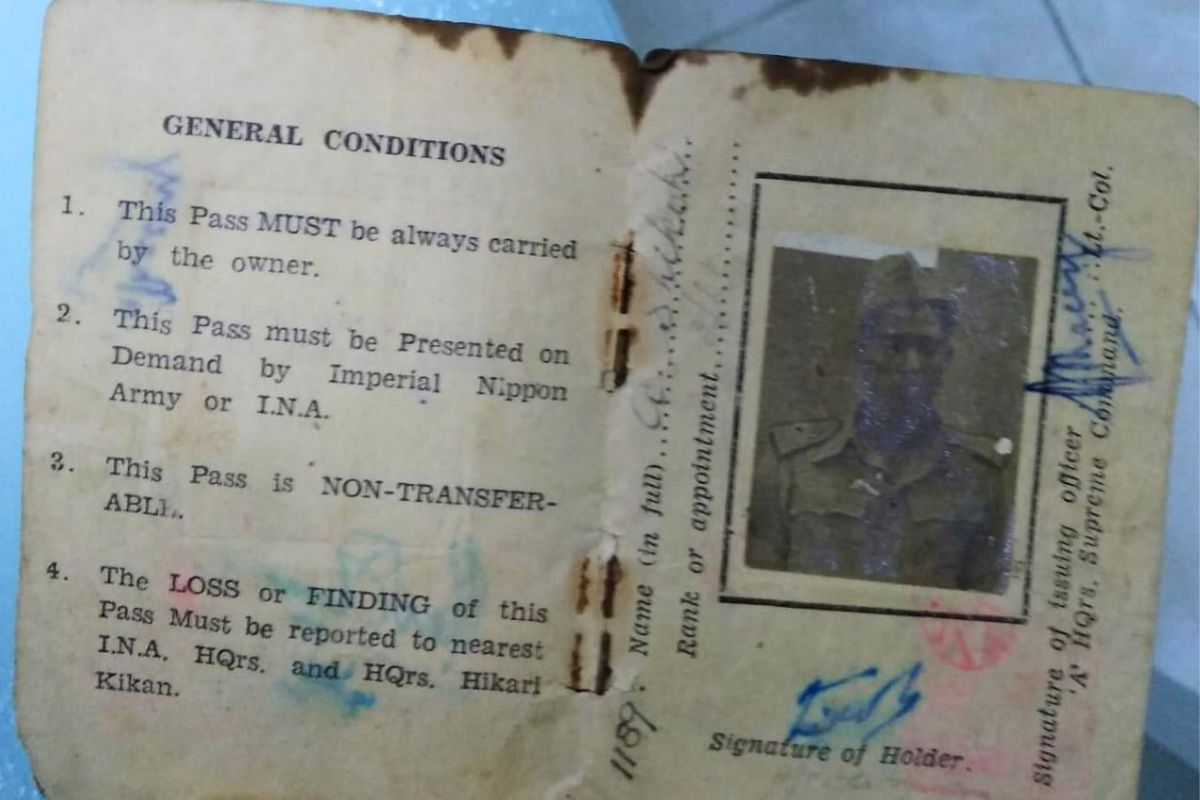
In February 1942, Singapore fell to Japanese forces. Along with nearly 65,000 Indian soldiers, my father became a prisoner of war (POW).
The fall of Singapore marked one of the largest surrenders in British military history. For the Indian soldiers captured there, captivity meant more than confinement. Many endured forced labour, starvation rations, physical abuse, disease, and psychological coercion. Thousands were transported to remote labour camps in Burma and New Guinea. In New Guinea, in particular, conditions were catastrophic; tropical disease, malnutrition, brutality, and exhaustion claimed the lives of countless Indian POWs. Many never returned home. Their graves remain in distant lands, far from the families who waited for them endlessly.
These were men who had worn British uniforms. Yet, when Singapore fell, they found themselves abandoned, caught between the empire and survival.
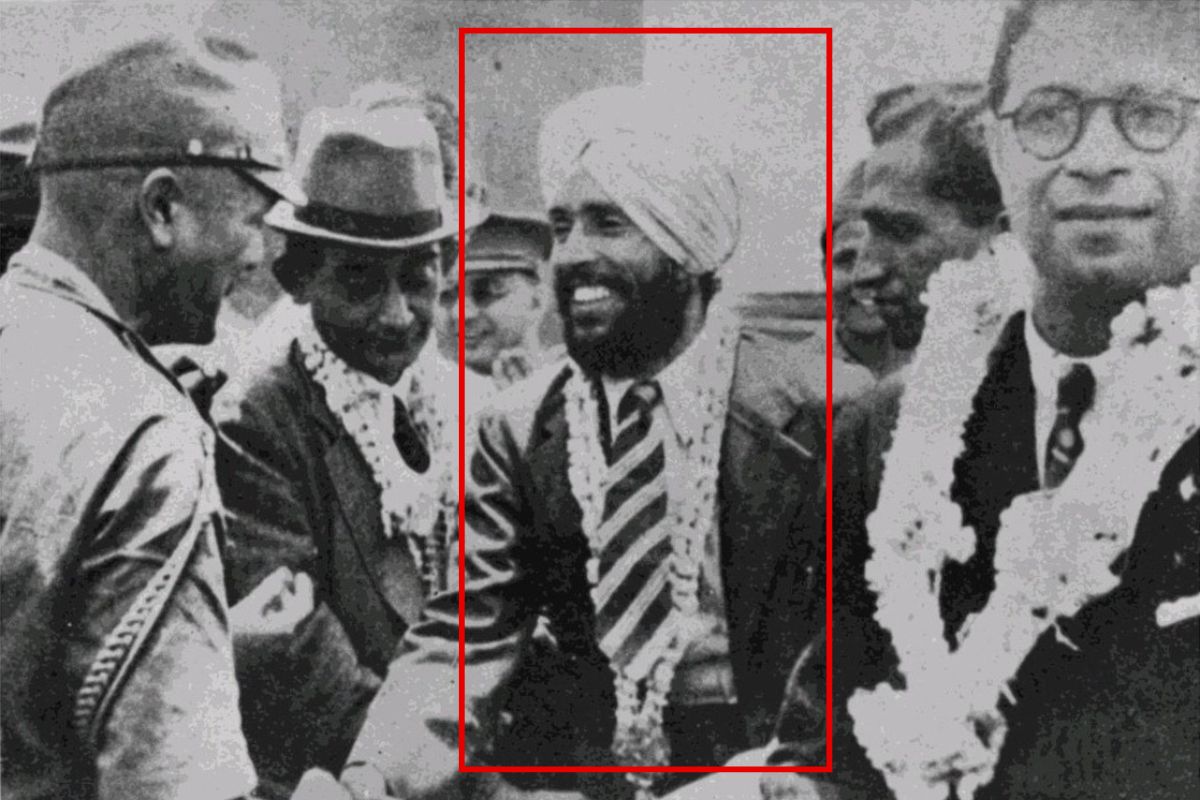
Inside those camps, amid hunger and humiliation, the Indian National Army began to reorganise, first under Capt. Mohan Singh and later under the leadership of Netaji Subhas Chandra Bose. For many prisoners, joining the INA was not romantic theatre. It was a morally complex decision. To join meant risking being labelled a traitor by the British Crown. To refuse meant continued captivity without dignity. It was a choice made under pressure, but also under awakening political consciousness.
My father chose.
For decades, however, we did not know the full meaning of that choice.
He was one of seven siblings, part of a close-knit family in Lucknow. When he left for the war, his younger brother was only 12 years old. Then he vanished. For five long years, no letter arrived. No telegram. No confirmation of life or death.
At home, time stopped.
My grandmother stopped celebrating Eid and Bakrid. Festivals passed in silence. She stayed awake at night whispering prayers, performing ammal, pleading for her son’s safe return. My grandfather grew stern and withdrawn. Laughter felt inappropriate when fate remained unknown. Their home became a waiting room of history.
And yet, despite the uncertainty he was enduring abroad, my father would later speak fondly of his war days. He remembered comradeship, shared hardship, even moments of humour. It always struck me that a man who had endured prison camps and danger could remain so witty and light in spirit. His humour was understated but constant. Perhaps it was his way of surviving both war and memory.
But he never revealed that he had served as an undercover INA agent.
That truth came to us many years later. Almost 20 years after his passing in 2006.
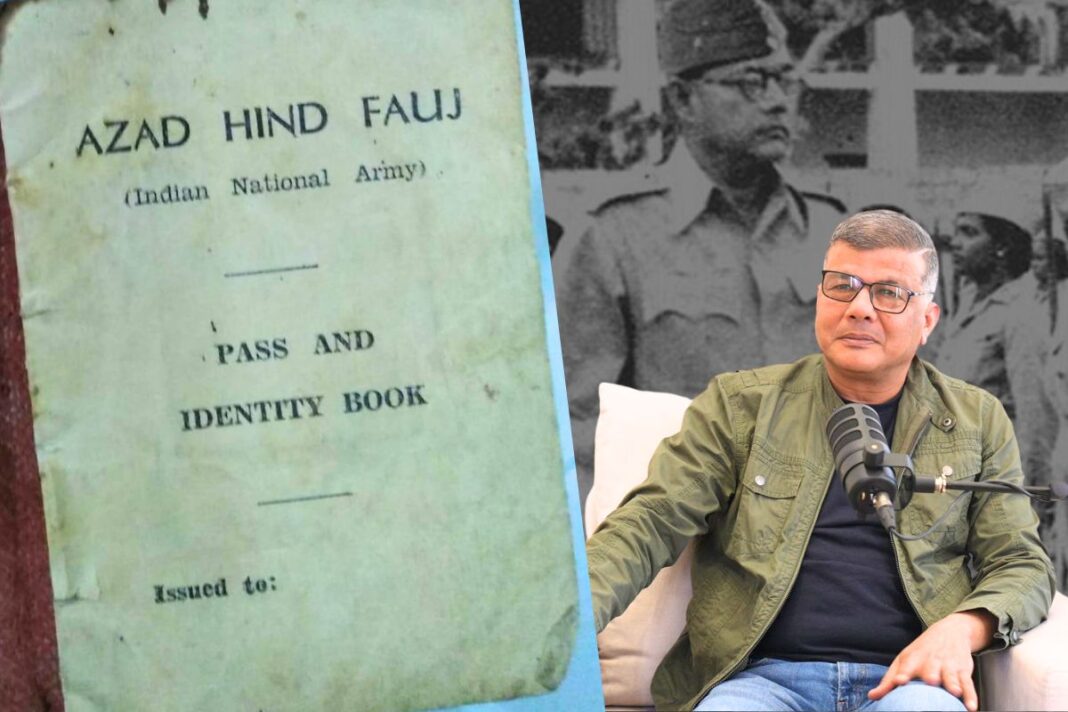
While researching Indian POW networks and INA records, historian Gautam Hazarika discovered my father’s name in wartime archives. The documents revealed that in Singapore he had operated within INA intelligence structures as a covert agent.
The revelation transformed our understanding of him.
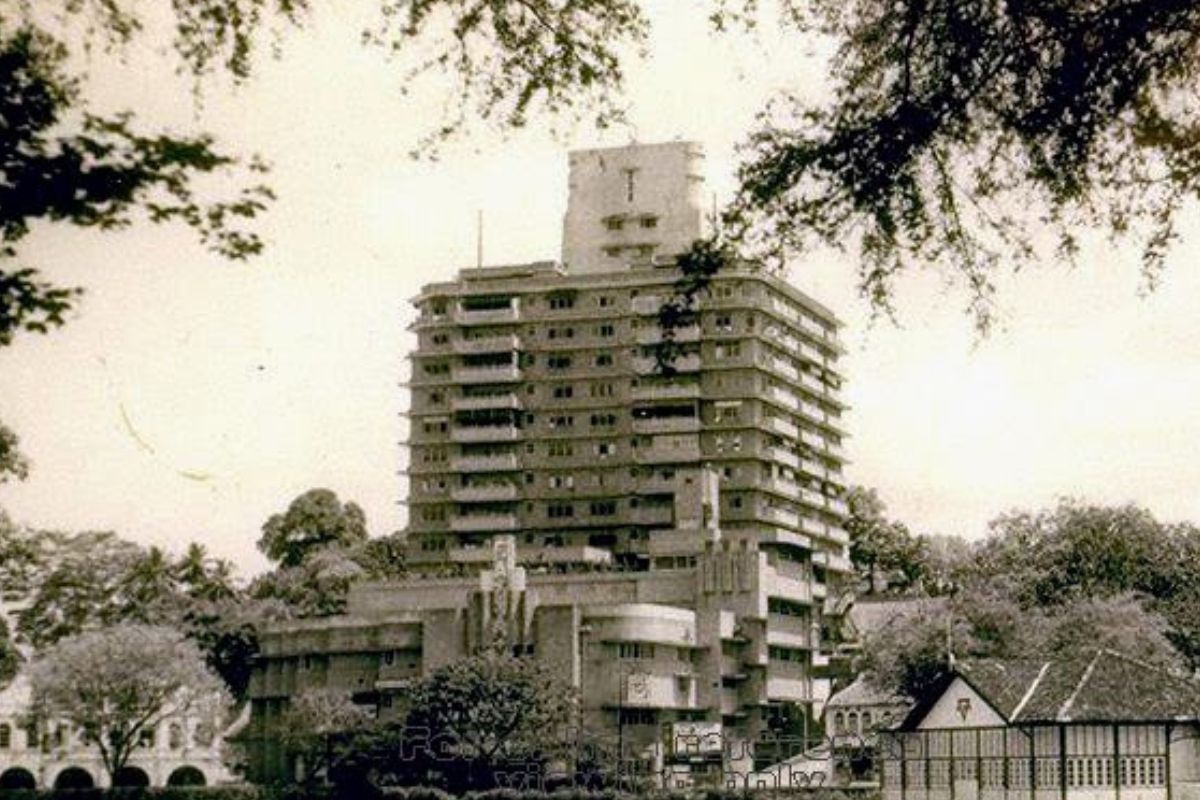
In Singapore, he functioned within a layered and volatile wartime environment between Japanese command, Indian diaspora networks, and INA leadership. Agents like him carried sensitive messages, coordinated recruitment among POWs, supported logistics, and acted as connectors between camps and command. It was dangerous work. Discovery could mean torture or execution. Silence was survival.
He carried that silence home.
Then, one day, before the man returned, his voice did.
A neighbour rushed in with astonishing news- Amarat bhai’s voice had been heard on the radio. In those days, a large public radio stood in Aminabad Park. My grandfather ran there, heart pounding.
Across oceans and battlefields, through crackling static, came my father’s voice- alive, composed, distinct.
For the family, that moment was their true Eid. A voice that said, I am still here.
After the war ended, news came that returning Indian POWs were being processed in Firozepur, Punjab. Among his six siblings, it was his younger brother, Basharat, the one who had been twelve when he left and was now seventeen, who travelled alone across India in search of him.
He located the camp and even my father’s assigned quarters. When my father entered and saw a young man standing there, he did not recognize him.
“Who are you?” he asked.
“I am your brother,” the young man replied.
War had made him cautious. He questioned him carefully- names of relatives, details of their neighbourhood, family memories only a sibling would know. When every answer aligned, recognition broke through. And then they embraced and wept. Five lost years dissolved in that reunion.
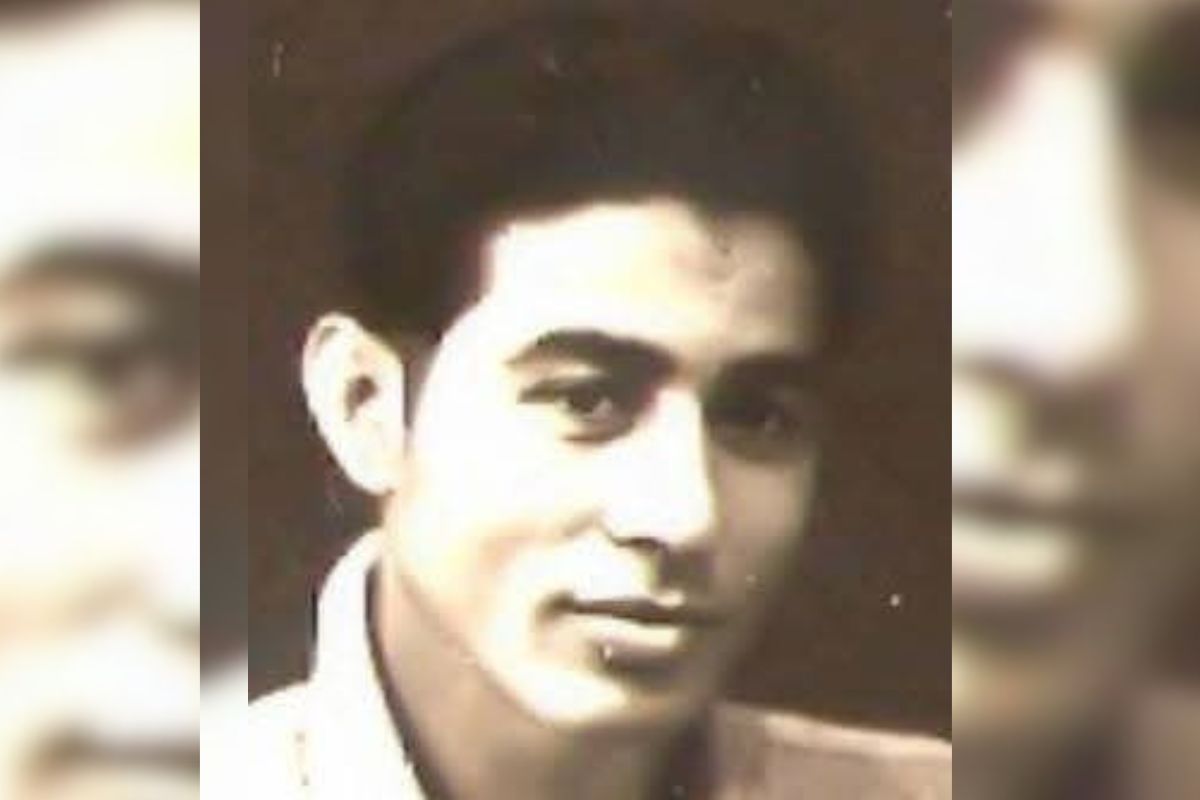
Though he guarded his undercover role, he spoke respectfully of those he encountered during those years. He remembered Netaji Subhas Chandra Bose as a leader of rare conviction and presence. He spoke warmly of Captain Lakshmi Sehgal and admired her courage. He recalled General Shah Nawaz Khan with regard, later working alongside him at All India Radio after independence.
These were never dramatic pronouncements. They were quiet recollections.
After independence, he did not seek recognition or reward. He worked with All India Radio and later joined the Uttar Pradesh Police, continuing to serve India in peace as he had during conflict. He never applied for an INA pension. He would simply say- I fought for my country, not for benefits.
The only legacy he insisted upon for his children was education, integrity, and dignity.
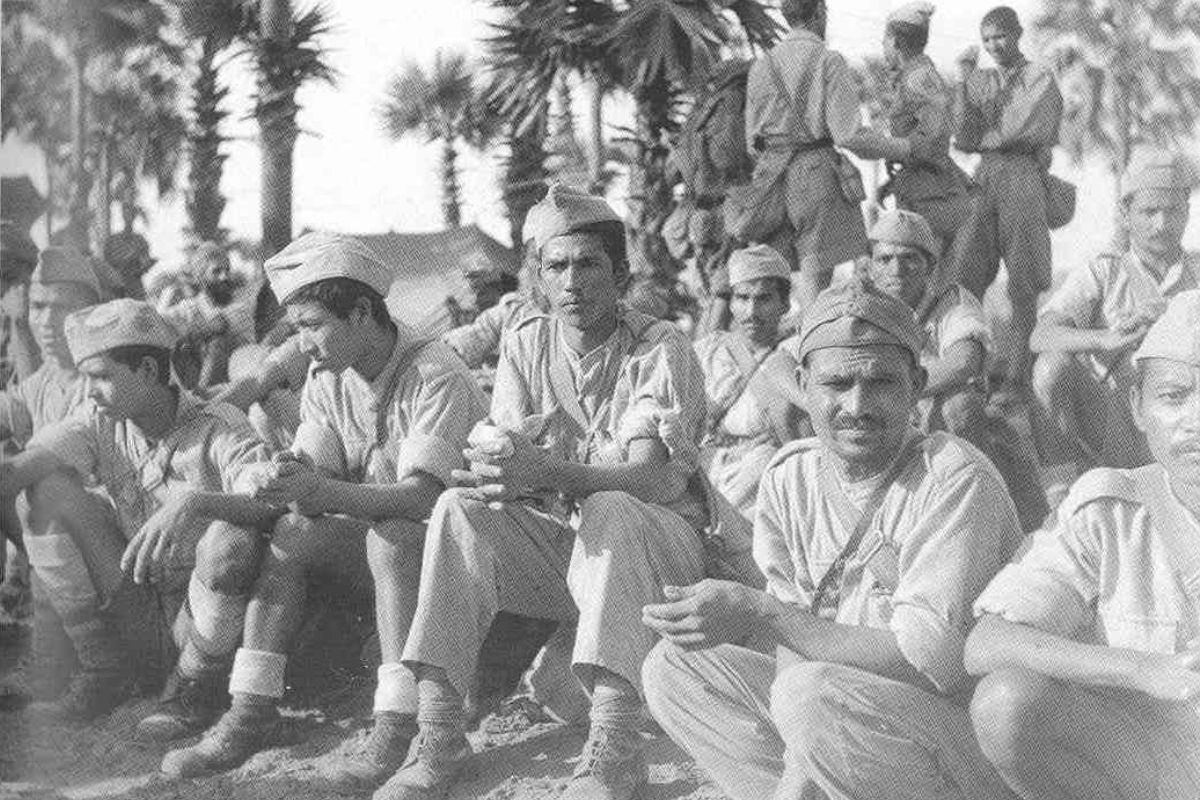
When I reflect on the condition of 65,000 Indian POWs- many tortured, many starved, many buried in distant lands like New Guinea, I understand the weight of that generation. They fought external battles, but also internal ones. They navigated loyalty, survival, humiliation, and hope.
My father was one among thousands.
Yet, through him, I have come to understand that independence was not built only by leaders and speeches. It was built by unnamed agents, silent prisoners, grieving mothers, and families who waited in uncertainty.
History often remembers the loudest voices.
But sometimes, it is the quietest ones heard across a crackling radio, guarded in silence, softened by wit, that endure the longest.
Remembering them is not nostalgia.
It is justice.
–By Mohammed Ali Shikoh
The above account of Lt Syed Amarat Shikoh’s wartime contribution was written by his son, Mohammed Ali Shikoh, who came to know of his father’s role as a secret agent in WW II, 20 years after his passing. He shared his father’s interesting story in the podcast Diverse Dialogues available on DNN24 channel on YouTube.