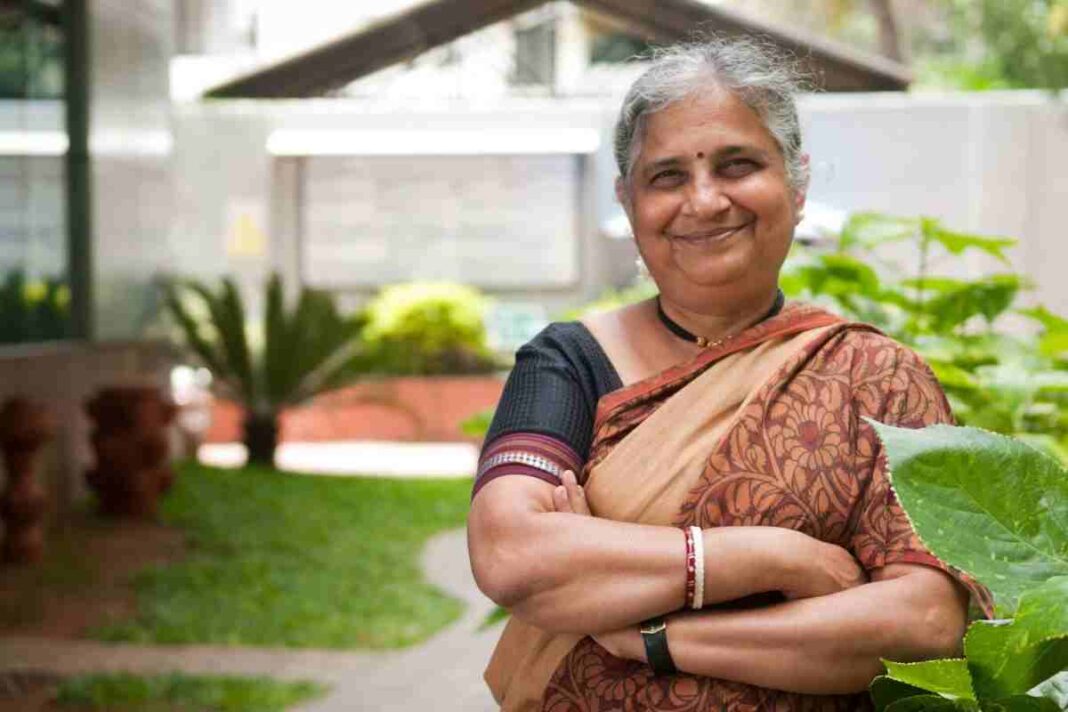

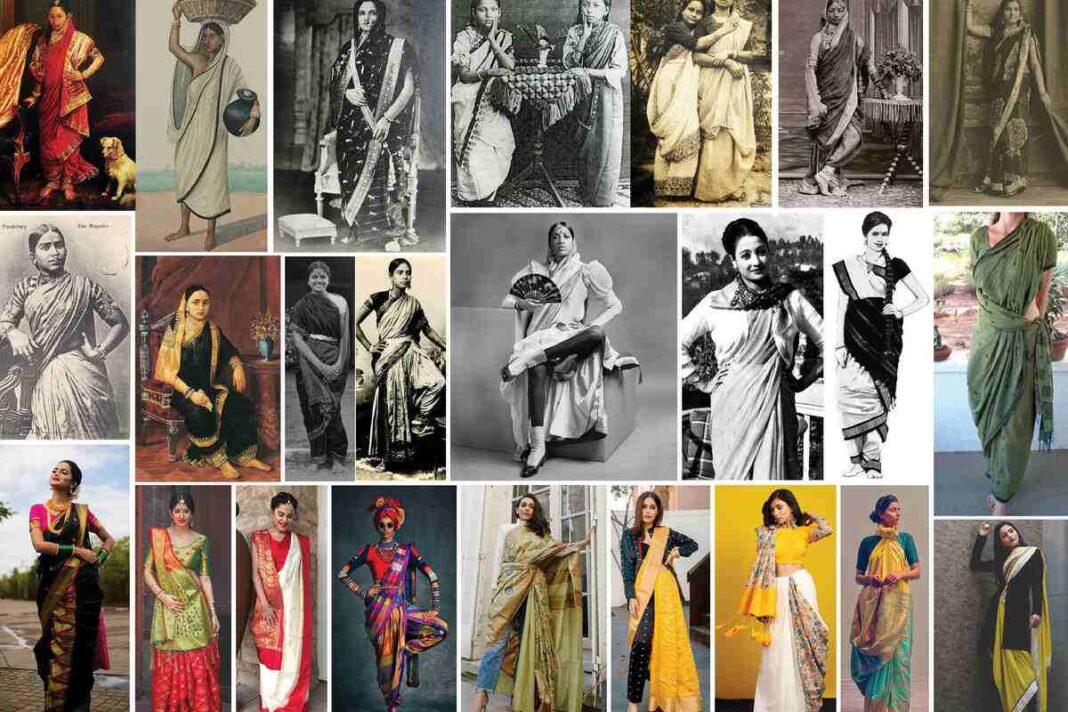

The Indian sarees, with a history spanning nearly 5,000 years, stands as one of the world’s oldest and most enduring forms of attire. The term “sari” originates from Sanskrit, signifying a “strip of fabric.” However, for the women of India who have gracefully draped themselves in silk, cotton, or linen for generations, these lengths of cloth hold significance far beyond mere clothing. They symbolize national pride, traditional craftsmanship, design representatives, and quintessential embodiments of India’s diversity.
Ashavali Saree from Gujarat
Gujarati Ashavali sarees feature intricate brocade work known as kinkhwab, crafted with metallic gold and silver threads and zari. These sarees come from Ahmedabad, formerly known as Ashaval, a prominent brocade and silk weaving center since the 14th century. They are often referred to as Amdavadi or Amdavadi zari sarees.
Banarasi Saree from Uttar Pradesh
Banarasi sarees hold immense cultural significance in India and are integral to bridal trousseaus. Brides traditionally don these opulent sarees during wedding ceremonies, marking a momentous occasion. While trendy among North Indian and Bengali brides, others may wear them for receptions or as auspicious wedding gifts.
Bandhani Saree from Rajasthan
Derived from Hindi/Sanskrit words meaning “tying” or “to knot,” Bandhani sarees are a testament to skill and artistry. This dyeing technique involves tightly knotting fabric in various places, resulting in intricate patterns such as Chandrakala, Bavan Baug, and Shikari. Vibrant colors like yellow, red, blue, green, and black are commonly used.
Batik Saree from West Bengal
Batik sarees originated in India and have evolved into refined artistry. They were once considered an aristocratic pursuit, reflecting refinement and culture with delicately painted designs featuring birds and flowers. The batik process involves waxing, dying, and dewaxing, and the term “batik” translates to “wax writing.”
Bomkai Saree from Odisha
Bomkai Silk, or Sonepuri Silk, is a distinct weave from western Orissa. Rooted in Odisha’s ancient culture since 600 B.C., it was traditionally woven with coarse, brightly colored cotton yarn. Bomkai, locally referred to as “Bandha,” is characterized by an additional weft technique, and it exemplifies the rich heritage of Orissan handloom.
Chanderi Saree from Madhya Pradesh
The village of Chanderi, nestled near the Betwa River within the Vindhyachal mountain ranges, has a rich history and is renowned for its trade. Chanderi sarees, often called Kanchipuram sarees, derive their name from this location. These sarees are celebrated for their durability, vibrant colors, and gold accents.
For a detailed story, please visit: Awaz the voice
Also Read: India’s Global Leadership: G-20 and Development
You can connect with DNN24 on Facebook, Twitter, and Instagram and subscribe to our YouTube channel.