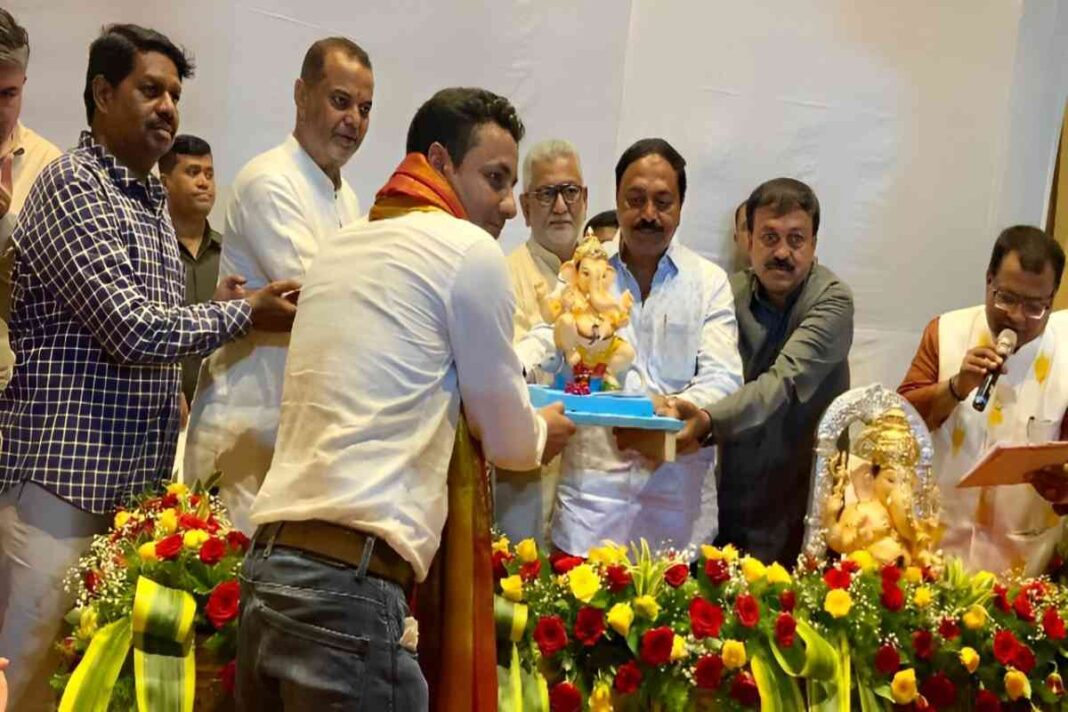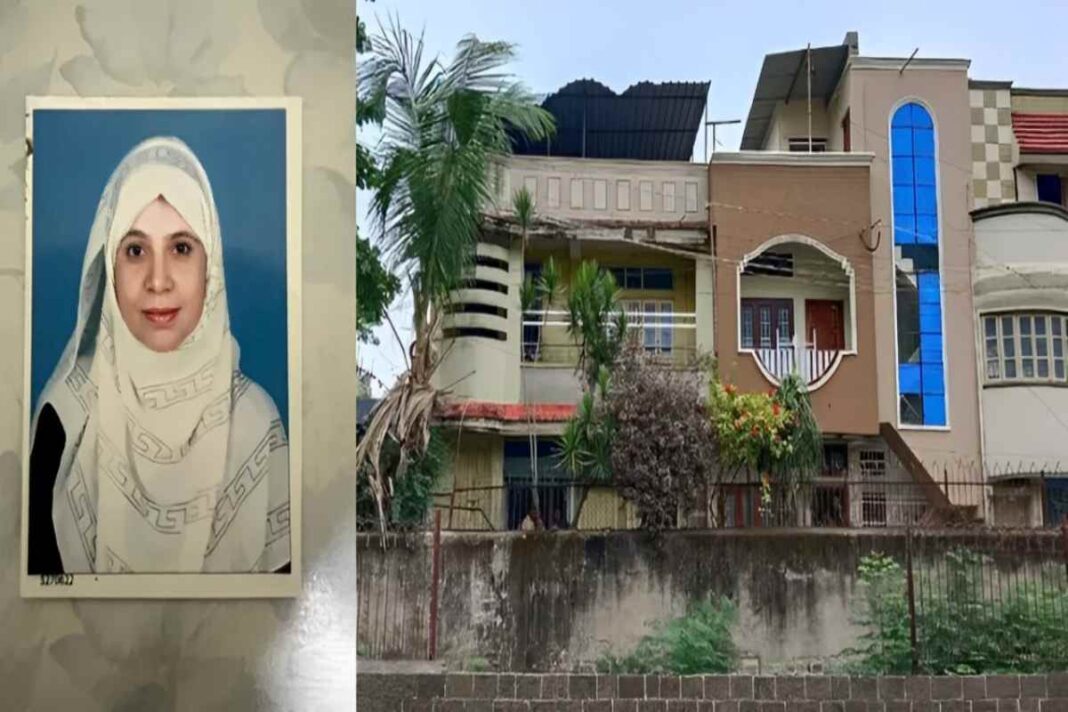

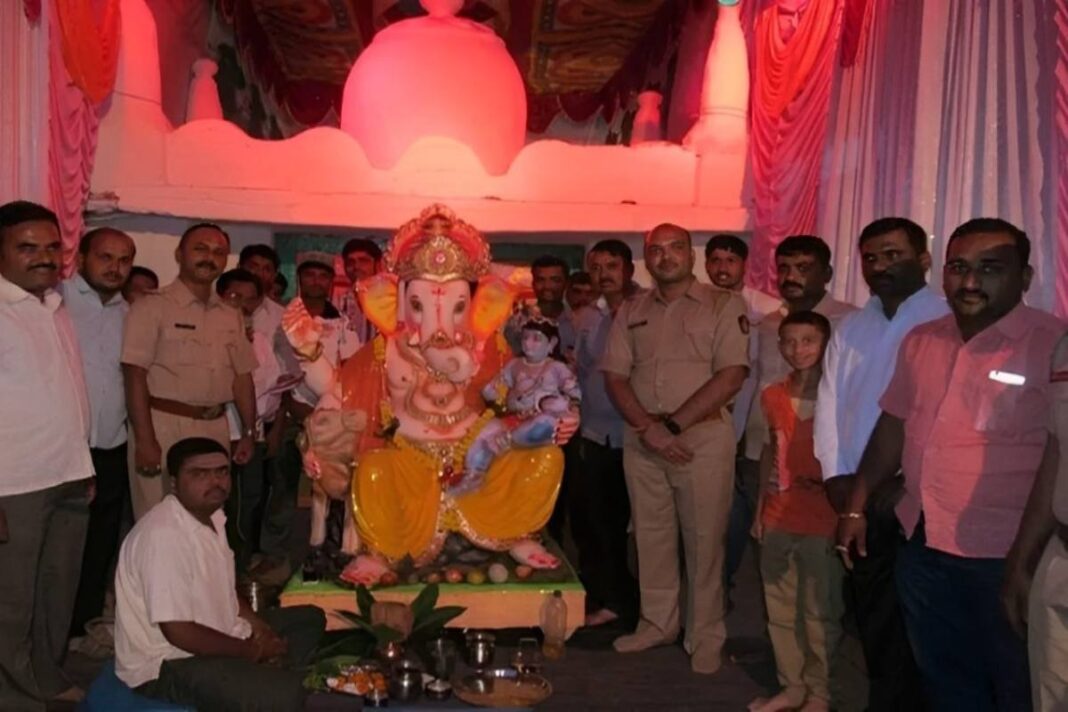

In Gotkhindi village, Sangli district, Maharashtra, a beautiful example of religious harmony takes place every year. For over 40 years, the Ganesh idol has been installed in the mosque premises during Ganeshotsav. This tradition started when heavy rain threatened a Ganesh idol, and Muslim elders suggested moving it to the mosque for safety. Since then, both communities have happily continued this practice.
Rahul Kokate, Secretary of New Ganesh Mandal, explains, “It was decided that Ganpati would be installed in the mosque premises in the future. Both communities accepted this decision with joy.”
Muslims and Hindus Celebrate Together
The Muslim community in Gotkhindi actively participates in Ganeshotsav. They serve prasad, join in prayers, and help with festival arrangements. This unity has remained strong even during difficult times. In 2009, when communal tensions arose in nearby Miraj, Gotkhindi celebrated Ganeshotsav peacefully.
There have been instances when Bakri Eid and Anant Chaturdashi fell on the same day. In such situations, Muslims postponed their celebration by a day. Similarly, when Moharram and Ganeshotsav coincided in 1986 and 2019, both communities found a way to celebrate together.
A Model of Harmony for Maharashtra
Ganeshotsav is a major festival in Maharashtra, with mandals organising cultural programs and competitions. In Gotkhindi, Hindu and Muslim youth work together to make these events successful. They participate in various activities with great enthusiasm, showing how festivals can bring people closer.
This tradition in Gotkhindi is not just about celebrating a festival. It’s a powerful symbol of unity and mutual respect between Hindus and Muslims. In a time when religious differences often lead to conflicts, this village shows how communities can live and celebrate together.
The story of Gotkhindi’s Ganeshotsav is a reminder that harmony is possible when people focus on what unites them rather than what divides them. It’s a lesson in coexistence that many other places could learn from, proving that traditions can adapt and grow to include everyone, regardless of their faith.
For detailed story, please visit: Awaz the voice
You can connect with DNN24 on Facebook, Twitter, and Instagram and subscribe to our YouTube channel.