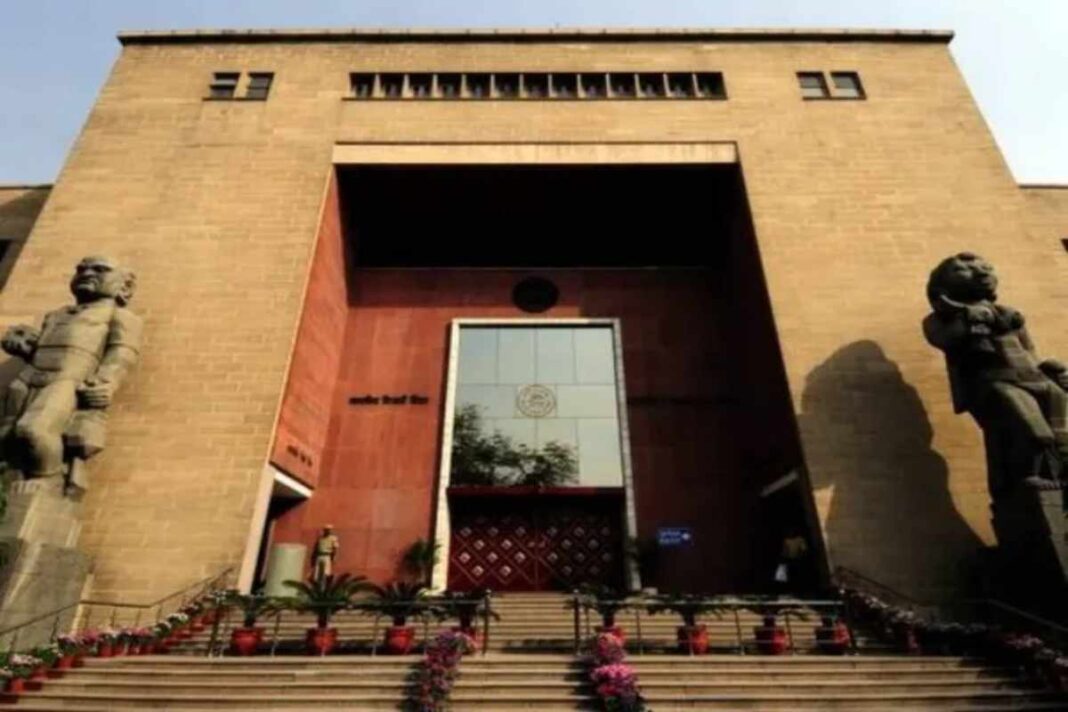

The entrance to the Reserve Bank of India (RBI) building in New Delhi is adorned with two monumental sculptures of Yaksha and Yakshi, symbolizing the institution’s custodial role over the nation’s financial resources. These sculptures fusion India’s cultural legacy and the RBI’s mandate of financial stewardship.
Inspired by Ancient Texts
Inspired by ancient Indian religious texts, the renowned Indian sculptor Ram Kinkar Baij crafted these sculptures to represent the sibling demi-gods Yaksha and Yakshi, serving Kubera, the wealth deity. According to the ancient texts, Yaksha and Yakshi are entrusted with the sacred duty of safeguarding the treasures of Kubera. This symbolism aligns perfectly with the RBI’s role as India’s monetary wealth guardian.
Promoting Indigenous Art and Culture
The placement of these sculptures was initiated by India’s First Prime Minister, Pt. Jawaharlal Nehru advocated for the integration of indigenous art and culture into public buildings and housing institutions in independent India. This move aimed to support and promote Indian artists by exhibiting their installations.
Embracing Cultural Heritage
Embracing this concept, the RBI incorporated indigenous artworks into its architectural design. The decision to adorn the entrance with sculptures of Yaksha and Yakshi pays homage to India’s cultural legacy and underscores the institution’s commitment to promoting indigenous art forms.
Symbolic Guardians
Visitors to the RBI building are welcomed by Yaksha and Yakshi, symbols of its dedication to safeguarding the nation’s wealth. These sculptures serve as iconic landmarks, embodying the ethos of prosperity and abundance that the RBI strives to uphold.
A Symbiotic Relationship
Beyond their aesthetic appeal, the sculptures of Yaksha and Yakshi carry profound symbolism, reflecting the symbiotic relationship between culture and commerce. By integrating these timeless artistic expressions into its architectural narrative, the RBI reaffirms its role as a guardian of monetary wealth and cultural heritage, fostering a harmonious coexistence between tradition and modernity.
For detailed story, please visit: Awaz the voice
Also Read: India’s Global Leadership: G-20 and Development
You can connect with DNN24 on Facebook, Twitter, and Instagram and subscribe to our YouTube channel.