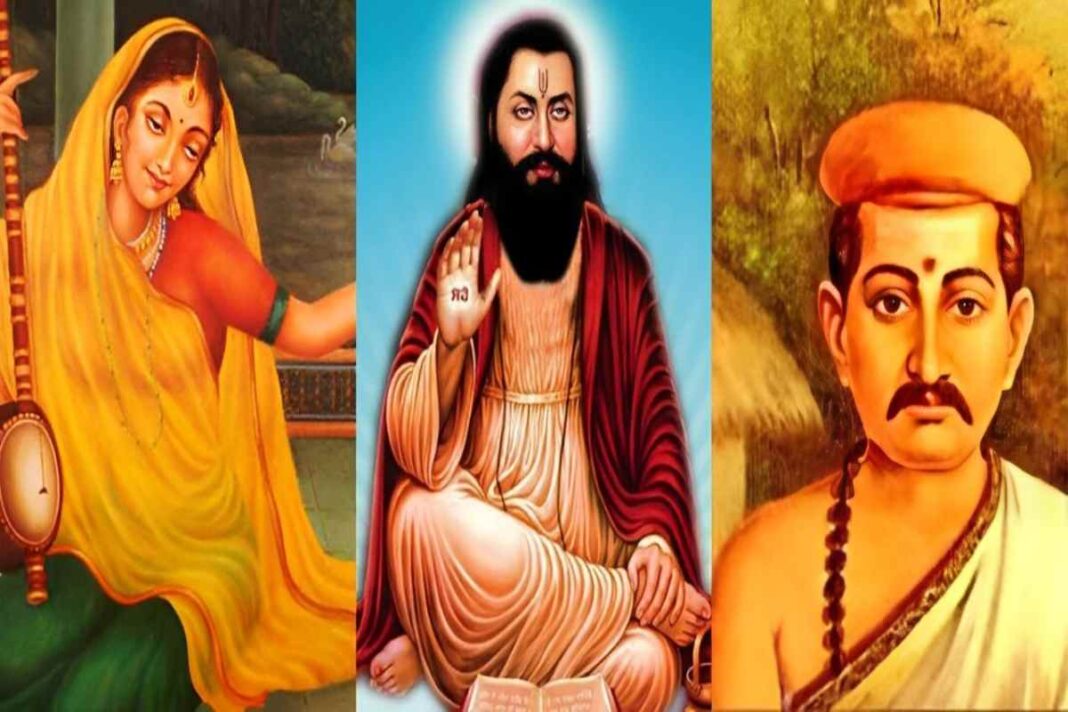

In the rich tapestry of human spiritual experience, few stories are as compelling as the remarkable journey of Hindu poets who composed eulogies honoring Prophet Muhammad. Imagine a world where religious boundaries dissolve, replaced by mutual respect, understanding, and profound admiration. This isn’t a utopian fantasy, but a beautiful reality that existed in the Indian subcontinent, where poets transcended religious divides to celebrate spiritual greatness.
The Tradition of Eulogies in South Asian Culture
The practice of composing eulogies, known as Qasidas in Arabic and Persian, was more than just poetic expression—it was a profound cultural dialogue. During the Mughal period (16th to 18th centuries), a remarkable syncretic culture emerged, where Muslim and Hindu communities interacted, exchanged ideas, and developed deep mutual respect. These eulogies were not mere literary exercises but powerful statements of religious pluralism. Hindu poets saw beyond religious labels, recognizing the universal spiritual essence that connects humanity. Their verses celebrated the Prophet’s qualities of compassion, wisdom, and social justice—values that resonated across religious boundaries.
Prominent Voices of Respect
Mirabai, primarily known for her devotional songs to Lord Krishna, exemplified this spirit of interfaith appreciation. Despite being a Rajput princess deeply rooted in Hindu tradition, she recognized spiritual greatness wherever it manifested. Her poetry often transcended religious boundaries, seeing divine inspiration in figures like Prophet Muhammad.
Working within the Mughal court, Kavi Bhushan represented a perfect example of cultural integration. His poetry seamlessly blended Hindu and Muslim elements, praising the Prophet’s leadership and spiritual depth. Bhushan saw righteousness as a universal principle, not confined to any single religious tradition. The eulogies of Hindu poets to Prophet Muhammad stand as a powerful reminder of humanity’s potential for mutual respect and understanding. In an era often marked by religious tensions, these historical examples offer hope and inspiration.
For detailed story, please visit: Awaz the voice
Also Read: Building Hope: The Story of Semchan Welfare Society in Leh
You can connect with DNN24 on Facebook, Twitter, and Instagram and subscribe to our YouTube channel.