
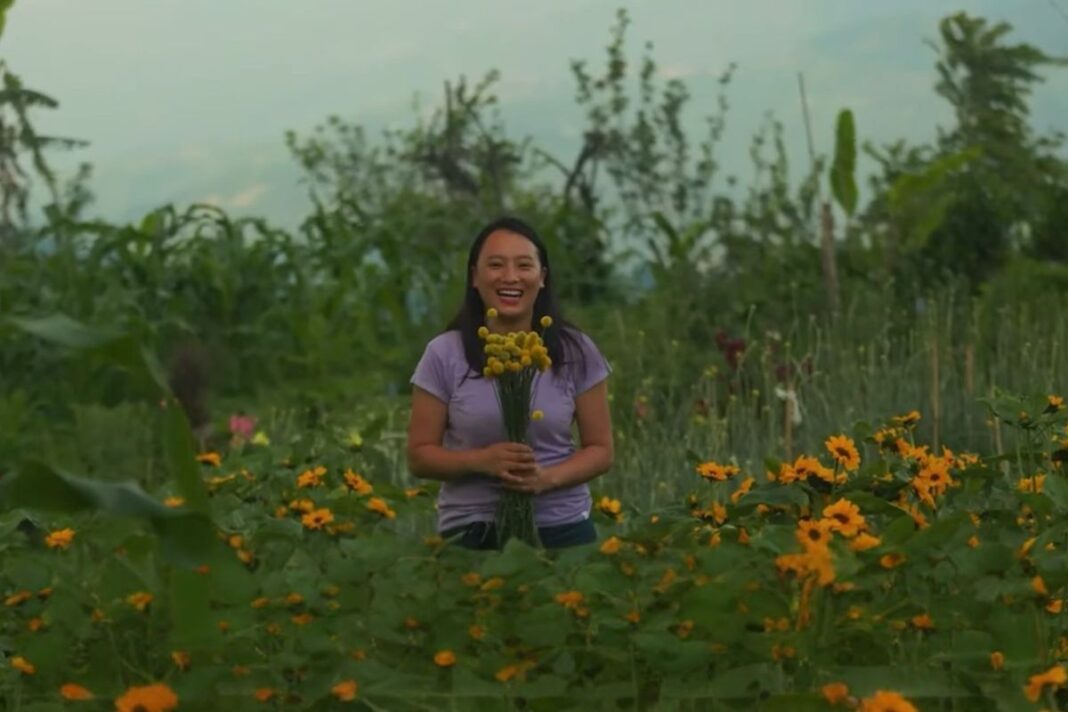

The flowers were rotting in the fields. Transportation had stopped during the 2020 pandemic lockdown, and farmers in Mao watched their crops wilt on the stalks. For Chokhone Krichena, who had just returned from Bengaluru with a biotechnology degree, the situation represented both crisis and opportunity. She began drying the unsold blooms at home, preserving them with methods her grandmothers had used. Within a year, those experiments led to Dianthe Pvt Ltd, now selling dried flower products to customers across 18 Indian states.
Her effort soon gained national attention. In the December episode of Mann Ki Baat, Prime Minister Narendra Modi spoke about Chokhone Krichena, also known as the Flower Lady of Manipur. He noted how the venture she began in 2021 now works with women farmers in the Senapati district and sends decorative flowers to markets across India. Modi said her work shows how local knowledge and simple ideas can create steady livelihoods and strengthen rural self-reliance.
A Graduate Returns to the Hills
Krichena grew up in Mao, a town in Manipur’s Senapati district, known locally as the land of flowers. The area sits on rolling hills where organic produce grows in conditions too tough for large-scale agriculture. As a child, she helped her family tend their fruit and vegetable patch but spent her free time among wildflowers.
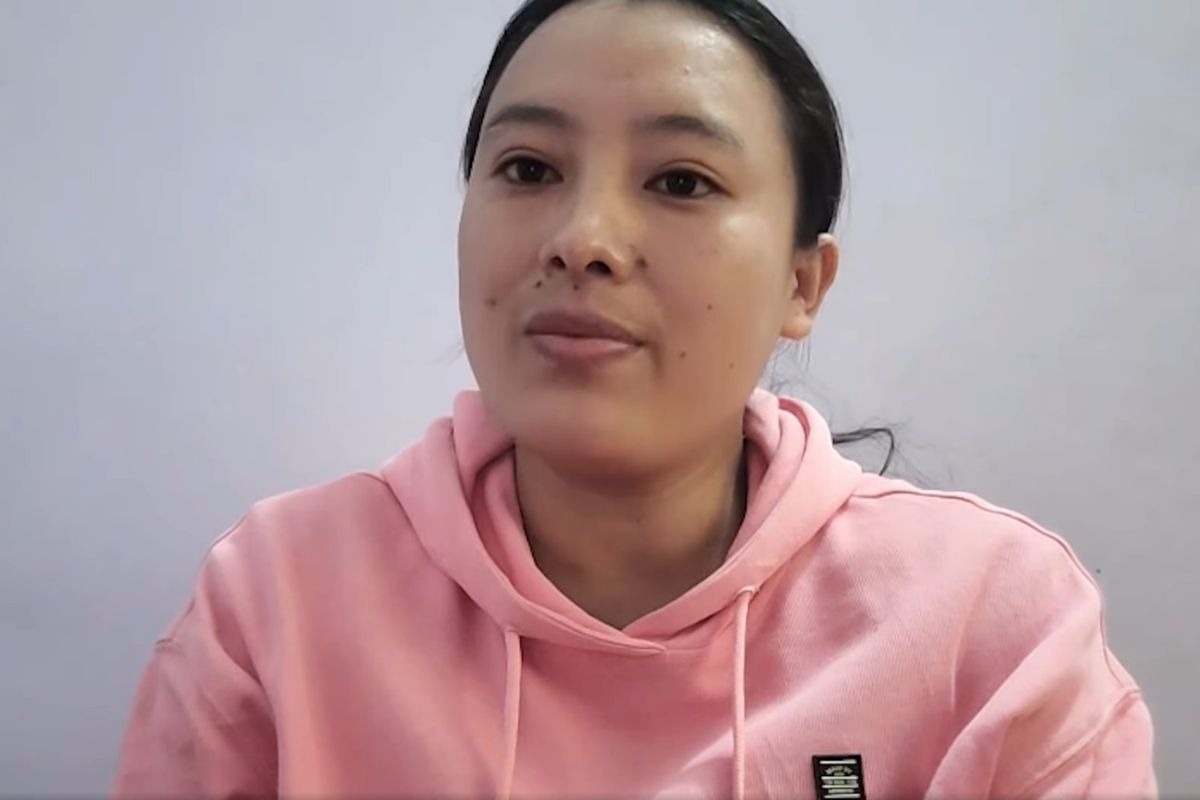
After completing her degree in Guwahati and internship in Bengaluru, the 32-year-old came home during the COVID lockdown. The halt in commerce had devastated local growers. Their flowers, headed for the urban markets, were now lying in waste. Krichena started preserving them at home using air-drying techniques that maintained colour and form, without the use of chemicals. The resulting material could be shaped into bouquets, decorative items, and wedding gifts, serving as alternatives to plastic ornaments. She registered Dianthe in 2021 with a specific mission: connect rural flower farmers to urban consumers while generating reliable income for people in her community.
Building a Market From Scepticism
Family members and neighbours questioned her decision. They urged her to find proper employment in the city rather than pursue floriculture in a terrain that resisted conventional farming. Krichena responded by distributing 50 flower saplings to local farmers with a buyback guarantee. She offered them prices three to four times higher than what they received for vegetables.
The arrangement worked. Farmers who took up her offer saw their blooms sell profitably, and scepticism diminished. Growers began shifting away from vegetable crops, which offered volatile returns and frequent losses due to spoilage.
Krichena’s company, Dianthe now produces candles embedded with dried petals, wedding accessories, bouquets, boutonnières, and items for business collaborations. The emphasis on dried flowers addresses the shelf-life problem that plagues fresh floriculture. Dried products ship more easily and withstand delays without spoiling, creating export potential. The company experiments with natural dyes extracted from vegetables and fruits, though it occasionally uses food colouring when necessary.
Training and Economic Impact
The enterprise provides instruction to farmers on harvesting techniques, delicate handling, wiring for structural support, and the quality standards required by urban markets. Between 50 and 200 farmers, many of them women, receive support each month. The buyback system creates consistent demand and eliminates the risk of produce rotting unsold or fetching minimal prices.
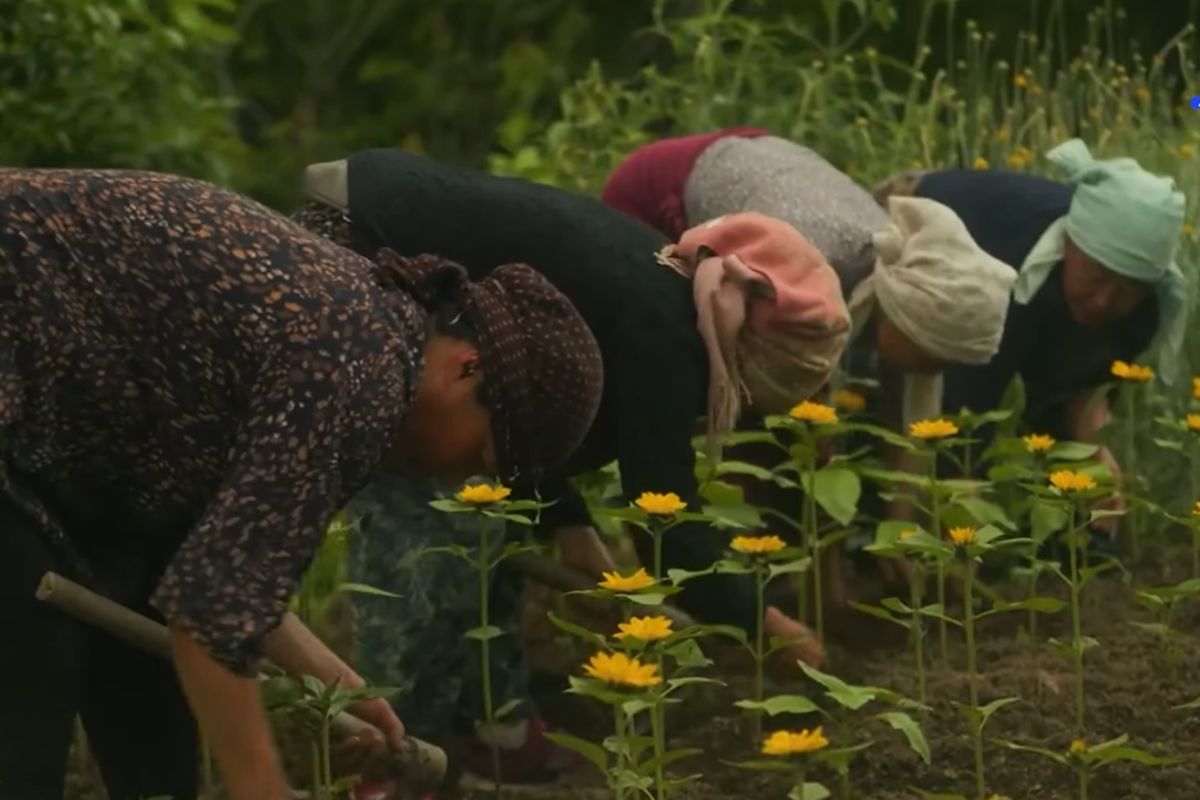
Esther Chiswute, a 52-year-old grower who has cultivated flowers since 2005, expanded her reach through the marketing connections Krichena established. Women, who form the backbone of local agriculture in Mao, now gain financial independence without migrating to cities or making large capital investments.
Dianthe generates an average of 80,000 rupees per month, with an annual turnover of 12 lakh rupees. The income boosts local economies in measurable ways. Collaborations with artisan platforms, including the 200 Million Artisans’ Kula Conclave, have broadened distribution networks.
Challenges of Mountain Commerce
Water scarcity presents the most serious obstacle. Floriculture requires substantial irrigation, but Mao’s mountainous terrain limits access to water. Krichena has called for policy interventions to address infrastructure gaps.
Shipping introduces another problem. Delivery services in remote areas often handle packages roughly, leading to flowers rotting in transit. The shortage of skilled labour and poor connectivity compound these difficulties. Dried flowers mitigate some vulnerabilities inherent to fresh produce, but logistical barriers remain.
Flower selection requires careful consideration. Statice, a sea lavender variety with papery structures, retains colour for more than a year. Bunny tails, soft grass-like blooms, accept dyes readily and add texture to arrangements. These varieties dry reliably. Others prove difficult. Baby’s breath requires tissue culture propagation, making it impractical. White carnations dry poorly and have been phased out. Krichena focuses on species that thrive in Mao’s conditions and preserve well: edelweiss daisies, celosia, bunny tails, statice, and seed pods from local cedrella trees. These endemic varieties give products a regional identity tied to Manipur’s biodiversity.
Recognition and Awards
The enterprise received three lakh rupees from the RKVY RAFTAAR grant program when Krichena presented the idea at the 2022 Agri Conclave and Kisan Sammelan in New Delhi. In 2023, judges named Dianthe among India’s top five startups. Krichena won the Climate Innovation Award for sustainable waste transformation, biodiversity conservation, and the creation of women-led livelihoods in a conflict-prone region.
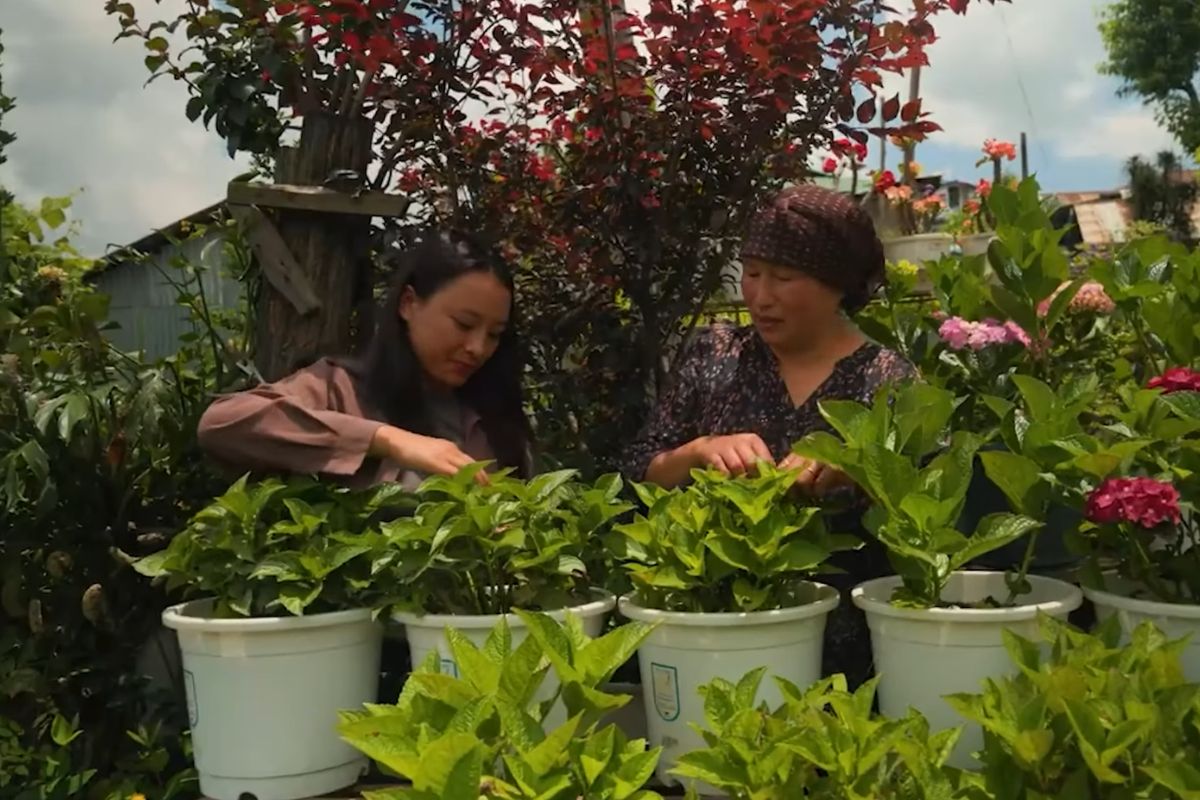
Local media dubbed her the Flower Lady of Manipur. Her business model replaces plastic decorations with biodegradable alternatives made from materials that would otherwise become waste. District officials have praised the venture for providing alternative income sources in areas where conventional agriculture faces limitations. Dianthe now supplies dried flowers to homes, events, and institutions nationwide. It employs five people directly and supports nearly 200 cultivators.
The Drying Process
The preservation method relies entirely on air drying without chemical intervention. Freshly harvested flowers arrive from farms on Mao’s slopes and are hung upside down in small bunches. The drying space remains warm, dark, and well ventilated. Moisture evaporates gradually over approximately one week, though timing varies by species and weather conditions. Rainy seasons extend the time needed to dry in order to prevent mould formation.
Gravity helps stems straighten during drying while petals maintain their plumpness. Rushed drying can cause shrinkage and colour loss. Farmers receive training in harvesting at peak bloom with minimal handling to avoid bruising. Thin stems get wired for structural support when needed in arrangements.
No silica gels, desiccants, or synthetic preservatives are used in the process. When colour enhancement becomes necessary, Krichena uses natural dyes extracted from vegetables and fruits. The products remain biodegradable and safe. Hardy varieties like statice, celosia, and bunny tails retain vibrancy for over a year after treatment.
This approach, which Krichena describes as preserving the flowers’ soul, distinguishes Dianthe from operations that rely on chemical stabilisation. The low technology requirements make the method accessible to rural producers with limited capital.
Endemic Species and Regional Identity
Dianthe works exclusively with flowers native to Mao or those that adapt well to the area’s cool hill slopes. This focus supports local biodiversity while reducing dependence on imported varieties. Edelweiss daisies, rare wildflowers that retain their alpine appearance after drying, symbolise the pristine character of the hills. Celosia produces vibrant plume-shaped blooms, often called cockscomb, that hold colour for extended periods.
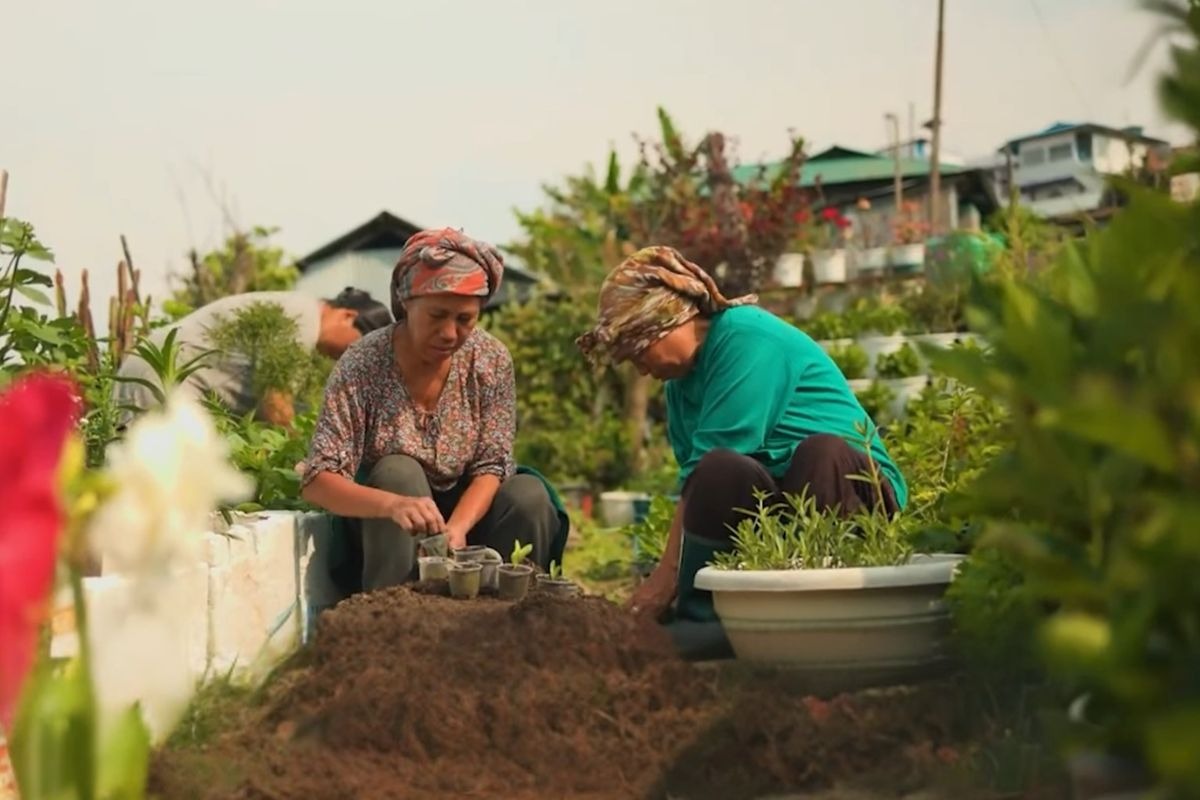
Bunny tails add soft texture and accept natural dyes effectively. Statice provides the structural foundation for many arrangements due to its papery permanence. Cedrella seed pods contribute rustic elements that identify products as distinctly Manipuri. These species grow with minimal cultivation, fitting the economic constraints of small farmers. The selection ties each product to its origin, a quality recognised in biodiversity conservation awards.
Broader Impact and Future Plans
The enterprise addresses multiple challenges simultaneously. It prevents waste by converting unsold fresh flowers into durable goods. It reduces plastic consumption by offering biodegradable alternatives for events and decoration. It provides stable income to small landholders whose plots cannot support conventional crops. Women gain economic agency without leaving their communities.
In Manipur, where ethnic tensions periodically disrupt commerce, the shared economic interest fostered by Dianthe contributes to communal stability. Farmers from different backgrounds participate in a system that rewards cooperation.

Krichena seeks funding to upgrade drying technology and improve quality control. Her goal is to scale operations to include more Mao farmers while maintaining the brand’s chemical-free processes. She envisions the enterprise growing into a model that other hill regions might adapt, turning geographic isolation into commercial advantage.
The success of Dianthe suggests that rural economies need not depend on conventional agriculture or urban migration. Small-scale, specialised production tied to local ecology can generate sustainable livelihoods when coupled with market access and quality standards. For the farmers of Mao, flowers once left to rot now represent reliable income and a connection to customers across India.
Also Read:Qurratulain Hyder: An Unmatched Voice in Urdu Fiction
You can connect with DNN24 on Facebook, Twitter, and Instagram and subscribe to our YouTube channel.