
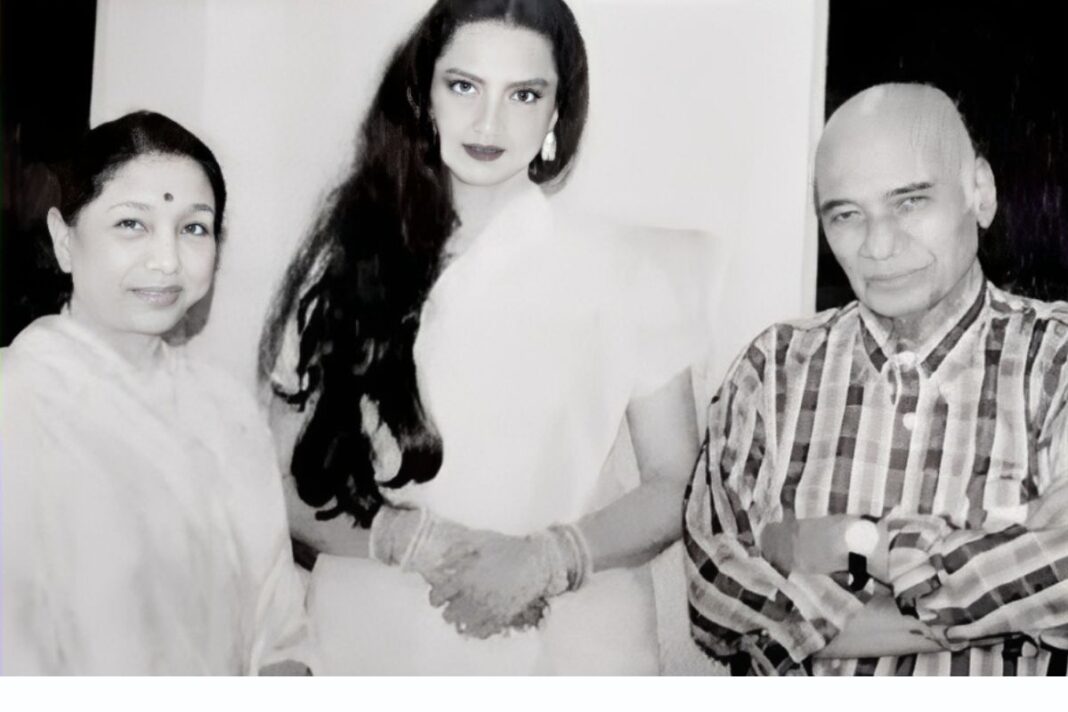

India’s most prolific and versatile singer Asha Bhosle, queen of the cabaret tracks, silenced her critics by winning the National Film Award for Best Female Playback Singer in 1982 for her ghazal “Dil Cheez Kya Hai” from ‘Umrao Jaan’. The award came 34 years into a career many assumed had already peaked.
The Film That Changed Everything
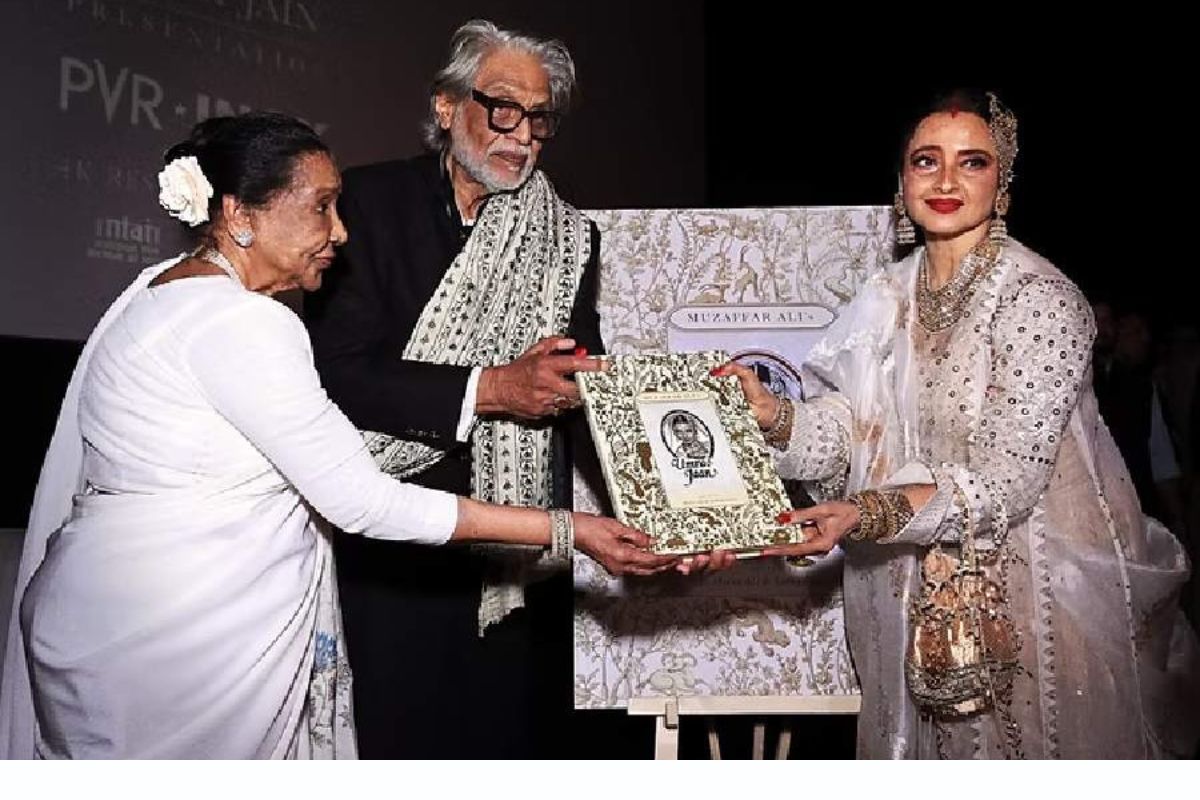
Muzaffar Ali’s 1981 adaptation of Mirza Hadi Ruswa’s 1899 Urdu novel ‘Umrao Jaan Ada’ brought alive 19th-century Lucknow on the screen with unusual fidelity. The film starred Rekha as Umrao, a courtesan navigating the refined world of poetry and dance in a city known for its tehzeeb and ada. Farooq Shaikh, Naseeruddin Shah, and Raj Babbar provided support in a production that would claim four National Awards, including Best Actress for Rekha and Best Music Direction for Khayyam.
Released on January 2, 1981, the film celebrated a cultural moment that had long vanished from India. Khayyam composed the music while Shahryar penned lyrics that demanded both linguistic precision and emotional restraint. The result was a soundtrack that defied the commercial trends of its era.
An Unlikely Beginning
Bhosle was initially approached for a single song. Her response surprised everyone. She requested that Ali read the entire novel to her, refusing to proceed until she understood Umrao’s complete journey. Producer Bharat Shah provided the book, and Bhosle began what would become a total immersion in a world far removed from the peppy numbers that had defined her public image.
She studied Lucknow culture with the attention of a graduate student. The city’s special phrases, its particular etiquette, the grace that marked every gesture, all of this became part of her preparation. Ali later recalled that Bhosle effectively became Umrao Jaan during this period. The director had offered her one song. She ended up singing all the major ghazals.
The music presented technical challenges beyond the scope of her repertoire. Khayyam composed everything in a uniform lower tone, forcing Bhosle away from her typical high-pitched delivery. This troubled some observers, who wondered whether the singer, famous for “Piya Tu Ab To Aaja,” could handle classical forms. Bhosle’s painstaking preparation answered those doubts effectively.
Mastering a Lost Language
Bhosle’s Urdu was already competent, but Lucknow’s refined dialect required additional work. She adjusted her voice to explore how pronunciation alters emotion. Ali observed that Bhosle was one of those singers who understood how a word can change the whole feeling of a song.
The songs themselves demanded this precision. “Dil Cheez Kya Hai” ran for 6:07 minutes in Raga Bihag. “In Aankhon Ki Masti” stretched to 5:46 minutes in Raga Bhupali. “Justuju Jiski Thi” offered 4:46 minutes of poignant reflection, while “Yeh Kya Jagah Hai Doston” closed at 6:17 minutes, also in Raga Bihag. These were not brief commercial tracks designed for radio play. They were complete artistic statements.
Bhosle brought emotional depth to the songs. Critics praised her for reviving Lucknow’s lost glory on screen. Her versatile voice, usually associated with fast-paced hits, transformed into an instrument of poetic subtlety. The achievement was remarkable given that nothing in her public work had prepared audiences for this turn.
The Composer’s Demands
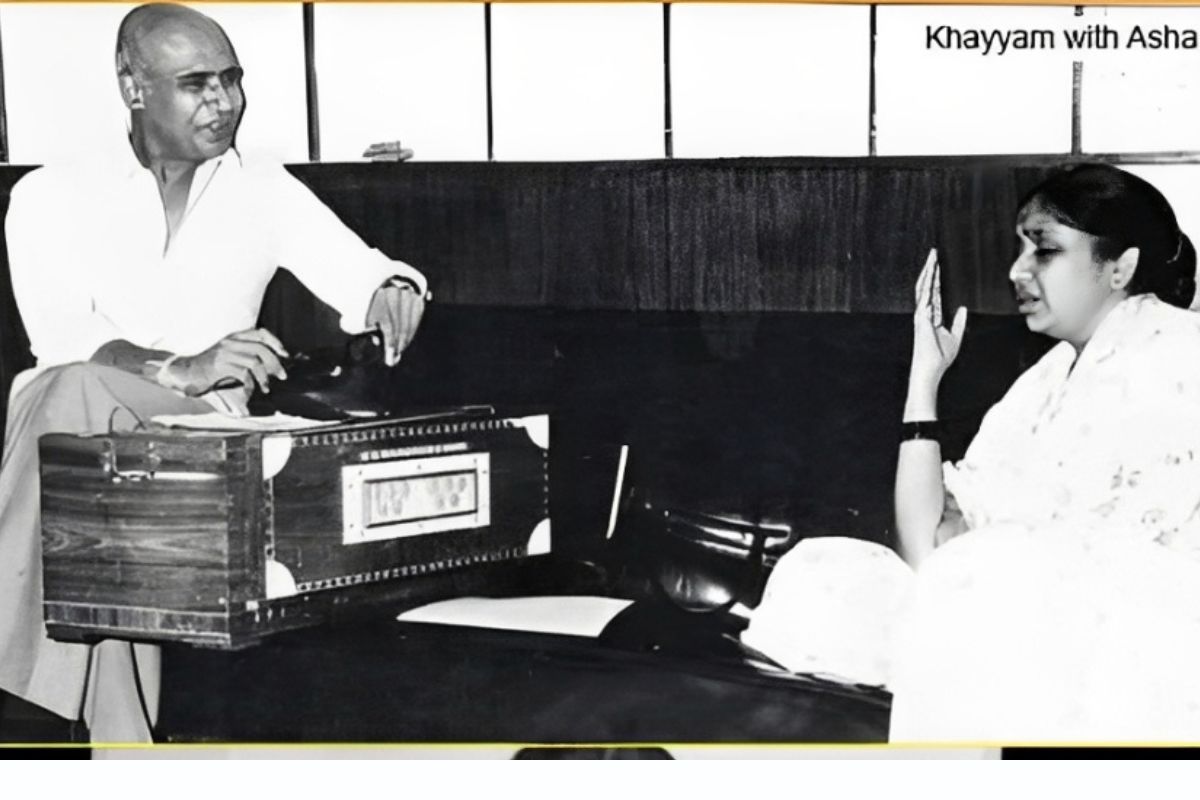
Mohammed Zahur Khayyam had worked with Bhosle since 1949’s ‘Parda’, but their collaboration on ‘Umrao Jaan’ went deeper than previous projects. Khayyam told her point blank, “We don’t want Asha ji, we want Umrao Jaan.” He pushed for perfection during refinement sessions that tested both artistes.
Bhosle held Khayyam in awe, according to Ali. Their synergy elevated a soundtrack that blended classical ragas with Urdu poetry in ways that seemed impossible for commercial cinema. Khayyam won the National Award for Best Music Direction, validation for an approach that rejected the popular 1980s trend.
In interviews, Khayyam described how they iterated on classics during her 75th birthday celebrations, with Bhosle adapting seamlessly to his vision of slow, distinct notes. The collaboration produced timeless tracks precisely because both artistes refused to compromise for easy commercial returns.
Recording Under Pressure
The recordings were intense. Bhosle invested extraordinary effort in lower notes and cultural nuances, becoming, as Ali called it, “the voice of Lucknow.” Initially uneasy with the pace of a demo, she persevered by reading the novel and internalising Umrao’s pain and poise.
Ali described her emotional response after the award announcement. She remained graceful, acknowledging the team’s role and his direction specifically. Khayyam’s compositions required multiple takes for emotional accuracy. The 6:06-minute “Dil Cheez Kya Hai” alone demanded repeated attempts before achieving the precise blend of technique and feeling.
Bhosle later performed “Yeh Kya Jagah Hai Doston” at the film’s 2025 re-release, thrilling audiences despite her age. The performance demonstrated how deeply these songs had become part of her artistic identity.
The Complete Soundtrack
Bhosle sang all the major ghazals for Rekha in the film. Beyond the four primary tracks, she rendered “Jab Bhi Milti Hai” at 1:30 and “Kabhi Kaha Na Kisise” at 4:27. The complete collection totalled over 30 minutes of music, each piece showcasing her mastery of the lower octave and Urdu finesse.
Film credits confirm these performances across various releases. The songs became integral to the narrative rather than mere interludes. Each advanced the plot while standing alone as a complete artistic achievement.
Validation After Decades
The 29th National Film Awards announcement in 1982 honoured Bhosle for “Dil Cheez Kya Hai,” her first such recognition after more than three decades in the industry. The Silver Lotus Award validated her range and countered perceptions of her as merely a cabaret specialist.
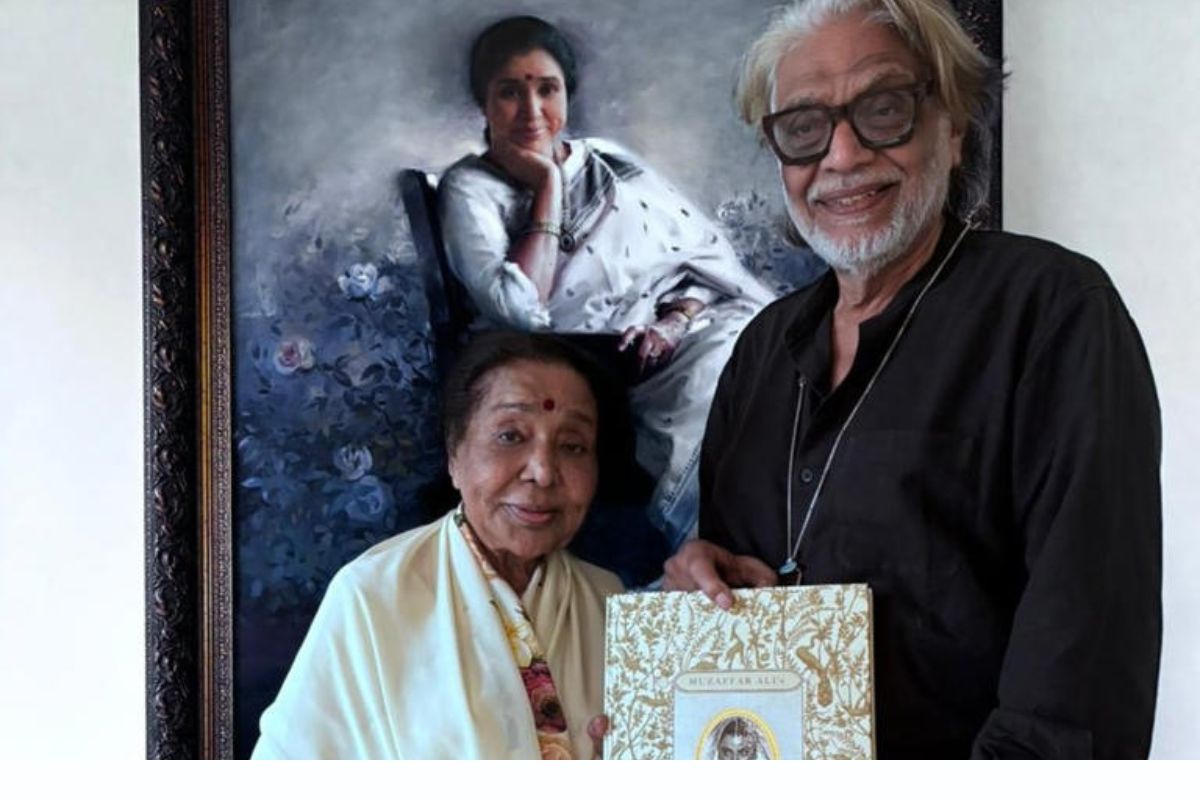
Umrao Jaan’s music remains iconic. Bhosle’s ghazals are cited among her career highlights across eight decades of recording. The film itself achieved cult status comparable to ‘Pakeezah’, earning restoration for the 2025 Red Sea International Film Festival. Her work influenced later productions, including Umrao Jaan Ada – The Musical in 2019. The emotional depth in these songs continues to define filmi ghazals. They set a standard that subsequent attempts have struggled to match.
A Career Transformed
The National Award permanently shifted industry perceptions. Bhosle proved her classical prowess and earned another award for ‘Ijaazat’. The recognition highlighted her command of Urdu and adaptability, solidifying her status as a legend alongside Lata Mangeshkar.
Tributes following her 2026 passing emphasised her timeless legacy as Umrao Jaan. The songs live on digital platforms, evoking Lucknow’s bygone tehzeeb for the new generations. What began as scepticism about a cabaret singer attempting classical songs ended as one of Indian cinema’s most celebrated musical achievements.
Bhosle had limited formal training in classical music. Born into the musical Mangeshkar family in 1933, she absorbed Hindustani classical elements by observing her father, Deenanath Mangeshkar, and her sister, Lata. Her father’s death when she was eight curtailed the instruction, but she learned through careful listening and daily practice.
In 1995, at age 62, Bhosle underwent formal initiation with Ali Akbar Khan of the Maihar gharana, studying fixed compositions. This led to the Grammy-nominated album ‘Legacy’. However, her classical elasticity came primarily from decades of dedicated riyaaz rather than elite gharana training.
The ‘Umrao Jaan’ achievement proved that disciplined self-teaching could rival formal instruction when combined with talent and determination. Bhosle maintained daily practice into her 90s, treating music as essential as breathing. This dedication built the versatility that allowed her to move seamlessly between genres while maintaining technical excellence.
Also Read:Eight Decades, Twelve Thousand Songs, One Unforgettable Voice: Asha Bhosle
You can connect with DNN24 on Facebook, Twitter, and Instagram and subscribe to our YouTube channel.