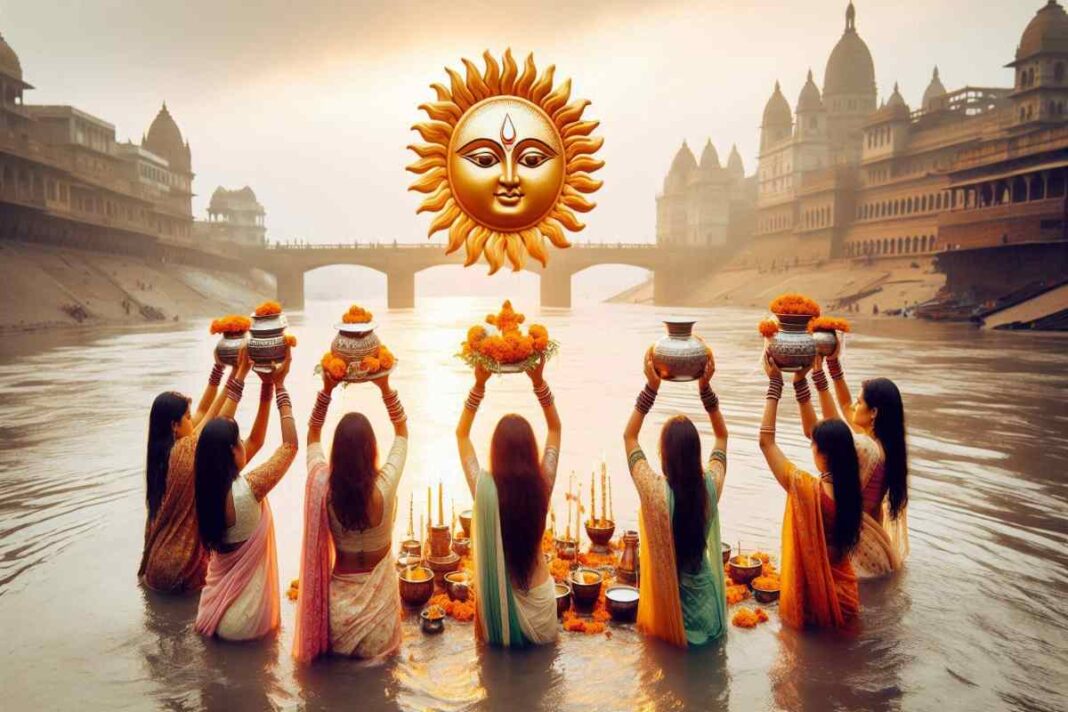


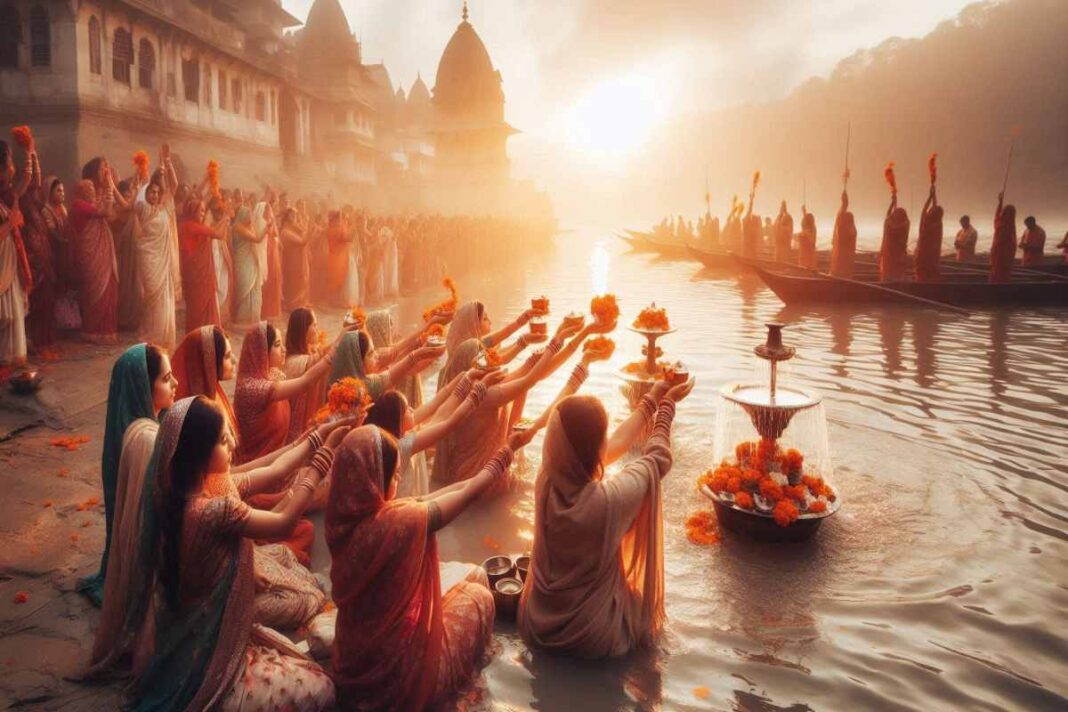

Chhath is a special festival mainly celebrated in Bihar, Jharkhand, and Purvanchal regions where people pray to both the setting and rising sun. Unlike many Hindu festivals, Chhath doesn’t need priests – devotees can worship directly. This makes it truly special as people from all castes and backgrounds can take part equally. The festival uses local items like fruits and vegetables for offerings, showing its deep connection to the land.
The Iranian Connection
An interesting theory links Chhath to the Shakaldvipi Brahmins, who came from ancient Iran (Shak Island) to India. According to stories, when Lord Krishna’s son Samba got leprosy, these Sun-worshiping Brahmins were called from Iran to cure him. After Dwarka (where they first settled) sank into the sea, they moved to the Magadha region of Bihar. This might explain why sun worship became so important in these areas. The Parsis, who also came from Iran, are sun worshippers too, supporting this connection.
Spread Across Eastern India
The tradition of sun worship spread widely in eastern India, with many sun temples being built from Bihar to Odisha. Famous examples include the temples in Dev of Aurangabad, Pundarak in Patna, and the well-known Konark temple in Odisha. The festival is equally popular in the Mithila region of Bihar. Some historians think Chhath might have started even before the Vedic period, while others connect it to the time when Lord Balarama’s followers settled in Mithila.
What makes Chhath unique is how it combines religious beliefs with local traditions. It’s not just about following strict religious rules – it’s a festival that comes from people’s hearts and shows how they connect with nature. Even today, it remains one of the most important festivals in eastern India, bringing communities together through its simple yet meaningful rituals.
For detailed story, please visit: Awaz the voice
Also Read: Padma Shri Awardee Dr. Shyam Sundar Paliwal Transforming Rural India Through Piplantri Model
You can connect with DNN24 on Facebook, Twitter, and Instagram and subscribe to our YouTube channel.