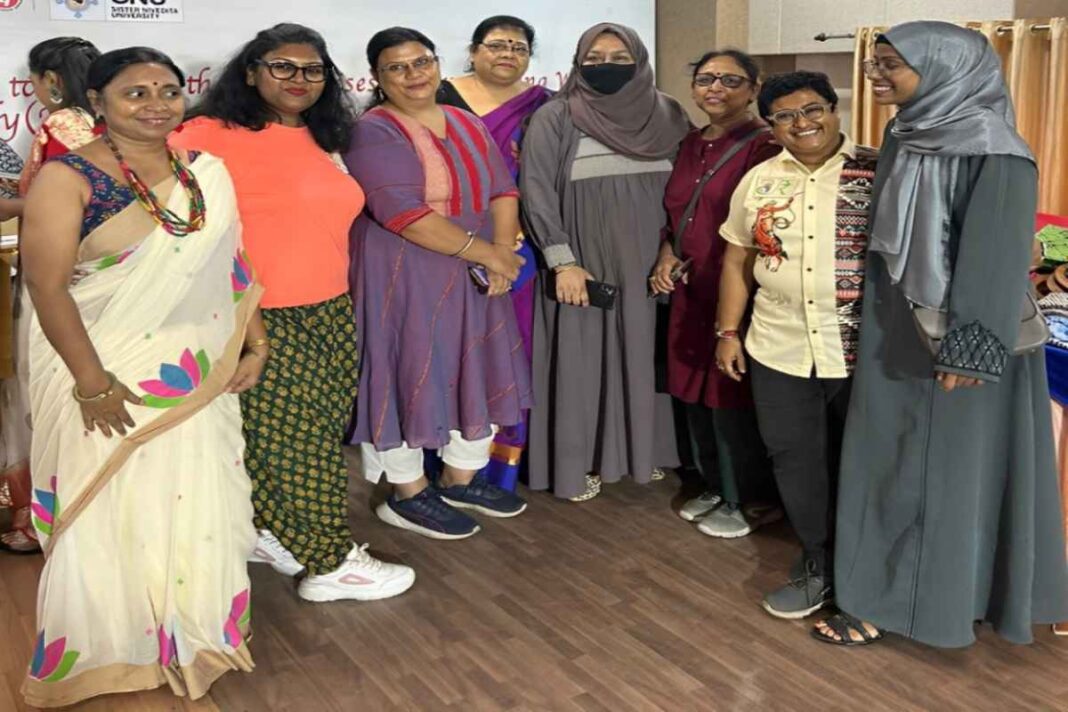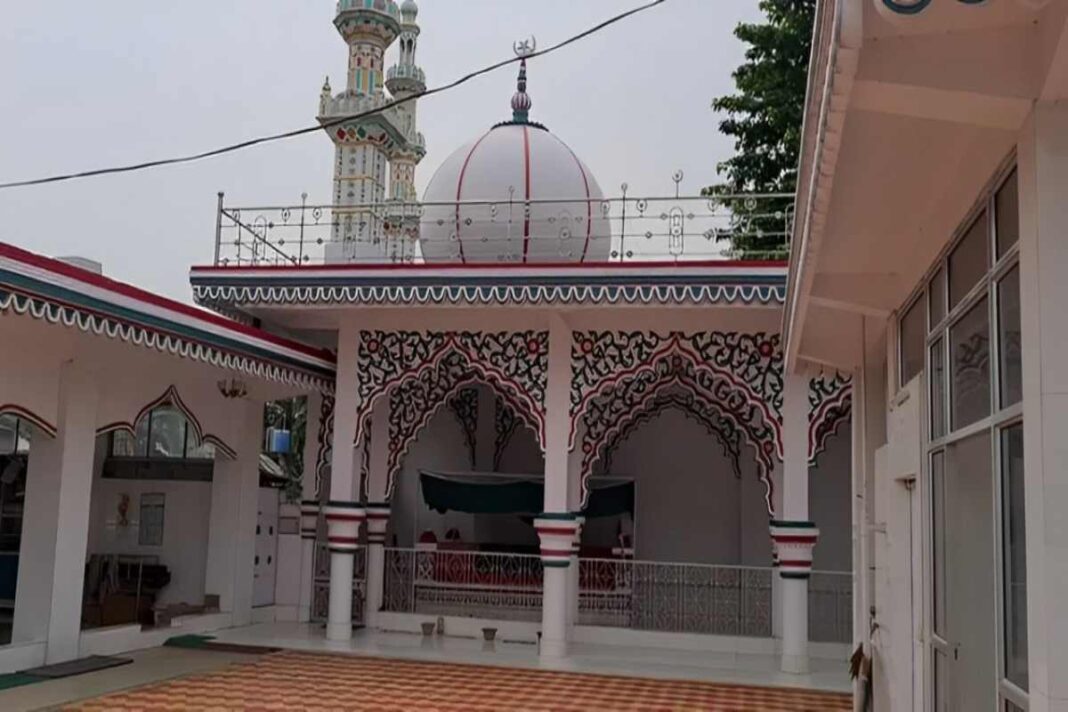

From Islam’s beginnings, women have played a crucial role in preserving and spreading its teachings. Women Scholars Important figures like Aisha, Hafsa Bint Umar, and Sakina Bint Hussain helped interpret the Quran and Sunnah. In the 8th century, Fatima bint Musa and Rabia Al Basri were known for their spiritual devotion. Notably, Fatima Al Fihriya established the world’s first university in the 9th century. Over the years, many women scholars like Karima Al Marwaziyya and Aisha Al Ba’uniyya continued to uphold Islamic learning and wisdom.
20th Century Resurgence
The early 20th century saw a new wave of women Islamic scholars. They combined traditional Islamic knowledge with modern sciences, offering fresh perspectives on Islamic teachings. Zainab Al Ghazali, an Egyptian activist, wrote the first complete Quran explanation by a woman, making it relevant to modern Muslim women’s lives. Maryam Jameelah, an American convert to Islam, wrote extensively about Islamic practices, challenging Western stereotypes about Islam and women’s position in it.
Modern Voices in Islamic Scholarship
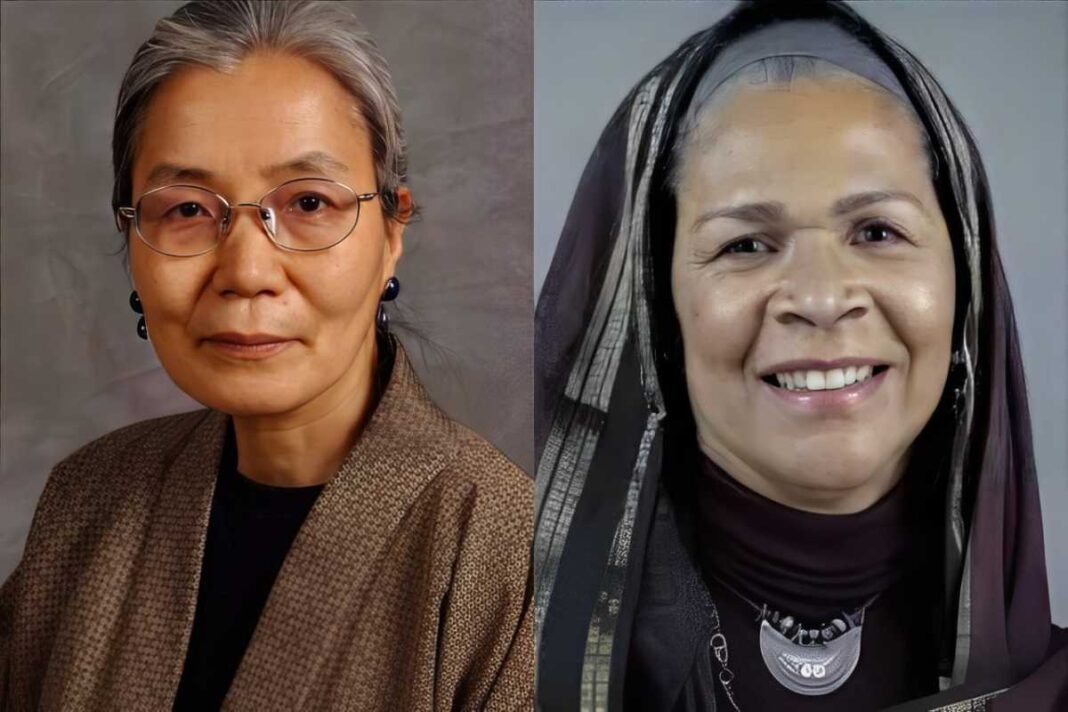
In the 21st century, women scholars have continued to shape Islamic thought with progressive approaches. Amina Wadud is known for her feminist interpretations of the Quran and has advocated for women’s leadership in Islamic worship. Laleh Bakhtiar’s English translation of the Quran, “The Sublime Quran,” aimed to make the text more accessible while considering modern sensibilities. Sachiko Murata has contributed significantly to understanding Islamic mysticism and gender roles through her work “The Tao of Islam.”
These scholars, from early Islamic history to the present day, have enriched Islamic knowledge with their unique perspectives. They have interpreted traditional teachings in light of contemporary issues, challenged patriarchal views, and empowered Muslim women to engage more deeply with their faith. Their contributions have been crucial in shaping a more inclusive and diverse Islamic scholarship.
For detailed story, please visit: Awaz the voice
Also Read: The Sacred Pause: Lord Jagannath’s Rath Yatra and the Mazar of Salabega
You can connect with DNN24 on Facebook, Twitter, and Instagram and subscribe to our YouTube channel.