

Following the initial shock over the killing of Iran’s top leadership, including the supreme spiritual leader Ayatollah Ali Khamenei, people of India have been visiting the Iranian embassy in New Delhi to offer condolences.
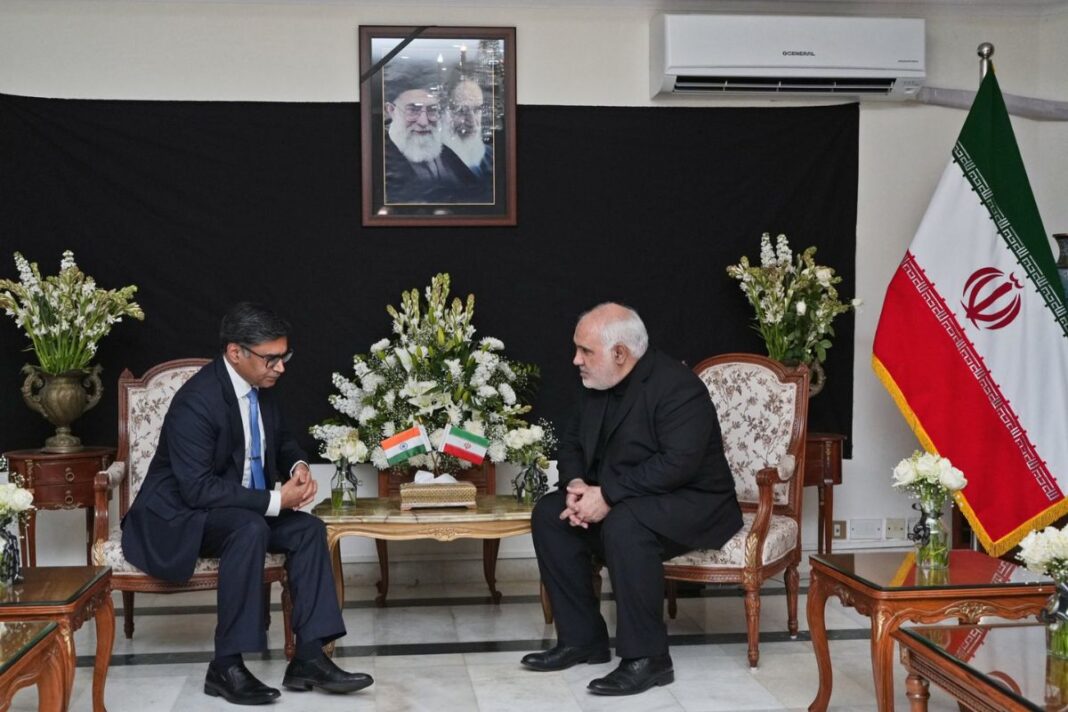
New Delhi, Mar 10, 2026: In the first official response to the killing of Iran’s Supreme Leader Ayatollah Ali Khamenei due to the airstrikes by US and Israel on February 28, India’s Foreign Secretary Vikram Misri visited the Iranian embassy in New Delhi on Thursday and signed the condolence book on behalf of the government. Misri met the Iranian ambassador Mohammad Fathali and condoled the death of the Iranian spiritual leader.
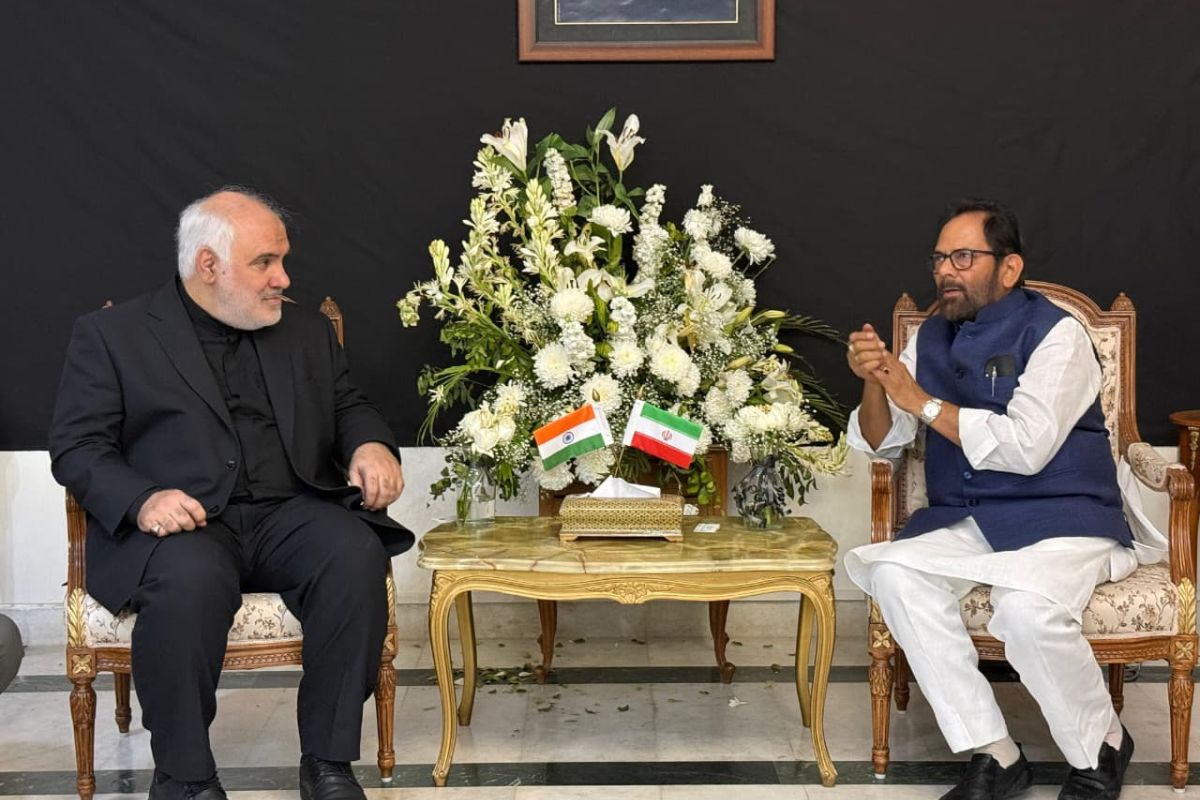
Since then, many politicians as well as humanitarian activists have visited the Iranian embassy to offer their condolences. BJP leader Mukhtar Abbas Naqvi visited the embassy on Monday to pay respects to the departed spiritual figure. Speaking to mediapersons after the visit, Naqvi described the late leader as a personality whose loss extended beyond national borders. “We came here to pay our tribute and homage,” he said. “His martyrdom cannot be expressed in words,” said Naqvi, emphasizing the spiritual dimension of the leader’s influence.
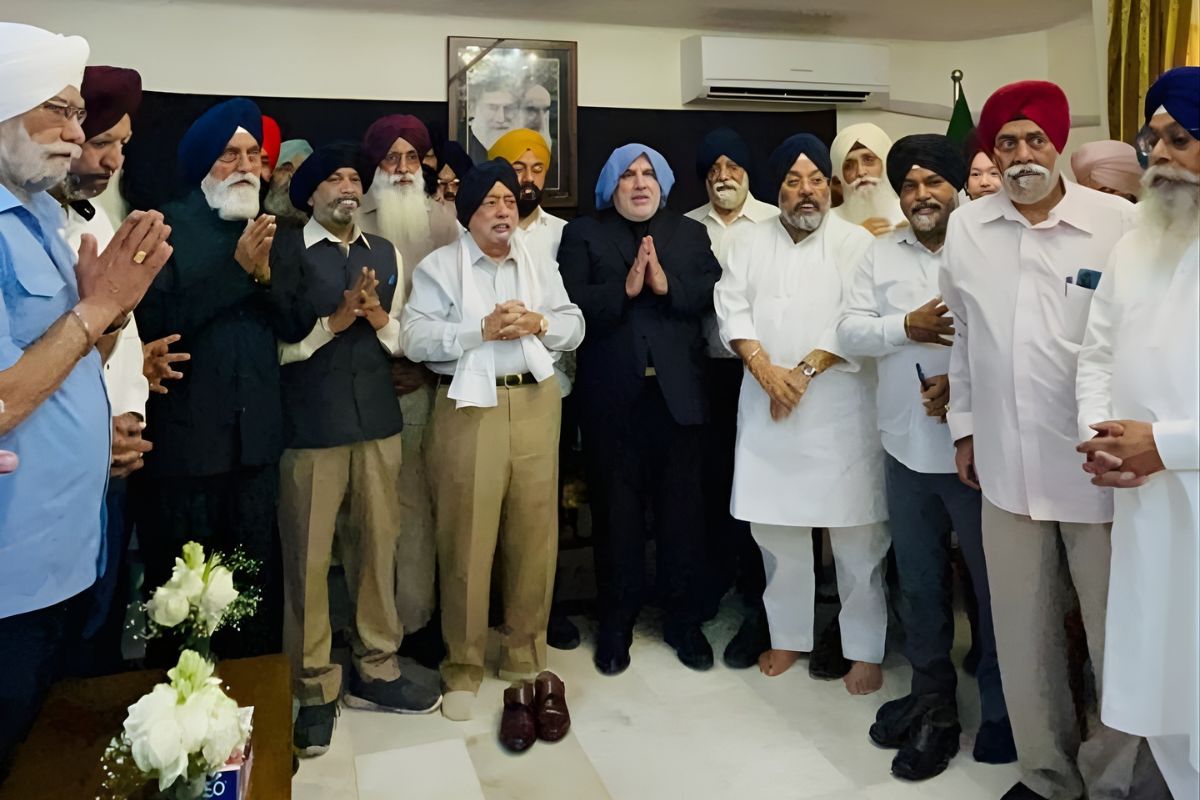
Jammu & Kashmir’s PDP Chief Mehbooba Mufti also visited the embassy on Monday to convey solidarity from Kashmiri citizens, emphasizing historical connections between the regions. A Sikh delegation led by Shiromani Akali Dal Delhi president Paramjit Singh Sarna also offered prayers and expressed their support. The delegation referenced longstanding cultural and economic ties between India and Iran while calling for restraint amid regional tensions.
AAP leader Sanjay Singh condoled the loss of lives in the airstrikes that killed Iran’s top leadership as well as 160 schoolgirls in Teheran. Writing on X after signing the condolence book, Singh said the killing of Khamenei and 160 schoolgirls besides more than 100 Iranian naval staff aboard IRIS Dena was a violation of human rights and international law and an attack on the sovereignty of Iran.
In order to offer support for children caught up in the war, Gurlad Singh Kahlon, president of Guru Nanak Social Mission, presented a cheque for five lakh rupees to embassy representatives. The donation is specifically meant for medicines, medical supplies, and support services for affected families. The group delivered formal condolences to the Iranian leadership and citizens, acknowledging the weight of losing young lives in circumstances that defy easy explanation.
During the ceremony, Kahlon addressed the gathering, framing the visit within broader principles. “Humanity is the greatest religion,” he stated. “Whenever innocent lives, especially children, are lost in such tragic circumstances, it becomes the duty of the entire world to stand with the victims and their families.”
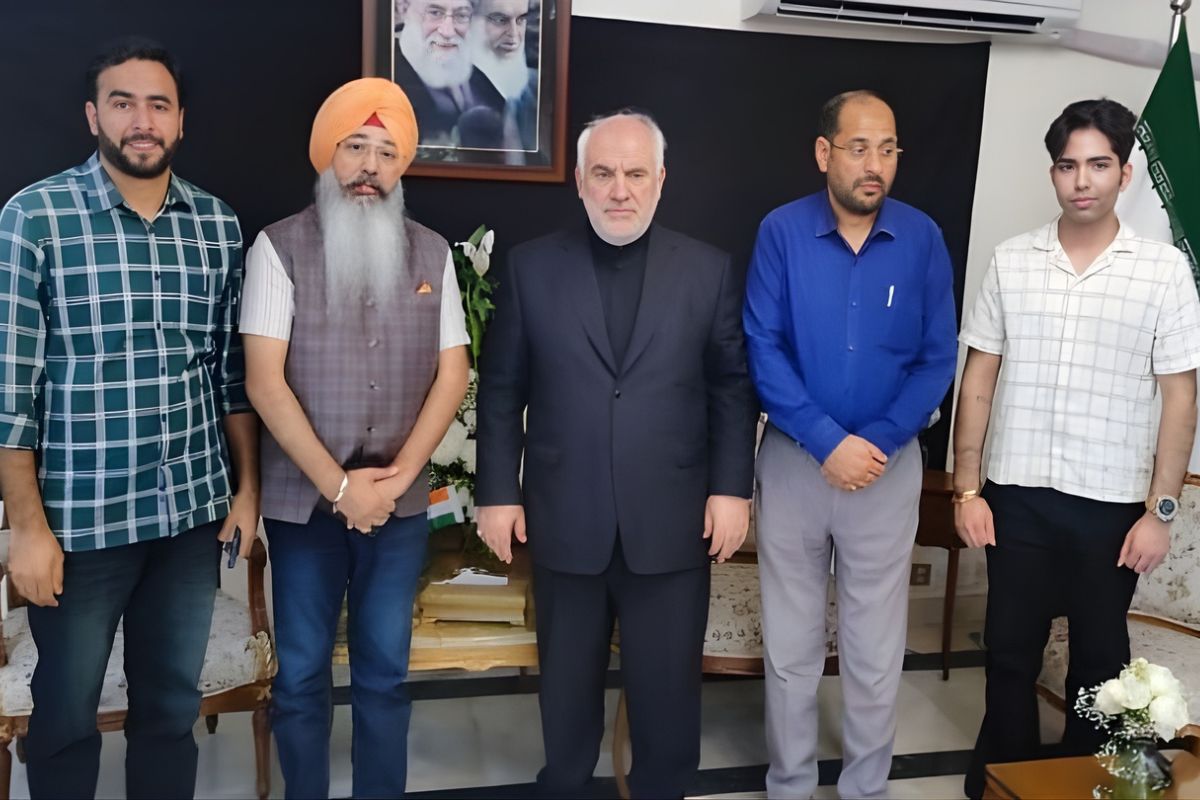
The Guru Nanak Social Mission operates under mandates drawn from Sikh teachings about service to humanity. These principles guide the organisation’s response to crises regardless of where they occur or who they affect. The delegation’s visit highlights how non-governmental organisations sometimes step into spaces typically occupied by official diplomacy. While governments manage formal relations between nations, private citizens and civil society groups operate on different principles. Their actions can signal goodwill and shared humanity even when political relationships face strain.
Also Read: Operationalizing the U.S.-India Defense Partnership
You can connect with DNN24 on Facebook, Twitter, and Instagram and subscribe to our YouTube channel.