
U.S. Ambassador Sergio Gor on shaping the U.S.-India relationship into the defining strategic partnership of the 21st century and delivering tangible benefits for both nations.
Ambassador Sergio Gor is the 27th U.S. Ambassador to India. He brings to the role a background in public service, political communications, and strategic leadership in Washington. Previously, he served as Assistant to President Donald J. Trump and Director of Presidential Personnel at the White House, where he oversaw the rapid hiring of thousands of political appointees across the federal government. A graduate of George Washington University, Ambassador Gor’s experience in leadership and public engagement shapes his approach to advancing one of America’s most consequential strategic partnerships.
In New Delhi, Ambassador Gor brings his results-driven approach to strengthening U.S.-India ties across defense, trade, and critical technologies—areas central to both countries’ long-term strategic goals. In this conversation with SPAN, he reflects on his early impressions of India and outlines his priorities for deepening cooperation between the two nations.
What are your initial impressions of India, and which aspects of this assignment are you most excited about?
I first visited India with my family almost 15 years ago. Since then, the impact of that trip never left my mind. The culture, history, colors, and the incredible story of India, combined with the potential for our two nations to take our bilateral relationship to the next level, is truly what makes this assignment appealing to me. However, it was the warmth and kindness of the people that left its deepest impression on me. I can say as I return to India so many years later, and under such different circumstances, the friendliness of the Indian people has not faded one bit.
That friendliness also extends to the highest level of leadership between the United States and India. President Trump considers Prime Minister Modi a true friend, and their genuine relationship strengthens the already important bond between our two nations. The ability to deepen our ties and work towards mutually beneficial goals is a great privilege.
Having worked closely with President Donald Trump, how has your experience under his leadership informed your approach to advancing U.S. priorities in India?
President Trump is the hardest working man in politics. He moves fast and demands results. His results-oriented style means I come into the embassy every morning with one goal in mind—how can I deliver something tangible and positive for the American people? Every call I have and every meeting I take is in furtherance of closing a deal or securing a win for the United States, which is exactly how the President operates. We have a simple task—deliver results for the United States, while enhancing our bilateral relationship to new heights.
In your view, which areas of U.S.-India cooperation hold the greatest potential to drive innovation, economic growth, and technological progress?
Defense and security cooperation represents our most strategically significant area of collaboration. The U.S.-India Major Defense Partnership continues to deepen, with a new 10-year framework and enhanced defense industrial cooperation, science and technology collaboration, and operational coordination.
Economic investment and trade expansion also offer equally transformative potential. President Trump’s goal is to facilitate bilateral trade in a way that creates unprecedented opportunities for American businesses and workers. India’s growing economy and massive infrastructure needs align perfectly with American expertise in energy, aviation, advanced manufacturing, and digital infrastructure. These investments benefit both of our nations, while strengthening the economic foundation of our long-term strategic partnership. Simply put, we have a win-win situation in front of us.
How do you envision the future of U.S.-India defense and maritime cooperation, and what steps can both countries take to further strengthen these ties?
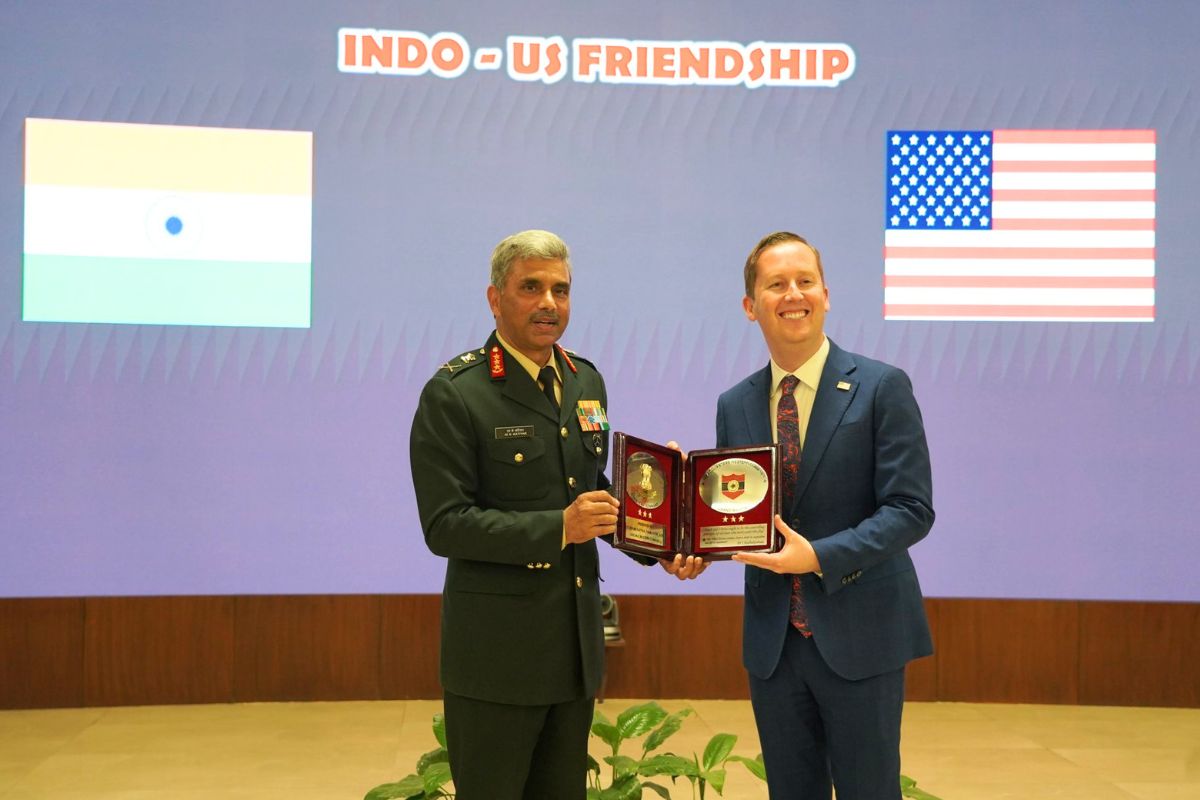
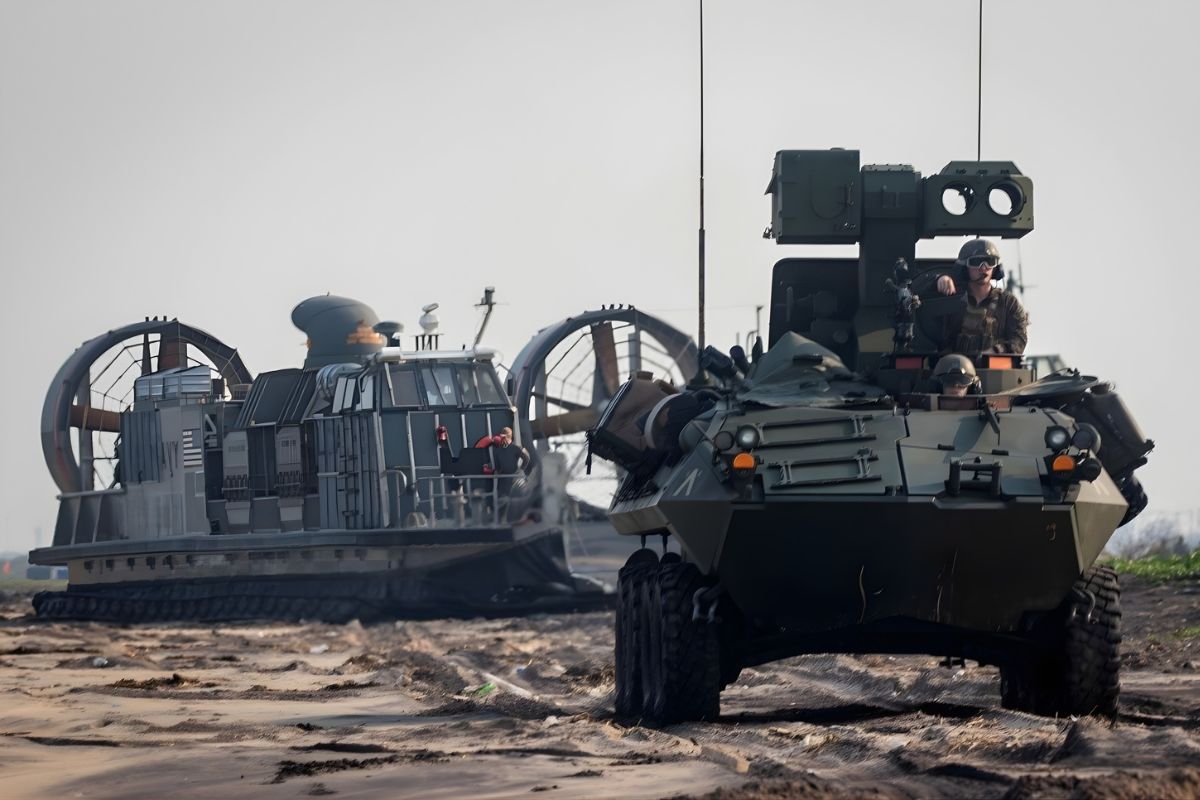
India is a Major Defense Partner, and defense cooperation is one of the brightest spots in our bilateral relationship. We also strengthen U.S.-India military interoperability through participation in military exercises such as Malabar, Tiger Triumph, and Cope India.
Both of our nations are also part of the Quad, a strategic partnership that keeps our security interests robust and aligned. These three core aspects—diplomacy, defense exercises, and military sales—ensure strong, continued defense cooperation. If these aspects are maintained, I predict a natural strengthening of our defense ties.
What are the prospects for the United States and India to collaborate on securing critical mineral resources and building resilient advanced manufacturing supply chains?
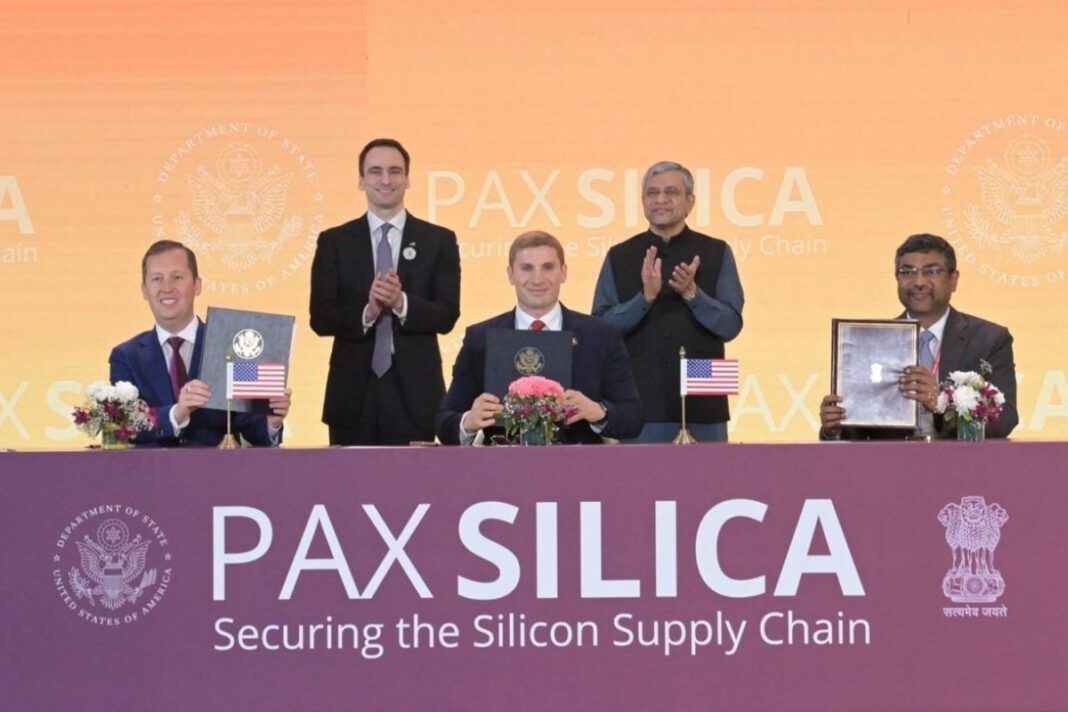
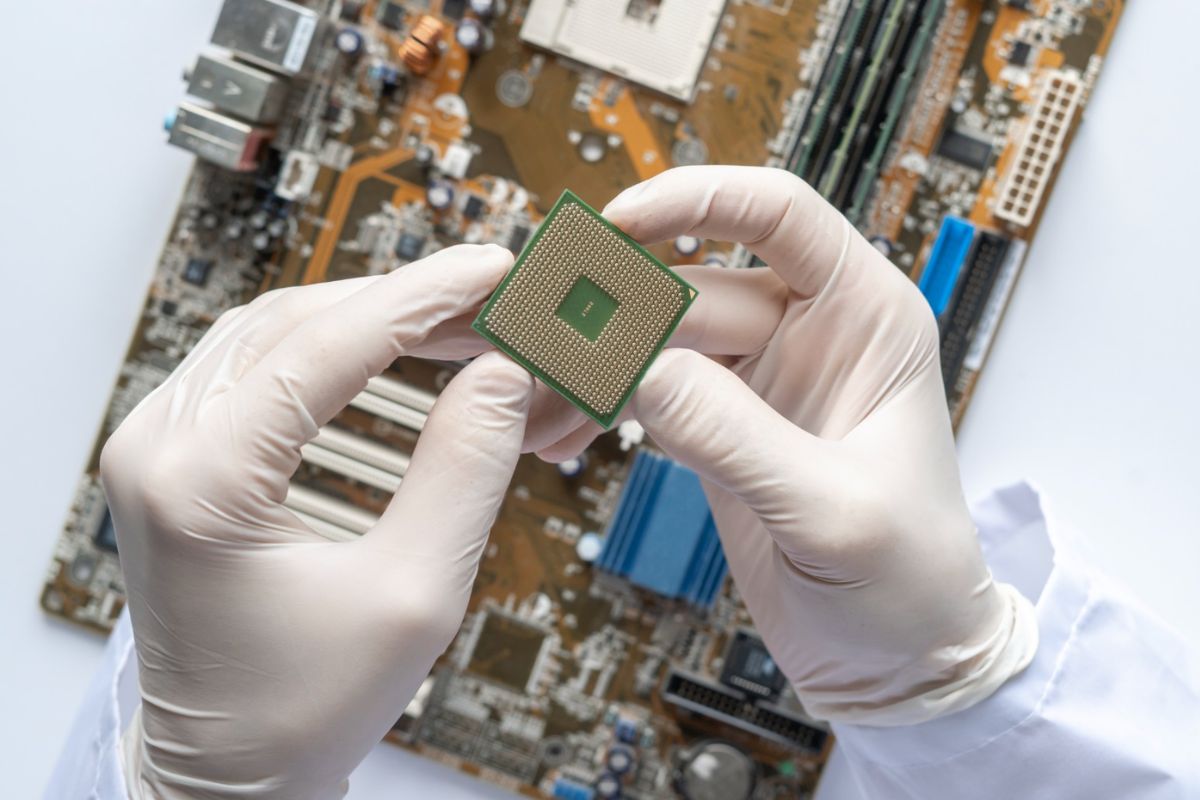
I’m pleased to report that these prospects are exceptionally strong. For example, the U.S.-India COMPACT framework prioritizes building resilient supply chains for semiconductors, critical minerals, and pharmaceuticals. Most recently, on the final day of the AI Impact Summit, India became the tenth signatory to our Pax Silica Declaration. Pax Silica is focused on further aligning U.S.-India economic and national security interests through partnerships on critical mineral processing capacity and AI infrastructure investments.
This combination of political and financial commitments ensures our supply chains are not dominated by one source, which drastically reduces risk.
As strategic dynamics evolve across South and Central Asia, what role do you see the United States playing in promoting regional stability, economic connectivity, and long-term security?
The United States is uniquely positioned to serve as the main facilitator of economic growth across both regions. In Central Asia, Kazakhstan and Uzbekistan have committed to significant investment deals with American companies, helping develop critical minerals, digital infrastructure, and energy resources while supporting American jobs. In South Asia, our revamped trade deal with India creates a powerful anchor for regional economic integration.
Regarding security, the U.S. remains focused on working with partners to combat terrorism, violent radicalization, and transnational crime. We understand that security and economic prosperity are intertwined. Stable nations attract investment, and legitimate financial opportunities reduce the appeal of criminality and extremism.
Artificial intelligence is rapidly reshaping economies and societies. How do you see the United States and India working together to harness the benefits of AI while addressing its challenges?
Just a few weeks ago, I saw first-hand the limitless potential of the U.S. and India partnering on AI innovation. New Delhi hosted the AI Impact Summit, which was an incredible forum for public and private sector stakeholders to chart the future of AI.
The fact of the matter is that AI is here now, in our daily lives. So, how do we use it for our benefit? The answer is certainly not to have some global governance board based out of the UN determine what you can and can’t use AI for. It’s a nuanced and evolving issue that requires open communication between the U.S. and India.
Looking ahead, what is your vision for the U.S.-India partnership over the next several years, and what key milestones would you like to see achieved during your tenure?
My vision is to transform the U.S.-India relationship into the defining strategic partnership of the 21st century, one that delivers tangible benefits for both our nations.
I want the positive outcomes of our partnership to be felt by ordinary citizens—American farmers selling more to Indian markets, joint research breakthroughs in energy and medicine, and both nations’ militaries operating seamlessly together to ensure a safe and secure Indo-Pacific.
The U.S.-India relationship is rooted in shared democratic values, mutual prosperity, and common security interests that will shape the global order for generations.
By Charvi Arora
The above article was published in SPAN Magazine and is being reproduced here with their permission.